Blog
Candid analysis on strategic relocation, housing markets, and finding the best places to live.

Cost of Living in Dayton Ohio: A 2026 Relocation Guide
Dayton's total cost of living runs roughly 3% below the U.S. average, driven by housing that is about 16% below the national benchmark, while utilities run roughly 9% above it. That split is the whole decision. If you capture the housing discount without adding a second car, a drafty older house, or a long commute, Dayton saves you real money. If you don't, the cheap listing becomes an expensive household. I've reviewed enough Midwestern budgets to distrust any city ranking built on one in

Cost of Living Wichita KS: A Practical Breakdown
A single adult in the Wichita metro needs an estimated $20.78 an hour to cover basic necessities, while median gross rent in the city is $975 a month. Wichita can be affordable, but that depends on household income, housing choice, and recurring costs beyond rent. The gap between a basic-needs wage and housing costs is a better starting point than a single citywide cost index. For a full-time worker, MIT's living-wage estimate translates to about $43,222 in gross annual income; Kansas's $7

Best Areas to Live in Tucson Arizona: 9 Picks
Oro Valley is a strong starting point for families and retirees seeking suburban amenities, Sam Hughes suits university-oriented and walkable living, and Vail or Sahuarita deserve attention from buyers prioritizing space and newer construction. Yet Tucson's metropolitan median home value of $319,700 doesn't tell you which of those areas will be affordable after commuting, cooling, insurance, and maintenance. That benchmark comes from the Tucson metropolitan housing and demographic data, no

Vibes Brunswick Maine: What Living Here Actually Feels Like
It's easy to fall for Brunswick, Maine, on a sunny visit, then wonder whether the walkable downtown and coastal calm hold up once you're handling a winter commute, shopping for a home, or trying to make rent work. The vibes in Brunswick are a blend of college-town culture, a compact walkable center, and a more car-dependent outer town, with housing costs and property-level flood risk that deserve a close look. It's a strong fit for people who can afford the housing and choose their neighborh

Quotes on Sovereignty: 8 Ideas Shaping Where You Live
Sovereignty is the final authority to make binding rules over a people or a person. The quotes below trace that idea from 1576 to 1981, and each one can be tested against where you choose to live. Who holds the final say over a household, a home, and the rules that shape both? The answer changes depending on whether you mean a national government, a state legislature, a city council, a court, or the individual. That distinction matters for anyone researching quotes on sovereignty as part

10 Best Places to Move in 2026 by Lifestyle
The best places to move depend on what your household values most, and the strongest shortlist starts with Raleigh, Boise, Columbus, Huntsville, Nashville, Austin, Tampa, Salt Lake City, Madison, and Greenville. There isn't a universal winner, because relocation works differently for families, retirees, remote workers, and people optimizing for taxes, housing, and personal sovereignty. These 10 cities are worth comparing because they split cleanly by fit, not hype. Raleigh and Columbus lea
Grand Lake California: A Neighborhood Profile
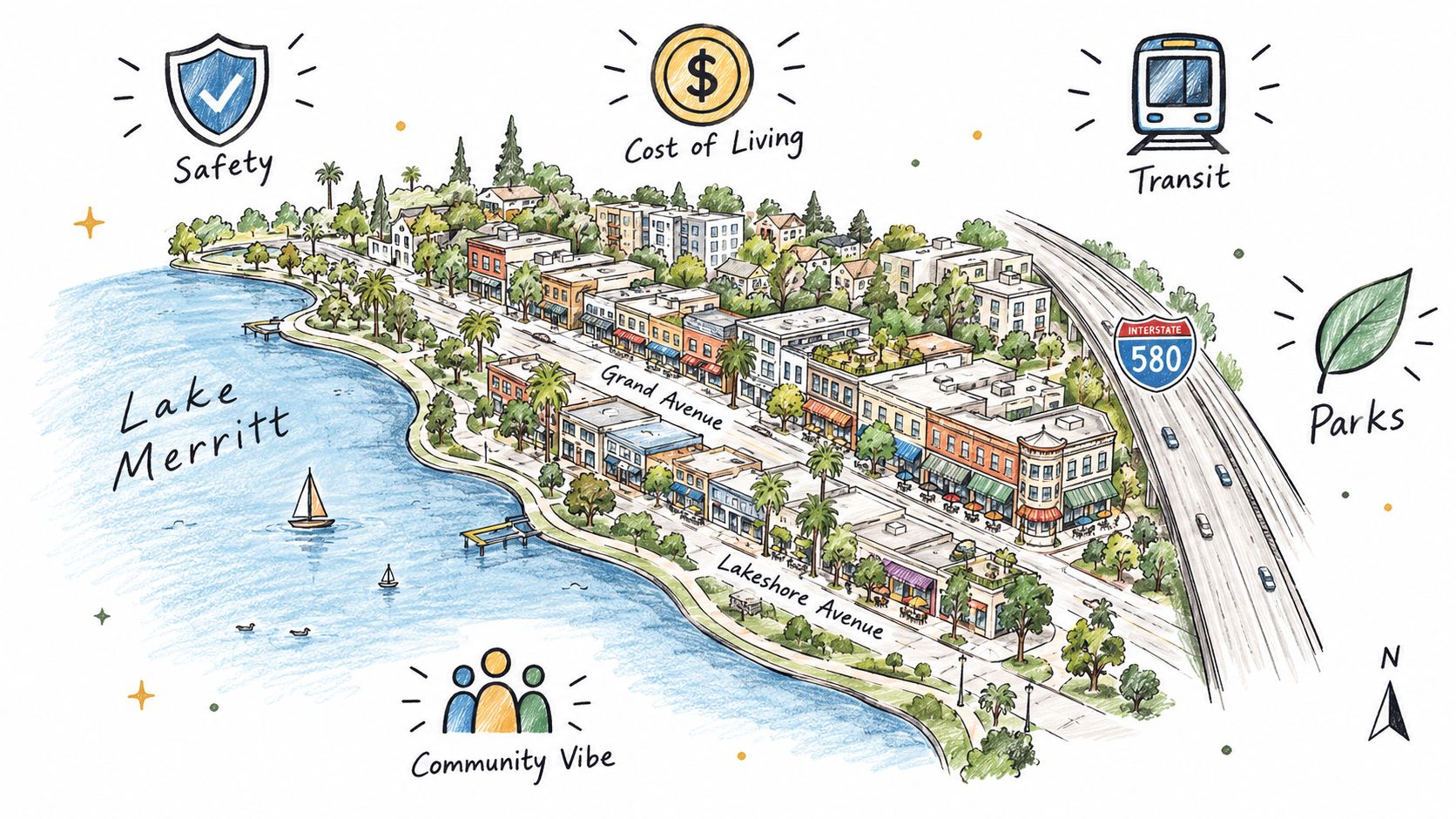
Grand Lake, California isn't an inland lake town, it's an Oakland neighborhood centered on the northeastern edge of Lake Merritt, where Grand Avenue, Lakeshore Avenue, and Interstate 580 shape daily life. That distinction matters because the place works more like an urban mobility node than a resort district, and the best relocation questions here are about transit, housing type, and exposure, not shoreline scenery. Table of Contents * What Grand Lake California Means as a Place

Climate in Cincinnati Ohio: Seasonal Weather Guide
If you're moving to Cincinnati, don't make the mistake of judging the city by a neat little “moderate Midwest” label. Climate in Cincinnati, Ohio is humid, four-season, and more disruptive than the averages suggest, with roughly 43.40 inches of annual precipitation and about 27 days a year that reach at least 90°F in the Cincinnati/Covington climate normals for 1991 to 2020 (National Weather Service climate normals for Cincinnati/Covington). What matters for a house isn't the headline averag

7 Dangerous Neighborhoods in Washington, DC
Anacostia, Ward 7's East End, Petworth, Shaw and Howard University, Woodland Heights near the Takoma Park border, Bloomingdale and LeDroit Park, and Garfield Heights and Kenilworth are the seven areas that most warrant a close safety review in Washington, DC. That said, risk changes sharply by block, crime type, and time of day, so a neighborhood-wide label can hide safer pockets and hotter corridors. Table of Contents * Which DC Areas Require the Closest Safety Review * 1. Anacostia

Cost of Living in Nebraska Lincoln: A 2026 Guide
Lincoln's overall cost of living is roughly 6% to 8% below the U.S. average, driven mainly by housing that runs about 22% to 23% below national figures. That advantage can narrow for homeowners, because Nebraska property taxes and a 5.5% state sales-and-use tax add costs that a single citywide index doesn't show. The practical answer to the cost of living in Nebraska Lincoln is that housing is cheaper than the national benchmark, but Lincoln isn't uniformly inexpensive. Housing supplies mo

How Do You Commute to Work Without Losing Time
Most U.S. workers drive alone for about 27 minutes each way. The useful answer to “How do you commute to work?” names your usual mode and typical time, then asks which combination of mode, cost, and location fits your actual schedule. You may be comparing homes in a city that looks perfect on a map, only to discover that the “short” drive requires expensive parking, a fragile transit connection, or five office trips every week. Treat the commute as a weekly time and money budget, not as a
Earthquake Disaster Risk Index: What Homebuyers Must Know
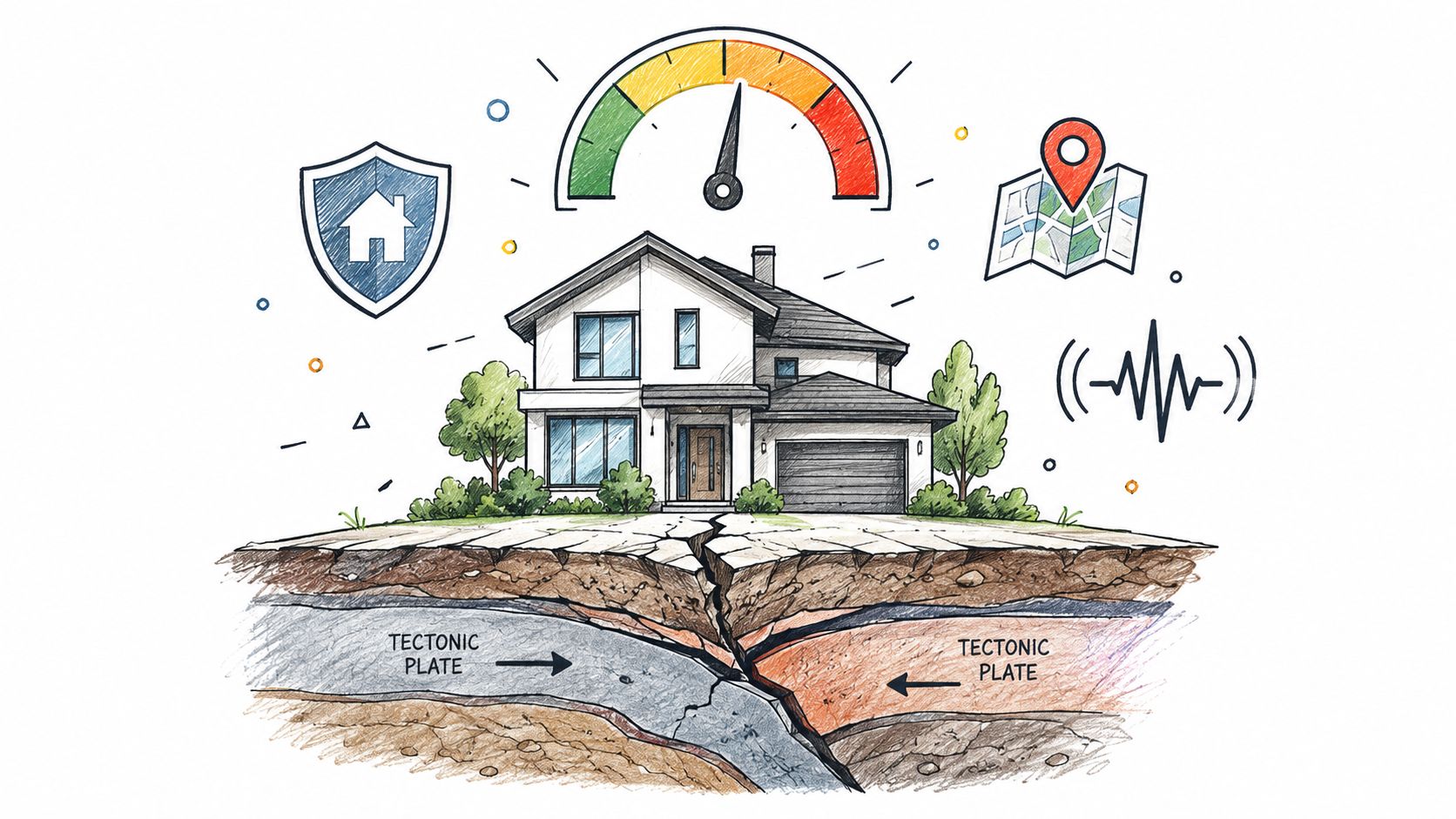
An earthquake disaster risk index combines seismic hazard probability with community vulnerability and resilience to estimate expected annual economic loss. It is not a direct prediction that a specific house will be damaged in a specific year, and that distinction matters if you're choosing between two homes that look similar on a map. Most buyers first see a single score or letter grade and assume it tells the whole story. It doesn't. The key question is whether the index is measuring gr