Photo: Wikipedia
Find The Best Places To Live
in Michigan
PRO TIP! You can paste a Zillow or Redfin link to get info on that property.
Best Places to Live in Michigan
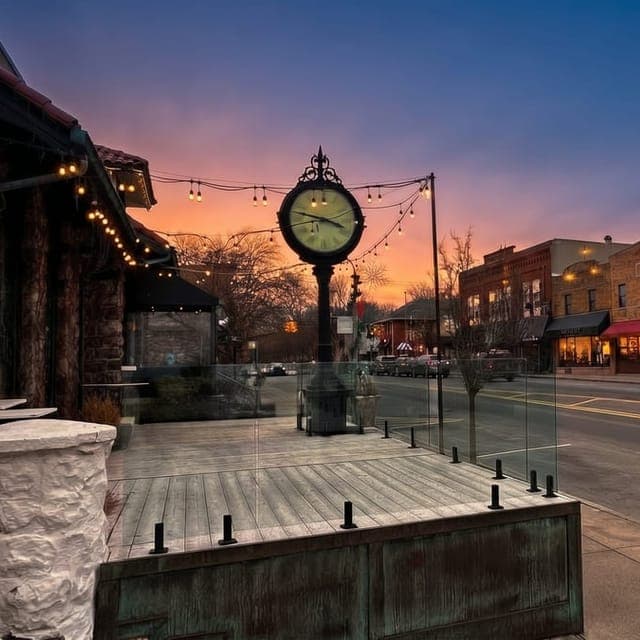
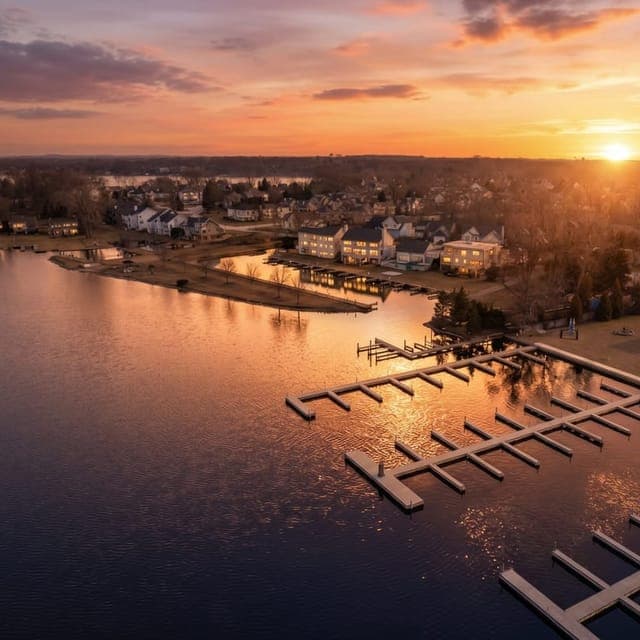
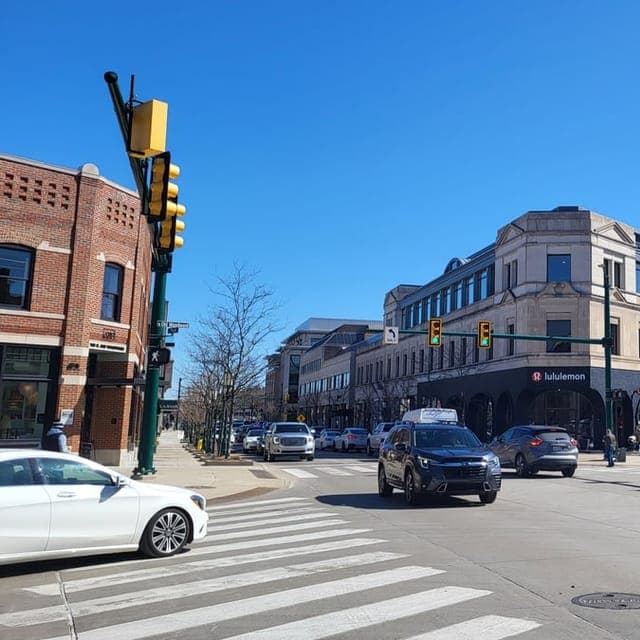
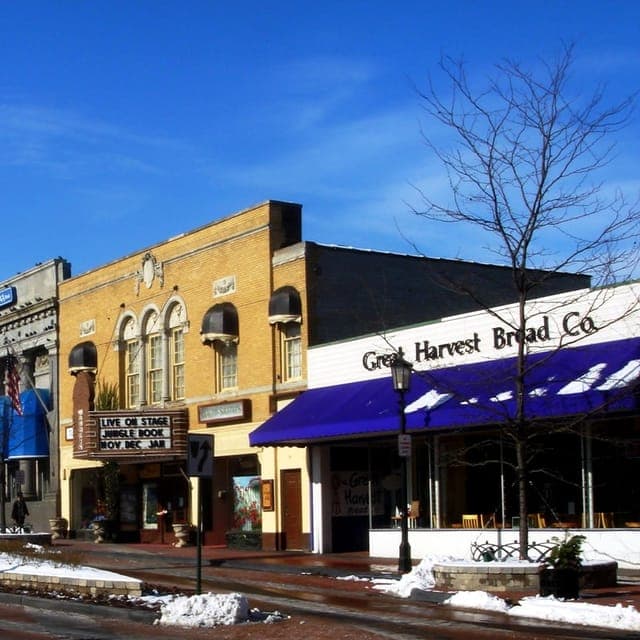
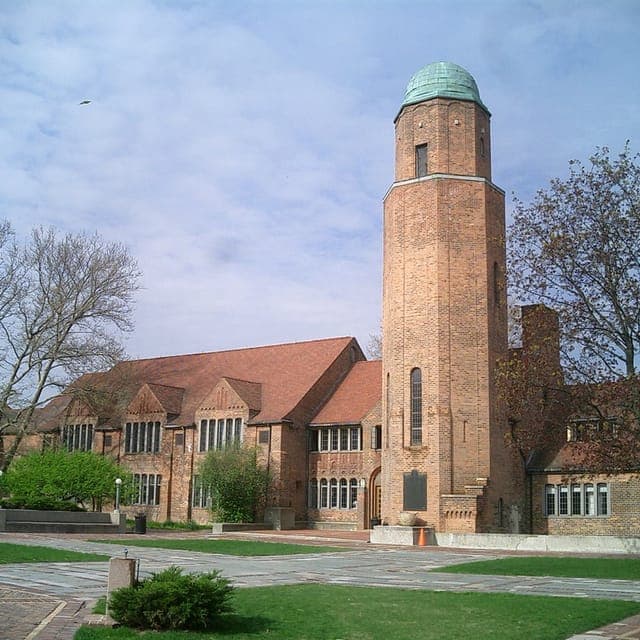
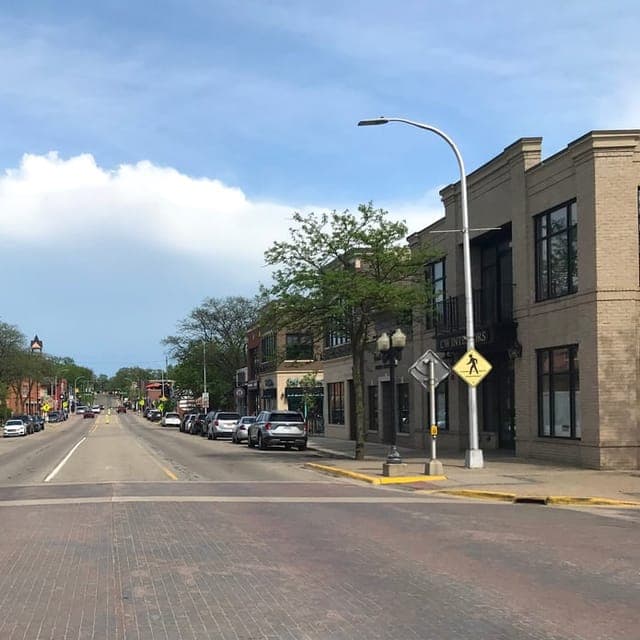
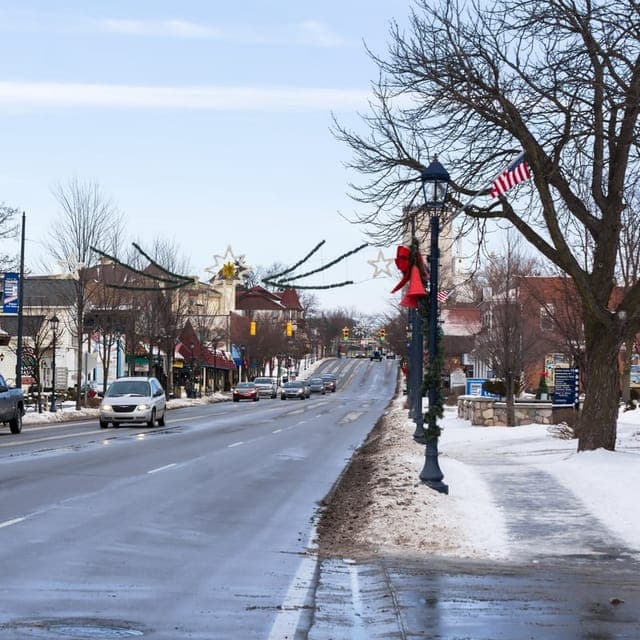
Cities in Michigan
Largest Cities in Michigan
What It's Like Living in Michigan
Michigan is a state of two distinct personalities: the gritty, post-industrial urban cores like Detroit and Flint, and the sprawling, family-oriented suburbs and rural towns that stretch from the Upper Peninsula down to the Indiana border. It’s a place where a Friday night might mean a high school football game in Grand Rapids or a craft beer crawl in Traverse City, and where the cost of living is low enough that a median income of $71,149 actually lets you buy a home for around $217,600. The vibe shifts dramatically depending on where you land—Detroit feels like a city rebuilding with purpose, while towns like Holland and Ann Arbor lean into college-town energy and lakeside leisure.
Daily Rhythm: From the Motor City to the Lake Effect
Daily life in Michigan is shaped by the seasons and the geography. In the southeast, around Detroit and its suburbs like Royal Oak and Troy, the commute averages just over 24 minutes—manageable compared to other major metros. People here shop at Meijer (the local big-box staple), grab coney dogs at Lafayette Coney Island in Detroit, and spend weekends at the Henry Ford Museum or catching a Tigers game at Comerica Park. Head west to Grand Rapids, and the rhythm slows a bit; it’s a hub for furniture manufacturing and craft brewing, with Founders Brewing Co. drawing locals and tourists alike. In the Upper Peninsula, towns like Marquette and Houghton operate on a different clock entirely—winters are long and snowy, so snowmobiling and ice fishing replace patio season, and the nearest Target might be an hour away.
The kind of person who fits in here is often practical, hardworking, and unpretentious. You’ll find a mix of auto industry veterans in Warren, young families in Novi, and outdoor enthusiasts in the UP. The median age of 40.1 suggests a slightly older population, but college towns like Ann Arbor (home to the University of Michigan) and East Lansing (Michigan State) inject youthful energy. The cost of living index sits at 87—well below the national average—which means a single person earning $50,000 can afford a decent apartment in most areas, and parents can stretch a dual income further than in coastal states.
Sports & Community: Where Loyalty Runs Deep
Sports are a religion here, and the divide between University of Michigan (Wolverines) and Michigan State (Spartans) is real—families pick sides early. On Saturdays in the fall, Ann Arbor’s Big House fills with over 100,000 fans, while East Lansing’s Spartan Stadium roars just 65 miles away. High school football is a big deal too, especially in towns like Muskegon and Detroit Catholic Central, where Friday-night games draw the whole community. Pro sports are equally central: the Detroit Tigers (MLB), Lions (NFL), Pistons (NBA), and Red Wings (NHL) all have passionate followings, and catching a game at Little Caesars Arena is a rite of passage. In the UP, hockey dominates—Northern Michigan University and Michigan Tech games are packed, and youth hockey leagues keep kids busy through the long winters.
Beyond the stadiums, community life revolves around local festivals and outdoor spaces. The National Cherry Festival in Traverse City draws hundreds of thousands each July, while the ArtPrize competition in Grand Rapids turns the whole city into a gallery. For families, the Detroit Zoo in Royal Oak and the Sleeping Bear Dunes National Lakeshore near Empire are weekend staples. The state’s 11,000 inland lakes and 3,200 miles of Great Lakes shoreline mean boating, fishing, and beach days are central to summer life—especially in places like Holland, Saugatuck, and Charlevoix.
Pros and Cons of Living Here
What residents love: The low cost of living is a huge draw—your dollar goes further here than in nearly any other state. The natural beauty is undeniable, from the Porcupine Mountains in the UP to the wineries of the Leelanau Peninsula. There’s a strong sense of community in smaller towns like Frankenmuth (known for its Bavarian-style Christmas market) and Kalamazoo, where neighbors still know each other. The job market is diversifying beyond auto manufacturing, with healthcare (Beaumont Health, Spectrum Health) and tech (Rocket Companies in Detroit) growing.
What frustrates locals: The weather is a genuine trade-off—winters can stretch from November to April, with lake-effect snow dumping 200+ inches in places like Houghton. The violent crime rate of 408.1 per 100,000 is above the national average, though it’s heavily concentrated in specific Detroit and Flint neighborhoods; most suburbs and rural areas are very safe. The state’s economy still feels the hangover from the 2008 auto industry crash, and some towns like Saginaw and Pontiac struggle with blight and population loss. Roads are notoriously rough—potholes are a running joke, and the constant freeze-thaw cycle takes a toll on cars.
A cultural quirk worth noting: Michiganders are fiercely loyal to their state. They’ll argue about whether the UP is “real Michigan” (it is), debate the best pasty (a meat-filled pastry popular in the UP), and proudly claim the state’s mitten shape as a hand-drawn map. You’ll hear “pop” instead of “soda,” and “party store” for any liquor store. It’s a place where people stay for generations, and newcomers are welcomed—as long as you don’t root for Ohio State.

* Values derived from national, state, county, city and local statistics and may differ in a specific area. Last updated: 2026-04-18T23:04:36.000Z
Narrative content on this page is AI-generated and may contain mistakes. Verify any details that matter before acting on them.
ReloMaps may earn a commission from affiliate links at no extra cost to you.

