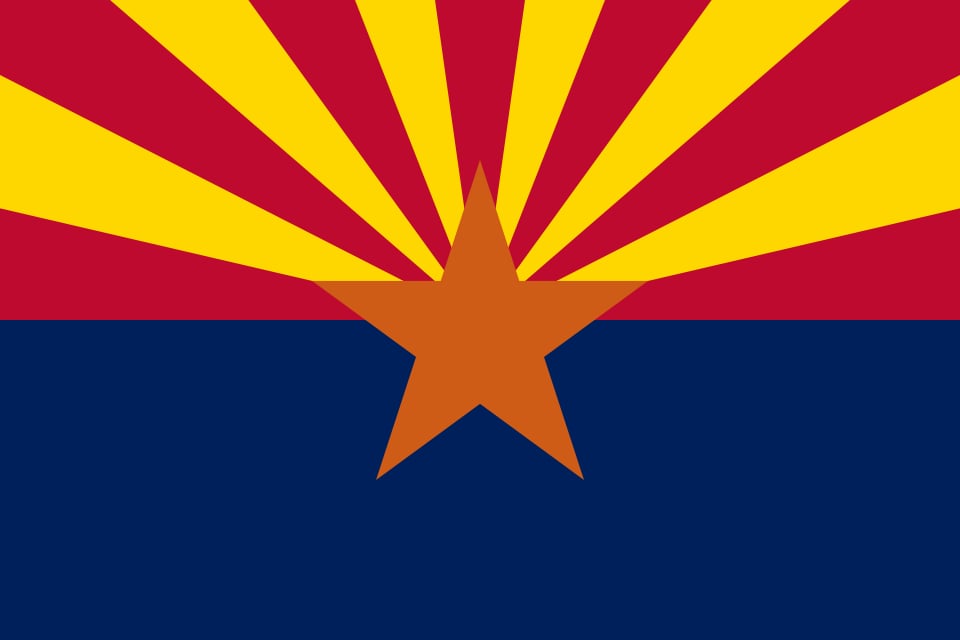
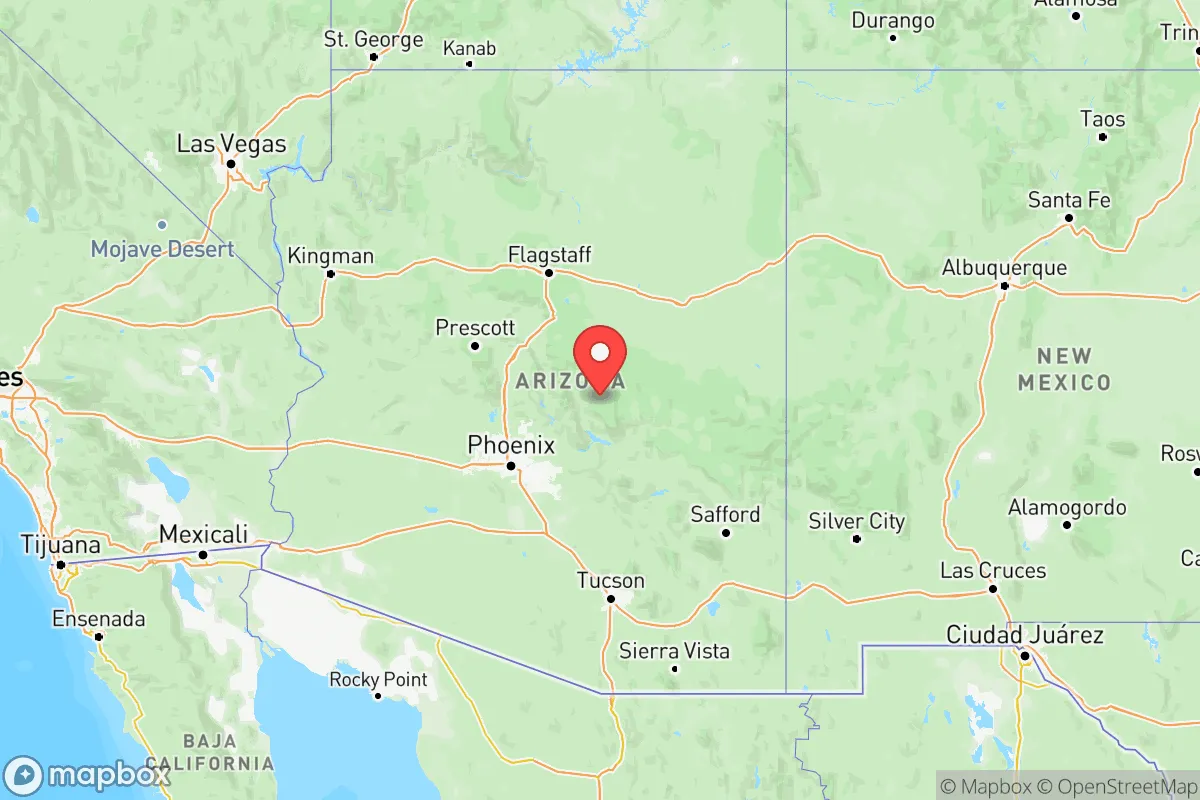
Photo: Wikipedia
Find The Best Places To Live
in Arizona
PRO TIP! You can paste a Zillow or Redfin link to get info on that property.
Best Places to Live in Arizona


Cities in Arizona
Largest Cities in Arizona
What It's Like Living in Arizona
Arizona is a state of stark contrasts, where the saguaro-studded Sonoran Desert meets alpine forests and red rock canyons, and where the sprawling suburban grid of Phoenix gives way to the high-desert solitude of places like Prescott and the college-town energy of Tucson. Living here means adapting to a landscape that demands respect for its heat and its distances, but rewards you with a lifestyle centered on outdoor freedom, a relatively low cost of living compared to California or Colorado, and a growing sense of self-sufficiency that appeals to many conservative-leaning families and individuals.
Daily Rhythm: From Air-Conditioned Suburbs to High-Desert Quiet
Daily life in Arizona is heavily shaped by the season and the specific city you call home. In the Phoenix metro area—places like Chandler, Gilbert, and Surprise—the rhythm is suburban and car-dependent. The average commute of about 25 minutes is manageable, but the real adjustment is the summer heat. From May through September, outdoor activities shift to early morning or late evening. People spend weekends at air-conditioned shopping centers, community pools, or catching a Diamondbacks game at Chase Field. In contrast, Flagstaff offers a four-season experience with snow in winter and cool summer hikes, while Prescott provides a smaller-town feel with a historic courthouse square and a strong sense of local tradition. The kind of person who fits in here is often someone who values personal space, doesn't mind driving 20 minutes to a good grocery store, and appreciates a slower pace of life outside the major metro hubs.
Sports & Community: High School Football and Desert Sunsets
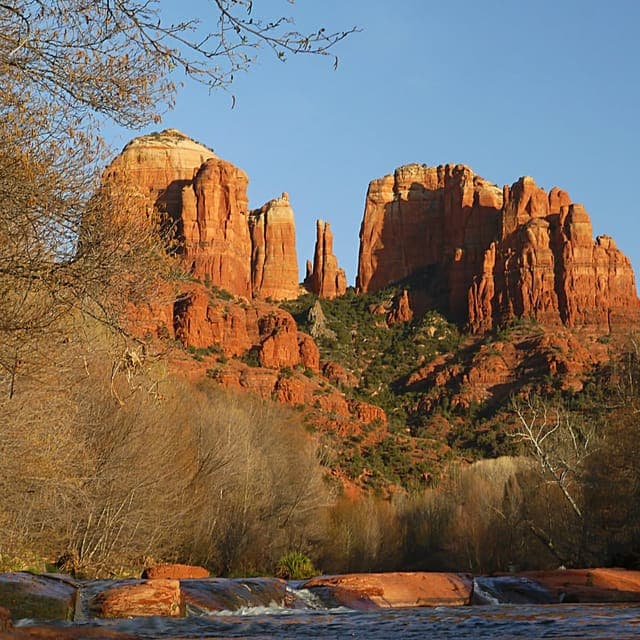
Sports in Arizona are a serious matter, but the flavor varies by location. In the Phoenix area, professional teams dominate the conversation: the Arizona Diamondbacks (MLB), Phoenix Suns (NBA), and Arizona Cardinals (NFL) all have passionate followings. College sports are also big, with Arizona State University in Tempe drawing massive crowds for football games at Sun Devil Stadium. But in smaller towns like Yuma or Lake Havasu City, high school football on Friday nights is the centerpiece of the week. The community rallies around local teams, and it's common to see entire families at games. Beyond organized sports, the real draw is the outdoors. Hiking Camelback Mountain in Phoenix, boating on the Colorado River near Bullhead City, or exploring Sedona's red rock trails are weekend rituals that define the Arizona identity.
What's There to Do: Festivals, Food, and Wide-Open Spaces
Arizona's entertainment scene is as diverse as its geography. In Tucson, the Fourth Avenue Street Fair and the Tucson Gem and Mineral Show draw crowds from across the country. The food scene leans heavily on Sonoran-style Mexican cuisine—think carne asada burros and cheese crisps—with local chains like Filiberto's and Los Betos being late-night staples. In Scottsdale, the vibe is more upscale, with high-end restaurants, art galleries, and the Barrett-Jackson car auction attracting a wealthier crowd. For families, the Phoenix Zoo and OdySea Aquarium are popular, while the Grand Canyon is a day trip for those in the northern part of the state. A notable cultural quirk: Arizonans take their "monsoon season" seriously, with dramatic thunderstorms in July and August that bring a brief but intense break from the heat.
Pros and Cons of Living Here: What Locals Love and What Frustrates Them
- Pros: Low property taxes compared to many states, a strong job market in Phoenix and Tucson (especially in healthcare, tech, and logistics), and year-round sunshine. The median home value of $358,900 is still affordable relative to coastal metros, and the median income of $76,872 allows many families to own a home with a yard. The cost of living index of 125 reflects higher housing and utility costs than the national average, but it's offset by no state income tax on wages.
- Cons: The summer heat is brutal—temperatures regularly exceed 110°F in Phoenix, making outdoor activity dangerous during midday. The violent crime rate of 359.9 per 100,000 is above the national average, with property crime being a concern in some areas of Tucson and central Phoenix. Water scarcity is a growing issue, and the state's reliance on the Colorado River means future restrictions are possible. Traffic on the I-10 and US-101 in Phoenix can be frustrating, especially during snowbird season (November to March).
Longtime residents love the freedom of wide-open spaces, the lack of humidity, and the ability to be in the mountains or desert within an hour's drive. What frustrates them is the rapid growth—Gilbert alone has exploded from 5,000 people in 1980 to over 270,000 today—which has led to crowded schools and longer commutes. The median age of 38.8 reflects a mix of young families and retirees, but the state's conservative lean is evident in its gun-friendly laws and resistance to strict COVID-19 mandates. For parents, school quality varies widely: Chandler Unified School District is highly rated, while rural districts in places like San Luis struggle with funding. Ultimately, Arizona is a place for people who don't mind a little grit and a lot of sun—a state where you can carve out your own life, whether that's in a master-planned community or on a few acres of desert land.

* Values derived from national, state, county, city and local statistics and may differ in a specific area. Last updated: 2026-04-16T00:42:46.000Z
Narrative content on this page is AI-generated and may contain mistakes. Verify any details that matter before acting on them.
ReloMaps may earn a commission from affiliate links at no extra cost to you.

