Photo: Wikipedia
Find The Best Places To Live
in New Mexico
PRO TIP! You can paste a Zillow or Redfin link to get info on that property.
Best Places to Live in New Mexico

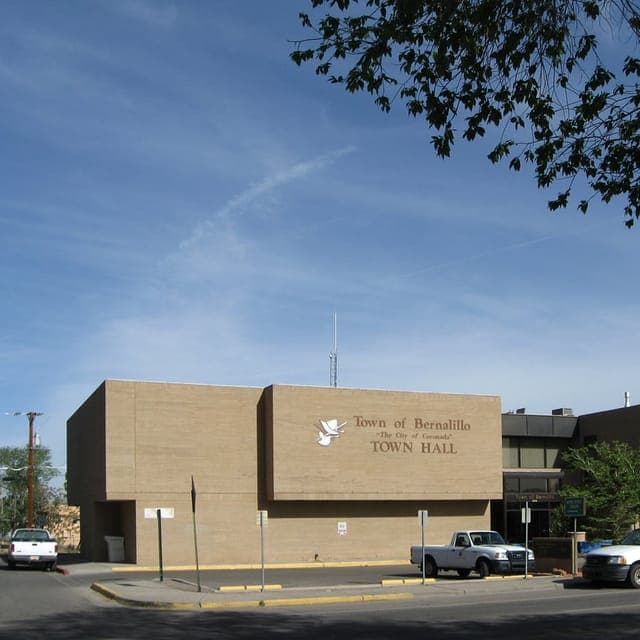
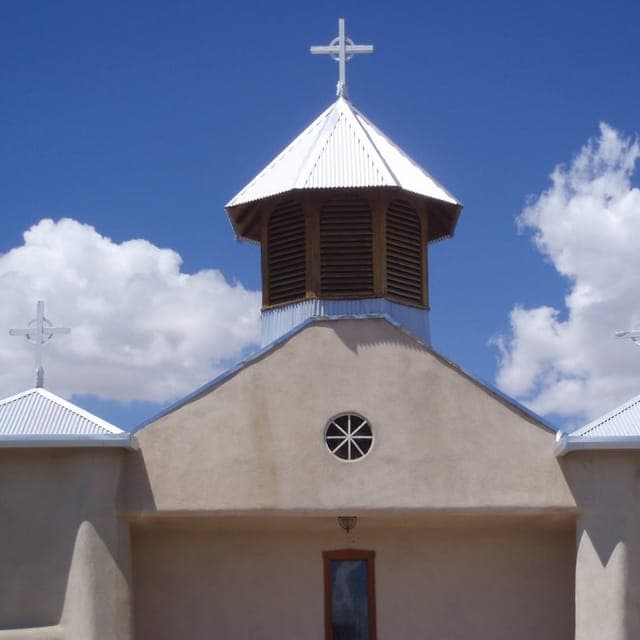
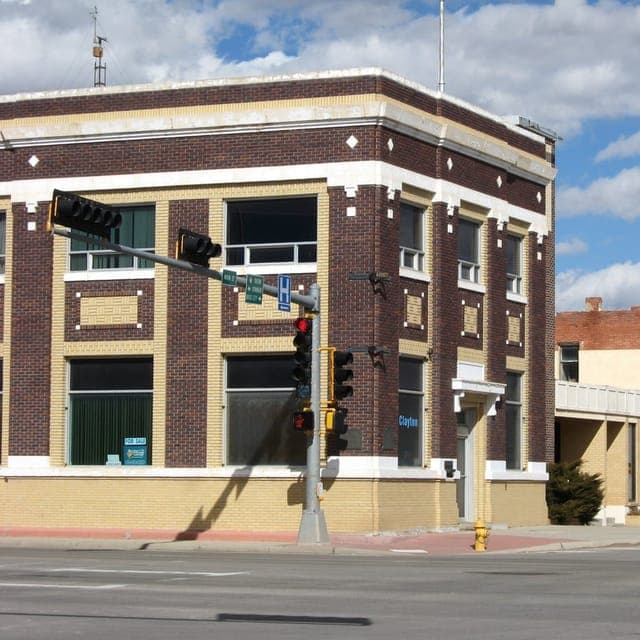
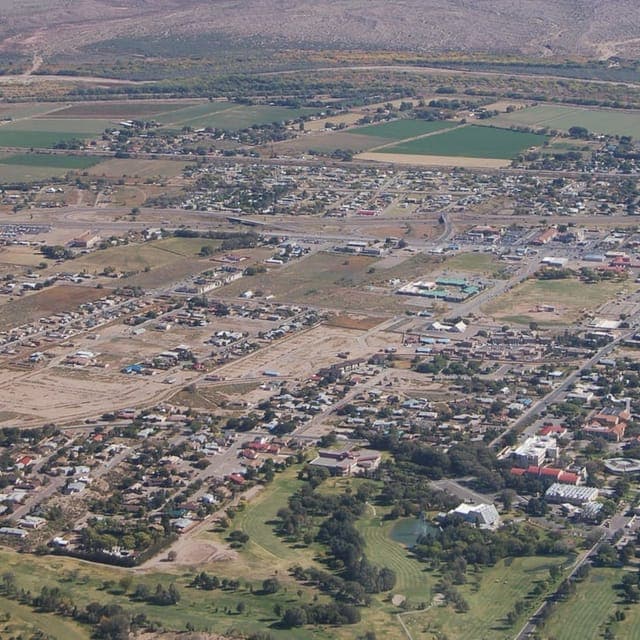
Cities in New Mexico
Largest Cities in New Mexico
What It's Like Living in New Mexico
Living in New Mexico means trading the relentless pace of the Sun Belt for a place where the landscape itself sets the rhythm. Whether you’re in the state’s largest metro, Albuquerque, or a high-desert town like Las Cruces or Santa Fe, daily life is shaped by wide-open skies, a slower clock, and a culture that prizes independence over conformity. It’s a state that attracts people who value space, history, and a do-it-yourself spirit—and it asks you to accept some trade-offs in return.
Daily Rhythm: From Albuquerque’s Strip Malls to Santa Fe’s Plazas
Life in New Mexico varies dramatically depending on where you land. In Albuquerque, the state’s economic hub, most people commute about 23 minutes each way—shorter than the national average—and spend weekends hiking the Sandia foothills or catching a Isotopes minor-league baseball game. The city’s sprawl means you’ll find familiar chains like Walmart and Target, but also local staples like the Frontier Restaurant near the University of New Mexico, a 24-hour diner famous for its cinnamon rolls. In contrast, Santa Fe feels more curated: its historic plaza, Canyon Road galleries, and farmers’ markets draw a wealthier, retiree-heavy crowd. The median home value statewide is $232,200, but Santa Fe easily doubles that, while Las Cruces and Roswell offer more affordable entry points for families and singles.
For parents, schools are a mixed bag. The state’s education funding per student is above average, but outcomes lag—graduation rates hover around 75%. Many families in Albuquerque and Santa Fe opt for charter schools or private options, while rural areas like Farmington or Clovis rely on tight-knit public school communities where Friday-night football is a genuine social anchor. The median age of 39.2 reflects a population that skews slightly older than the national average, but younger families are drawn to the lower cost of living—86 on the index, meaning everyday expenses run about 14% below the U.S. norm.
Sports, Community, and the Big Green Chile Fixation
New Mexico doesn’t have a major pro sports team, but that doesn’t mean sports culture is absent. The University of New Mexico Lobos (basketball and football) draw passionate crowds in Albuquerque, and high school football in towns like Artesia and Hobbs is a serious Friday-night ritual. The state’s most distinctive cultural quirk, though, is its obsession with Hatch green chile. You’ll find it on everything—burgers, pizza, even ice cream—and locals will argue fiercely about whether it’s better roasted or raw. The annual Hatch Chile Festival in early September is a genuine pilgrimage for residents across the state.
Beyond chile, the social calendar revolves around outdoor events. The Albuquerque International Balloon Fiesta in October draws over a million visitors and is the most photographed event in the state. In Santa Fe, the Indian Market in August showcases Native American art and jewelry, while Las Cruces hosts the Whole Enchilada Fiesta. For nightlife, Albuquerque’s Nob Hill district offers craft breweries like Marble Brewery, while Santa Fe’s Canyon Road is more about wine bars and gallery openings. Rural areas rely on local diners, dive bars, and community rodeos for entertainment.
Pros and Cons: What Locals Love and What Frustrates Them
- What locals love: The sheer variety of landscapes—from the Rio Grande bosque in Albuquerque to the white sands near Alamogordo—means weekend road trips never get old. The cost of living is genuinely low: a median income of $62,125 stretches further here than in most Western states. The culture is laid-back and non-judgmental; people tend to mind their own business.
- What frustrates them: The violent crime rate of 598.5 per 100,000 residents is among the highest in the nation, concentrated in parts of Albuquerque and Santa Fe. Property crime is also a persistent issue. The economy leans heavily on government (Los Alamos National Laboratory, Kirtland Air Force Base) and tourism, so private-sector job growth is limited. Only 30.2% of adults hold a bachelor’s degree, which can make professional networking feel thin outside of Albuquerque.
Weather is a genuine perk: 310 days of sunshine a year, with mild winters in the south (Las Cruces rarely sees snow) and four distinct seasons in the north. But the high altitude—Albuquerque sits at 5,300 feet—means the sun is intense, and dehydration is a real risk for newcomers. Summer monsoon storms bring dramatic afternoon downpours, and the state’s drought cycle keeps water conservation a constant topic.
For the right person—someone who values space, independence, and a slower pace, and who can navigate the trade-offs in safety and economic opportunity—New Mexico offers a life that feels genuinely different from the rest of the country. It’s not a place for people who need constant stimulation or a fast career track, but for those who want room to breathe, it’s hard to beat.

* Values derived from national, state, county, city and local statistics and may differ in a specific area. Last updated: 2026-04-14T06:21:01.000Z
Narrative content on this page is AI-generated and may contain mistakes. Verify any details that matter before acting on them.
ReloMaps may earn a commission from affiliate links at no extra cost to you.

