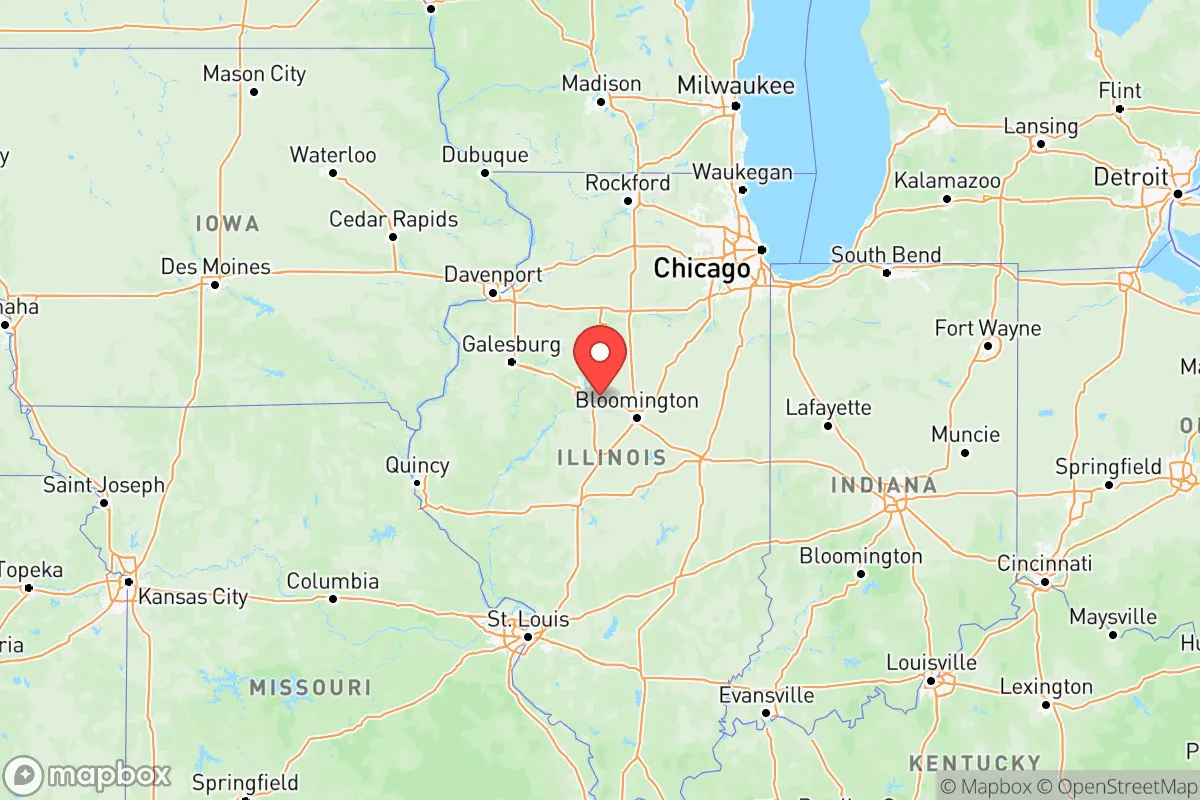
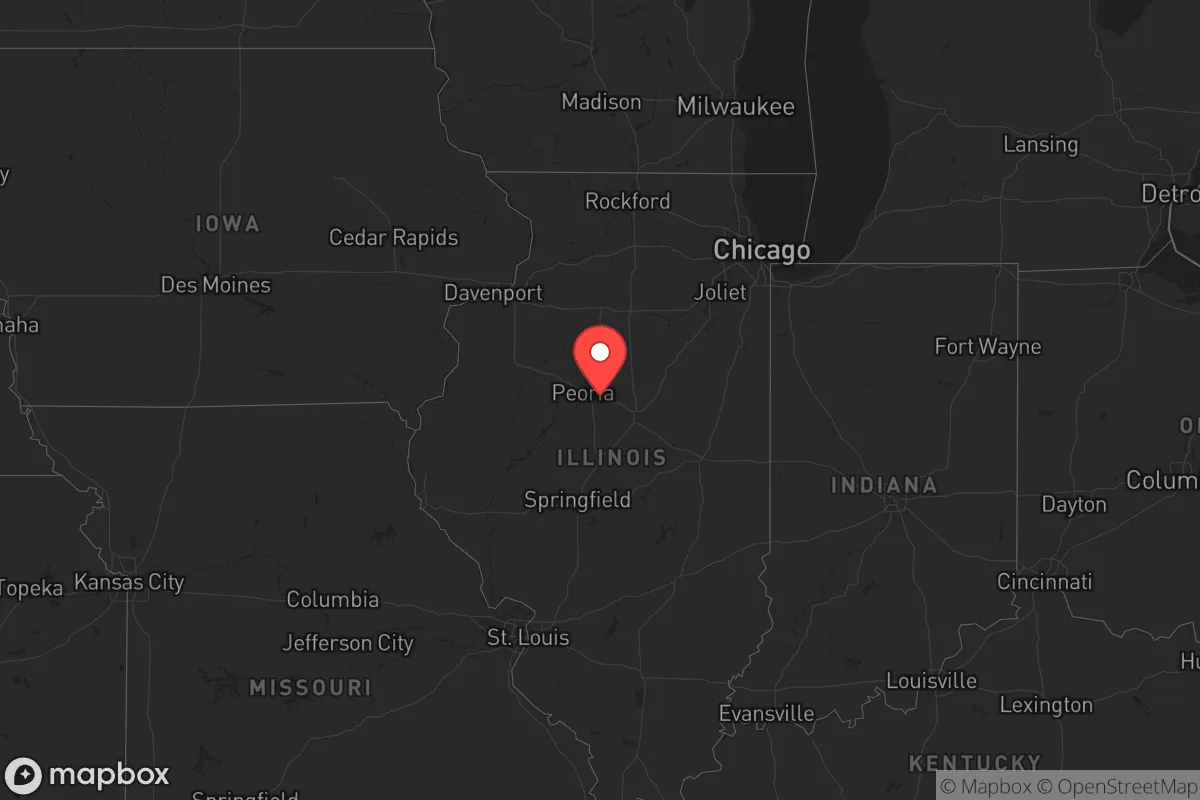
Photo: Wikipedia
Find The Best Places To Live
in Illinois
PRO TIP! You can paste a Zillow or Redfin link to get info on that property.
Best Places to Live in Illinois





Cities in Illinois
Largest Cities in Illinois
What It's Like Living in Illinois
Living in Illinois means straddling two very different worlds. In Chicago, you get the fast-paced, big-city energy of a global hub, while the rest of the state—from the college towns of Champaign-Urbana to the Mississippi River communities like Quincy and the southern reaches of Carbondale—moves at a slower, more neighborly pace. It’s a state of stark contrasts, where a Friday night might mean a Cubs game at Wrigley Field or a high school football game under the lights in a town like Naperville or Edwardsville.
Daily Rhythm: From the L Train to the Cornfield
Daily life in Illinois depends heavily on where you land. In Chicago and its inner-ring suburbs like Oak Park or Evanston, the rhythm is dictated by the CTA train schedule, the rush of the Kennedy Expressway, and the constant hum of restaurants and nightlife. Commuters here face an average travel time of about 28 minutes, which can feel longer during a winter snowstorm. In contrast, a town like Bloomington-Normal or Peoria offers a more predictable day: a short drive to work, a stop at a local diner, and weekends spent at a park or a community festival. The median age in Illinois is 38.9, reflecting a mix of young professionals drawn to Chicago’s job market and families settling in suburbs like Schaumburg or Arlington Heights for the school systems.
Where you shop and eat also varies. Chicago has its iconic deep-dish at places like Lou Malnati’s, but downstate, you’ll find a different food culture—think horseshoe sandwiches in Springfield or fried catfish in the Shawnee National Forest region. Grocery shopping is often a choice between national chains and local co-ops, with a strong presence of Jewel-Osco and Mariano’s in the north, and Schnucks and Hy-Vee dominating the central and southern parts of the state.
Sports & Community: More Than Just the Cubs and Bears
Sports are a unifying force, but the intensity varies. Chicago’s pro teams—the Cubs, White Sox, Bears, Bulls, and Blackhawks—are a way of life. A summer day at Wrigley Field is a ritual for many, and the rivalry between Cubs and Sox fans is a genuine cultural divide. But outside of Cook County, high school and college sports take center stage. Friday-night football in towns like Mount Carmel or Rochester draws the whole community. The University of Illinois Fighting Illini in Champaign-Urbana are a big deal for the central part of the state, while Southern Illinois University Salukis in Carbondale have a loyal following. For many families, the local high school basketball or football game is the weekend highlight, and the quality of these programs often influences where parents choose to buy a home.
What’s There to Do: Festivals, Outdoors, and Quirky Traditions
Illinois offers a surprising range of entertainment beyond the Chicago skyline. The state is home to the Shawnee National Forest in the south, where hiking and camping at spots like Garden of the Gods are popular. In the summer, the Illinois State Fair in Springfield is a classic draw, alongside countless county fairs and small-town festivals like the Apple Festival in Murphysboro or the Sweet Corn Festival in Hoopeston. Chicago’s museum campus—the Field Museum, Shedd Aquarium, and Art Institute—is world-class, but downstate, you’ll find gems like the Abraham Lincoln Presidential Library and Museum in Springfield. A notable cultural quirk: Illinoisans take their state fair seriously, and the debate over the best pork chop on a stick is a real conversation starter.
For nightlife, Chicago’s neighborhoods offer everything from jazz clubs in Uptown to dive bars in Logan Square. In college towns like Champaign, the bar scene centers around Campustown, while in smaller cities like Decatur or Rockford, the social scene often revolves around a local brewery or a bowling alley. The state also has a strong tradition of community theater and live music, with venues like the Metro in Chicago and the Canopy Club in Urbana hosting national acts.
Pros and Cons of Living Here
Longtime residents love the variety—you can have the energy of a global city and the peace of a rural farm town within a few hours’ drive. The cost of living index sits at 99, right at the national average, which means housing is relatively affordable outside of Chicago. The median home value is $250,500, and with a median household income of $81,702, many families find they can buy a solid home in a good school district. The state’s 37.2% college-educated population supports a skilled workforce, especially in fields like healthcare, finance, and agriculture.
What frustrates people? The weather is a common complaint—winters can be brutal, with lake-effect snow piling up in the Chicago area and icy conditions hitting the rest of the state. The violent crime rate of 225.9 per 100,000 is a concern, particularly in certain Chicago neighborhoods, though most suburbs and rural areas are very safe. Property taxes are another sore spot; Illinois has some of the highest in the nation, which can eat into the benefit of a lower home price. Traffic on the Kennedy and Dan Ryan expressways is a daily grind for commuters, and the state’s political gridlock in Springfield often frustrates residents across the political spectrum.
Ultimately, Illinois is a state for people who want options. It suits the young professional who craves a city career, the parent who wants a strong school system in a place like Naperville or O’Fallon, and the retiree who prefers the quiet of a small town like Galena. It’s not for everyone—the taxes and weather will test your patience—but for those who stay, the blend of culture, community, and opportunity is hard to beat.

* Values derived from national, state, county, city and local statistics and may differ in a specific area. Last updated: 2026-04-18T22:23:28.000Z
Narrative content on this page is AI-generated and may contain mistakes. Verify any details that matter before acting on them.
ReloMaps may earn a commission from affiliate links at no extra cost to you.

