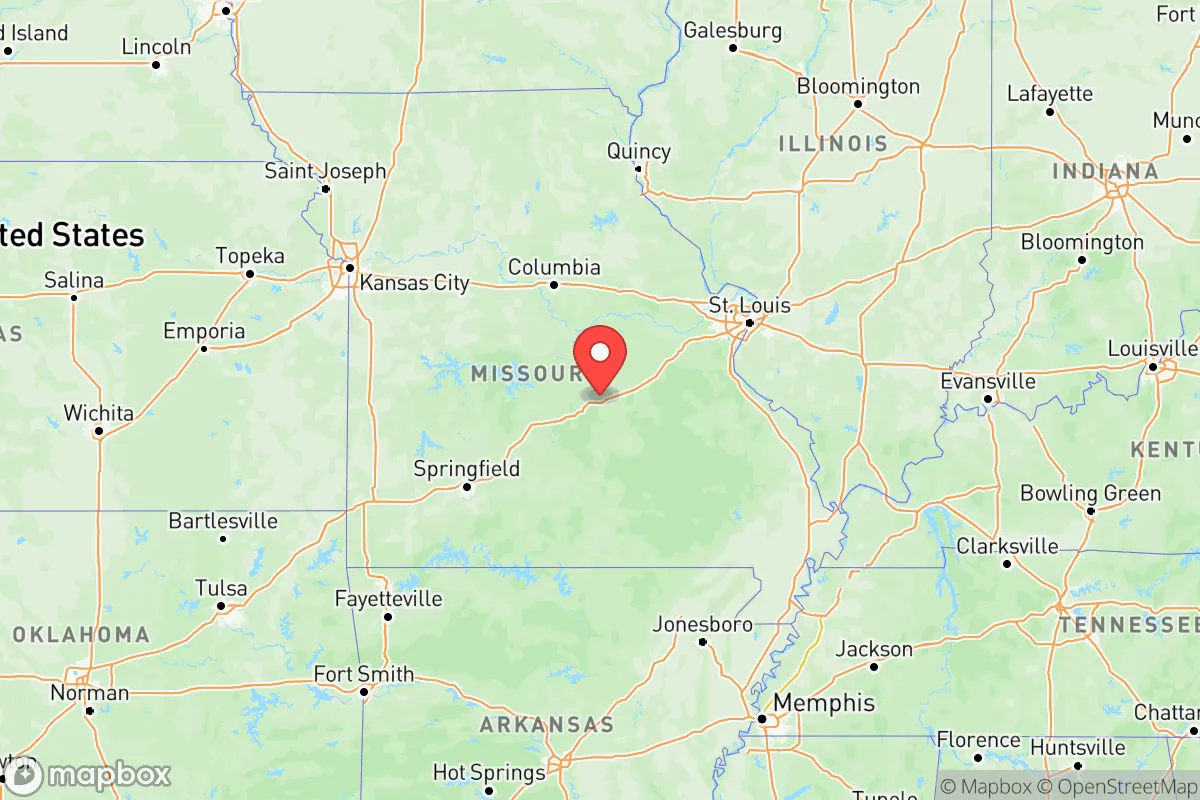
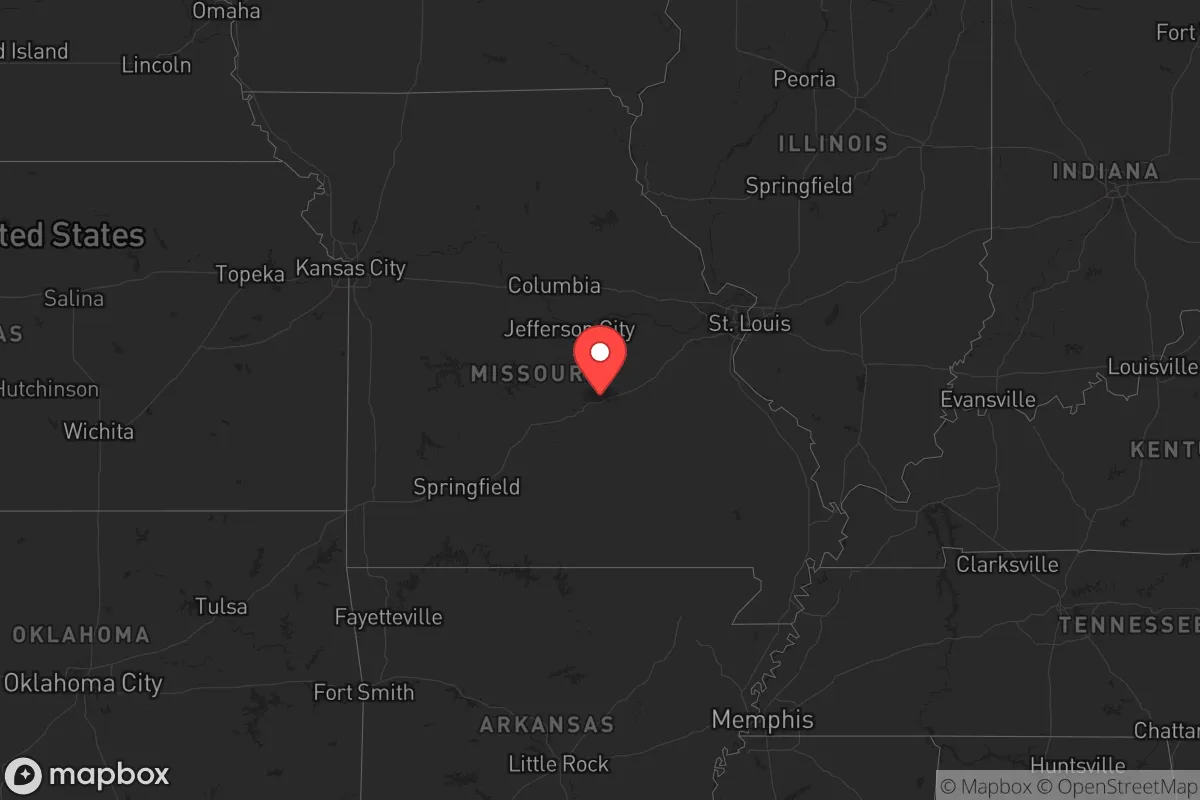
Photo: Wikipedia
Find The Best Places To Live
in Missouri
PRO TIP! You can paste a Zillow or Redfin link to get info on that property.
Best Places to Live in Missouri
Cities in Missouri
Largest Cities in Missouri
What It's Like Living in Missouri
Missouri is a state of two distinct personalities, where the urban energy of Kansas City and St. Louis meets the quiet, rolling fields of the Ozarks and the Bootheel. Living here means choosing your flavor—whether that’s the barbecue-and-jazz rhythm of Kansas City, the historic brick streets of St. Charles, or the college-town buzz of Columbia. It’s a place where a 23-minute average commute is the norm, and where the cost of living index sits at 82, making a median home value of $215,600 feel attainable for many families and single professionals alike.
Daily Rhythm: City Lights and Small-Town Mornings
Daily life in Missouri varies dramatically depending on where you land. In Kansas City, mornings often start with a stop at a local roaster like Thou Mayest in the Crossroads Arts District, followed by a commute that rarely tops 25 minutes. St. Louis residents might grab a gooey butter cake from a bakery in The Hill before heading to work in Clayton or downtown. In Springfield or Joplin, life moves slower—weekends are for floating the Current River or catching a show at the Gillioz Theatre. The state’s median age of 38.9 reflects a mix of young families in suburbs like Lee’s Summit and retirees in lake towns like Lake Ozark. The kind of person who fits here values space and affordability: a single professional can rent a one-bedroom in Kansas City for under $1,200, while a family can buy a 3-bedroom in St. Peters for around $250,000.
Grocery shopping leans heavily on chains like Schnucks and Hy-Vee, but farmers’ markets thrive—the City Market in Kansas City is one of the oldest and largest in the region. For nightlife, St. Louis’s Delmar Loop offers live music and dive bars, while Kansas City’s Power & Light District draws crowds for Chiefs games. In smaller towns like Sedalia or Warrensburg, the social hub is often the high school football game or the local diner. The state’s 31.9% college-educated rate means you’ll find a mix of tradespeople and white-collar workers, with major employers like Cerner (now Oracle Health) in Kansas City and BJC HealthCare in St. Louis driving the economy.
Sports & Community: From Friday Night Lights to World Series Glory
Sports are a religion here, and they unite the state in ways little else does. The Kansas City Chiefs and St. Louis Cardinals are the undisputed kings—you’ll see Chiefs flags flying from pickup trucks in rural Harrisonville and Cardinals caps on heads in downtown St. Louis. High school football is massive in places like Blue Springs and Rockhurst, where Friday-night crowds can rival small college games. College sports are dominated by the University of Missouri Tigers in Columbia, but don’t overlook the Missouri State Bears in Springfield or the Division III powerhouses like Washington University in St. Louis. The St. Louis Blues (NHL) and Sporting Kansas City (MLS) round out the pro scene, and both have passionate, loyal followings. If you’re not into sports, you’ll still feel the energy during playoff runs—it’s a shared identity that cuts across income levels and political divides.
Beyond the stadiums, community life revolves around festivals. The Missouri State Fair in Sedalia draws over 300,000 visitors each August, while St. Louis’s Fair St. Louis on the Fourth of July is a massive riverfront celebration. In Kansas City, the American Royal barbecue competition and the Plaza Art Fair are annual rituals. For outdoor enthusiasts, the Ozark National Scenic Riverways offer canoeing and hiking, and the Katy Trail—a 240-mile rails-to-trails path—stretches from Clinton to St. Charles, perfect for weekend cyclists. The state’s violent crime rate of 413.1 per 100K is a real concern, particularly in parts of St. Louis and Kansas City, but most suburban and rural areas feel safe, and property crime trends have been stable since 2020.
Pros and Cons of Living Here
What locals love: The cost of living is the biggest draw—your dollar goes further here than in nearly any other state. The median income of $68,920 supports a comfortable lifestyle, and housing is genuinely affordable. The food scene is underrated: Kansas City barbecue (Joe’s KC, Arthur Bryant’s) and St. Louis toasted ravioli are iconic. The weather gives you four distinct seasons, with mild springs and crisp autumns perfect for outdoor activities. The people are generally friendly and down-to-earth, with a strong sense of local pride.
What frustrates residents: The humidity in summer can be brutal, especially in the Bootheel near Cape Girardeau. Winter ice storms occasionally shut down highways, and tornado season (March-May) is a genuine concern—especially in the western part of the state. The political divide between urban and rural areas is stark: St. Louis and Kansas City lean blue, while the rest of the state votes red, leading to culture clashes on issues like gun laws and education funding. Schools are highly localized—top districts like Ladue and Parkway in St. Louis County are excellent, but rural schools often struggle with funding. Traffic is rarely a problem outside of rush hour on I-70 through Columbia or I-435 in Kansas City, but the 23-minute average commute is a welcome reality.
One cultural quirk: Missourians are fiercely loyal to their local beer. St. Louis has Anheuser-Busch, but craft breweries like Boulevard in Kansas City and 4 Hands in St. Louis have huge followings. You’ll also notice a strong sense of place—people identify as “from Kansas City” or “from the Ozarks” before they say “Missourian.” The state’s identity is less about a single label and more about the specific community you choose. For a single person or a family looking for affordability, space, and a slower pace without sacrificing city amenities, Missouri offers a genuine, no-nonsense lifestyle that’s hard to beat.

* Values derived from national, state, county, city and local statistics and may differ in a specific area. Last updated: 2026-04-18T23:36:58.000Z
Narrative content on this page is AI-generated and may contain mistakes. Verify any details that matter before acting on them.
ReloMaps may earn a commission from affiliate links at no extra cost to you.

