Photo: Wikipedia
Find The Best Places To Live
in California
PRO TIP! You can paste a Zillow or Redfin link to get info on that property.
Best Places to Live in California

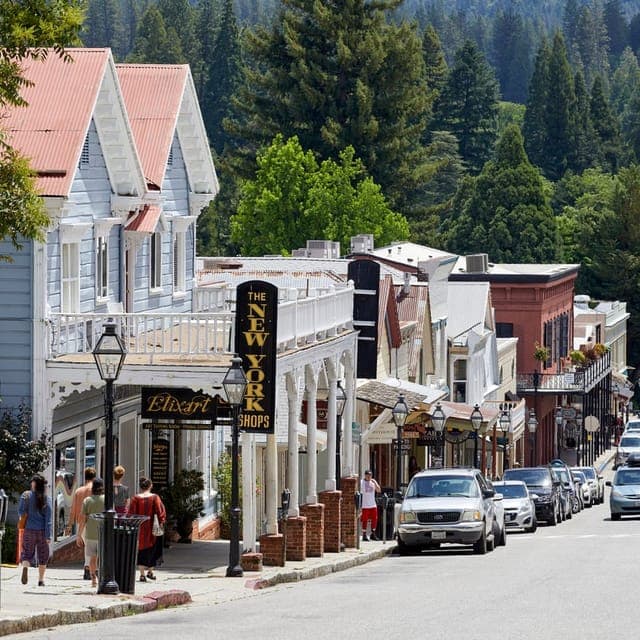
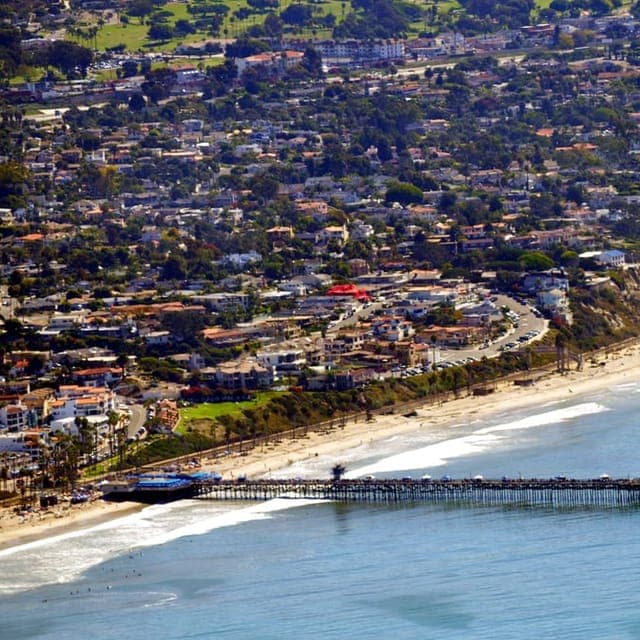

Cities in California
Largest Cities in California
What It's Like Living in California
Living in California means signing up for a life of stark contrasts, where the tech-fueled energy of San Francisco and the Hollywood glow of Los Angeles sit a world away from the almond orchards of the Central Valley and the high desert quiet of places like Ridgecrest. It’s a state where you can surf in the morning and ski in the afternoon, but also where a median home value of $695,400 forces hard choices about where you can afford to put down roots. For a conservative-leaning individual or family, the experience varies wildly depending on whether you’re in a coastal urban center or an inland community like Bakersfield or Temecula.
Daily Rhythm: From Silicon Valley Commutes to Central Valley Weekends
Daily life in California is shaped by geography and economics. In the Bay Area, the average commute of nearly 29 minutes feels longer when you’re crawling across the San Mateo Bridge or sitting on the 101 through Palo Alto. Many families in the suburbs of San Jose or Fremont trade a longer drive for better schools, while workers priced out of coastal cities have pushed east to places like Stockton or Antelope Valley, where a dollar stretches further but the commute to job centers can top an hour. In contrast, life in a town like Redding or Chico moves at a slower pace—weekends are spent on the Sacramento River or hiking in Lassen National Park, not navigating traffic to a farmers market.
What people actually do on a Saturday varies by region. In Orange County, it’s a trip to the beach at Huntington or a day at Disneyland. In the Central Valley, it’s a high school football game in Clovis or a barbecue at a friend’s ranch. The state’s median age of 37.6 means a mix of young professionals and established families, but the high cost of living—indexed at 200, double the national average—means many households rely on dual incomes. The median income of $96,334 sounds solid until you realize that a modest home in many coastal areas costs over $800,000, pushing families toward inland cities like Murrieta or Victorville for more space.
Sports, Community, and the Local Identity
Sports are a serious part of California’s identity, but the passion is hyper-local. In Los Angeles, the Dodgers and Lakers dominate conversations, while in the Bay Area, the 49ers and Warriors are religion. But for many conservative families, the real action is at the high school and college level. Friday-night football in Concord or Corona draws crowds that rival small-town Texas, and the rivalry between Fresno State and San Diego State packs stadiums. In rural areas like Yuba City, the local rodeo or a youth soccer tournament is the weekend highlight, not a pro game. The state’s cultural quirks include a fierce pride in local agriculture—the “Farm to Fork” movement is real in Sacramento—and a love for outdoor festivals, from the California State Fair to the Coachella Valley Music and Arts Festival, which draws a younger, more liberal crowd but still anchors the desert economy.
For families, schools are a major factor in choosing a community. The state’s college-educated rate of 36.5% is slightly above the national average, but school quality varies dramatically. Wealthy suburbs like Danville or Irvine have top-tier public schools, while rural districts in the Imperial Valley struggle with funding. Many conservative parents gravitate toward charter schools or homeschooling networks, especially in areas like Placer County or San Diego’s East County, where community values align more closely with traditional family structures.
What’s There to Do: Outdoor Play and Honest Trade-Offs
California’s biggest draw is its geography. You can ski at Mammoth Lakes in the morning and hike in Joshua Tree by evening. The state’s parks—Yosemite, Sequoia, and the redwood forests—are world-class, and for families, a weekend camping trip to Big Bear or Lake Tahoe is a rite of passage. But the trade-offs are real. The violent crime rate of 434.5 per 100,000 is higher than the national average, and while most of that is concentrated in specific urban neighborhoods, it’s a concern for families looking at Oakland or parts of Los Angeles. Traffic is a universal frustration, even in smaller cities like Santa Rosa or Palm Springs, where seasonal tourism clogs roads.
Longtime residents love the diversity of experiences—you can eat world-class tacos in San Diego, visit a working cattle ranch in Hollister, or watch the sunset over the Pacific in Santa Cruz—but they’re frustrated by the cost of living, the state’s complex tax structure, and the difficulty of finding affordable housing. For a conservative-leaning family, the appeal often lies in the inland and rural areas: Temecula offers a wine-country vibe with a family-friendly atmosphere, Bakersfield has a strong oil-and-agriculture economy, and Redlands provides a small-town feel with access to the Inland Empire’s job market. The kind of person who fits in here is someone who values opportunity and variety over predictability, and who’s willing to navigate the state’s high costs and political divides for the chance to live in a place that truly has it all—if you can afford it.

* Values derived from national, state, county, city and local statistics and may differ in a specific area. Last updated: 2026-08-03T15:48:32.000Z
Narrative content on this page is AI-generated and may contain mistakes. Verify any details that matter before acting on them.
ReloMaps may earn a commission from affiliate links at no extra cost to you.

