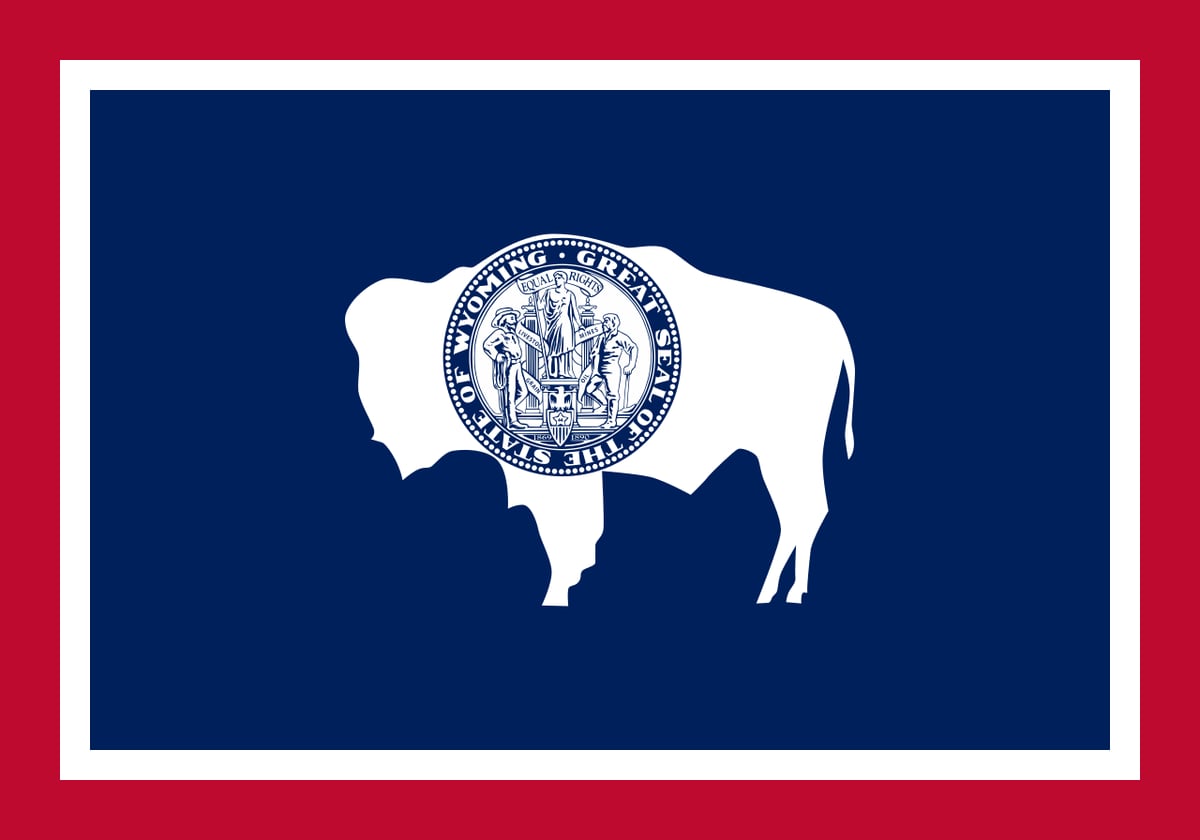
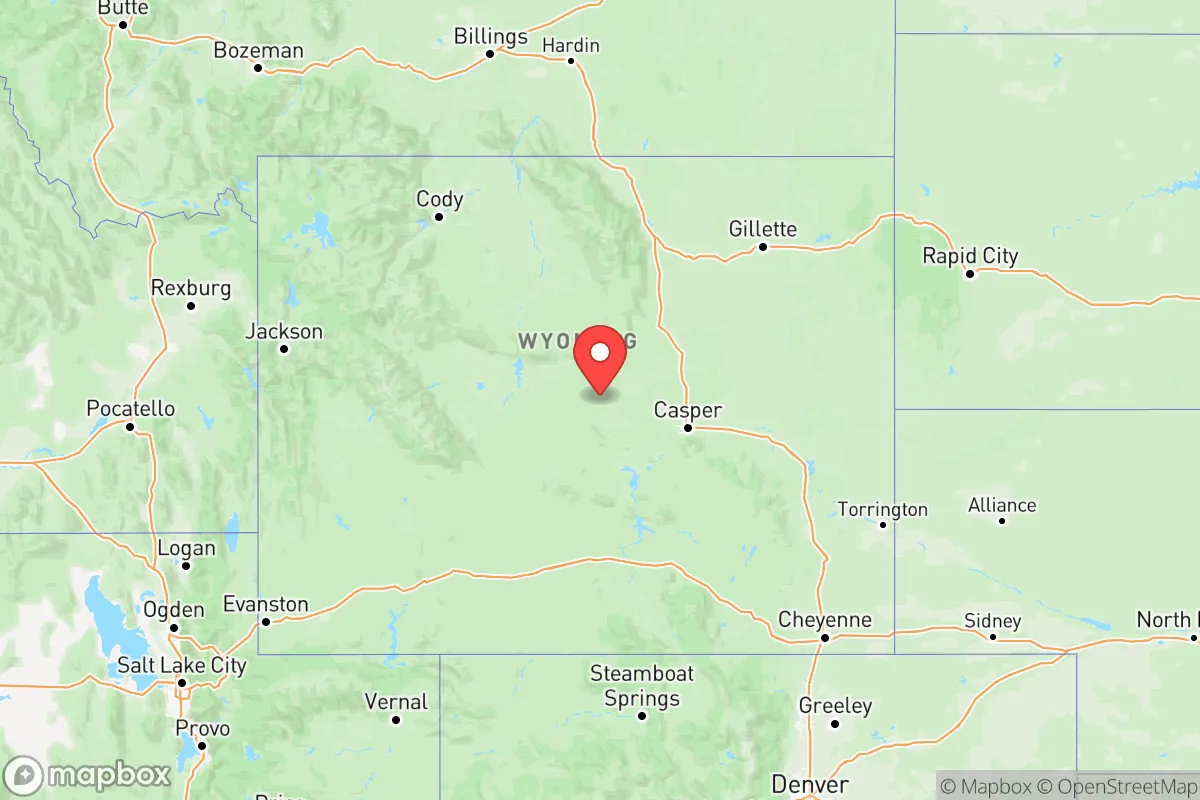
Photo: Wikipedia
Find The Best Places To Live
in Wyoming
PRO TIP! You can paste a Zillow or Redfin link to get info on that property.
Best Places to Live in Wyoming
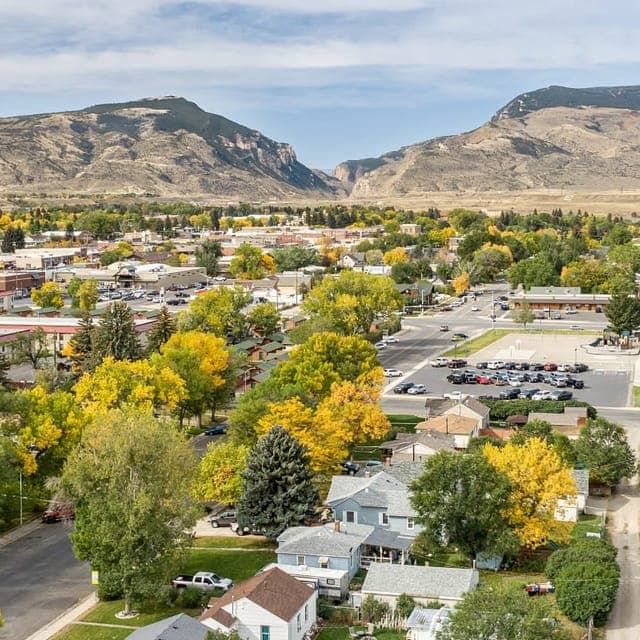
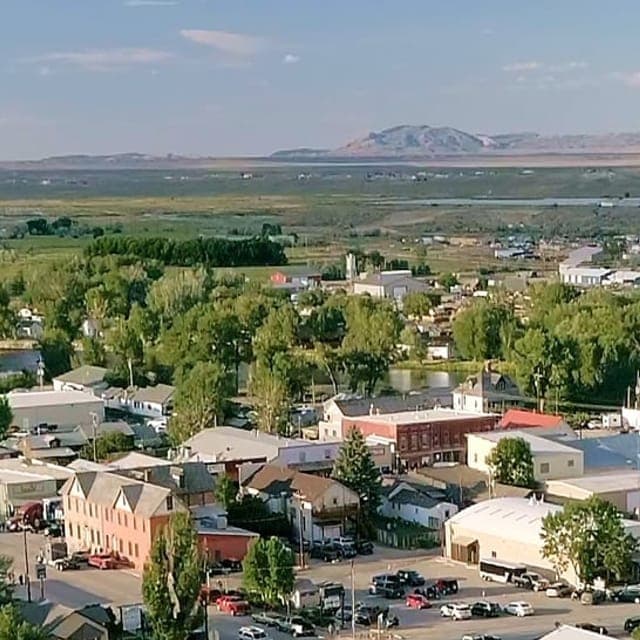
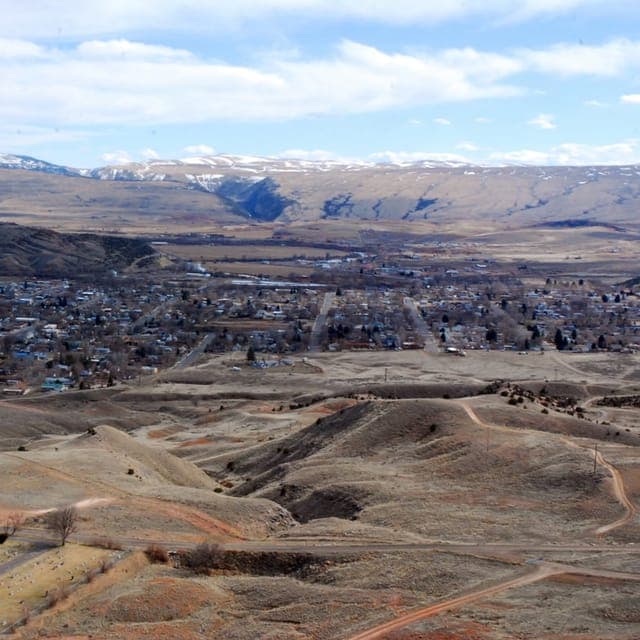
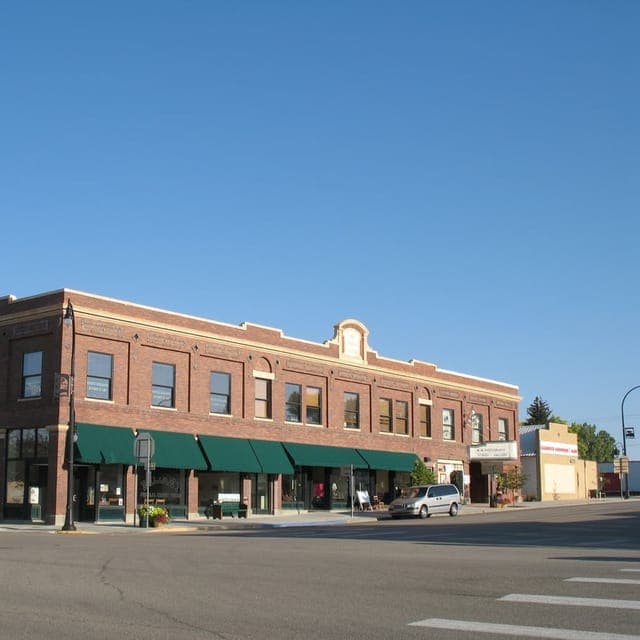
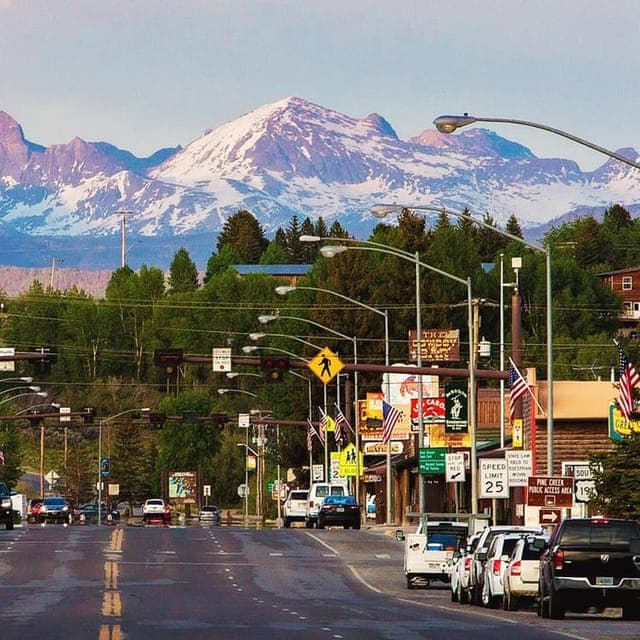
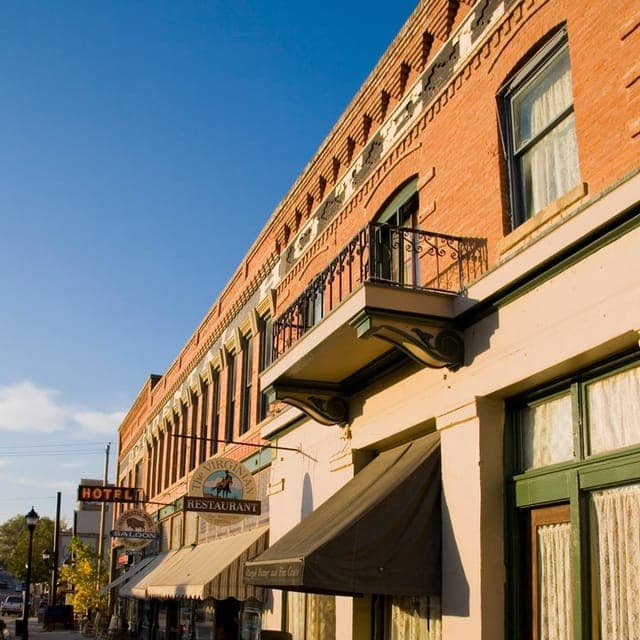
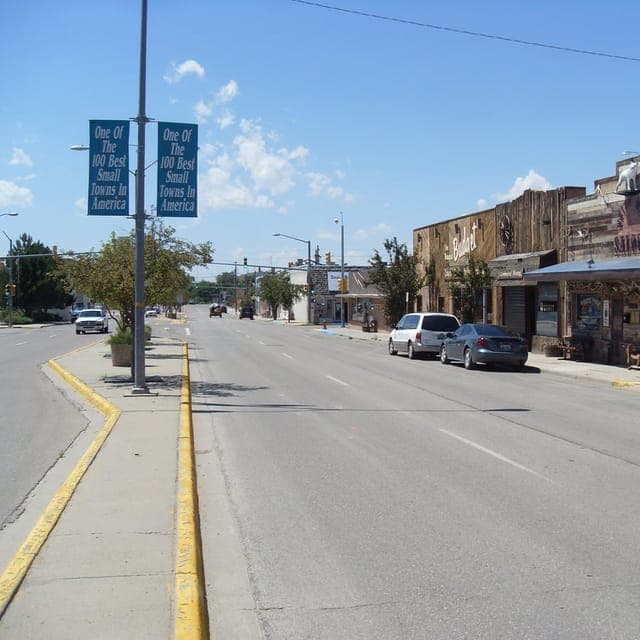
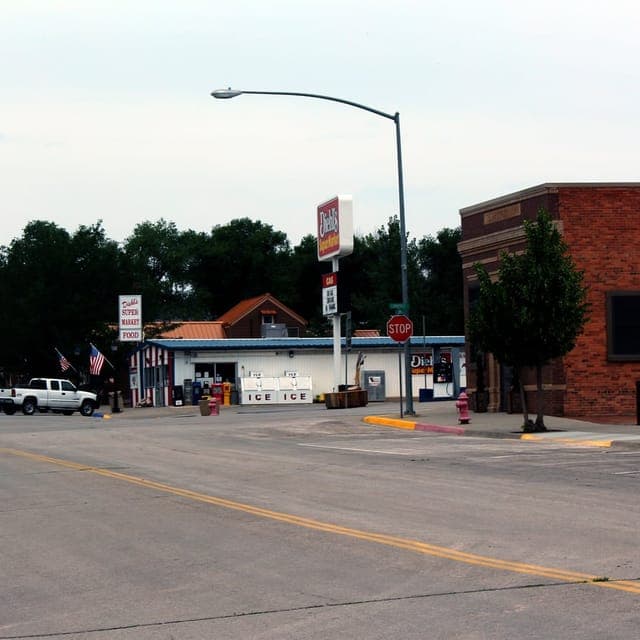
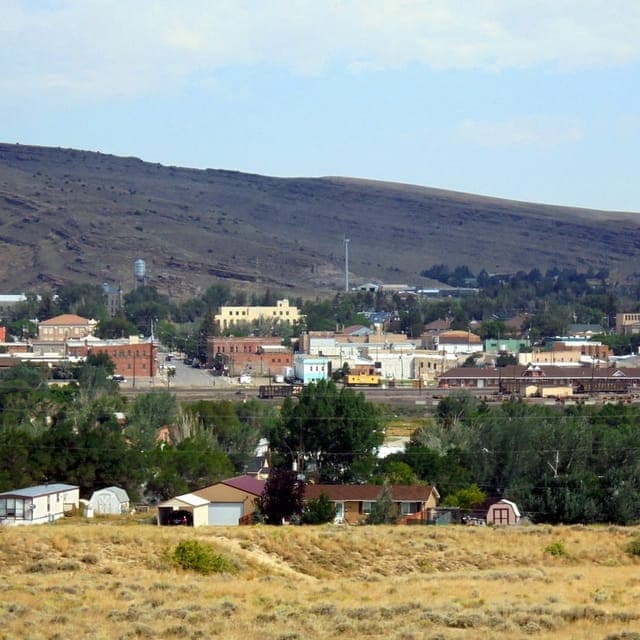
Cities in Wyoming
Largest Cities in Wyoming
What It's Like Living in Wyoming
Living in Wyoming means trading the constant hum of city life for a landscape that demands your attention—big skies, open roads, and a quiet that can feel either peaceful or isolating depending on the day. The state’s roughly 580,000 residents are spread thin across 97,000 square miles, so daily life in Cheyenne or Casper feels fundamentally different from what you’d find in a place like Laramie or the small town of Pinedale. It’s a place where self-reliance is a practical necessity, not just a cultural value, and where the weather and the seasons dictate the rhythm of everything.
The Daily Rhythm: From Cheyenne to the Open Range
For most people, a typical day in Wyoming involves a short commute—the state average is just over 18 minutes—which leaves more time for the things that actually matter. In Cheyenne, the state’s largest city, you’ll find a working government town with a solid base of state employees and a growing number of remote workers drawn by the low cost of living. The median home value sits around $285,100, and with a cost of living index of 90, housing is significantly more affordable than the national average. In contrast, a town like Jackson is a different universe entirely, where tourism and second-home buyers have pushed prices far beyond what most locals can afford, creating a stark divide between service workers and wealthy transplants. Grocery shopping in Cheyenne means hitting the local Albertsons or the co-op, while in smaller towns like Lander or Pinedale, the weekly trip to the market is also a social event—you’ll run into neighbors and catch up on local news.
Weekends are built around the outdoors. In summer, you’ll find families camping in the Bighorn Mountains, fishing the North Platte River near Casper, or hiking in the Wind River Range. Winter shifts the focus to skiing at Jackson Hole Mountain Resort or snowmobiling in the Snowy Range near Laramie. The weather is a constant factor—winters are long and cold, with January highs often below freezing, and summers are short but intense, with wildfire smoke becoming a more frequent concern in recent years. The kind of person who thrives here is someone who doesn’t mind planning their life around the forecast and who finds satisfaction in a quiet evening at home rather than a packed nightlife scene.
Sports, Community, and What People Actually Do for Fun
Wyoming doesn’t have any major professional sports teams, but that doesn’t mean sports are unimportant. High school football and basketball are a big deal, especially in towns like Gillette and Rock Springs, where Friday-night games draw the whole community. The University of Wyoming Cowboys in Laramie are the closest thing to a statewide team, and their football and basketball games bring in fans from across the state, especially for the Border War against Colorado State. For a more niche experience, the Cheyenne Frontier Days rodeo in July is a massive event—it’s the world’s largest outdoor rodeo and a genuine cultural institution that draws tens of thousands of visitors each year.
Beyond sports, entertainment is more about experiences than venues. You’ll find live music at the historic WYO Theater in Sheridan or the Cheyenne Civic Center, and craft breweries like Melvin Brewing in Alpine and Black Tooth Brewing in Sheridan have become popular gathering spots. The state’s cultural quirks are tied to its Western heritage—you’ll see more cowboy hats and pickup trucks than anywhere else, and the annual Wyoming State Fair in Douglas is a genuine community event, not a tourist trap. For families, the schools often serve as the social hub, with parent-teacher organizations and school sports creating the kind of tight-knit community that’s hard to find in larger states.
The Real Trade-Offs: What Longtime Residents Love and What Frustrates Them
The biggest draw of living in Wyoming is the freedom and space. You can own land, hunt on public ground, and raise a family without the constant pressure of urban sprawl. The violent crime rate is 171.9 per 100,000, which is below the national average, and most people feel safe leaving their doors unlocked in smaller towns. The median household income of $74,815 is decent, especially when paired with the low cost of housing, and the state’s lack of an income tax is a real financial benefit. But the trade-offs are significant. The job market is limited—energy, agriculture, and government dominate, and about 29.9% of adults hold a college degree, which is below the national average. For anyone in tech, finance, or specialized professional services, remote work is often the only option, and the internet infrastructure in rural areas can be frustratingly slow.
Healthcare is another real concern. Specialized medical care often requires a drive to Denver or Salt Lake City, and the state’s rural hospitals struggle with staffing shortages. The median age of 38.8 reflects a population that skews older in rural areas, while towns like Laramie and Lander attract a younger, more outdoorsy crowd. The isolation can wear on people—winters are long, and the nearest major city is hours away. For families, the schools are generally good in wealthier districts like Teton County, but rural schools face funding challenges and limited extracurricular options. The people who stay are the ones who value quiet, self-sufficiency, and the kind of deep community ties that only form when you’re a long way from anywhere else.

* Values derived from national, state, county, city and local statistics and may differ in a specific area. Last updated: 2026-07-03T22:49:26.000Z
Narrative content on this page is AI-generated and may contain mistakes. Verify any details that matter before acting on them.
ReloMaps may earn a commission from affiliate links at no extra cost to you.

