
Photo: Wikipedia
Find The Best Places To Live
in Alaska
PRO TIP! You can paste a Zillow or Redfin link to get info on that property.
Best Places to Live in Alaska
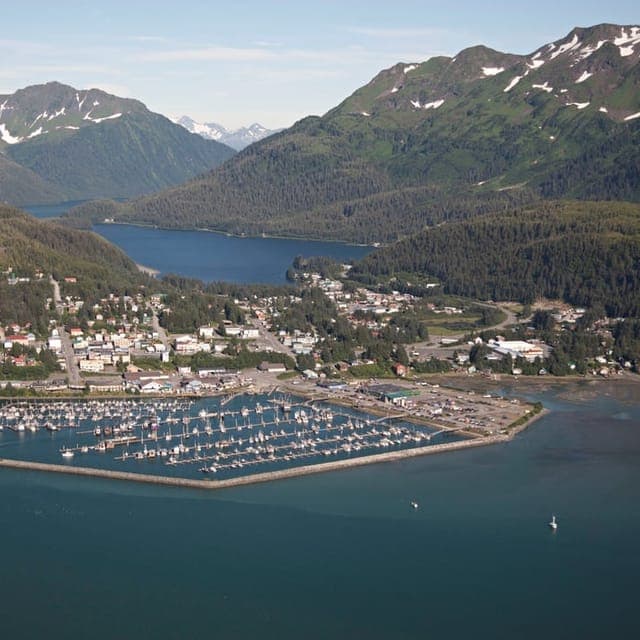
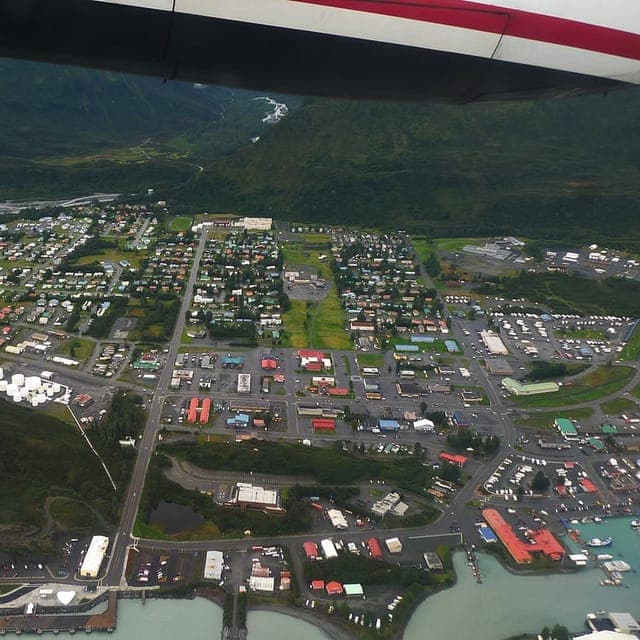
Cities in Alaska
Largest Cities in Alaska
What It's Like Living in Alaska
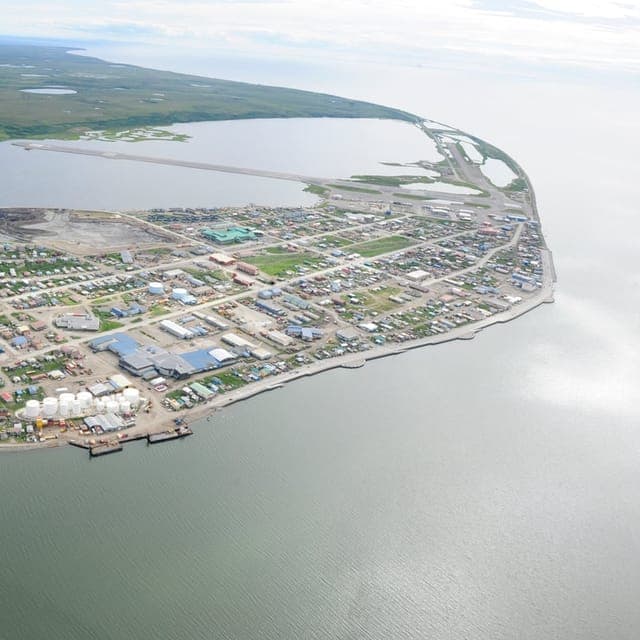
Living in Alaska is a trade-off most Americans never seriously consider, trading convenience for a kind of raw, daily adventure that reshapes how you see the world. The state’s roughly 734,000 residents are spread across a landmass larger than Texas, creating two distinct Alaskas: the road-connected urban hubs like Anchorage, Fairbanks, and Juneau, and the bush communities like Nome, Bethel, and Utqiaġvik that are only reachable by plane or boat. Whether you’re a single oil-field worker in Prudhoe Bay or a family raising kids in the Mat-Su Valley, life here demands a level of self-reliance and tolerance for extremes that filters out people who need constant Amazon Prime delivery or 75-degree weather.
The Daily Rhythm: From Anchorage Coffee Shops to Bush Plane Commutes
Daily life in Alaska splits sharply between the urban corridor and everywhere else. In Anchorage, home to about 40% of the state’s population, people start their mornings at places like Moose’s Tooth Pub and Pizzeria or Steamdot Coffee before commuting an average of just 19 minutes to work — one of the shortest average commutes in the nation. That short drive is a genuine quality-of-life perk, especially compared to gridlock in the Lower 48. In Fairbanks, winter mornings mean plugging in your car’s engine block heater if you want it to start when the thermometer reads -30°F. In rural villages like Kotzebue or Dillingham, daily life revolves around subsistence hunting and fishing, with families stocking freezers with moose, salmon, and caribou because a gallon of milk can cost $10. The median household income of $89,336 helps offset some of the state’s high cost of living (index 119), but that number masks the reality that many rural residents live far below that figure while urban professionals in Anchorage’s oil and healthcare sectors earn well above it.
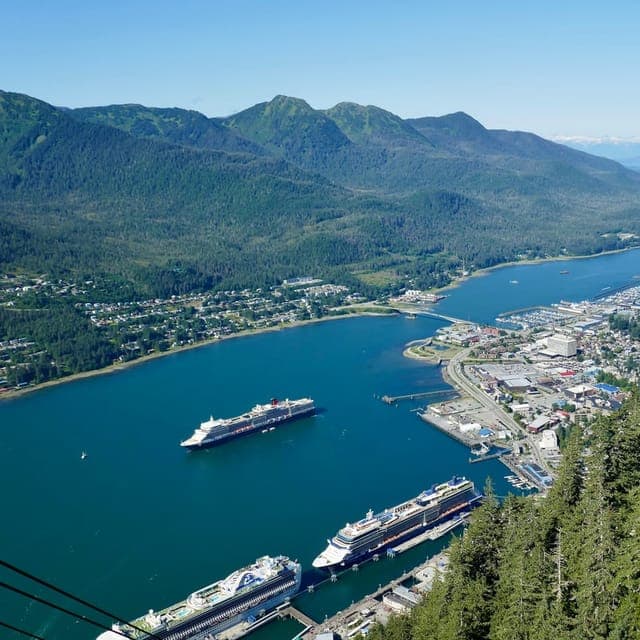
Weekends look completely different depending on where you are. Anchorage families hit the Tony Knowles Coastal Trail for bike rides, or drive an hour south to Girdwood for skiing at Alyeska Resort. In the Mat-Su Valley — the fastest-growing region in the state — weekends mean ATV rides on the Knik River sandbars or stocking up at the Palmer Friday Market. In Juneau, the capital city with no road connections to the rest of the state, residents rely on the Alaska Marine Highway ferry system or small planes for any trip beyond town limits. That isolation is a defining quirk: you can’t just drive to the next state over, and that changes how people plan everything from grocery runs to vacations.
Sports, Community, and the Stuff That Binds People Together
Sports in Alaska are less about packed stadiums and more about community identity and sheer survival skills. High school basketball is a huge deal in rural villages — the Native Youth Olympics in Anchorage draw hundreds of athletes competing in traditional games like the Eskimo stick pull and knuckle hop. In Fairbanks, the University of Alaska Nanooks hockey team fills the Carlson Center, and the annual Iditarod Trail Sled Dog Race starting in Willow is the state’s signature sporting event, drawing international attention. Anchorage’s Alaska Aces (ECHL hockey) were a beloved institution until the team folded in 2020, but the city still hosts the Tour of Anchorage cross-country ski race, which draws thousands of participants. For a state with no major professional sports teams, Alaskans are fiercely loyal to their local high school teams — the Wasilla Warriors and Colony Knights football games in the Mat-Su Valley pack bleachers on Friday nights in a way that feels more Texas than Alaska.
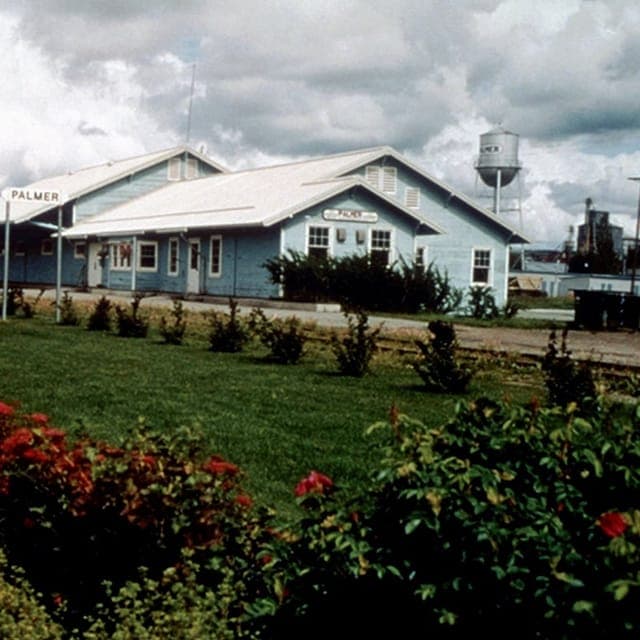
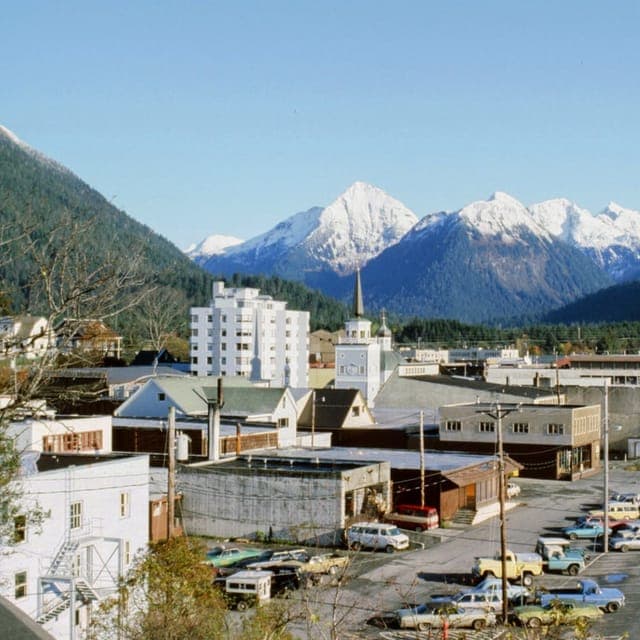
The cultural calendar is packed with events that reflect the state’s frontier character. The Alaska State Fair in Palmer each August draws over 300,000 people to see giant cabbages and ride carnival attractions. In Nome, the finish of the Iditarod turns the town into a party every March. Anchorage’s Fur Rendezvous Festival in February includes a snow sculpture competition, a grand parade, and the World Championship Sled Dog Races — it’s a genuine community institution that’s been running since 1935. For music, the Alaska Folk Festival in Juneau and the Sitka Summer Music Festival bring classical and folk acts to intimate venues. The kind of person who thrives here is someone who doesn’t need a nightclub on every corner — they’re content with a bonfire on the beach at Homer’s Bishop’s Beach or a sunset hike on Flattop Mountain.
Pros and Cons: What Longtime Residents Love and What Drives Them Crazy
- What residents love: The sheer access to wilderness — you can be fishing for salmon in Ship Creek right in downtown Anchorage, or see the Northern Lights from your backyard in Fairbanks. The Permanent Fund Dividend (PFD) check that arrives each fall, typically $1,000-$2,000 per person, is a genuine financial boost that families rely on. The short commutes, the lack of state income tax, and the sense that you’re part of a community where people actually help each other when the snow piles up or the power goes out.
- What frustrates them: The violent crime rate of 726.6 per 100,000 is nearly double the national average, concentrated heavily in Anchorage and Fairbanks — property crime and vehicle theft are constant headaches in the urban core. The cost of living index at 119 means everything from groceries to home heating oil costs more, even though the median home value of $333,300 is surprisingly reasonable for a state with this much land. The seasonal darkness in winter (Fairbanks gets just 3-4 hours of daylight in December) causes real seasonal affective disorder for many. And the isolation — flights to Seattle from Anchorage are expensive, and if you live in rural Alaska, a medical emergency often means a medevac flight that can cost tens of thousands of dollars.
The median age of 35.6 is younger than the national average, reflecting the draw for single workers in oil, fishing, and military jobs (Joint Base Elmendorf-Richardson in Anchorage is a major employer). About 31.2% of adults hold a college degree, slightly below the national average, but that number is skewed by the many trade and vocational jobs that pay well without a four-year degree — commercial fishing, heavy equipment operation, and aviation mechanics are common career paths. For parents, schools in Anchorage and the Mat-Su Borough are generally solid, but rural village schools struggle with funding and teacher turnover. The kind of person who fits here is someone who values self-sufficiency over convenience, who doesn’t mind that a trip to Costco in Anchorage means stocking up for a month, and who sees a -40°F day as a challenge rather than a crisis. It’s not for everyone — and Alaskans are fine with that.

* Values derived from national, state, county, city and local statistics and may differ in a specific area. Last updated: 2026-04-18T22:14:51.000Z
Narrative content on this page is AI-generated and may contain mistakes. Verify any details that matter before acting on them.
ReloMaps may earn a commission from affiliate links at no extra cost to you.

