Photo: Wikipedia
Find The Best Places To Live
in Colorado
PRO TIP! You can paste a Zillow or Redfin link to get info on that property.
Best Places to Live in Colorado
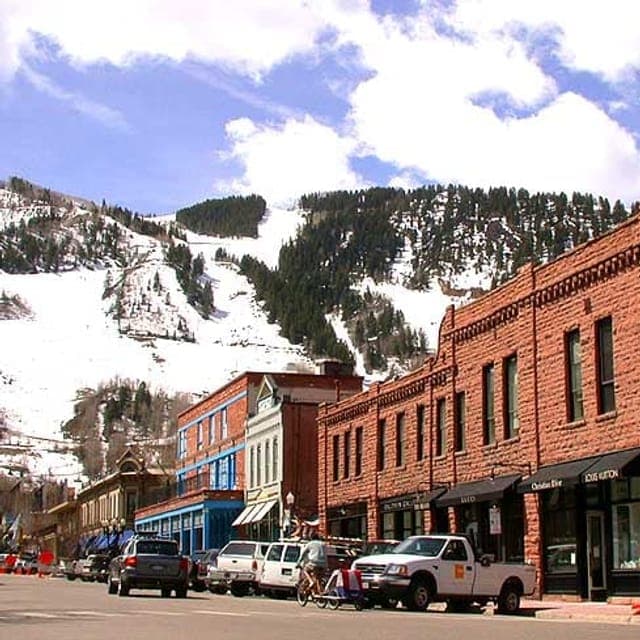
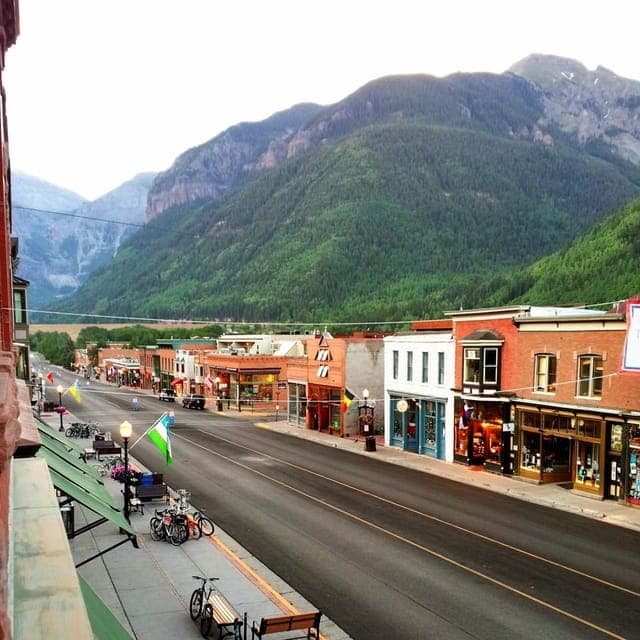
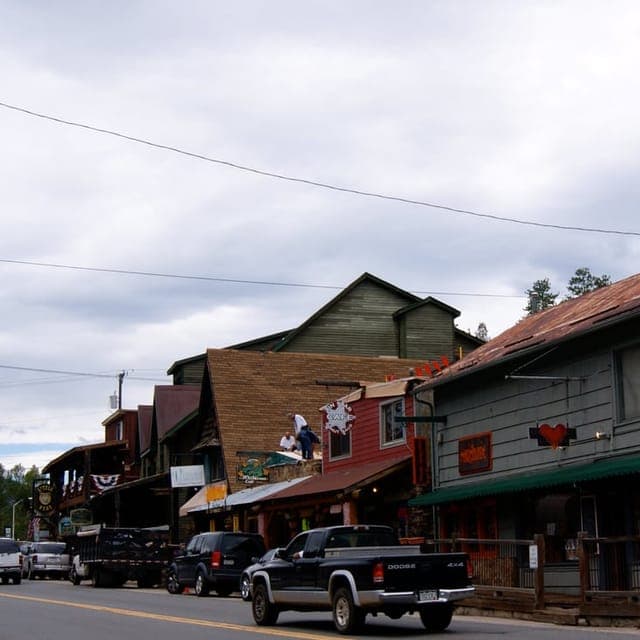
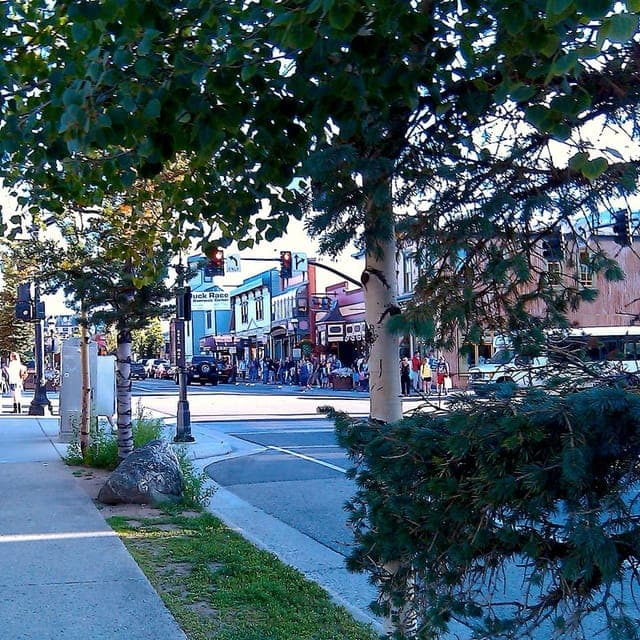
Cities in Colorado
Largest Cities in Colorado
What It's Like Living in Colorado
Living in Colorado means waking up to a view of the Front Range, deciding on a whim to hike a 14er, and accepting that the sun will shine 300 days a year—even when it’s 20 degrees outside. The state is a study in contrasts: Denver’s urban energy versus the quiet ranch towns of the Eastern Plains, Boulder’s academic vibe versus Colorado Springs’ military and conservative roots. Whether you’re a young professional in a LoDo apartment or a family raising kids in a suburban cul-de-sac in Highlands Ranch, the shared currency here is the outdoors.
Daily Rhythm: From Denver’s Commute to Western Slope Serenity
Daily life in Colorado varies dramatically by location. In the Denver metro area, the average commute clocks in at just over 25 minutes—manageable by national standards, though I-25 traffic between Castle Rock and downtown can test anyone’s patience. People in Colorado Springs or Fort Collins often trade a longer drive for more space, while those in Grand Junction enjoy a slower pace with the Colorado National Monument as their backyard. The state’s median age of 37.5 reflects a mix of young families and active retirees, and the median household income of $92,470 supports a lifestyle heavy on weekend gear purchases and dining out. Locals shop at REI like it’s a grocery store, and weekend mornings are spent at farmers’ markets in Boulder or brunch spots in Denver’s RiNo district.
For families, school districts often dictate where people settle. Douglas County schools are a major draw for parents moving to Lone Tree or Parker, while the Boulder Valley School District pulls in academics and tech workers. In rural areas like Durango or Salida, the school system is the heart of the community—Friday-night football games and school plays are the social calendar. The cost of living index sits at 159, meaning everyday expenses run well above the national average, especially for housing. That median home value of $502,200 feels like a bargain compared to coastal cities, but it’s a stretch for locals earning median wages, pushing many first-time buyers toward Greeley or Pueblo.
Sports & Community: Broncos, Buffs, and Friday-Night Lights
Colorado is a sports state, but the passion is split between pro teams and the outdoors. The Denver Broncos dominate the fall—game days at Empower Field at Mile High are a secular ritual, with tailgates starting at dawn. The Colorado Rockies draw crowds to Coors Field more for the beer and sunshine than the win-loss record, while the Denver Nuggets and Colorado Avalanche have built loyal followings since their championship runs. College sports are huge too: the University of Colorado Buffaloes in Boulder pack Folsom Field, and Colorado State University’s Rams in Fort Collins have a fierce rivalry that splits households. High school football is a big deal in towns like Valverde and Montrose, where the whole community shows up on Friday nights.
Beyond traditional sports, the state’s identity is tied to recreation. Skiing and snowboarding are almost a religion—locals hit Loveland Ski Area or Arapahoe Basin for early-season turns, while families flock to Breckenridge and Winter Park. In summer, rafting the Arkansas River through Salida or mountain biking in Fruita replaces the ski pass. The state’s 44.7% college-educated population means you’ll find a lot of transplants who moved here specifically for the lifestyle, creating a culture that’s welcoming but competitive—everyone seems to have a side hustle as a guide or a weekend cabin in the mountains.
What’s There to Do: Festivals, Breweries, and the Great Outdoors
Colorado’s entertainment scene is as varied as its geography. Denver’s Red Rocks Amphitheatre is a bucket-list venue—catching a concert there at sunrise during Film on the Rocks is a rite of passage. The state hosts major festivals like the Telluride Bluegrass Festival and the Great American Beer Festival in Denver, which draws 60,000 craft-beer fans. Local breweries are a point of pride: New Belgium in Fort Collins, Avery in Boulder, and dozens of microbreweries in every town from Durango to Longmont. For a quieter night, locals head to the Stanley Hotel in Estes Park for ghost tours or catch a show at the Buell Theatre in Denver.
Outdoor activities are the main event year-round. Hiking trails like the Manitou Incline near Colorado Springs or the Flatirons in Boulder are packed even on weekdays. In winter, ice climbing at Ouray’s Ice Park and snowshoeing in Rocky Mountain National Park replace the summer crowds. The state’s 300 days of sunshine mean you can ski in the morning and golf in the afternoon—a quirk that locals love to brag about. For families, the Denver Zoo and the Children’s Museum are staples, while the Garden of the Gods in Colorado Springs offers free, jaw-dropping scenery that never gets old.
Pros and Cons of Living Here
The upsides are obvious: unparalleled access to nature, a healthy and active culture, and a strong economy driven by tech, aerospace, and healthcare. The state’s violent crime rate of 428.1 per 100,000 is higher than the national average, but it’s concentrated in specific areas—most suburban and rural communities feel safe. The downsides include the high cost of living, especially housing, and the traffic that comes with a growing population. Longtime residents also complain about the influx of out-of-state buyers driving up prices and the dry climate that requires constant hydration. But for most, the trade-off is worth it: living in Colorado means trading a big yard for a ski pass, and that’s a deal they’ll take every time.

* Values derived from national, state, county, city and local statistics and may differ in a specific area. Last updated: 2026-08-03T16:05:48.000Z
Narrative content on this page is AI-generated and may contain mistakes. Verify any details that matter before acting on them.
ReloMaps may earn a commission from affiliate links at no extra cost to you.

