Photo: Wikipedia
Find The Best Places To Live
in New York
PRO TIP! You can paste a Zillow or Redfin link to get info on that property.
Best Places to Live in New York
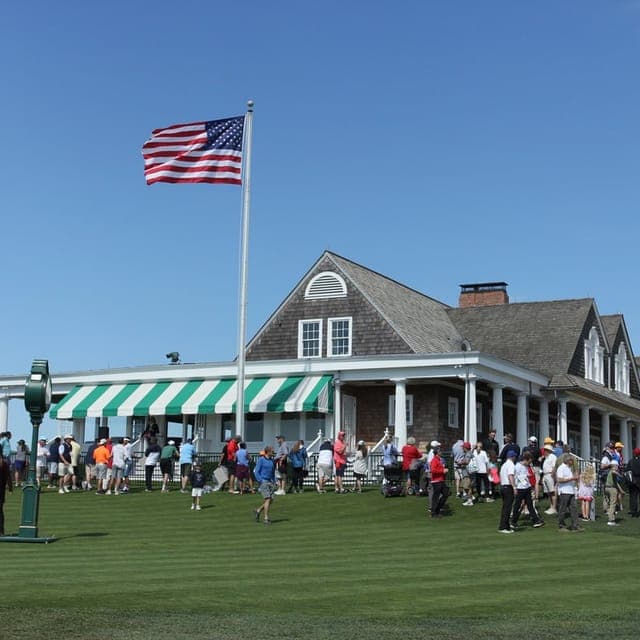
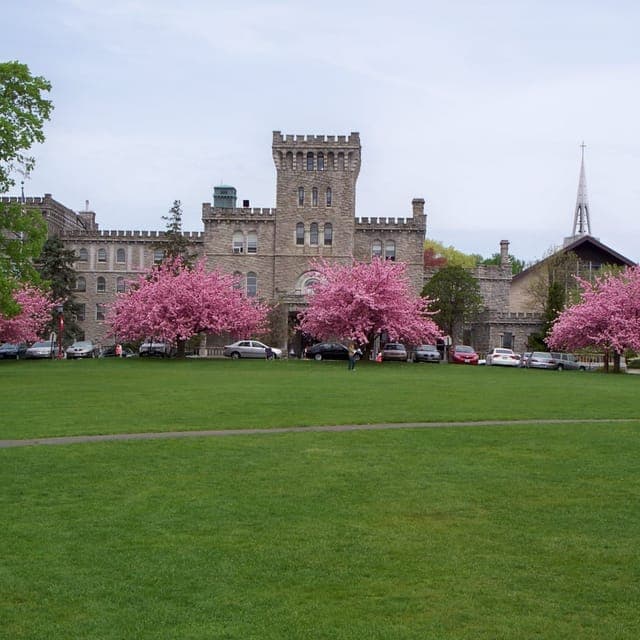
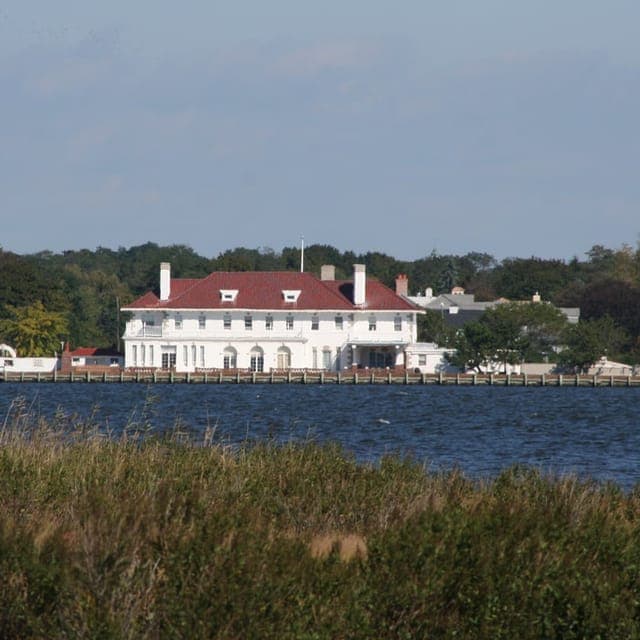
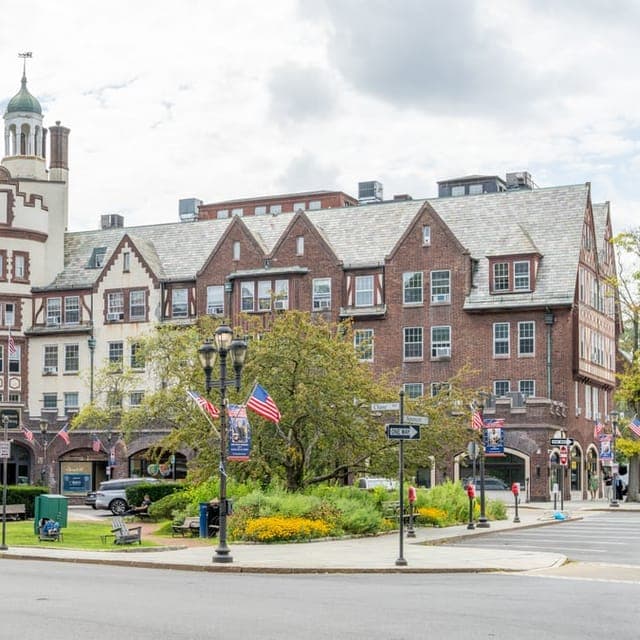
Cities in New York
Largest Cities in New York
What It's Like Living in New York
Living in New York means choosing between a dozen different worlds, from the 24/7 pulse of Manhattan to the dairy farms of Wyoming County and the college-town energy of Ithaca. The state’s 19.9 million residents are spread across landscapes that feel like separate countries, united more by shared state taxes and pothole seasons than by a single identity. Whether you land in Buffalo, Saratoga Springs, or the Hudson Valley, the day-to-day experience changes dramatically — but a few threads run through it all: a fierce local pride, a respect for the changing seasons, and a grudging acceptance that the cost of living index of 138 means your dollar doesn’t stretch as far as it does in Texas or Ohio.
Daily Rhythm: From Subway Cars to Snowplows
In New York City, daily life is shaped by the subway and the sidewalk. The average commute of 32.8 minutes is a state-wide figure, but that number masks the hour-plus train rides from Staten Island or White Plains into Midtown. Outside the five boroughs, the rhythm changes entirely. In Rochester, people drive to Wegmans for groceries and measure distance in minutes, not subway stops. In Lake Placid, the day might start with shoveling snow and end with a fire pit. The median age of 39.6 reflects a mix of young professionals in Brooklyn, families in Westchester County, and retirees in the Finger Lakes. The kind of person who fits in here is someone who doesn’t mind a little friction — whether that’s navigating a crowded subway car or negotiating a snowy driveway from November through March.
Sports & Community: High School Rivalries and Pro Loyalties
Sports loyalty in New York is tribal, and it starts young. In Buffalo, the Bills are a religion — tailgating at Highmark Stadium is a rite of passage, and the team’s 2024 playoff run had the whole city buzzing. Downstate, the Yankees and Mets divide households, while the Knicks and Rangers pack Madison Square Garden. But the real grassroots energy is in high school sports. In Section V (the Rochester area), Friday-night football draws crowds that rival some small colleges, and hockey is king in places like Plattsburgh and Saranac Lake. The state’s 39.6% college-educated population means there’s also a strong following for SUNY athletics — the University at Albany basketball games and Cornell hockey matches are genuine community events.
What’s There to Do: Festivals, Mountains, and a Good Slice
Weekends in New York are defined by the season. Summer means the New York State Fair in Syracuse, the Lake George Jazz Festival, and hiking the Adirondack High Peaks. Fall is for apple picking in the Hudson Valley and leaf-peeping along the Thruway. Winter brings skiing at Whiteface Mountain and ice fishing on Oneida Lake. The food scene is just as varied — a $1.50 slice of pizza in Manhattan is a cultural icon, but so is a garbage plate in Rochester or a beef on weck in Buffalo. The median home value of $403,000 means that owning a house in desirable areas like Brooklyn or Scarsdale is out of reach for many, but a three-bedroom in Utica or Binghamton can still be found under $200,000. That trade-off — high costs in the city, relative affordability upstate — is the central tension of living here.
Pros and Cons of Living Here
- Pro: Four distinct seasons with real outdoor recreation — the Adirondacks, the Finger Lakes, and the Catskills are all within a few hours’ drive for most residents.
- Con: The violent crime rate of 363.5 per 100,000 is above the national average, though that number is heavily skewed by a handful of high-crime neighborhoods in Buffalo, Rochester, and Albany. Most suburban and rural areas are very safe.
- Pro: World-class cultural institutions — the Metropolitan Museum of Art, the Buffalo AKG Art Museum, and the Strong National Museum of Play in Rochester are all within a day’s drive.
- Con: The cost of living index of 138 hits hardest on housing and taxes. Property taxes in Westchester and Nassau County are among the highest in the nation, and state income tax can feel punishing to middle-class families.
- Pro: Strong sense of local identity. Whether it’s the Syracuse Salt Potatoes or the Buffalo wing, New Yorkers are fiercely proud of their regional quirks.
- Con: Winter can be brutal, especially in the Snow Belt (Buffalo, Rochester, Syracuse). Lake-effect snow can drop two feet in a day, and the gray skies from November to March wear on some people.
What longtime residents love most is the variety — you can spend a weekend hiking in the Adirondacks, catch a Broadway show, and eat at a farm-to-table restaurant in the Finger Lakes, all without leaving the state. What frustrates them is the bureaucracy: the tolls, the taxes, and the slow pace of road repairs. The median income of $84,578 is enough to live comfortably in most upstate cities, but in Manhattan or Brooklyn, that same income feels tight. Schools are a major factor in where families settle — districts like Pittsford (near Rochester) and Jericho (on Long Island) are consistently ranked among the best in the country, and home prices reflect that. If you’re moving here, the key is knowing which New York you want — the one with the subway and the skyline, or the one with the snowplow and the quiet lake. Both are real, and both are worth considering.

* Values derived from national, state, county, city and local statistics and may differ in a specific area. Last updated: 2026-09-17T10:28:37.000Z
Narrative content on this page is AI-generated and may contain mistakes. Verify any details that matter before acting on them.
ReloMaps may earn a commission from affiliate links at no extra cost to you.

