Photo: Wikipedia
Find The Best Places To Live
in Virginia
PRO TIP! You can paste a Zillow or Redfin link to get info on that property.
Best Places to Live in Virginia
Cities in Virginia
Largest Cities in Virginia
What It's Like Living in Virginia
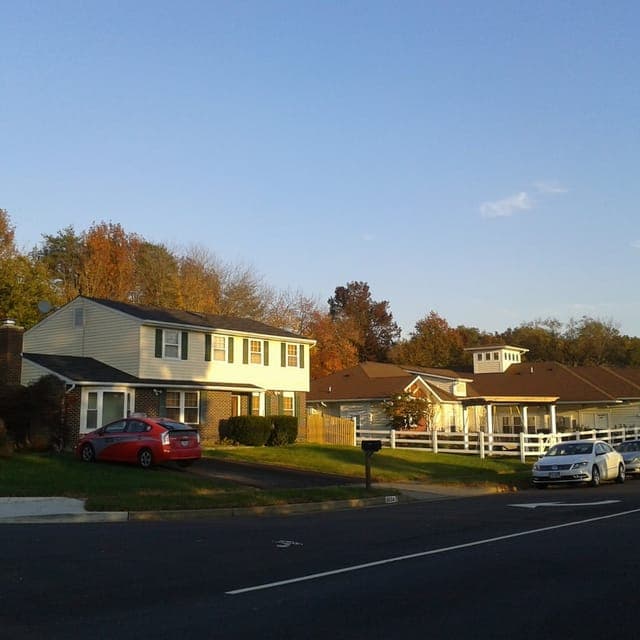
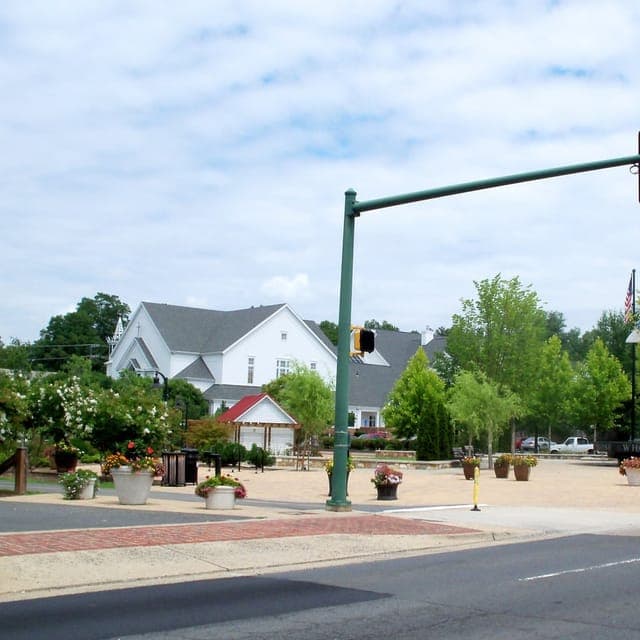
Virginia is a state of stark contrasts, where the bustling, fast-paced suburbs of Northern Virginia feel a world away from the quiet, rolling hills of the Shenandoah Valley and the coastal rhythms of the Tidewater region. Living here means choosing a lifestyle that ranges from the high-stakes career corridors of Tysons Corner to the historic, walkable streets of Richmond or the military-anchored communities around Norfolk and Virginia Beach. It’s a place where you can find world-class museums and a thriving tech scene in one corner, and a Friday-night high school football game under the lights in a town like Salem just a few hours’ drive away.
Daily Rhythm: From Northern Virginia’s Hustle to the Valley’s Pace
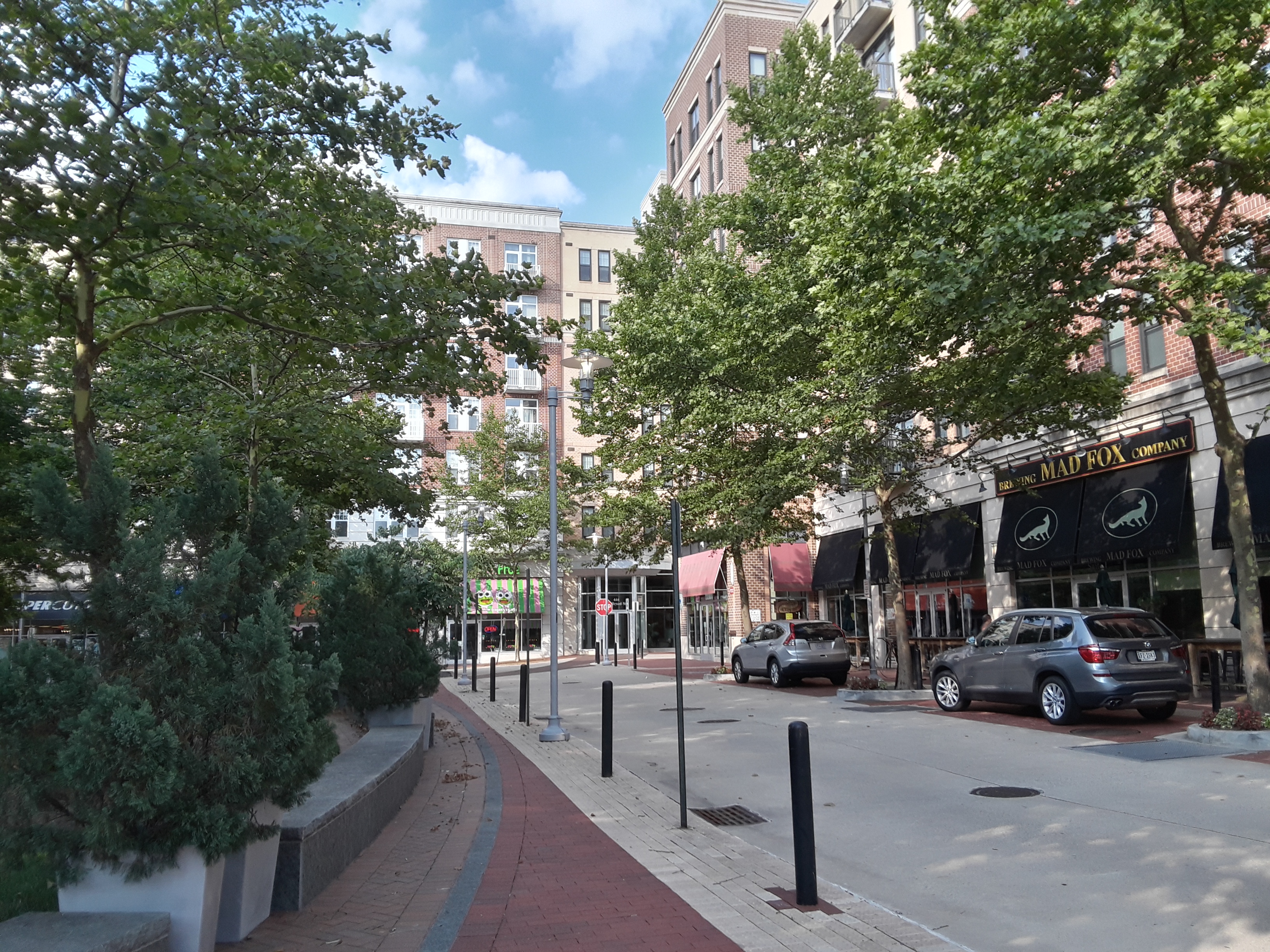
Daily life in Virginia is heavily dictated by where you land on the map. In the suburbs of Washington, D.C., like Arlington and Fairfax, the rhythm is set by the average commute of about 27.5 minutes, though that number can easily spike to over an hour for those driving into D.C. itself. The I-66 and I-95 corridors are notorious for congestion, and the Metro system is a lifeline for many. Here, weekends might mean brunch in Clarendon, a hike on the Billy Goat Trail, or catching a Nationals game across the Potomac. In contrast, life in a city like Roanoke or Lynchburg moves at a noticeably slower clip. People shop at local farmers' markets, spend weekends on the Blue Ridge Parkway, and the biggest traffic jam might be caused by a tractor on a two-lane road. The median age of 38.8 reflects a population that includes both young professionals drawn to Northern Virginia’s jobs and families settling in more affordable areas like Chesterfield or Spotsylvania.
The state’s median household income of $90,974 is significantly higher than the national average, driven largely by the high-paying federal contracting and tech jobs in the D.C. suburbs. This affluence is visible in the upscale shopping at Tysons Corner Center and the prevalence of high-end dining. However, this prosperity isn’t uniform. Move west to places like Bristol or Danville, and the economic landscape is more modest, with a stronger reliance on manufacturing, agriculture, and healthcare. The kind of person who fits in here is adaptable—you need to be comfortable with the idea that your experience of “Virginia” will be very different depending on whether you’re in a high-rise in Crystal City or a farmhouse in Fauquier County.
Sports, Seasons, and What People Actually Do
Sports loyalty in Virginia is a complicated, often divided affair. There’s no single dominant pro team that unifies the state. Northern Virginia leans heavily toward D.C. teams—the Commanders, Nationals, Capitals, and Wizards. Down in the Hampton Roads area, you’ll find fierce loyalty to the Virginia Tech Hokies and the University of Virginia Cavaliers, with the annual rivalry game in the fall being a major cultural event. High school football is a genuine community cornerstone in towns like Salem, which has won multiple state championships, and in the southwestern part of the state, where Friday nights are a social hub. The Richmond Flying Squirrels (the Giants’ Double-A affiliate) offer a more laid-back, affordable baseball experience that families love.
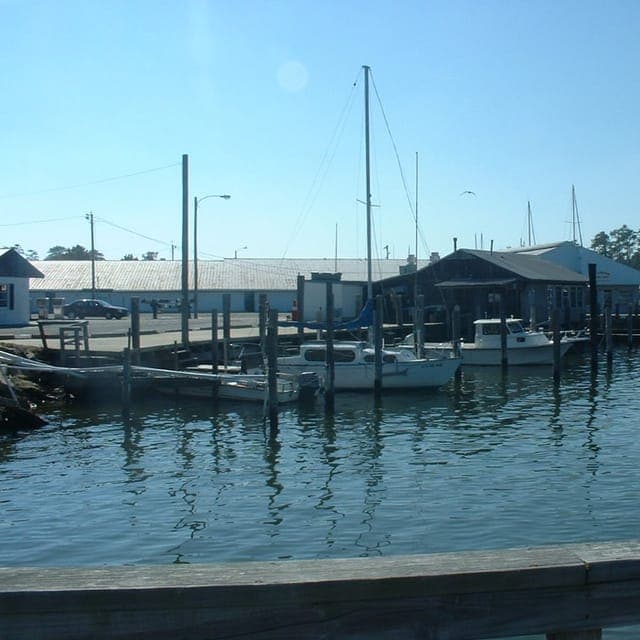
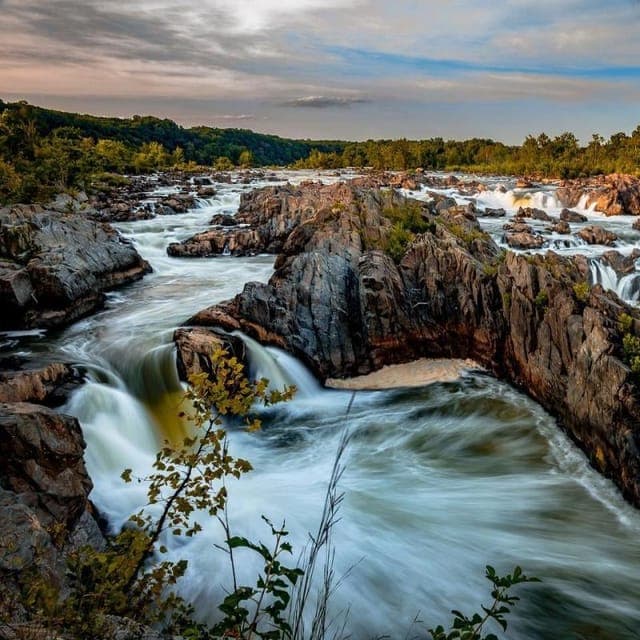
Outdoor life is a huge draw. The cost of living index of 129 is a real factor, but many residents feel the trade-off is access to the Shenandoah National Park, the Appalachian Trail, and the Chesapeake Bay. A typical weekend might involve kayaking on the James River through downtown Richmond, wine tasting in Loudoun County, or spending a day at Virginia Beach. The weather delivers four distinct seasons, with hot, humid summers and mild winters that rarely dump heavy snow in the central and eastern parts of the state—though the mountains see plenty. The biggest cultural quirk? The “Virginia is for Lovers” slogan is taken seriously, but so is a certain polite formality. People hold doors, say “sir” and “ma’am,” and there’s a deep, quiet pride in the state’s history, from Jamestown to the Civil War battlefields.
Pros and Cons of Living in the Old Dominion
What longtime residents love:
- Economic opportunity: The job market in Northern Virginia is one of the strongest in the country, with a huge concentration of defense, tech, and government roles. Even outside of NoVA, cities like Richmond have a growing finance and biotech sector.
- Geographic variety: You can be on a beach in the morning and hiking a mountain by the afternoon. The state packs an incredible amount of natural beauty into a relatively compact area.
- Strong schools: The public school systems in Fairfax, Loudoun, and Arlington counties are consistently ranked among the best in the nation, which is a major draw for families. Even smaller districts like those in Albemarle County (home to Charlottesville) are highly regarded.
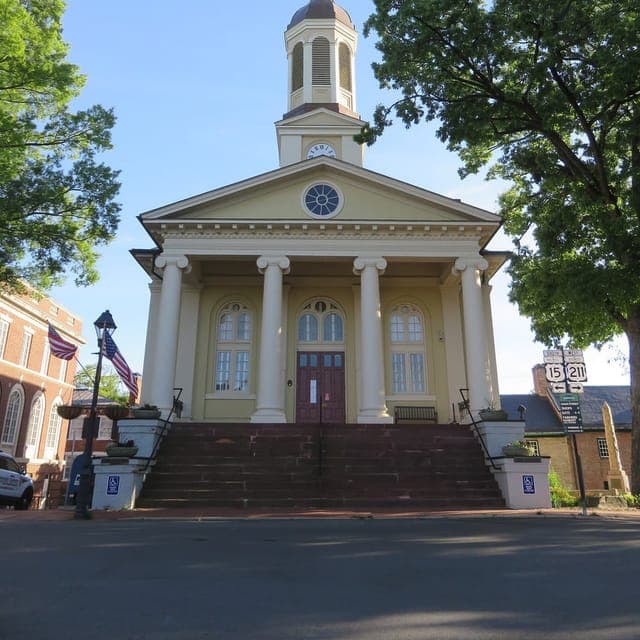
- Historic charm: Living in a place with 400 years of history is tangible. From Colonial Williamsburg to the cobblestone streets of Old Town Alexandria, history isn’t just in museums—it’s in the architecture and the town squares.
What frustrates them:
- Traffic is a genuine burden: The commute times in Northern Virginia are soul-crushing for many. The 27-minute average is heavily skewed; many residents spend 45-90 minutes each way, and the toll lanes on I-66 can cost a small fortune.
- High cost of living in the best job areas: The median home value of $360,700 is a state average. In Arlington or Alexandria, that number is well over $700,000, making homeownership a distant dream for many young professionals without dual incomes. The violent crime rate of 203 per 100,000 is below the national average, but property crime is a concern in some urban corridors.
- Political and cultural divide: The state is deeply split between the urban, liberal-leaning areas of NoVA, Richmond, and Charlottesville, and the more rural, conservative regions of Southside and Southwest Virginia. This can create a sense of living in two different states, and state-level politics often feel like a tug-of-war.
- Humidity in the summer: The summers are sticky and oppressive, especially east of the Blue Ridge. Air conditioning is non-negotiable, and outdoor activities are best done in the early morning or late evening from June through August.

* Values derived from national, state, county, city and local statistics and may differ in a specific area. Last updated: 2026-04-19T08:36:37.000Z
Narrative content on this page is AI-generated and may contain mistakes. Verify any details that matter before acting on them.
ReloMaps may earn a commission from affiliate links at no extra cost to you.

