Photo: Wikipedia
Find The Best Places To Live
in Florida
PRO TIP! You can paste a Zillow or Redfin link to get info on that property.
Best Places to Live in Florida
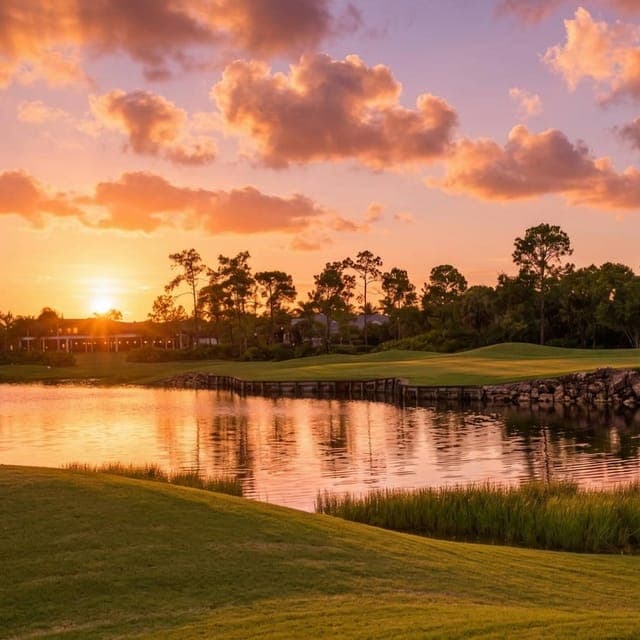
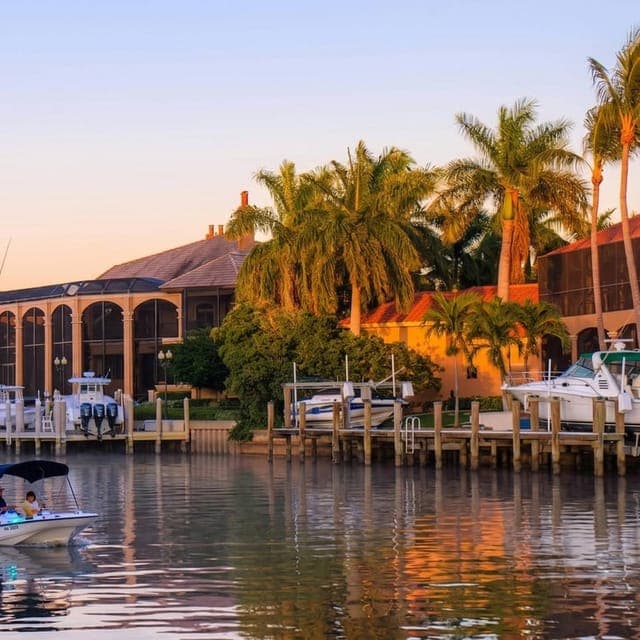
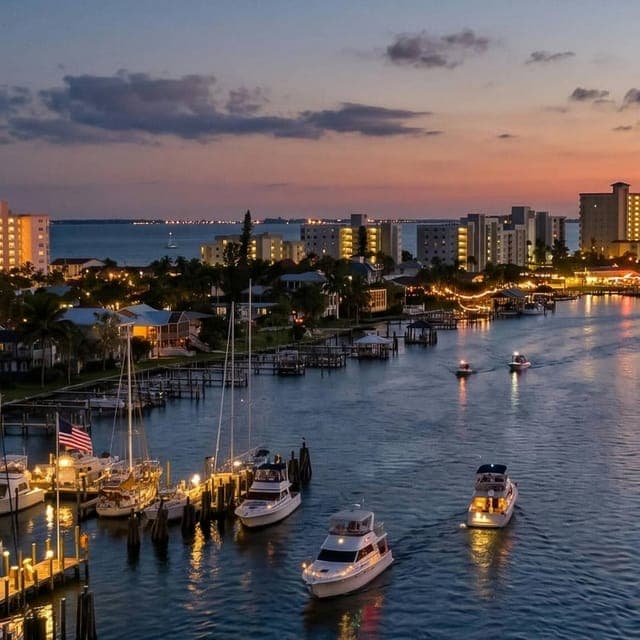
Cities in Florida
Largest Cities in Florida
What It's Like Living in Florida
Living in Florida means trading predictable seasons for a year-round rhythm built around sun, water, and air conditioning. The state is less a single place than a collection of distinct worlds—the sprawling suburban grid of Miami, the historic squares of St. Augustine, the military and aerospace corridors of the Panhandle, and the quiet cattle towns like Okeechobee where the pace slows to a crawl. With over 21.9 million residents, Florida is a state of transplants, and that gives it a peculiar energy: everyone came from somewhere else, and most are here for the same reasons—warmth, opportunity, and a tax bill that doesn't include a state income tax.
The Daily Rhythm: Sun, Traffic, and Air Conditioning
Daily life in Florida is shaped by the clock of the sun. From roughly May through October, outdoor activities happen early or late, with the midday hours surrendered to air conditioning and indoor errands. In Orlando, the morning commute on I-4 is a genuine grind—the average statewide commute clocks in at about 28 minutes, but that number hides the reality of sitting still on the 408 or the Turnpike during tourist season. In smaller towns like Gainesville or Pensacola, the drive is shorter and the pace noticeably slower. Grocery shopping means Publix, the unofficial state church, where the sub shop and the friendly cashier are as much a part of the routine as the groceries themselves. Weekends in coastal towns like Sarasota or Fort Myers revolve around the water—boat ramps, beach parking, and the eternal question of whether the afternoon thunderstorm will hold off until after dinner.
The kind of person who fits in here is someone who doesn't mind heat and humidity, and who values convenience and outdoor access over walkable urbanism. Florida's cities are built for cars, and the cost of living index of 127 reflects that car-dependent lifestyle—housing, insurance, and utilities all run above the national average. The median home value of $325,000 buys a very different house in Jacksonville than it does in Naples, but in both places, the trade-off is space and a backyard pool over a shorter commute or a denser neighborhood.
Sports, Community, and the Things People Actually Do
Sports are a serious matter here, but the loyalties are split between the old Florida and the new. High school football is a genuine community anchor in the Panhandle and rural north—towns like Madison or Live Oak pack bleachers on Friday nights in a way that feels more Texas than Florida. College sports dominate the conversation in Gainesville (Gators) and Tallahassee (Seminoles), while pro teams in Miami and Tampa draw crowds but lack the same generational devotion. The real Florida pastime, though, is the water—fishing the flats in the Keys, tubing down the Ichetucknee River near Lake City, or simply parking a lawn chair on the sand at Siesta Key. Festivals are a constant: the Gasparilla Pirate Festival in Tampa, the Hemingway Days in Key West, and the countless seafood and stone crab festivals that mark the calendar in coastal towns.
For families, the theme parks of Orlando are the obvious draw, but the state's real appeal for raising kids is the sheer volume of outdoor options—state parks, springs, and beaches that serve as affordable weekend escapes. Schools vary dramatically by district; the suburban counties around Tampa and Orlando tend to have stronger public options than the rural north, and private schools are common among families who can afford the extra expense.
What Longtime Residents Love and What Frustrates Them
The biggest upside is obvious: no state income tax, warm winters, and the ability to be on a boat or a beach within an hour from almost anywhere in the state. The median income of $71,711 goes further here than in California or New York, especially for retirees and remote workers who brought their salaries with them. The downsides are equally real. Homeowners insurance is a growing crisis—rates have climbed sharply due to hurricane risk and litigation, and some carriers have simply stopped writing new policies in coastal areas. The violent crime rate of 207.9 per 100,000 is below the national average, but property crime is a persistent issue in tourist-heavy areas and lower-income neighborhoods. Traffic in the major metros is genuinely bad, and the summer heat—combined with daily thunderstorms—can wear on people who aren't prepared for nine months of humidity.
One cultural quirk that surprises newcomers: Florida is not a single political or cultural monolith. The Panhandle and rural north lean conservative, while the I-4 corridor and South Florida are more mixed. The state's identity is less about shared values and more about a shared tolerance for heat, bugs, and the occasional hurricane scare. People who thrive here are the ones who learn to plan around the weather, accept that air conditioning is non-negotiable, and never stop appreciating the fact that February means shorts and a boat ride.

* Values derived from national, state, county, city and local statistics and may differ in a specific area. Last updated: 2026-08-02T10:22:55.000Z
Narrative content on this page is AI-generated and may contain mistakes. Verify any details that matter before acting on them.
ReloMaps may earn a commission from affiliate links at no extra cost to you.

