
Photo: Wikipedia
Find The Best Places To Live
in Texas
PRO TIP! You can paste a Zillow or Redfin link to get info on that property.
Best Places to Live in Texas

Cities in Texas
Largest Cities in Texas
What It's Like Living in Texas
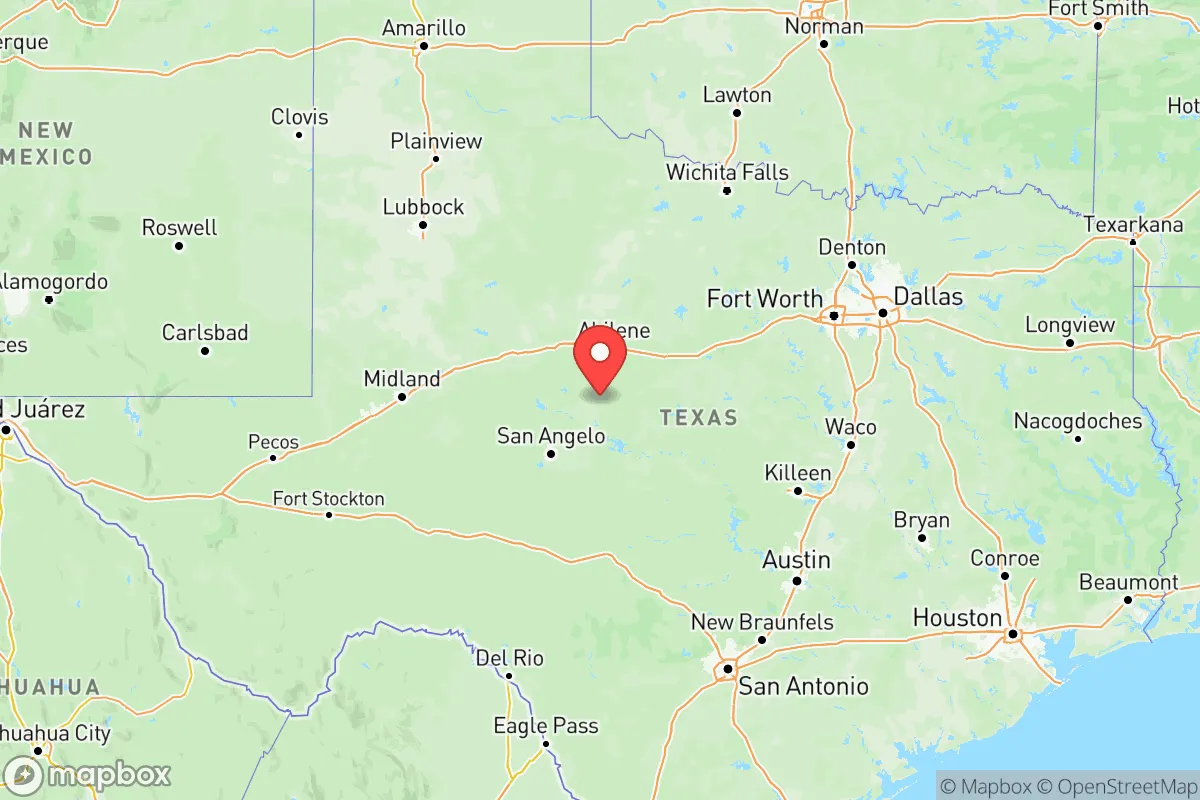
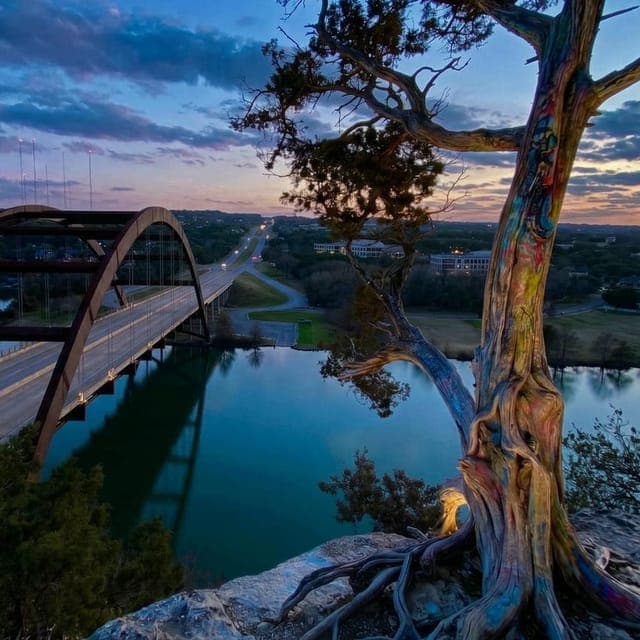
Texas is big enough to feel like several different states rolled into one, and that’s exactly the point. Whether you’re drawn to the high-energy job markets of Dallas and Houston, the live-music scene in Austin, or the wide-open spaces and slower pace around Lubbock and the Hill Country, the state offers a distinct flavor of life that balances opportunity with a strong sense of place. For a single professional or a family looking to put down roots, Texas delivers a mix of affordability, cultural pride, and practical realities that are worth understanding before you make the move.
The Daily Rhythm: From Urban Commutes to Small-Town Saturdays
Daily life in Texas varies dramatically depending on where you land. In the metroplex of Dallas-Fort Worth, the average commute of about 27 minutes can feel longer during rush hour on I-35 or the LBJ Freeway, but it’s a trade-off for access to some of the nation’s strongest job markets in finance, tech, and healthcare. In contrast, a town like Bastrop — a popular escape for people priced out of Austin — offers a more relaxed morning routine, with many residents working remotely or driving into the capital for a shorter, less congested trip. Weekends in these smaller communities often revolve around local coffee shops, farmers’ markets, and family time at city parks, while urbanites in Houston might spend Saturday at the Museum District or catching a show at the House of Blues.
Food is a central part of daily life here, and it’s not just about barbecue (though that’s a big deal). In San Antonio, you’ll find breakfast tacos at places like Taco Taco Café, while in Lubbock, the local favorite is a plate of chicken-fried steak at the iconic Cast Iron Grill. Grocery shopping often includes a stop at H-E-B, the beloved Texas chain that feels like a community hub, especially in smaller towns where it’s the main gathering spot. The state’s median age of 35.5 means a relatively young population, and you’ll see that reflected in the number of families with young kids at weekend soccer games or high school football fields — a tradition that’s practically a religion in places like Allen, where the high school stadium seats over 18,000 people.
Sports, Community, and the Friday-Night Lights Culture
If you move to Texas, you’ll quickly learn that sports aren’t just entertainment — they’re a social glue. High school football is the most visible example, with Friday nights in towns like Allen or Katy drawing crowds that rival some college games. The state’s love for the Dallas Cowboys is legendary, but it’s the local high school rivalries that really define community identity. College sports are equally huge: the University of Texas in Austin and Texas A&M in College Station create a friendly (and sometimes intense) divide, with game days turning entire cities into sea of burnt orange or maroon. For pro fans, the Houston Astros and Dallas Mavericks offer year-round excitement, and the San Antonio Spurs have a devoted following that dates back to their championship years.
Beyond the stadiums, community life is built around festivals and outdoor activities. The State Fair of Texas in Dallas is a fall staple, while the Houston Livestock Show and Rodeo draws millions each spring. In the Hill Country, towns like Fredericksburg host annual events celebrating German heritage, and the Guadalupe River offers tubing and kayaking for families. For outdoor enthusiasts, Big Bend National Park in West Texas provides a rugged escape, though it’s a long drive from most urban centers. The weather — hot summers and mild winters — means you’ll spend a lot of time outdoors, but the humidity in Houston and the dry heat in Lubbock are very different experiences.
Pros and Cons of Living in Texas
Let’s be honest about what works and what doesn’t. On the plus side, the cost of living is a major draw. With a median home value of $260,400 and a cost-of-living index of 106 (just slightly above the national average), Texas offers more square footage for your money than coastal states. The median household income of $76,292 supports a comfortable lifestyle for many families, especially in suburbs like Frisco or Round Rock where new schools and amenities are plentiful. The lack of a state income tax is a real financial benefit, though property taxes are higher to compensate — something to factor into your budget.
On the downside, the heat is no joke. Summers from June to September can be brutal, with temperatures regularly hitting 100°F in many areas, and the humidity along the Gulf Coast can make it feel even worse. Traffic in major cities is a genuine frustration — Houston’s I-10 and Austin’s Mopac are notorious for gridlock, and the average commute time of 26.7 minutes doesn’t capture the variability. The violent crime rate of 345.5 per 100,000 is slightly above the national average, though it’s concentrated in specific urban neighborhoods rather than being a statewide issue. For families, school quality varies widely between districts, so it’s worth researching individual systems — suburbs like Southlake and Highland Park are known for excellent public schools, while rural areas may have fewer options.
One cultural quirk that newcomers either love or find baffling is the state’s fierce independence. Texans are proud of their history, from the Alamo to the oil boom, and that pride shows in everything from the ubiquitous Texas flags to the insistence on “everything’s bigger in Texas.” It’s a place where people wave at strangers in small towns and where community involvement — whether through church, local sports, or volunteer fire departments — is the norm. If you’re looking for a place with a strong sense of identity, affordable housing, and a slower pace outside the cities, Texas delivers. Just be ready for the heat, the traffic, and the fact that you’ll never run out of things to explore.

* Values derived from national, state, county, city and local statistics and may differ in a specific area. Last updated: 2026-09-08T17:24:20.000Z
Narrative content on this page is AI-generated and may contain mistakes. Verify any details that matter before acting on them.
ReloMaps may earn a commission from affiliate links at no extra cost to you.

