Photo: Wikipedia
Find The Best Places To Live
in Vermont
PRO TIP! You can paste a Zillow or Redfin link to get info on that property.
Best Places to Live in Vermont
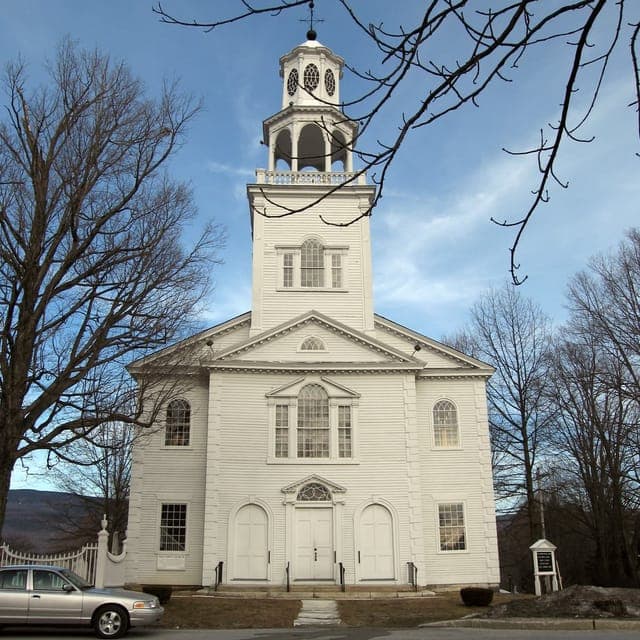
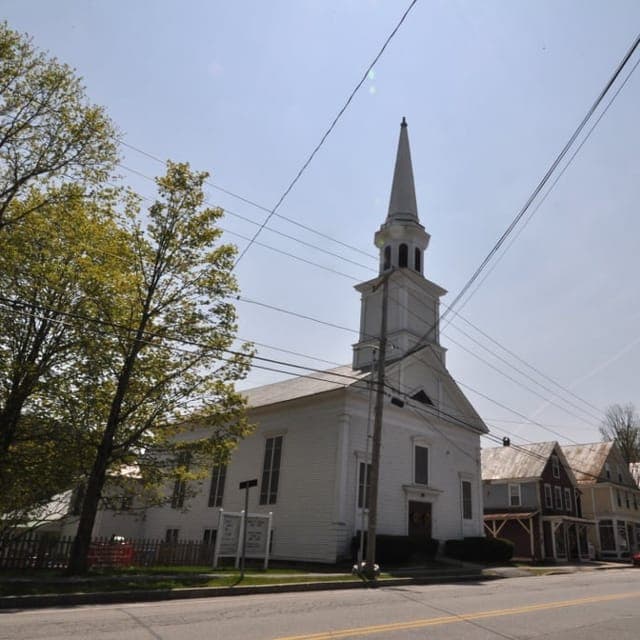
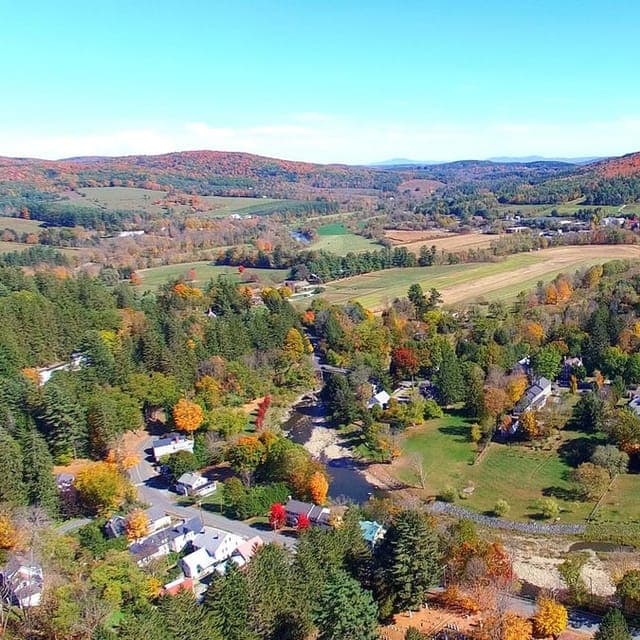
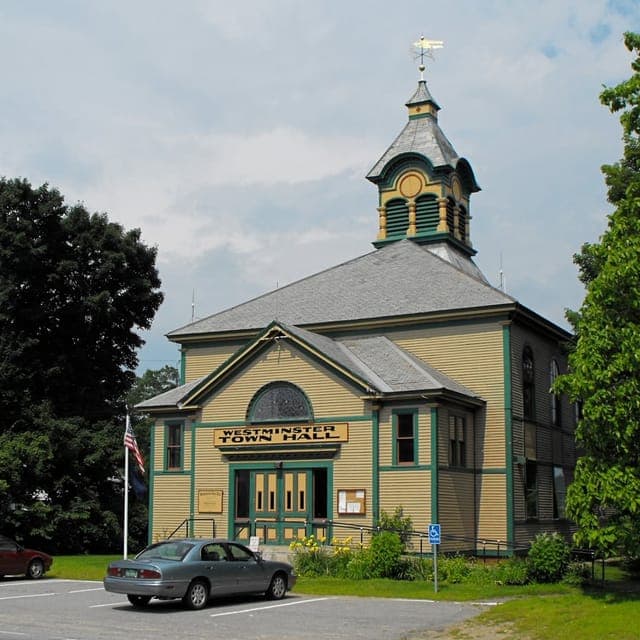


Cities in Vermont
Largest Cities in Vermont
What It's Like Living in Vermont
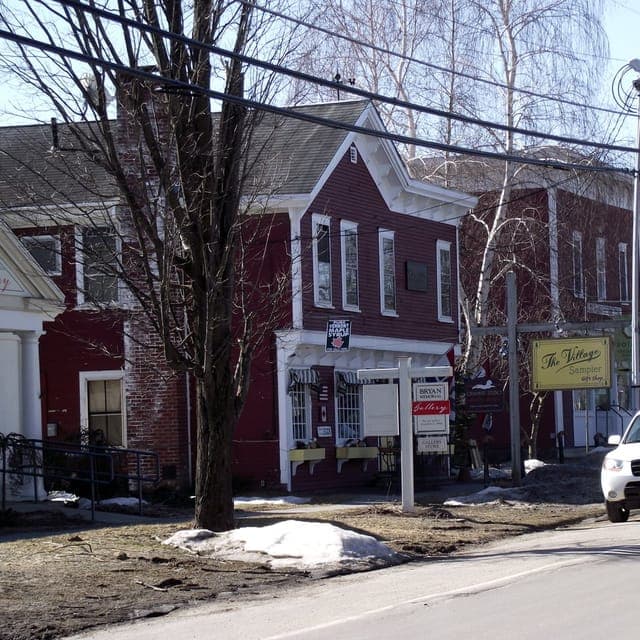
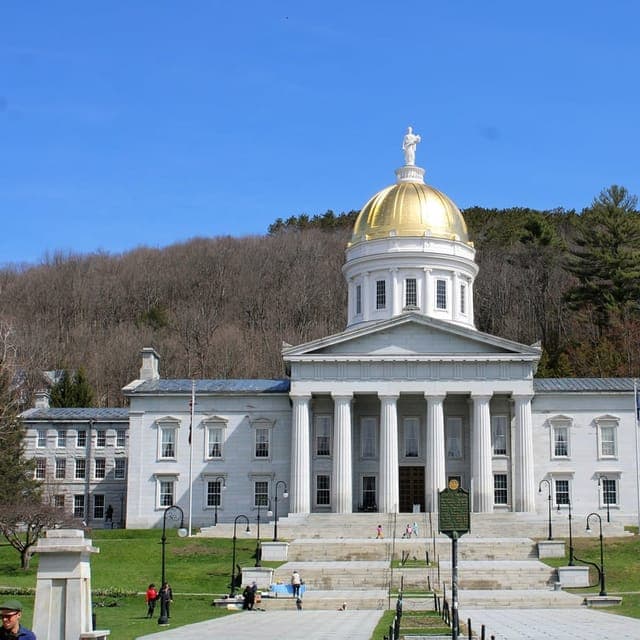
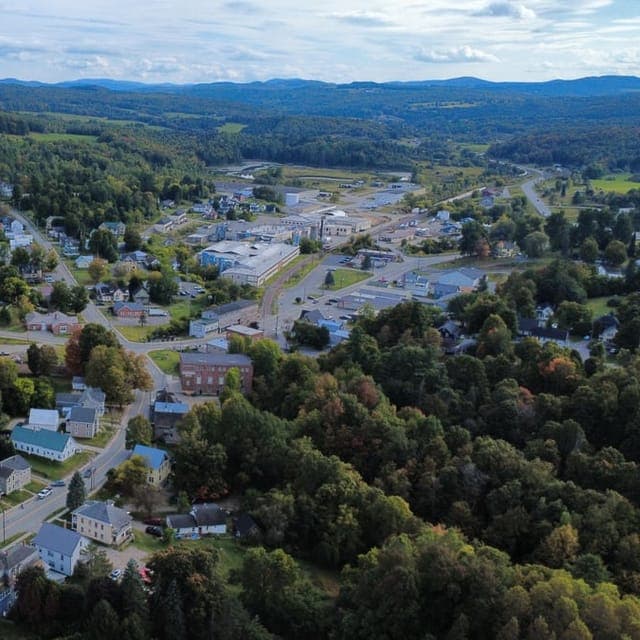
Living in Vermont means trading strip-mall convenience for a pace of life dictated by the seasons, where the biggest decision on a Friday night might be whether to catch a show at the Flynn in Burlington or a high school hockey game in Stowe. It’s a state of stark contrasts: the college-town energy of Burlington and the working-class grit of Barre sit just an hour apart, while vast stretches of the Northeast Kingdom feel a world away from everything. For the conservative-leaning reader, Vermont offers a unique mix—a place where self-reliance, local community, and a deep respect for private property still hold strong, even if the state’s politics lean left.
The Daily Rhythm: From Burlington’s Bustle to the Kingdom’s Quiet
Daily life in Vermont is shaped by geography. In Burlington, the state’s largest city (pop. ~45,000), people walk to Church Street Marketplace for coffee at Muddy Waters or dinner at Hen of the Wood, and the commute is a manageable 23 minutes on average. But drive 30 minutes south to Middlebury or east to Montpelier, and the rhythm shifts. Here, the local co-op is the social hub, and the biggest traffic jam is a tractor moving hay. In the Northeast Kingdom—towns like St. Johnsbury and Newport—life slows further. People shop at Aubuchon Hardware, eat at diners like the Brown Cow, and weekends are for sugaring-off parties or ice fishing on Lake Memphremagog. The kind of person who fits here values self-sufficiency: you’ll need to know how to handle a snowblower, split firewood, and accept that the nearest Walmart might be 45 minutes away.
Sports & Community: Hockey, Skiing, and Friday-Night Lights
High school sports are a genuine community anchor, especially in smaller towns. In Stowe, the Mountaineers’ hockey games pack the rink on winter nights, while in Rutland, Friday-night football at Alumni Field draws families from across the region. The University of Vermont’s Catamounts hockey team is a statewide obsession—tickets to the Gutterson Fieldhouse are hard to come by when they face off against Boston University. Skiing is less a sport and more a religion: Killington, Stowe, and Jay Peak draw crowds from Boston and New York, but locals know the smaller hills like Bolton Valley or Burke Mountain for cheaper lift tickets and shorter lines. Summer brings the Vermont Lake Monsters (a collegiate baseball team) in Burlington, but the real action is on the trails—the Long Trail and the Catamount Trail are where you’ll find Vermonters on any given weekend.
What’s There to Do: Festivals, Food, and the Outdoors
Vermont’s entertainment is deeply seasonal. Fall means the Vermont Pumpkin Chuckin’ Festival in Stowe and leaf-peeping drives through the Mad River Valley. Winter is for the Stowe Winter Carnival and après-ski at the Matterhorn. Summer brings the Vermont Mozart Festival in Burlington and the Bread & Puppet Theater in Glover—a quirky, political puppet show that’s been running for 50 years. For food, the state punches above its weight: the Alchemist in Waterbury (home of Heady Topper beer) is a pilgrimage site for craft-beer fans, while the Blue Benn Diner in Bennington serves classic greasy-spoon breakfasts. The downside? Nightlife is thin outside Burlington. If you want a late-night bar scene, you’re limited to a handful of spots like Nectar’s or the Radio Bean in Burlington. For families, the ECHO Leahy Center on the Burlington waterfront is a hit, and the Shelburne Museum offers a sprawling collection of Americana.
Pros and Cons of Living Here
Let’s be honest: Vermont isn’t for everyone. The pros are clear: low violent crime (213.8 per 100K, well below the national average), a strong sense of community, and world-class outdoor recreation. The median home value of $290,500 is reasonable compared to neighboring Massachusetts or New York, though it’s climbed fast since 2020. The cost of living index of 103 is only slightly above average, and the median income of $78,024 supports a comfortable, if not lavish, lifestyle. But the cons bite. Winters are long and dark—from November to April, you’re dealing with snow, ice, and limited daylight. Property taxes are among the highest in the nation, which frustrates many homeowners. Job opportunities are concentrated in healthcare (the University of Vermont Medical Center is the state’s largest employer), education, and tourism; if you’re in tech or finance, you’ll likely work remotely or commute to Boston. And while 42.6% of adults hold a college degree, the state’s median age of 43 reflects a graying population—young people often leave for better-paying jobs elsewhere.
For the conservative-leaning reader, the cultural friction is real. Vermont’s politics are overwhelmingly Democratic, and you’ll see Bernie Sanders bumper stickers in every grocery store parking lot. But many locals—especially in rural areas like the Northeast Kingdom or the southern counties around Bennington—hold traditional values of self-reliance, gun ownership, and small government. The state’s strong town-meeting tradition means your voice actually matters at the local level, regardless of party. If you can handle the weather and the taxes, and you value quiet, safety, and a community where people still wave at each other on the road, Vermont offers a life that’s hard to find elsewhere.

* Values derived from national, state, county, city and local statistics and may differ in a specific area. Last updated: 2026-04-19T01:48:17.000Z
Narrative content on this page is AI-generated and may contain mistakes. Verify any details that matter before acting on them.
ReloMaps may earn a commission from affiliate links at no extra cost to you.

