
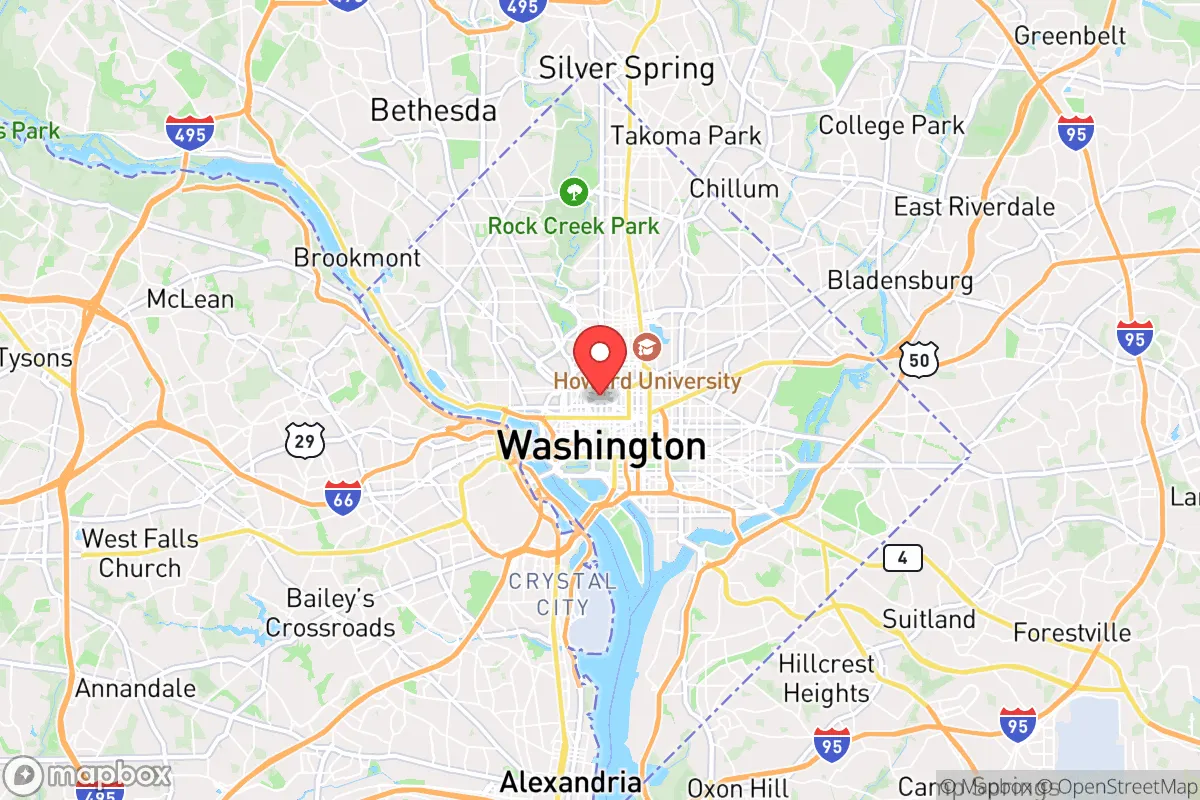
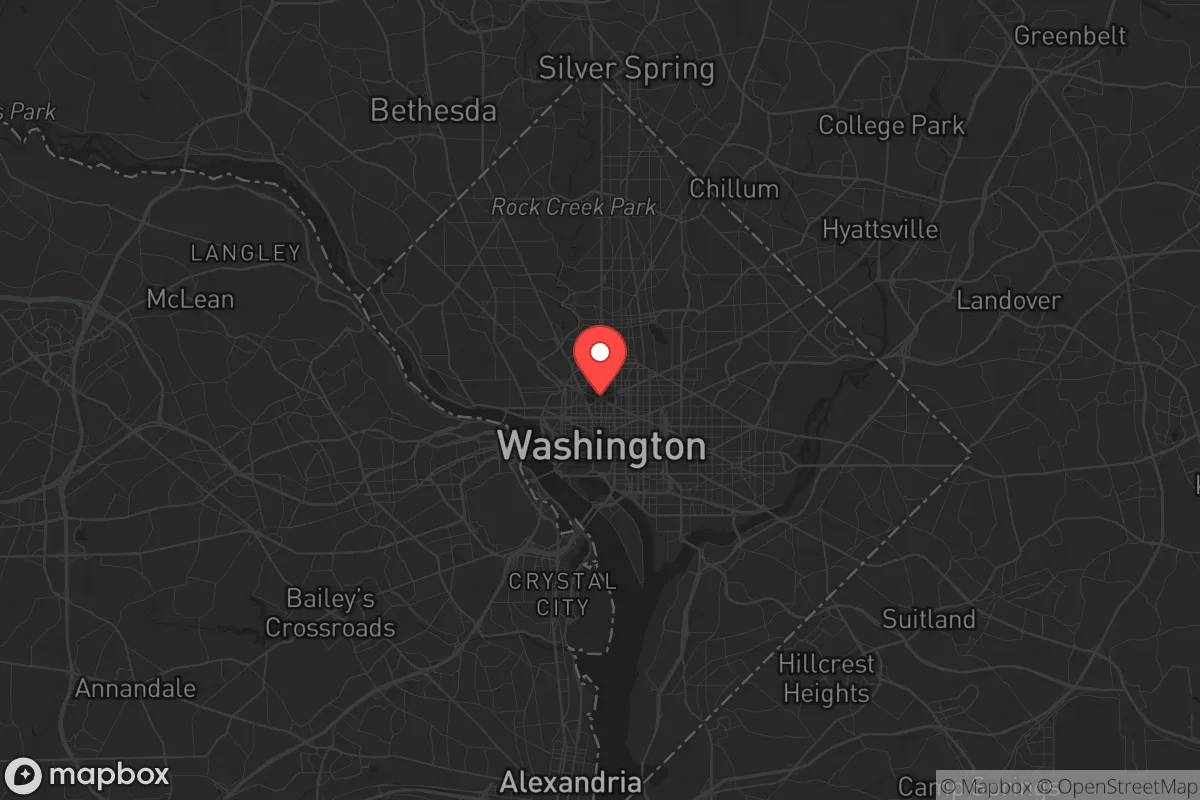
Find The Best Places To Live
in Washington
PRO TIP! You can paste a Zillow or Redfin link to get info on that property.
What It's Like Living in Washington, DC
Washington, DC is a city of two distinct speeds—the relentless, suit-and-briefcase grind of the federal government during the week, and a surprisingly laid-back, neighborhood-centric life on weekends. It’s a place where you can grab a half-smoke at a dive bar next to a senator’s chief of staff, then walk two blocks to a quiet, tree-lined street where kids are playing kickball. For a conservative-leaning individual or family, living here means navigating a deeply blue city while finding your own community—and the trade-offs are real, from world-class museums to a cost of living that can feel punishing.
The Daily Grind: Work, Commute, and Neighborhood Life
Most people here don’t just work—they *do* something. The city’s median age is 34.9, and with 63.6% of adults holding a college degree, the workforce is hyper-educated and career-focused. The average commute is about 30 minutes, but that number hides a lot: a 30-minute drive from Arlington can be a 45-minute Metro ride from Petworth. Traffic on the Beltway is a genuine source of local griping, and the Metro’s reliability is a constant topic of conversation. Daily life revolves around your neighborhood. In Capitol Hill, you’ll see staffers walking to the Hill in suits; in Navy Yard, young professionals fill the breweries after work; in Chevy Chase DC, families push strollers to the local library. Grocery shopping means a mix of Whole Foods, Giant, and the Eastern Market on weekends—a true DC institution where you buy fresh pasta and listen to a street musician play jazz.
Sports, Seasons, and the Weekend Release Valve
Sports are a big deal here, but not in the way you might expect. The Washington Nationals (World Series champs in 2019) draw solid crowds, but the real passion is reserved for college basketball—Georgetown Hoyas games at Capital One Arena still have a feverish energy, especially when they play Villanova. High school sports are a quieter affair, with private schools like Gonzaga and Sidwell Friends drawing local attention. Fall is dominated by Washington Commanders talk, though the team’s recent struggles have tempered the mania. The city’s best release is its parks: Rock Creek Park is a 1,754-acre green spine where you can hike, bike, or ride horses without leaving the city. The National Mall is a daily backdrop for joggers and tourists alike. Summer brings the Smithsonian Folklife Festival and free concerts on the Mall; winter is quieter, with holiday markets at DowntownDC and the National Christmas Tree lighting drawing crowds.
What It Costs—and Who Fits In
Let’s be direct: DC is expensive. The cost of living index is 201 (double the national average), and the median home value sits at $724,600. The median household income is $106,287, which sounds high until you realize that a one-bedroom apartment in a decent neighborhood runs $2,200–$2,800 a month. For a single person making six figures, it’s manageable; for a family, it often means a townhouse in a less central area or a longer commute from the Virginia or Maryland suburbs. The kind of person who fits in here is someone who values intellectual conversation, career ambition, and access to power—even if they disagree with the politics. Conservatives often find community in specific neighborhoods (like Chevy Chase DC or parts of Ward 3) or through church groups, but the city’s overall culture is undeniably progressive. If you’re a parent, schools are a major consideration: DC’s public schools have improved but remain uneven, and many families opt for private or charter schools, which adds another layer of cost.
Pros and Cons of Living Here
- Pro: Unmatched access to history and culture. The Smithsonian museums are free, the monuments are open late, and you can walk the halls of the Capitol on a Tuesday afternoon.
- Con: The violent crime rate is 801.7 per 100,000—significantly higher than the national average. This is concentrated in certain neighborhoods, but it’s a real concern for anyone walking home late at night.
- Pro: A vibrant social scene that’s more than politics. From the dive bars of Adams Morgan (try Madam’s Organ) to the rooftop bars in Shaw, there’s a spot for every taste. The food scene is nationally recognized, with Ethiopian cuisine being a local specialty.
- Con: Transient population. Many people move here for a job, stay a few years, and leave. This can make it hard to build deep, lasting friendships—especially if you’re not in the government or political orbit.
- Pro: Four distinct seasons. Summers are hot and humid, but fall is spectacular (the leaves in Rock Creek Park are a must-see), and spring’s cherry blossoms are world-famous. Winters are mild compared to the Midwest.
- Con: The cost of living is a constant pressure. Even with a good salary, you’ll likely feel squeezed on housing, parking, and dining out.
Cultural Quirks and Local Identity
DC has a unique identity: it’s not quite the South, not quite the Northeast, and not quite a typical big city. Locals are fiercely proud of their neighborhoods—ask someone where they live, and they’ll name the neighborhood, not the city. The city’s rhythm is dictated by the federal calendar: August is quiet as Congress recesses, and January is a flurry of inauguration activity every four years. A notable quirk: “DC” is often used to refer to the District proper, while “Washington” can mean the metro area. Locals also have a love-hate relationship with tourists—the Mall is beautiful, but the crowds can be overwhelming. For a conservative, the biggest cultural quirk is the political monoculture: it’s hard to escape talk of the latest administration, and you’ll need to find your own spaces (like the Lincoln Memorial at night for a quiet moment) to get away from it. The city rewards those who are curious, resilient, and willing to build a life beyond the headlines—and for the right person, it’s a place you’ll never quite want to leave.

Similar mid-size cities to Washington
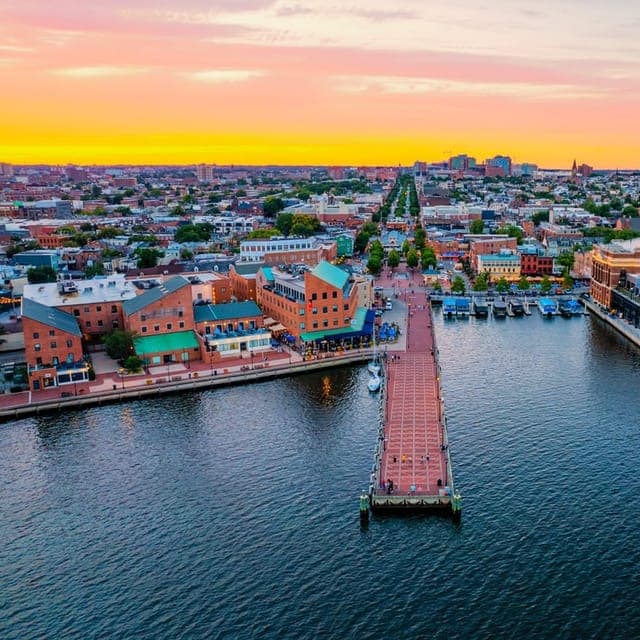

* Values derived from national, state, county, city and local statistics and may differ in a specific area. Last updated: 2026-04-16T00:24:42.000Z
Narrative content on this page is AI-generated and may contain mistakes. Verify any details that matter before acting on them.
ReloMaps may earn a commission from affiliate links at no extra cost to you.

