
Photo: Wikipedia
Find The Best Places To Live
in Kentucky
PRO TIP! You can paste a Zillow or Redfin link to get info on that property.
Best Places to Live in Kentucky
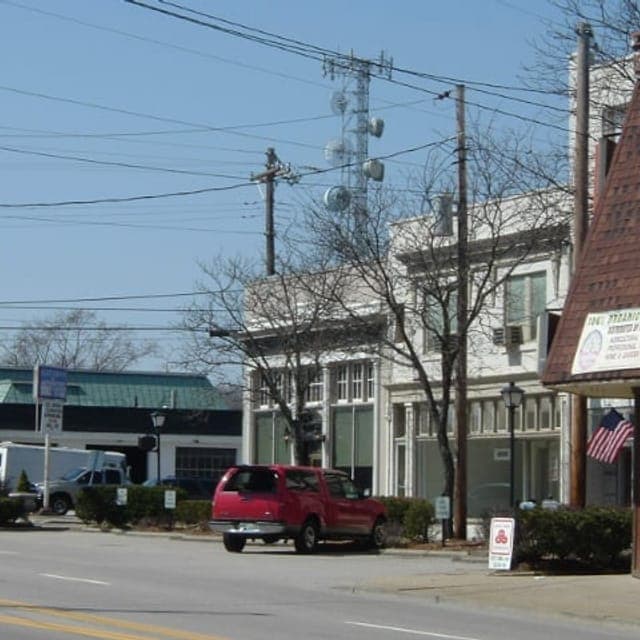

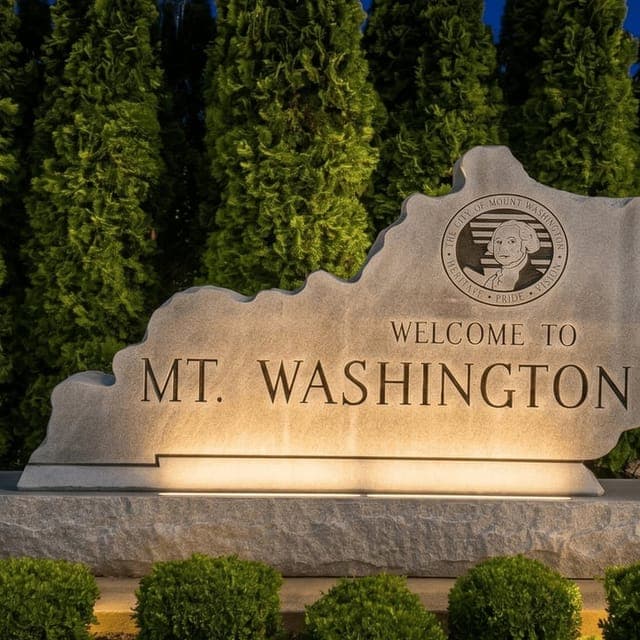
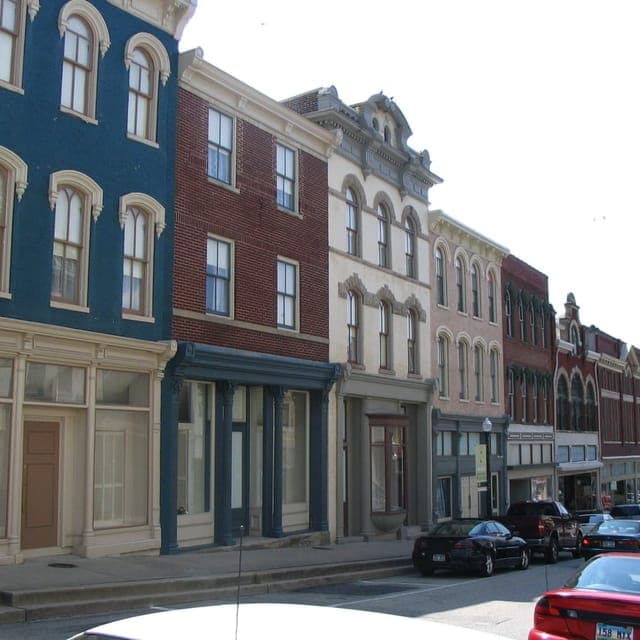
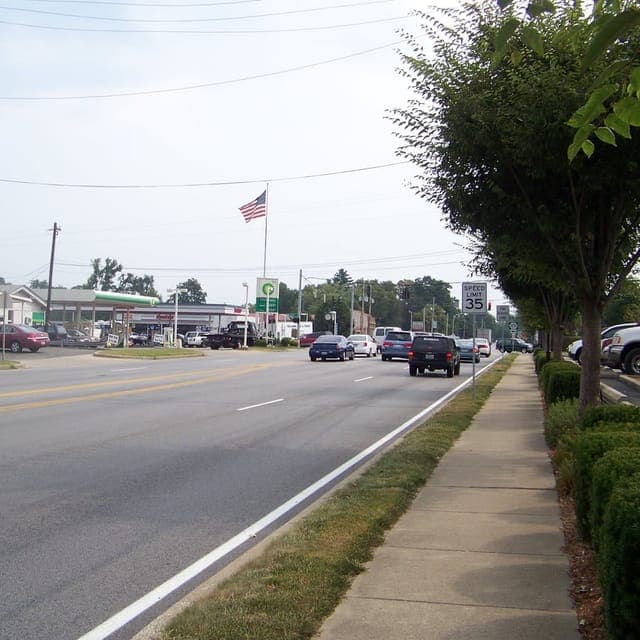
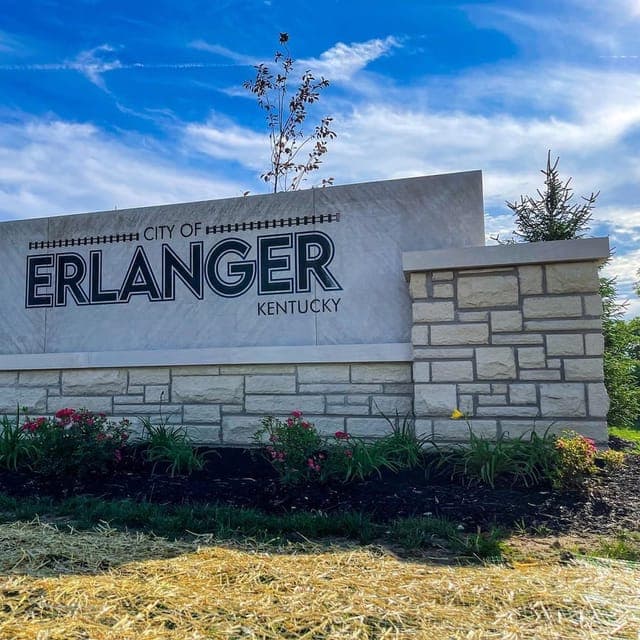
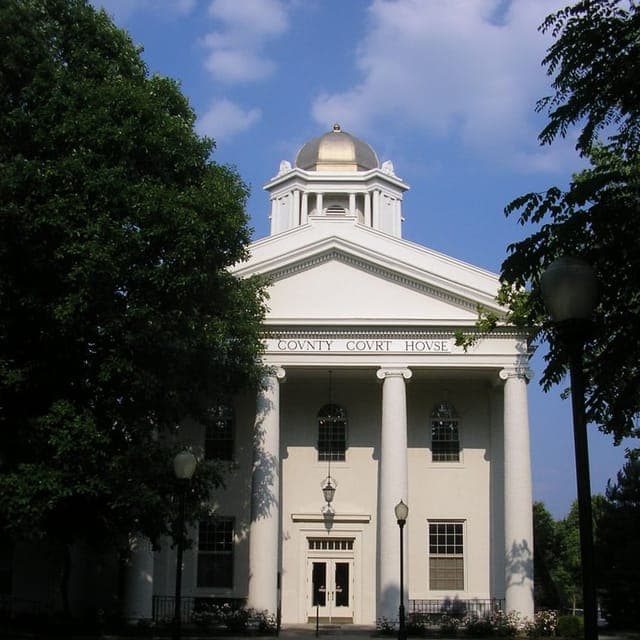
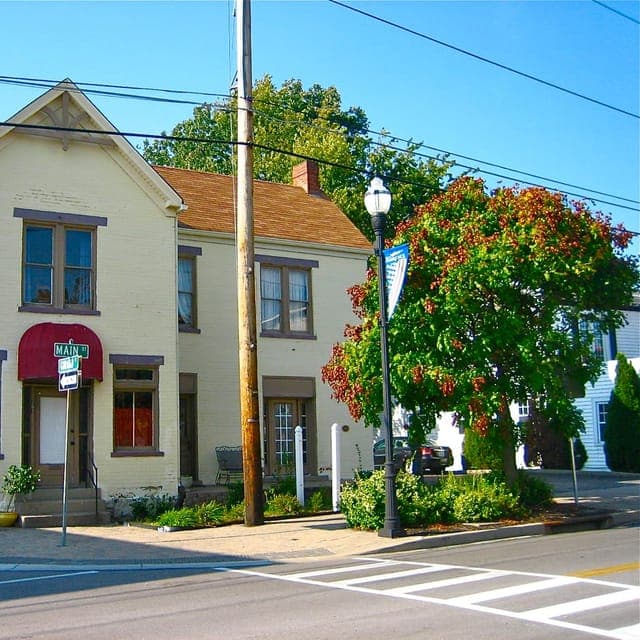
Cities in Kentucky
Largest Cities in Kentucky
What It's Like Living in Kentucky
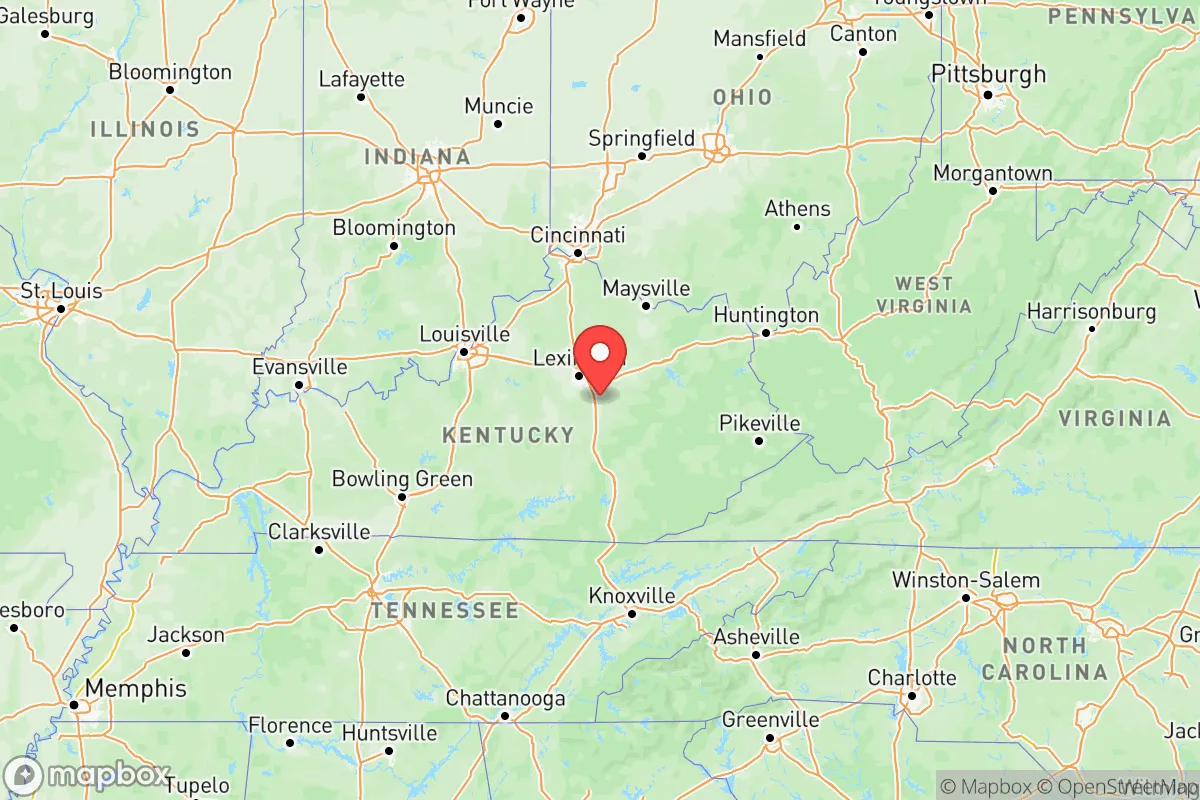
Kentucky is a state of contrasts, where the bourbon-soaked energy of Louisville and the horse-country elegance of Lexington give way to the quiet, coal-country hollows of the eastern mountains and the wide-open farmlands of the western Purchase region. Life here moves at a distinctly slower pace than the national average, shaped by deep family roots, a fierce pride in local traditions, and a cost of living that lets a median-income household actually breathe. Whether you’re raising kids in a suburban subdivision outside of Bowling Green or working remote from a restored farmhouse near Berea, the common thread is a sense of place that’s hard to find in more transient parts of the country.
Daily Rhythm: From the Bourbon Trail to the Backroads
For most Kentuckians, the day starts early. In the bluegrass region around Lexington, you’ll see horse farms stirring at dawn, while in Louisville, the coffee shops along Bardstown Road fill with a mix of healthcare workers from Norton Healthcare and creative types heading to local studios. Commutes are mercifully short — the state average is just over 24 minutes — so you’re not burning an hour of your life in traffic unless you’re crossing the Brent Spence Bridge from Covington into Cincinnati. Weekends often revolve around high school sports (football in the fall, basketball in the winter) or a trip to a local state park like Natural Bridge or Cumberland Falls. Grocery shopping means Kroger in most towns, but you’ll also find regional favorites like Houchens and IGA in smaller communities. Dining out leans heavily on comfort food: hot browns in Louisville, burgoo at any Derby party, and barbecue in Owensboro, where mutton is the specialty.
Sports & Community: Where Basketball Is a Religion
You cannot understand Kentucky without understanding its obsession with basketball. The University of Kentucky Wildcats in Lexington are a statewide institution — game days at Rupp Arena feel like a civic holiday, and even people who never attended UK follow recruiting like it’s national news. Louisville fans will argue for their Cardinals, and the rivalry is genuine but mostly good-natured. High school basketball is similarly intense, especially in rural counties where the local team is the biggest show in town. Football has a strong following too, particularly at the University of Louisville and at the high school level in programs like Trinity and St. Xavier in Louisville. But the real cultural touchstone is the Kentucky Derby at Churchill Downs — two weeks of parties, mint juleps, and a city-wide buildup that culminates in the first Saturday in May. It’s not just a horse race; it’s a statewide identity marker.
What’s There to Do: Bourbon, Bluegrass, and the Outdoors
Kentucky punches above its weight in entertainment. The Bourbon Trail draws visitors from around the world, but locals know the best spots are the smaller craft distilleries like Wilderness Trail in Danville or Hartfield & Company in Paris. Music is everywhere — from the bluegrass festivals in Owensboro and the Appalachian string-band traditions in Berea to the indie rock scene in Louisville’s Highlands neighborhood. Outdoor life is a major draw: the Red River Gorge near Slade offers world-class rock climbing and hiking, while Land Between the Lakes in the west provides 170,000 acres of hunting, fishing, and camping. For families, the Louisville Zoo and the Newport Aquarium are reliable weekend trips, and the Kentucky Science Center in Louisville is a hit with younger kids. The state’s many caverns, including Mammoth Cave (the world’s longest known cave system), offer a cool escape from summer humidity.
Pros and Cons of Living Here
Longtime residents will tell you the biggest upside is the cost of living. With a median home value of $192,300 and a cost-of-living index of 75 (25% below the national average), a family earning the state median income of $62,417 can actually afford a decent house and a reliable car. The violent crime rate of 197.1 per 100,000 is below the national average, though property crime can be an issue in certain Louisville and Lexington neighborhoods. The downsides are real: only 27% of adults hold a college degree, which limits the white-collar job market outside of healthcare and logistics (UPS’s Worldport hub in Louisville is a major employer). The weather is a mixed bag — humid summers, mild springs and falls, but winters that can bring ice storms that knock out power for days, especially in the eastern counties. Public schools vary wildly: districts like Beechwood in Fort Mitchell and Oldham County near Louisville are excellent, while rural districts in eastern Kentucky struggle with funding and enrollment declines. The state’s median age of 39.1 reflects a population that skews older in the countryside, while Louisville and Lexington attract younger singles and families. For the right person — someone who values community, outdoor access, and a slower rhythm — Kentucky offers a life that feels both grounded and affordable.

* Values derived from national, state, county, city and local statistics and may differ in a specific area. Last updated: 2026-04-18T22:38:41.000Z
Narrative content on this page is AI-generated and may contain mistakes. Verify any details that matter before acting on them.
ReloMaps may earn a commission from affiliate links at no extra cost to you.

