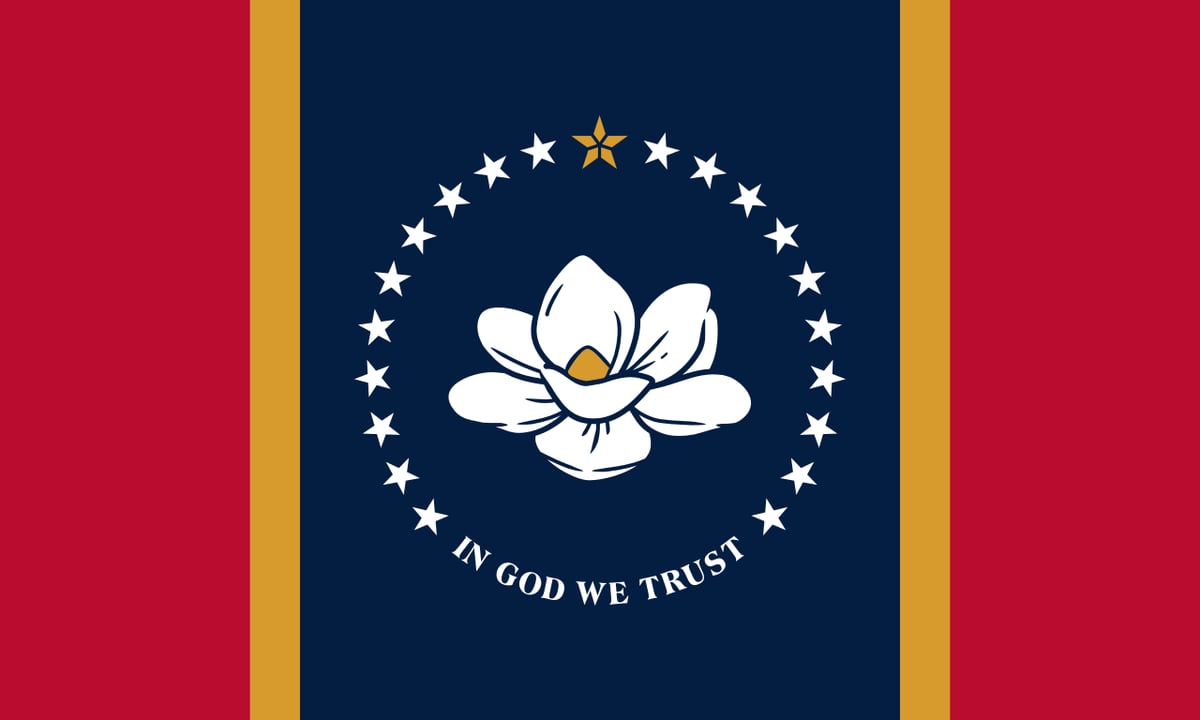
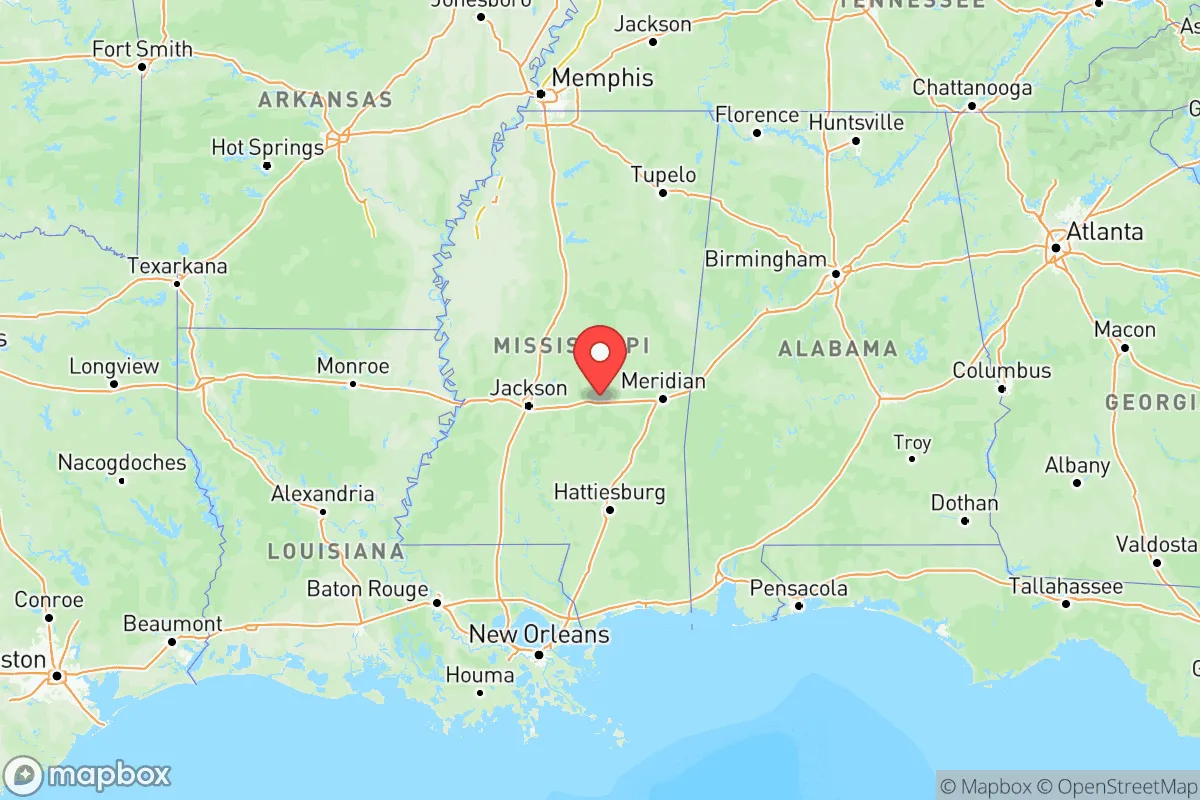
Photo: Wikipedia
Find The Best Places To Live
in Mississippi
PRO TIP! You can paste a Zillow or Redfin link to get info on that property.
Best Places to Live in Mississippi
Cities in Mississippi
Largest Cities in Mississippi
What It's Like Living in Mississippi
Living in Mississippi means trading the breakneck pace of other states for a rhythm that feels more deliberate, more rooted in place and people. Whether you’re in the capital city of Jackson, the coastal hub of Gulfport, or a smaller town like Oxford or Hattiesburg, the state’s identity is shaped by a deep sense of community, a slower daily cadence, and a culture that prizes hospitality and tradition. It’s a place where you’ll still get a wave from a stranger, where Friday night football is a genuine social event, and where the cost of living allows many to own a home and raise a family on a single income—but it also comes with real trade-offs in terms of economic opportunity and public services.
The Daily Rhythm: Where People Actually Go and What They Do
Daily life in Mississippi varies noticeably between its urban centers and rural stretches. In Jackson, the state’s largest city, the workday often revolves around state government, healthcare (the University of Mississippi Medical Center is a major employer), and a growing insurance sector. Commute times average a manageable 25.5 minutes, so you’re not burning hours in traffic like you would in Atlanta or Houston. After work, locals might grab a plate of fried catfish at The Elite or catch a show at the historic Capri Theatre. In Oxford, home to the University of Mississippi, the daily rhythm is more collegiate—coffee at Square Books, lunch at Ajax Diner, and evenings spent on the town square or at a baseball game at Swayze Field. In coastal Gulfport and Biloxi, life is shaped by the Gulf of Mexico: mornings on the water, afternoons at the casinos or the Lynn Meadows Discovery Center, and weekends spent fishing off the Biloxi pier. In rural areas, daily life is more self-contained—people shop at local grocery stores, eat at family-owned diners, and spend weekends on hunting leases or at church potlucks.
Sports, Community, and the Unifying Power of Friday Night
Sports are a central pillar of Mississippi’s social fabric, and they cut across every demographic. High school football is a genuine obsession in towns like Starkville and Hattiesburg, where Friday night games draw thousands of fans and serve as the week’s main social event. The state’s two major college programs—the University of Mississippi (Ole Miss) in Oxford and Mississippi State University in Starkville—create a friendly but fierce rivalry that splits families and workplaces. The Egg Bowl, their annual football matchup, is a state holiday in all but name. For pro sports fans, there’s no major-league team in Mississippi, so loyalty often leans toward the New Orleans Saints or the Atlanta Braves, depending on which side of the state you live on. This lack of a home pro team means college and high school sports carry even more weight—they’re the main events, not a warm-up act.
What’s There to Do: Festivals, Outdoors, and Local Flavor
Mississippi punches above its weight in entertainment and culture, especially considering its modest population of 2.95 million. The state is the birthplace of the blues, and that legacy is alive and well. In Clarksdale, you can visit Ground Zero Blues Club or walk the crossroads at Highways 61 and 49. The Mississippi Delta hosts the annual Juke Joint Festival, a celebration of authentic Delta blues that draws visitors from around the world. For outdoor enthusiasts, the state offers the Natchez Trace Parkway for cycling and hiking, the Gulf Islands National Seashore for beach days, and the Pascagoula River for kayaking through one of the last unimpeded river systems in the Lower 48. Food is a major draw—barbecue is serious business, with regional styles varying from the vinegar-based sauces of the Delta to the sweeter, tomato-based versions in the Pine Belt. Don’t miss the tamales, a Delta specialty that reflects the region’s unique cultural blend. In Hattiesburg, the Hub City Music Festival and the downtown art scene offer a more modern, creative energy.
Pros and Cons of Living Here: What Locals Love and What Frustrates Them
What people love: The cost of living is genuinely low. With a cost-of-living index of 71 (well below the national average of 100) and a median home value of $161,400, homeownership is attainable for many. The median household income of $54,915 goes further here than in most states. The pace of life is slower, which many find less stressful. The sense of community is strong—neighbors know each other, and people show up for one another in hard times. The food and music culture is world-class, and the natural beauty—from the Delta flatlands to the Gulf Coast beaches—is underappreciated.
What frustrates people: The state’s educational attainment is low, with only 24.2% of adults holding a college degree, which limits the types of jobs available and depresses wages in some sectors. The violent crime rate of 178.8 per 100,000 is a real concern, particularly in parts of Jackson and along the Gulf Coast. Public infrastructure—roads, broadband, and healthcare access in rural areas—can be inconsistent. The summer heat and humidity are intense, and hurricane season is a genuine annual worry for coastal residents. Politically, the state is deeply conservative, which can feel isolating for those with more progressive views, though for the target audience of this site, that alignment is often seen as a positive.
Mississippi offers a life that is affordable, community-focused, and rich in tradition, but it demands a tolerance for heat, a willingness to drive for certain services, and an acceptance of a slower economic engine. It’s a place where you can own a home, know your neighbors, and watch your kids play football under the Friday night lights—but you’ll need to be comfortable with trade-offs in education and public services that come with that lower cost of living.

* Values derived from national, state, county, city and local statistics and may differ in a specific area. Last updated: 2026-04-18T23:31:22.000Z
Narrative content on this page is AI-generated and may contain mistakes. Verify any details that matter before acting on them.
ReloMaps may earn a commission from affiliate links at no extra cost to you.

