Find The Best Places To Live
in North Dakota
PRO TIP! You can paste a Zillow or Redfin link to get info on that property.
Best Places to Live in North Dakota
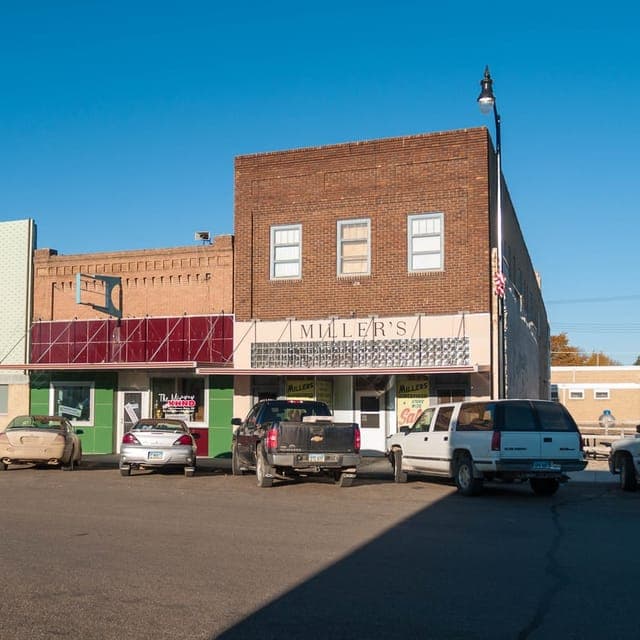
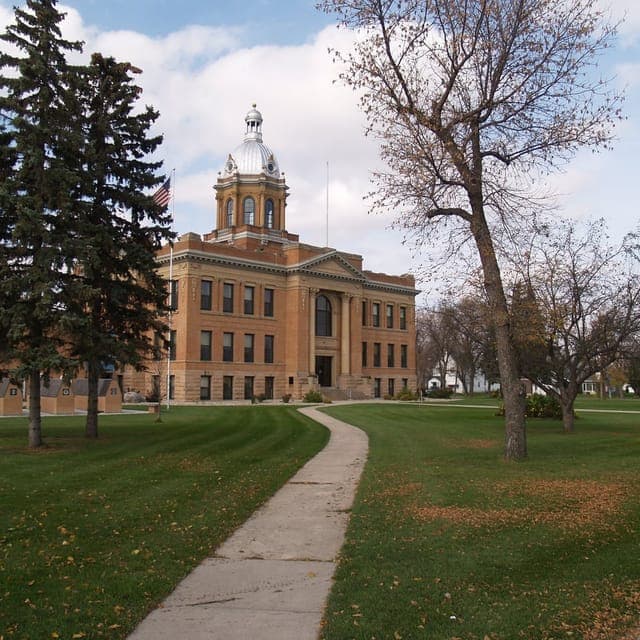
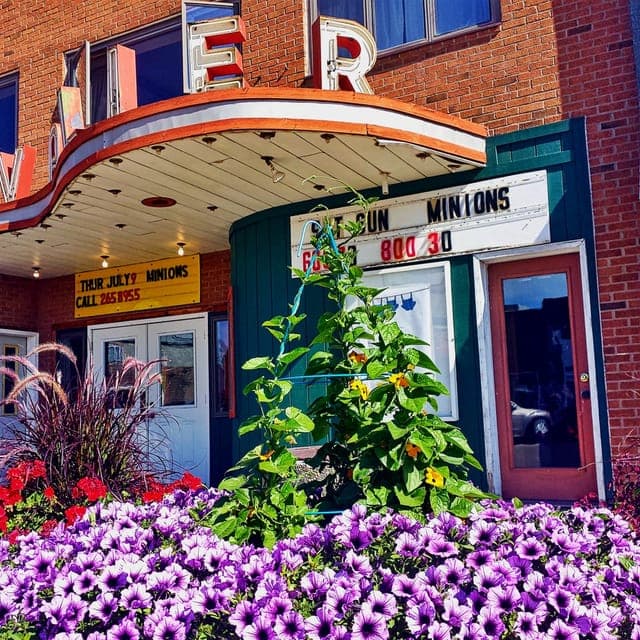
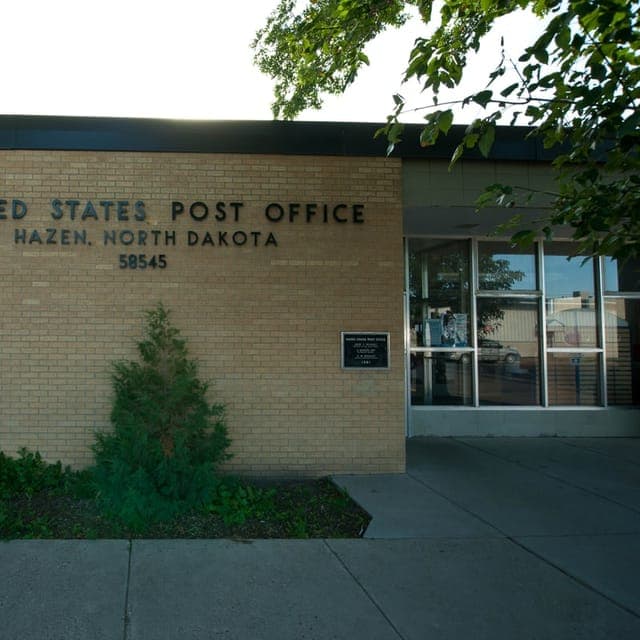
Cities in North Dakota
Largest Cities in North Dakota
What It's Like Living in North Dakota
Living in North Dakota means trading the constant noise of a crowded city for a slower, more deliberate pace of life, where the horizon stretches forever and people still hold doors for strangers. The state’s identity is split between the energy-driven bustle of places like Williston and Dickinson in the west, and the quieter, family-oriented rhythms of Fargo, Bismarck, and Grand Forks in the east. Whether you’re drawn to the wide-open spaces of the prairie or the tight-knit neighborhoods of a smaller city, life here is defined by a practical, no-nonsense attitude and a deep connection to the land and the seasons.
Daily Rhythm in the Peace Garden State
A typical weekday in North Dakota starts early, especially in the rural areas where farming and oil work demand daylight. In Fargo, the state’s largest city with a population just over 125,000, the morning commute averages a remarkably short 18 minutes — a figure that holds true across most of the state. You’ll spend less time in traffic and more time at home or at a local coffee shop like Brewtus’s in Bismarck or Twenty Below Coffee Co. in Fargo. After work, evenings often revolve around high school sports, church events, or a simple dinner at a family-run spot like the Toasted Frog in Grand Forks. Weekends are for getting outdoors: hunting pheasant near Jamestown, ice fishing on Lake Sakakawea, or hiking the Maah Daah Hey Trail in the Badlands near Medora. Shopping is practical — you’ll find national chains in the cities, but many locals still swear by the Fargo Farmers Market or the Dakota Square Mall in Minot for everyday needs.
Sports, Community, and the People Who Fit In
Sports are a central thread in the social fabric here, and they go far beyond the professional level. The North Dakota State University Bison football team in Fargo is a statewide obsession — their FCS championship runs have turned Saturday games into a near-religious experience, with tailgates that start at dawn. In Grand Forks, the University of North Dakota Fighting Hawks hockey team draws passionate crowds to the Ralph Engelstad Arena, one of the finest college hockey venues in the country. But the real heartbeat of local sports is high school athletics. Friday night football in a town like Valley City or Wahpeton can pull in half the town’s population, and the state basketball tournaments in Bismarck are a rite of passage. The kind of person who thrives here values community over anonymity — someone who doesn’t mind that everyone knows your name, and who finds comfort in shared traditions like the Norsk Høstfest in Minot, the largest Scandinavian festival in North America. The median age of 35.7 reflects a population that’s slightly younger than the national average, driven by families and workers in energy, agriculture, and healthcare. With a median household income of $75,949 — well above the national median — and a cost of living index of 82 (18% below the U.S. average), many residents find they can afford a comfortable home and a decent lifestyle on a single income.
What’s There to Do: Festivals, Outdoors, and Local Flavor
Entertainment in North Dakota is rooted in the outdoors and community celebrations. The Medora Musical, a summer outdoor variety show in the Badlands, draws visitors from across the region and captures the state’s cowboy spirit. For a more urban night out, Fargo’s downtown has evolved into a legit destination, with craft breweries like Drekker Brewing and live music at the Fargo Theatre. Bismarck offers the Northern Plains Botanic Garden and the Dakota Zoo, while Grand Forks has the Japanese Gardens and the Greenway, a 1,200-acre park system along the Red River. Hunting and fishing are not just hobbies — they’re a way of life. The state’s pheasant hunting is legendary, and the Missouri River system provides some of the best walleye fishing in the country. In winter, the rhythm shifts to ice fishing, snowmobiling, and cross-country skiing. A notable cultural quirk: the state takes its hotdish seriously — a casserole of meat, starch, and canned soup that shows up at every potluck. And yes, knoephla soup, a creamy potato and dumpling soup, is a legitimate comfort food staple in German-Russian communities.
Pros and Cons of Living Here
Longtime residents will tell you the upsides are real but come with trade-offs. On the positive side, the cost of living is genuinely low — a median home value of $241,100 means a young family can buy a three-bedroom house in a place like Mandan or West Fargo without being house-poor. The violent crime rate of 234.1 per 100,000 is below the national average, and most communities feel safe enough to leave doors unlocked. The downsides are equally honest: winters are long and harsh, with stretches of subzero temperatures and snow that can linger from November through April. The isolation can feel real, especially in the western oil patch where towns like Watford City have seen boom-and-bust cycles that strain infrastructure. And while the state is politically conservative — a fit for the target audience — some newcomers find the social scene limited if they’re not involved in church, sports, or hunting. The college-educated rate of 32.3% is slightly below the national average, which reflects the state’s strong blue-collar base in agriculture and energy, but also means fewer white-collar job opportunities outside of Fargo and Bismarck. Still, for someone who values space, safety, and a strong sense of community, North Dakota offers a life that’s hard to replicate elsewhere.

* Values derived from national, state, county, city and local statistics and may differ in a specific area. Last updated: 2026-06-16T04:23:01.000Z
Narrative content on this page is AI-generated and may contain mistakes. Verify any details that matter before acting on them.
ReloMaps may earn a commission from affiliate links at no extra cost to you.

