Photo: Wikipedia
Find The Best Places To Live
in Hawaii
PRO TIP! You can paste a Zillow or Redfin link to get info on that property.
Best Places to Live in Hawaii


Cities in Hawaii
Largest Cities in Hawaii
What It's Like Living in Hawaii
Living in Hawaii means trading the mainland’s four seasons for a year-round rhythm of trade winds, ocean swells, and plate lunches. Whether you’re in the high-rise bustle of Honolulu or the quiet ranch town of Waimea on the Big Island, the state’s 1.4 million residents share a culture built on aloha—a real, practiced sense of mutual respect—and a cost of living that forces hard choices. The median home value of $808,200 and a cost of living index of 215 (more than double the U.S. average) mean that even six-figure earners often live in modest condos or multi-generational homes. For single professionals and parents considering a move, the question isn’t just “can I afford it?” but “can I adapt to island time and the talk story pace of life?”
Daily Rhythm: From Honolulu High-Rises to Hilo Humidity
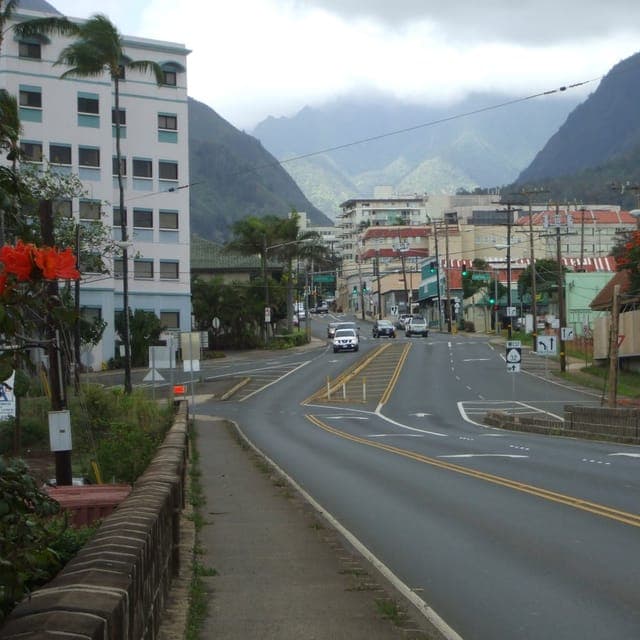
Daily life in Hawaii varies dramatically by island and neighborhood. In urban Honolulu, the commute averages 26 minutes—short by mainland standards—but traffic on the H-1 freeway can turn a 10-mile drive into an hour-long crawl during rush hour. Many residents in Kapolei or Ewa Beach leave home by 6 a.m. to beat the gridlock. Once at work, the day often includes a lunch break at a local plate lunch spot (think L&L Drive-Inn or a family-run okazuya for teriyaki chicken and mac salad). After work, locals head to the beach: Ala Moana Beach Park for families, or Sandy Beach for bodysurfers. On the neighbor islands, life slows down. In Hilo, the Big Island’s largest town, people shop at the Hilo Farmers Market for $2 papayas and spend weekends hiking to Akaka Falls or checking the surf at Honoli’i. The kind of person who fits here is someone who values outdoor access over nightlife, doesn’t mind humidity (Hilo averages 130 inches of rain a year), and can handle the isolation of being 2,500 miles from the nearest continent.
Sports & Community: High School Football and the University of Hawaii
Sports in Hawaii are a community glue, not just entertainment. University of Hawaii Rainbow Warriors football games at the Clarence T.C. Ching Athletics Complex in Honolulu draw 9,000 fans on a good night, but the real passion is high school sports. On Oahu, Saint Louis School and Punahou School pack stadiums for football rivalries that feel like mini-college games. On Maui, the Maui Invitational basketball tournament brings mainland teams to Lahaina, but locals care more about the Maui County Fair and the annual Hula Bowl. For parents, youth sports—especially surfing, soccer, and volleyball—are central to weekends. The state’s median age of 40.6 means many families are raising kids here, and the 35.5% college-educated population supports a robust network of after-school programs. A notable cultural quirk: “talk story”—the local habit of lingering after a game or at the grocery store to chat—means errands take longer, but relationships run deeper.
What’s There to Do: Festivals, Food, and the Outdoors
Entertainment in Hawaii leans heavily on the natural environment, but there are distinct urban and rural flavors. On Oahu, the Honolulu Night Market at Ward Village features local artisans and food trucks, while the Kuhio Beach hula shows in Waikiki draw tourists and locals alike. On the Big Island, the Merrie Monarch Festival in Hilo is the world’s premier hula competition, drawing thousands each April. For food, Helena’s Hawaiian Food in Honolulu is a James Beard Award-winning spot for kalua pig and poi, while on Kauai, the Kauai Culinary Market in Poipu offers fresh poke and lilikoi cheesecake. Outdoor activities dominate weekends: hiking the Koko Head stairs on Oahu, snorkeling at Molokini Crater off Maui, or stargazing at Mauna Kea on the Big Island. A major con: the cost of recreation. A round of golf at a resort course can run $200, and even a simple beach day requires parking fees in popular spots like Kailua Beach Park. For families, the Bishop Museum in Honolulu and the Maui Ocean Center are popular rainy-day options, but both cost $25-30 per person.
Pros and Cons of Living Here: What Locals Love and Lament
Longtime residents love the weather—year-round temperatures between 70-85°F—and the community feel of small towns like Hanalei on Kauai or Paia on Maui. They value the low violent crime rate of 215 per 100,000 (below the national average) and the fact that neighbors actually know each other. But frustrations are real. The cost of living is the top complaint: a median income of $98,317 sounds high, but after rent (a two-bedroom in Honolulu averages $2,800) and groceries (milk at $6 a gallon), savings are thin. Island fever—the feeling of being trapped—hits newcomers hard, especially on the neighbor islands where flights to Oahu cost $100 one-way. Traffic on Oahu is a daily grind, and school quality varies wildly; parents often pay $15,000 a year for private schools like Punahou or Iolani to avoid underfunded public options. For single people, the dating pool is small—especially on Maui or the Big Island—and the transient population means many friendships last only a year or two before someone moves back to the mainland. Still, for those who embrace the pace, the aloha spirit is real: a wave from a stranger in a Kona parking lot, a shared cooler of beer at a beach potluck, and the knowledge that you’re living in one of the most unique places on earth.

* Values derived from national, state, county, city and local statistics and may differ in a specific area. Last updated: 2026-06-03T05:30:39.000Z
Narrative content on this page is AI-generated and may contain mistakes. Verify any details that matter before acting on them.
ReloMaps may earn a commission from affiliate links at no extra cost to you.

