Photo: Wikipedia
Find The Best Places To Live
in Nevada
PRO TIP! You can paste a Zillow or Redfin link to get info on that property.
Best Places to Live in Nevada
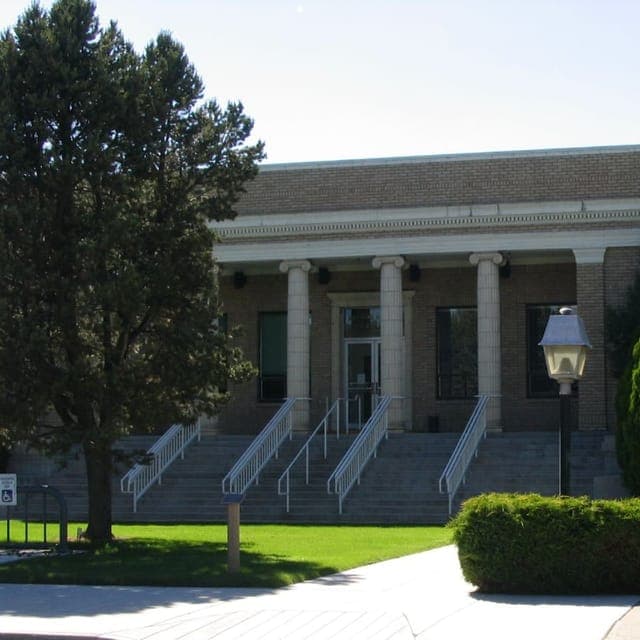
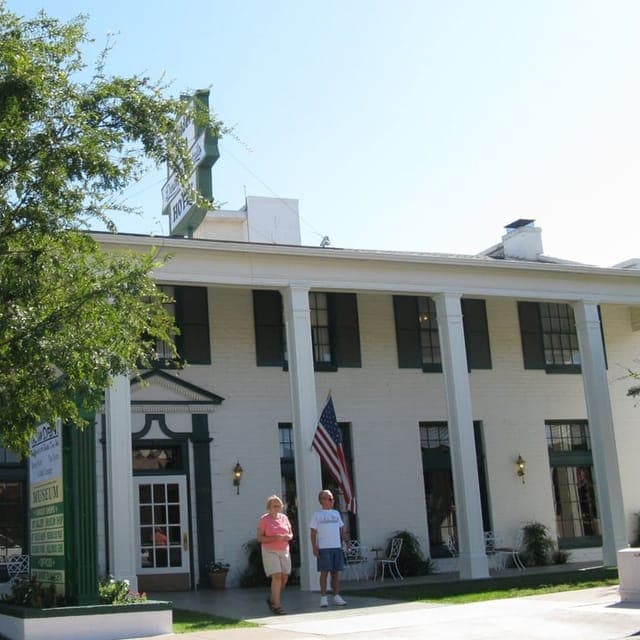
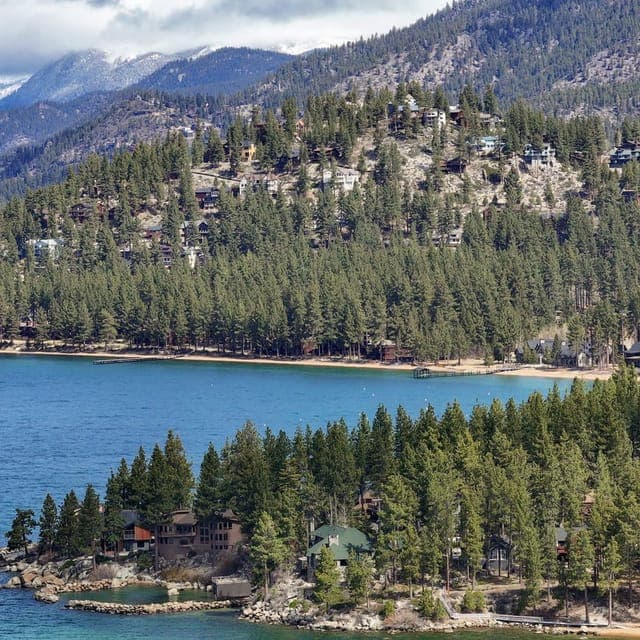
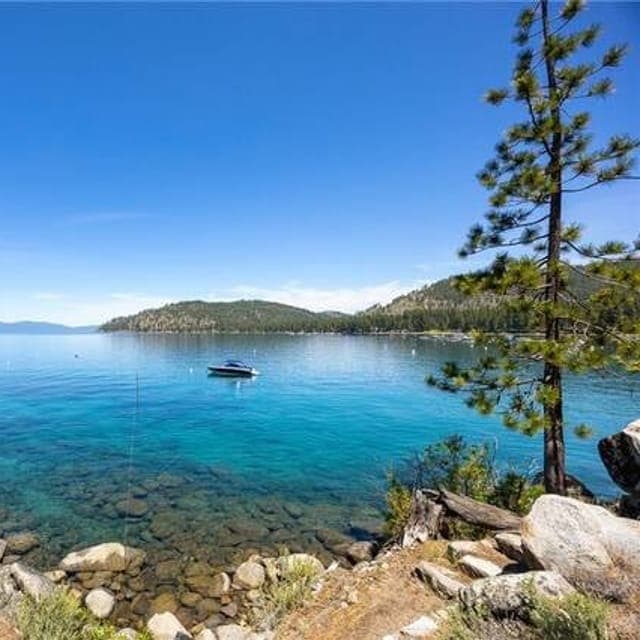
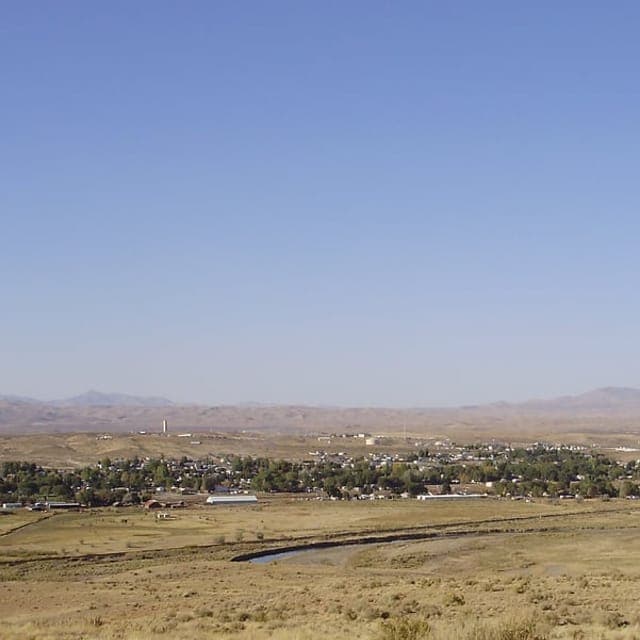
Cities in Nevada
Largest Cities in Nevada
What It's Like Living in Nevada
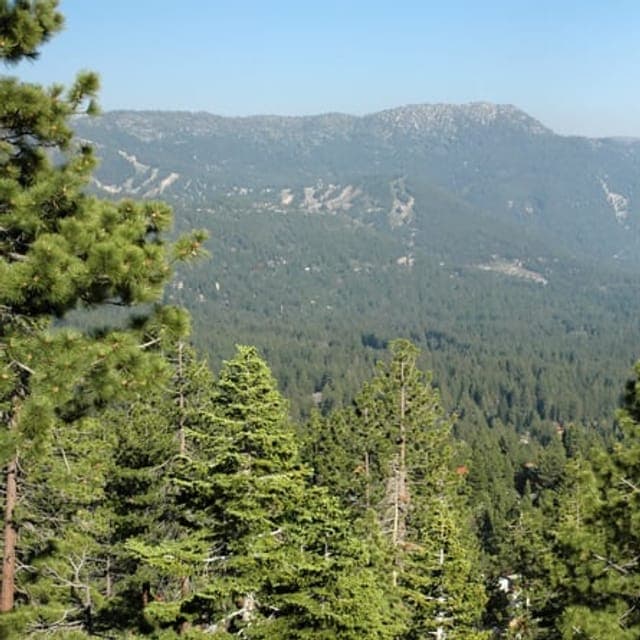
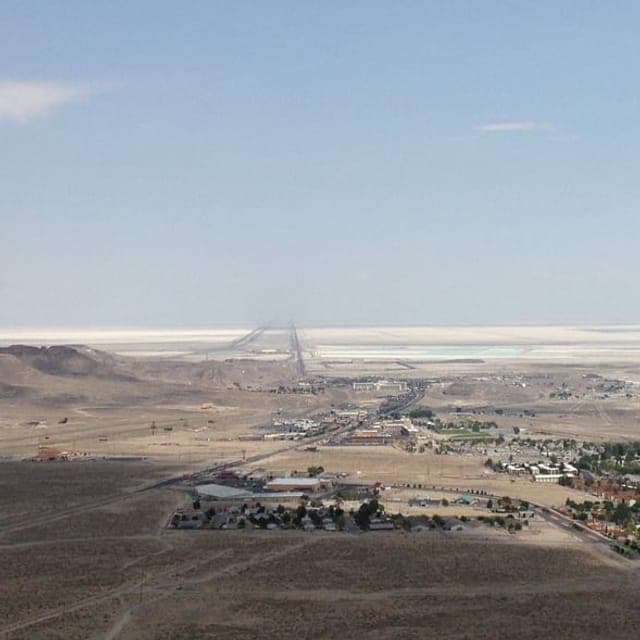
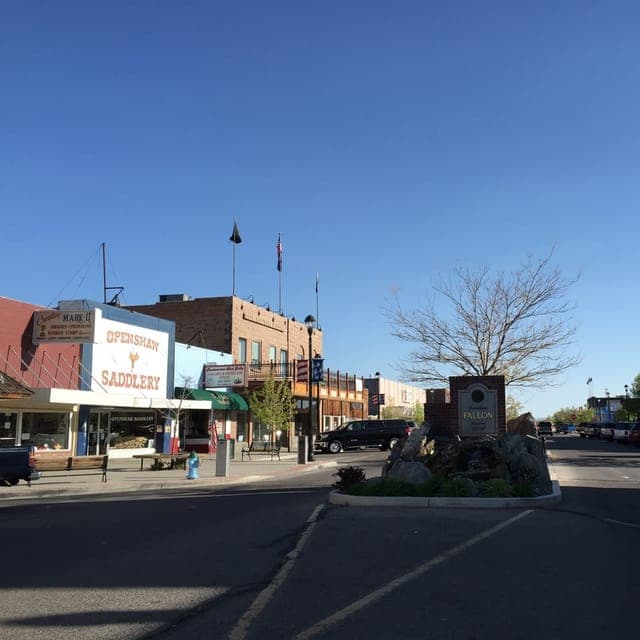
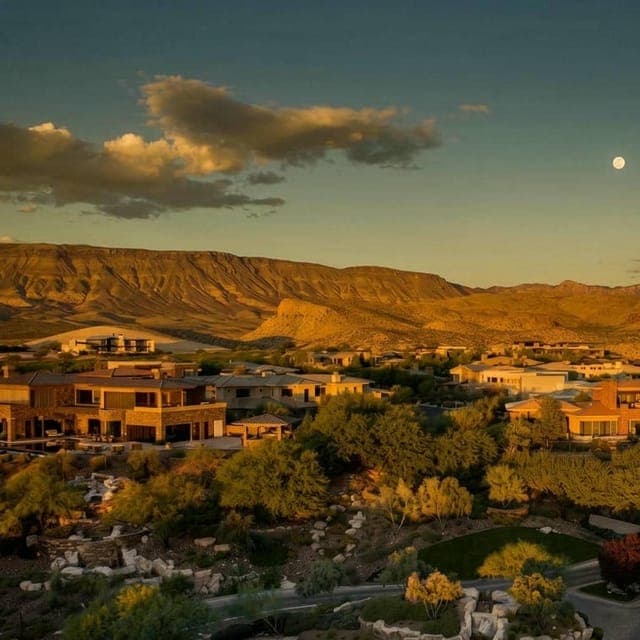
Living in Nevada means signing up for a life defined by stark contrasts — the neon pulse of the Las Vegas Strip versus the quiet, wide-open spaces of places like Elko and Ely, the blistering heat of the Mojave Desert versus the pine-covered slopes around Lake Tahoe. It’s a state where a person can be a high-roller in a casino one night and hiking a red-rock canyon by sunrise the next. For a conservative-leaning audience, the appeal often lies in Nevada’s low-tax structure and hands-off government approach, but the reality of daily life varies dramatically depending on whether you’re in a sprawling suburb like Henderson or a ranching town like Fallon.
The Daily Rhythm: From Suburban Sprawl to Rural Quiet
In the Las Vegas metro area, which holds roughly three-quarters of the state’s 3.1 million residents, daily life revolves around the 24-hour economy. People work in hospitality, construction, or logistics, and the commute averages just under 25 minutes — short by big-city standards, but the traffic on the I-15 through the "Spaghetti Bowl" interchange can test anyone’s patience. Weekends in Henderson often mean hitting the Green Valley Ranch Resort pool or catching a movie at the District, while families in Summerlin pack the Red Rock Canyon trails before the heat sets in. Up north, Reno feels more like a scaled-down Denver: a mid-sized city with a growing tech sector (think Tesla’s Gigafactory in nearby Sparks) and a downtown that’s shed its casino-only reputation for craft breweries and riverfront parks. In rural towns like Winnemucca or Pahrump, life slows way down — people know their neighbors, the local diner is the social hub, and the biggest event might be the county fair or a high school rodeo.
Sports, Community, and the Local Identity
Nevada doesn’t have a traditional "hometown" pro sports culture like Texas or Ohio, but that’s changing fast. The Las Vegas Raiders (NFL) and Vegas Golden Knights (NHL) have injected a new energy into the valley. A Golden Knights home game at T-Mobile Arena is a genuine spectacle — locals pack the place in gold jerseys, and the "knight" theme is embraced with surprising earnestness. College sports are less dominant, but the UNLV Runnin’ Rebels basketball program still draws nostalgic crowds at the Thomas & Mack Center. In the north, the Reno Aces (Triple-A baseball) offer a cheap, family-friendly night out. High school football is a big deal in the suburbs — Bishop Gorman in Las Vegas is a statewide powerhouse — but it doesn’t consume the community the way it does in Texas or the Deep South. The state’s real identity is tied to its geography: the Burning Man festival in the Black Rock Desert, the National Finals Rodeo in Las Vegas, and the endless public lands for hunting, off-roading, and shooting. That libertarian, "live and let live" streak runs deep — Nevadans are proud of their state’s independence, and they don’t take kindly to outsiders telling them how to live.
What’s There to Do (and What Frustrates People)
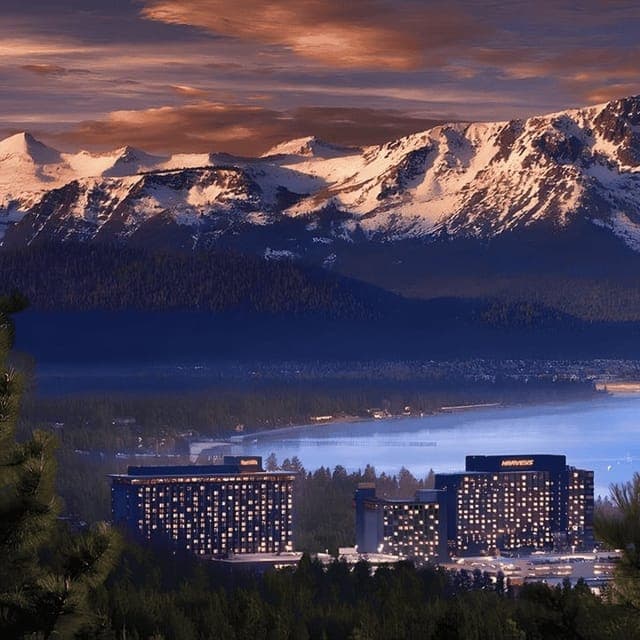
The entertainment options are genuinely world-class in the south. You’ve got the Smith Center for performing arts, the Las Vegas Ballpark for minor-league baseball, and a food scene that ranges from $2 shrimp cocktails at the Golden Gate to Michelin-starred tasting menus at Joël Robuchon. In Reno, the Artown festival fills July with music and theater, and Lake Tahoe is a 45-minute drive for skiing at Heavenly or Northstar. The downsides? The heat is no joke — from June through September, outdoor activity is limited to early mornings or evenings, and air conditioning runs nonstop. The violent crime rate of 371.5 per 100,000 is higher than the national average, and it’s concentrated in specific parts of Las Vegas (like the area around the Stratosphere) and Reno (near the downtown corridor). Suburbs like Henderson and Sparks are significantly safer. Another frustration is education: Nevada consistently ranks near the bottom nationally in K-12 outcomes, and only 27.4% of adults hold a college degree. Families who can afford it often opt for private or charter schools, especially in Summerlin and South Reno.
Pros and Cons of Living Here
- Pro: No state income tax. This is the big one. Your paycheck goes further, and retirees love it. The trade-off is higher sales and property taxes, but the median home value of $406,100 is still below the national average for a major metro.
- Pro: Outdoor access. You can ski at Tahoe in the morning and hike in Red Rock Canyon by afternoon — a 90-minute drive. Rural areas offer unmatched solitude for hunting, fishing, and stargazing.
- Con: The cost of living is real. The index sits at 134 (34% above the U.S. average), driven by housing and utilities. A decent home in a safe suburb like Henderson or Reno will run you $450,000-$600,000. Rents are also high — expect $1,500+ for a one-bedroom in a desirable area.
- Con: Transient population. Many people move to Nevada for work or a fresh start, then leave after a few years. It can feel hard to build deep, lasting friendships, especially in Las Vegas. The median age of 38.9 reflects a relatively young, mobile workforce.
- Con: Limited public services. The "low tax, low service" model means roads can be rough, public schools are underfunded, and healthcare access is sparse outside the two major metros. In towns like Ely or Tonopah, you might drive 100 miles for a specialist.
Ultimately, Nevada is a state for people who value freedom and flexibility over community rootedness and public amenities. It works best for those with a decent income, a tolerance for heat and dust, and a willingness to drive for the things they need. If that sounds like you, places like Henderson, Sparks, or even Mesquite (a quieter, cheaper alternative near the Arizona border) offer a solid, affordable base with the Strip’s chaos kept at arm’s length.

* Values derived from national, state, county, city and local statistics and may differ in a specific area. Last updated: 2026-04-16T01:51:34.000Z
Narrative content on this page is AI-generated and may contain mistakes. Verify any details that matter before acting on them.
ReloMaps may earn a commission from affiliate links at no extra cost to you.

