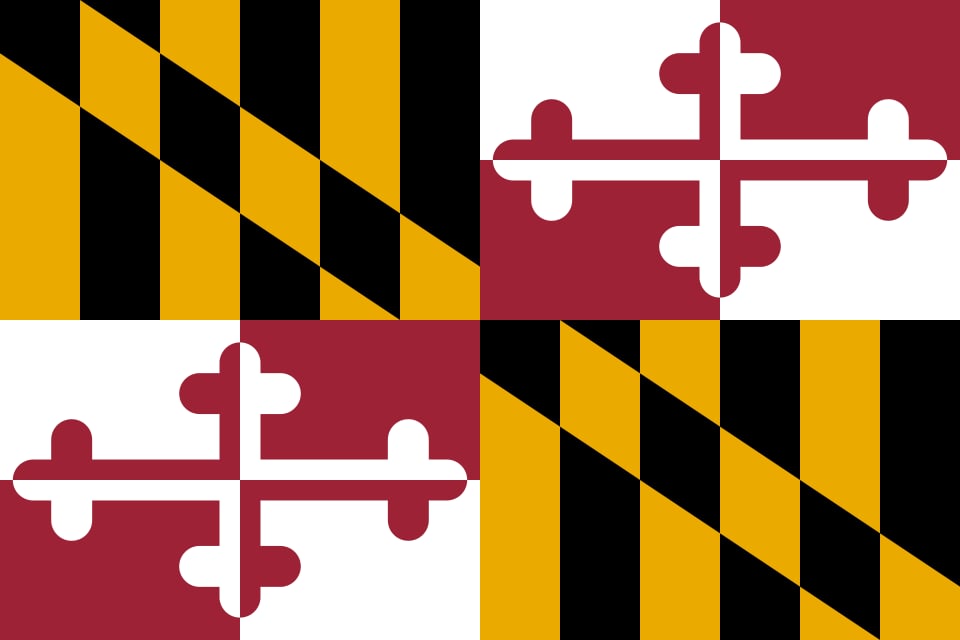
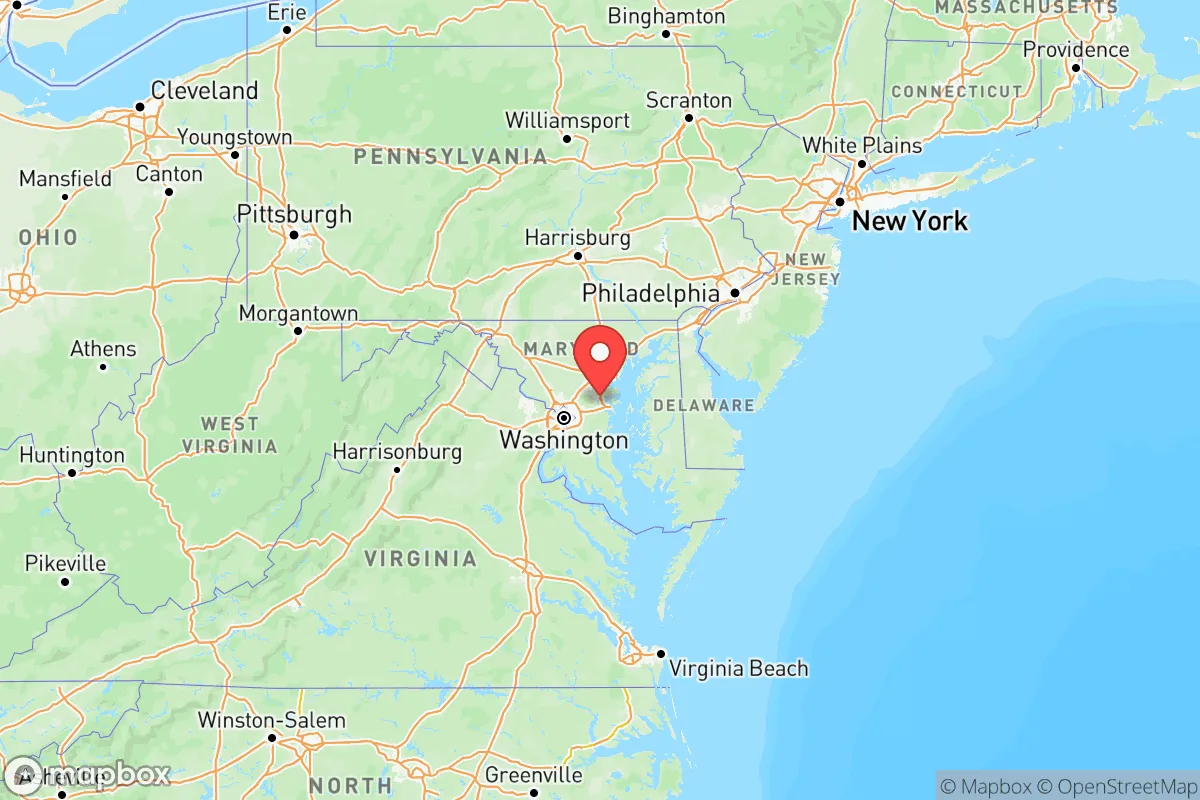
Photo: Wikipedia
Find The Best Places To Live
in Maryland
PRO TIP! You can paste a Zillow or Redfin link to get info on that property.
Best Places to Live in Maryland
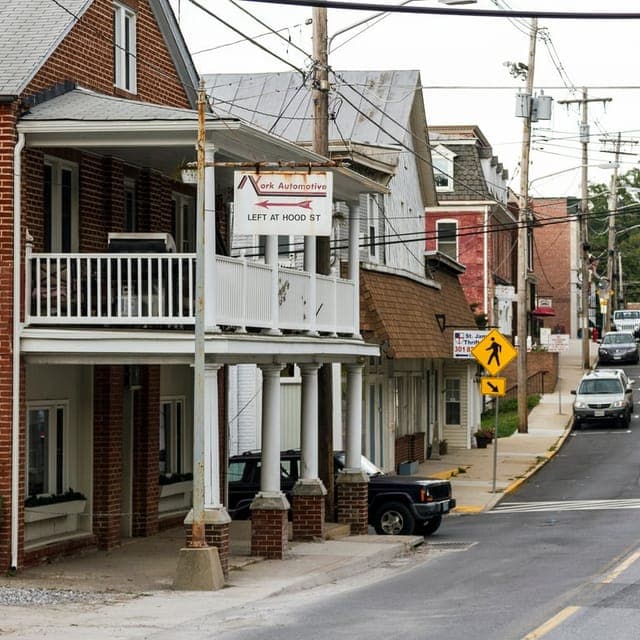
Cities in Maryland
Largest Cities in Maryland
What It's Like Living in Maryland
Maryland is a state of stark contrasts, where the urban energy of Baltimore and the D.C. suburbs gives way to the quiet farmland of the Eastern Shore and the rugged mountains of Western Maryland. Living here means navigating a place that feels like multiple states in one, with a cost of living that reflects its proximity to the nation's capital and a culture deeply shaped by the Chesapeake Bay. Whether you're a single professional in Bethesda or a parent raising kids in Frederick, the experience varies dramatically depending on which part of the state you call home.
Daily Rhythm: From the Beltway to the Bay
For most Marylanders, daily life is defined by the commute. The average commute time of just over 31 minutes is one of the longest in the country, and it's a reality for anyone living in the D.C. suburbs like Silver Spring, Columbia, or Rockville. Traffic on the Capital Beltway (I-495) and I-95 is a near-constant grind, and locals have learned to plan their errands around rush hour. In contrast, life in Frederick or Hagerstown feels more relaxed, with a stronger sense of local community and less reliance on D.C. for employment. On weekends, many families head to the Chesapeake Bay for crabbing or sailing, while others explore the Appalachian Trail in Western Maryland. The state's median age of 39.3 reflects a mix of young professionals and established families, with a high percentage of college-educated residents (42.7%) driving the knowledge economy in the D.C. corridor.
Sports & Community: The Ravens, Terps, and Friday Night Lights
Sports are a unifying force in Maryland, but the loyalties are split. In Baltimore, the Ravens are a religion, with purple jerseys everywhere on game day and a passionate fanbase that packs M&T Bank Stadium. The Orioles have a more nostalgic following, with Camden Yards still considered one of baseball's best ballparks. College sports are huge too, with the University of Maryland's Terrapins drawing crowds in College Park for basketball and football. High school football is a big deal in places like Gaithersburg and Waldorf, where Friday-night games are community events. For a more laid-back scene, the Baltimore Blast indoor soccer team and the Chesapeake Bayhawks lacrosse team offer affordable, family-friendly entertainment. Lacrosse itself is practically a state sport, with youth leagues and high school tournaments drawing huge participation across the state.
What's There to Do: Festivals, Food, and the Outdoors
Maryland's entertainment options are as varied as its geography. In Baltimore, the Inner Harbor is a tourist hub with the National Aquarium and the Maryland Science Center, but locals know to hit Fells Point for its cobblestone streets and seafood joints, or Hampden for quirky shops and the annual HonFest celebrating Baltimore's unique dialect. The Maryland Renaissance Festival in Crownsville is a massive fall tradition, drawing crowds for turkey legs and jousting. On the Eastern Shore, St. Michaels and Easton offer charming waterfront dining and the Waterfowl Festival, while Deep Creek Lake in Western Maryland is a year-round destination for boating, skiing, and hiking. The state's median income of $101,652 supports a robust dining scene, from crab shacks in Annapolis to upscale farm-to-table restaurants in Frederick. The cost of living index of 142 is a major con, especially for housing, with the median home value at $397,700—a figure that feels steep in rural areas but cheap compared to D.C. or Northern Virginia.
Pros and Cons of Living Here
- What locals love: The proximity to both the Chesapeake Bay and the Appalachian Mountains means outdoor recreation is always close. The public schools in counties like Montgomery and Howard are among the best in the nation, and the job market in the D.C. suburbs is strong, especially in government, defense, and biotech. The seafood is unbeatable, and the state's small size makes weekend trips to the beach or the mountains easy.
- What frustrates them: The traffic is relentless, and the cost of living is a constant strain for middle-class families. The violent crime rate of 351.4 per 100,000 is a real concern in parts of Baltimore and Prince George's County, though most suburban and rural areas are very safe. The weather can be a mixed bag—humid summers, mild winters, and the occasional hurricane threat from the Atlantic. Property taxes are high, and the state's political leanings (solidly Democratic) can feel alienating for conservative-leaning residents, especially in more rural areas like Garrett County or the Eastern Shore.
Maryland is a state that rewards those who can navigate its complexities. It's not the easiest place to live, but for the right person—someone who values education, career opportunity, and a mix of urban and natural amenities—it can feel like home. The key is choosing the right corner of the state, whether that's the fast-paced suburbs of Bethesda, the historic charm of Annapolis, or the quiet farmland of Queen Anne's County.

* Values derived from national, state, county, city and local statistics and may differ in a specific area. Last updated: 2026-04-18T22:47:10.000Z
Narrative content on this page is AI-generated and may contain mistakes. Verify any details that matter before acting on them.
ReloMaps may earn a commission from affiliate links at no extra cost to you.

