Photo: Wikipedia
Find The Best Places To Live
in Arkansas
PRO TIP! You can paste a Zillow or Redfin link to get info on that property.
Best Places to Live in Arkansas
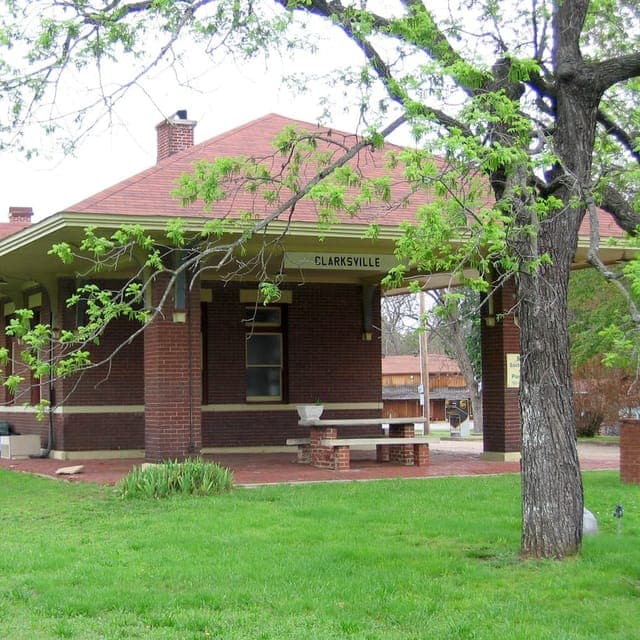
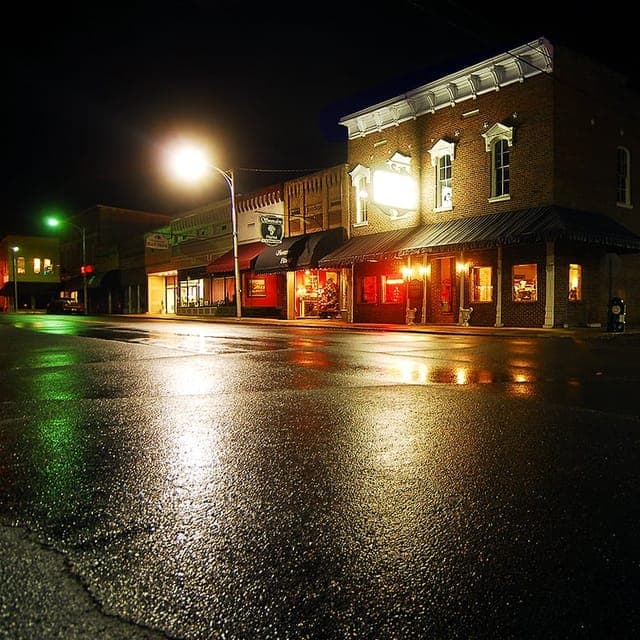
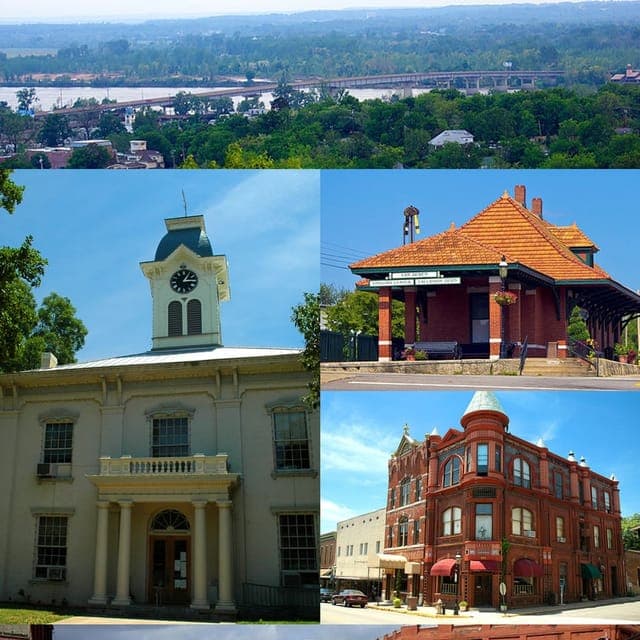
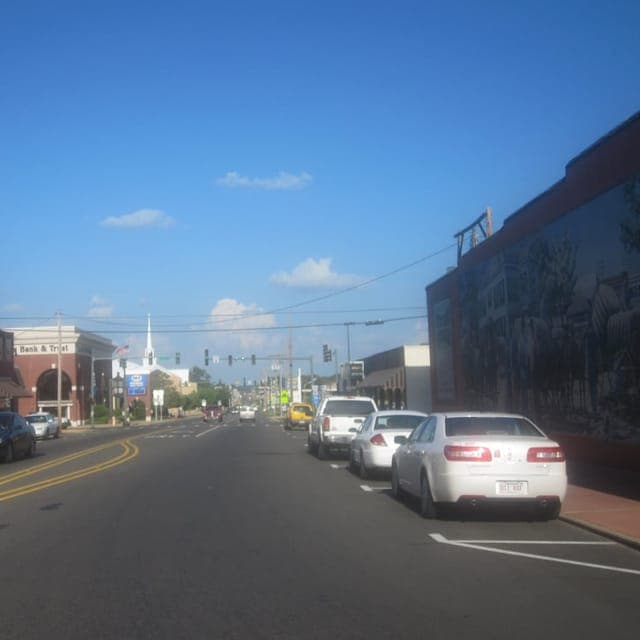
Cities in Arkansas
Largest Cities in Arkansas
What It's Like Living in Arkansas
Arkansas is a state that wears its contradictions on its sleeve—you’ll find bustling college towns like Fayetteville and quiet Delta hamlets like Helena-West Helena within a two-hour drive, and the culture shifts just as dramatically as the landscape. Life here moves at a slower pace than the national average, but that’s part of the draw for many residents, especially those priced out of Texas or Colorado who discover that a median home value of $175,300 buys a lot more than a starter home elsewhere. Whether you’re raising kids in the suburbs of Bentonville or starting fresh in the River Market district of Little Rock, Arkansas offers a distinctly Southern, down-to-earth rhythm that rewards self-reliance and neighborly connection.
Daily Rhythm: From Ozark Hikes to Delta Flatlands
A typical weekday in Arkansas starts early, especially in the northwest corner where Walmart’s headquarters in Bentonville and the University of Arkansas in Fayetteville pull thousands into the office by 7:30 AM. The average commute of 22 minutes is one of the shortest in the country—you can live in a rural pocket of Rogers and still get to work in Springdale in under half an hour. In contrast, Little Rock commuters face slightly longer drives, but even the worst traffic on Interstate 630 rarely rivals what you’d see in Dallas or Atlanta. After work, many Arkansans head straight outdoors: the Buffalo National River draws floaters and campers from April through October, while Pinnacle Mountain State Park just west of Little Rock offers a quick after-work hike that feels a world away from the city.
Weekends are often spent at local farmers’ markets—the Fayetteville Farmers’ Market is one of the oldest and largest in the region—or catching a show at the Arkansas Museum of Fine Arts in Little Rock. High school football is a genuine community anchor in towns like Bryant and Greenwood, where Friday-night games pack bleachers with parents, grandparents, and former players. The state’s median age of 38.4 means you’ll find a mix of young families and empty-nesters, but fewer single twenty-somethings than in Nashville or Austin; the social scene leans heavily on church groups, outdoor clubs, and neighborhood gatherings rather than a bustling nightlife district.
Sports & Community: Razorback Fever and Friday-Night Lights
If you live in Arkansas, you quickly learn that the University of Arkansas Razorbacks are not just a sports team—they’re a unifying identity that crosses political and geographic lines. From the football games at Donald W. Reynolds Razorback Stadium in Fayetteville to the basketball games at Bud Walton Arena, the Hogs dominate fall and winter weekends. In smaller towns like Nashville (Arkansas, not Tennessee) or Prescott, high school basketball and baseball tournaments are major social events, often drawing crowds that rival the local population. The state has no major professional sports team, which means the Razorbacks fill that void completely—expect to see “Woo Pig Sooie” chanted at weddings, grocery stores, and even church picnics.
For those who prefer playing to watching, Arkansas is a paradise for hunters and anglers. The state’s 9,700 miles of streams and rivers, including the White River and the Arkansas River, support world-class trout and bass fishing. Deer hunting is practically a seasonal obligation in rural areas, with many schools even closing for the first day of modern gun season. If you’re not into camo and coolers, you might feel a bit out of place in towns like Mountain Home or Harrison, where outdoor recreation is the primary social currency.
What’s There to Do: Festivals, Food, and the Natural State
Arkansas punches above its weight in festivals and local food. The annual Bentonville Film Festival, founded by Geena Davis, draws indie filmmakers and celebrities to northwest Arkansas each June, while the Arkansas State Fair in Little Rock offers a more traditional slice of life with livestock shows and carnival rides. For music lovers, George’s Majestic Lounge in Fayetteville has hosted everyone from Johnny Cash to Willie Nelson, and the King Biscuit Blues Festival in Helena-West Helena celebrates the Delta blues heritage every October. Food-wise, you can’t skip the fried catfish at Craig’s Bar-B-Q in DeValls Bluff or the cheese dip—yes, cheese dip was invented in Arkansas, at the Mexico Chiquito chain in Little Rock.
The state’s natural beauty is its strongest selling point. The Ozark Mountains offer hundreds of miles of hiking and mountain biking trails, with the Ozark Highlands Trail stretching 218 miles from Lake Fort Smith to the Buffalo River. Hot Springs National Park in the town of Hot Springs gives you the chance to soak in thermal baths that have drawn visitors since the 1800s, and the nearby Ouachita National Forest provides quiet camping spots far from any light pollution. For families, the Museum of Discovery in Little Rock and the Amazeum in Bentonville are hands-on science centers that keep kids engaged on rainy weekends.
Pros and Cons of Living Here
Let’s be honest: Arkansas isn’t for everyone, and that’s okay. The cost of living index of 72 (well below the national average of 100) means your paycheck goes further here than in most states—a median income of $58,773 can support a comfortable middle-class lifestyle, especially with home values around $175,300. But the trade-off is that only 25.1% of adults hold a college degree, which limits job opportunities in specialized fields like tech or biotech outside of northwest Arkansas. The violent crime rate of 496.8 per 100,000 residents is higher than the national average, though it’s concentrated in specific neighborhoods of Little Rock and Pine Bluff rather than being a statewide issue.
- What residents love: Affordable housing, short commutes, abundant outdoor recreation, strong sense of community, and a slower pace that reduces stress.
- What frustrates them: Limited job diversity outside of retail/logistics (Walmart, Tyson Foods, JB Hunt), hot and humid summers that can last from May through September, and a lack of major cultural attractions compared to larger metros.
- Cultural quirks: The phrase “bless your heart” is used sincerely and sarcastically in equal measure; sweet tea is the default beverage at most restaurants; and you’ll rarely find a liquor store open on Sunday outside of a few counties.
For single individuals, the dating scene is strongest in Fayetteville and Little Rock, where the presence of universities and hospitals brings in younger professionals. Parents often choose suburbs like Conway or Benton, where schools are highly rated and neighborhoods are safe enough for kids to ride bikes to the park. The seasonal rhythm is distinct: spring and fall are glorious, with mild temperatures and blooming dogwoods, while summer demands air conditioning and a willingness to sweat through outdoor activities. If you value predictability and low overhead over constant excitement, Arkansas delivers a solid, unpretentious quality of life that’s hard to beat for the price.

* Values derived from national, state, county, city and local statistics and may differ in a specific area. Last updated: 2026-04-14T06:33:14.000Z
Narrative content on this page is AI-generated and may contain mistakes. Verify any details that matter before acting on them.
ReloMaps may earn a commission from affiliate links at no extra cost to you.

