Photo: Wikipedia
Find The Best Places To Live
in Oklahoma
PRO TIP! You can paste a Zillow or Redfin link to get info on that property.
Best Places to Live in Oklahoma

Cities in Oklahoma
Largest Cities in Oklahoma
What It's Like Living in Oklahoma
Oklahoma is a state that wears its contradictions on its sleeve — you’ll find oil money and old pickup trucks, world-class museums and dirt-road hunting camps, all within a few hours’ drive. Life here moves at a slower, more deliberate pace than the coasts, but it’s not sleepy; it’s a place where Friday night lights are a religion, the cost of living lets you actually breathe, and the weather will keep you humble. Whether you’re raising kids in the suburbs of Edmond or starting a career in Tulsa’s arts district, Oklahoma offers a version of the American dream that’s still affordable and deeply community-driven.
Daily Rhythm: From Oklahoma City’s Bustle to Rural Quiet
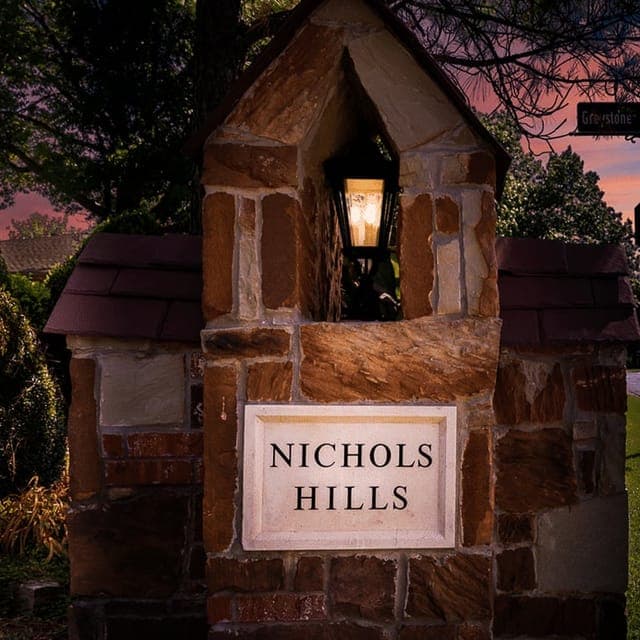
Daily life in Oklahoma depends heavily on where you plant your flag. In Oklahoma City, the state’s largest city with roughly 700,000 residents, the workday often revolves around energy (Devon Energy, Chesapeake), aviation (Tinker Air Force Base), or healthcare (OU Medicine). Commutes are a breeze — the average drive statewide is just 22 minutes, and in OKC you can cross town in 30 minutes on a bad day. People grab coffee at Elemental Coffee in the Midtown district, hit the Myriad Botanical Gardens for a lunch break, and head home to neighborhoods like Nichols Hills or the Paseo Arts District. In Tulsa, the vibe is more blue-collar and artistic; you’ll see folks biking along the Gathering Place’s trails or grabbing a burger at Burn Co. Barbecue in the Brady Arts District.
Step outside the metro areas, and the rhythm shifts. In Norman, home to the University of Oklahoma, life pulses with the academic calendar — game days in the fall turn the town into a sea of crimson and cream. Farther out, in towns like Stillwater (Oklahoma State) or Lawton (Fort Sill), the economy leans on education and the military, and weekends are spent at lake cabins, high school football games, or the local Sonic Drive-In. The median age of 36.9 means you’ll find a mix of young families and retirees, but not many single twenty-somethings outside the college towns.
Sports & Community: Where Friday Night Lights and Big-Time College Ball Collide
If you live in Oklahoma, you don’t just follow sports — you live them. College football is the state’s secular religion. The Bedlam rivalry between the University of Oklahoma (Sooners) in Norman and Oklahoma State University (Cowboys) in Stillwater splits families and workplaces. On fall Saturdays, Norman’s Gaylord Family Oklahoma Memorial Stadium packs in 86,000 fans, while Stillwater’s Boone Pickens Stadium holds 55,000. Tailgating starts at dawn, and the smell of brisket and beer fills the air. For high school football, towns like Jenks and Union (Tulsa suburbs) draw crowds of 10,000+ for state championship games — it’s a community gathering as much as a sport.
Pro sports are thinner: the Oklahoma City Thunder (NBA) is the only major-league team, and games at the Paycom Center are electric, especially when the team is contending. Minor-league baseball (the OKC Dodgers) and hockey (Tulsa Oilers) fill the gaps. But the real community glue is the local school system — in places like Edmond or Broken Arrow, school events, PTA meetings, and booster clubs are where neighbors actually connect. It’s a conservative, family-first culture: 27.8% of adults hold a college degree, but the emphasis is on practical skills and community involvement over academic pedigree.
What’s There to Do: Festivals, Lakes, and a Surprising Arts Scene
Outdoor life is a huge draw. Oklahoma has over 200 lakes — Grand Lake and Lake Tenkiller are weekend favorites for boating, fishing, and cabin rentals. The Wichita Mountains Wildlife Refuge near Lawton offers hiking and bison spotting. In OKC, the 4.5-mile Myriad Gardens and the Boathouse District on the Oklahoma River are hubs for kayaking and rowing. The state’s cultural calendar is packed: the Oklahoma State Fair in OKC (September), the Tulsa State Fair (October), and the Red Earth Festival (June) celebrating Native American art and dance. Music venues like Cain’s Ballroom in Tulsa (a historic honky-tonk where Bob Wills played) and the Criterion in OKC draw national acts.
Food is a mix of barbecue (try Leo’s BBQ in OKC or Burn Co. in Tulsa), Tex-Mex, and comfort diners. The Bricktown entertainment district in OKC has chain restaurants and a canal with water taxis, while Tulsa’s Cherry Street district offers farm-to-table spots like The Vault. For a quirky local tradition, the Oklahoma City Memorial Marathon (April) honors the 1995 bombing victims and draws 25,000 runners. The state’s median income of $63,603 means most families can afford weekend trips to the lake or a dinner out — the cost of living index of 77 (23% below the national average) stretches that paycheck further.
Pros and Cons of Living Here: What Locals Love and What Grinds Their Gears
- What locals love: The affordability is the top reason people stay. The median home value of $185,900 means a young couple can buy a 3-bedroom house in Yukon or Mustang for under $250,000. The sense of community is real — neighbors know each other, and people wave on rural roads. The lack of traffic (22-minute average commute) means more time with family. The weather, while extreme, gives you four distinct seasons and plenty of sunny days.
- What frustrates them: The violent crime rate of 405.3 per 100,000 is higher than the national average (about 380), and property crime is a concern in parts of OKC and Tulsa. The public school system is uneven — Edmond and Jenks have top-rated schools, but rural districts often struggle with funding. The summer heat (90-100°F with humidity) can be oppressive, and tornado season (March-June) requires a weather radio and a safe room. Politically, the state is deeply conservative — if you lean left, you may feel isolated outside of Norman or Tulsa’s arts districts. The job market is solid in energy, healthcare, and aviation, but opportunities in tech or finance are limited compared to Texas or Colorado.
Oklahoma isn’t for everyone — it’s for people who value space, community, and a slower rhythm. If you’re a single professional seeking nightlife and career mobility, you might find Oklahoma City or Tulsa adequate but not exciting. If you’re a parent looking for a safe, affordable place to raise kids with good schools and strong community ties, places like Edmond, Broken Arrow, or Norman are hard to beat. The state’s identity is rooted in resilience — from the Dust Bowl to the bombing to tornadoes — and that grit shows up in how people treat each other. You’ll find genuine hospitality, a slower pace, and a cost of living that lets you actually enjoy life. Just buy a good pair of boots and a weather radio.

* Values derived from national, state, county, city and local statistics and may differ in a specific area. Last updated: 2026-04-14T06:28:26.000Z
Narrative content on this page is AI-generated and may contain mistakes. Verify any details that matter before acting on them.
ReloMaps may earn a commission from affiliate links at no extra cost to you.

