Photo: Wikipedia
Find The Best Places To Live
in Ohio
PRO TIP! You can paste a Zillow or Redfin link to get info on that property.
Best Places to Live in Ohio

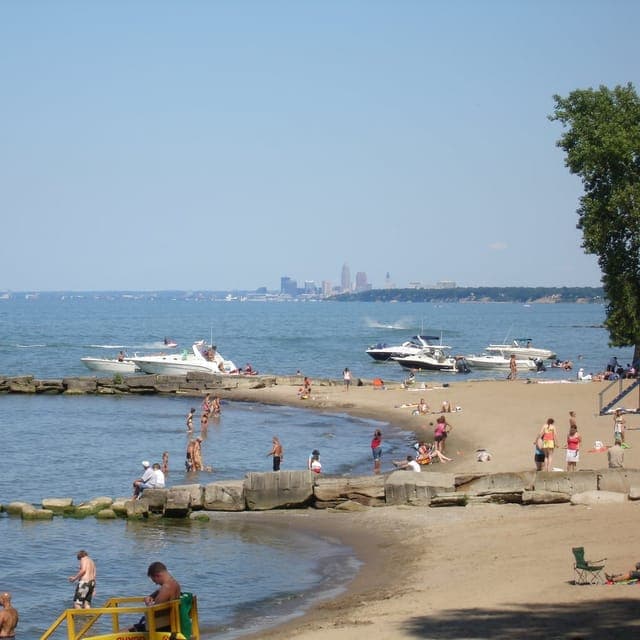


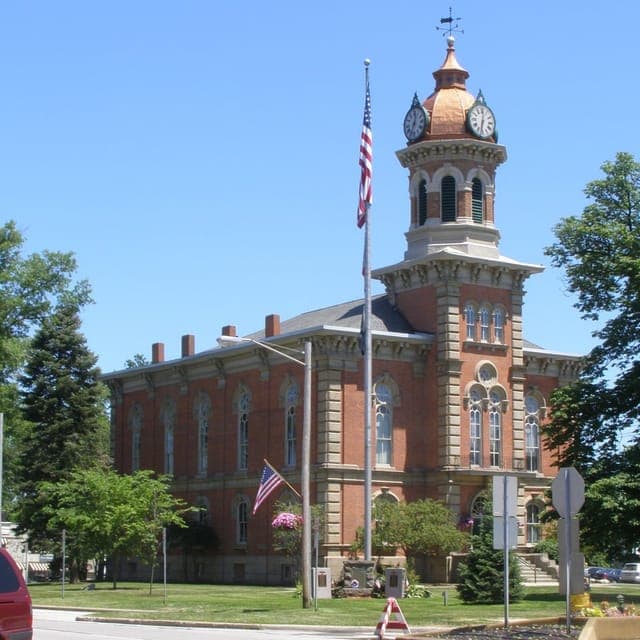
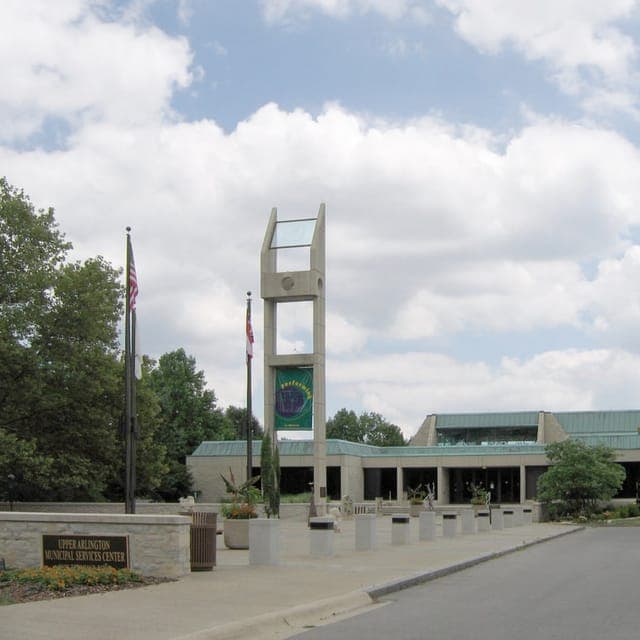
Cities in Ohio
Largest Cities in Ohio
What It's Like Living in Ohio
Ohio is a state of two speeds: the fast-paced, post-industrial energy of cities like Columbus and Cleveland, and the slower, family-rooted rhythm of small towns like Wooster and Marietta. It’s a place where you can grab a craft beer in a converted factory in Cincinnati one weekend and hike through Hocking Hills the next, all without the coast’s cost of living. For a state with nearly 11.8 million people, it still feels surprisingly accessible—both in price and in attitude.
Daily Rhythm: From Rust Belt Grit to Cornfield Quiet
Daily life in Ohio depends heavily on where you land. In Columbus, the state capital and fastest-growing major city, the vibe is young and professional, with a median age of 39.6 and a steady influx of jobs from insurers like Nationwide and tech firms like CoverMyMeds. Commutes average just under 24 minutes—short enough that you can live in a suburb like Dublin or Gahanna and still make it home for dinner. In contrast, rural towns like Van Wert or Chillicothe move at a slower pace, where the local diner is the social hub and Friday-night high school football is the week’s main event. The cost of living index sits at 79—21% below the national average—which means a median home value of $199,200 can get you a solid three-bedroom in most areas, though prices in trendy Columbus neighborhoods like German Village have climbed noticeably.
What people actually do with their time varies. In Cleveland, weekends often revolve around the lakefront—Edgewater Park for a summer sunset, or a Guardians game at Progressive Field. In Cincinnati, the Over-the-Rhine district draws crowds for its brewery scene (Rhinegeist is a local staple) and the Findlay Market food hall. In smaller towns, life centers on community events: the Wayne County Fair in Wooster, the Ohio State Reformatory ghost tours in Mansfield, or simply a Saturday morning at a local farm stand. The median household income of $69,680 supports a comfortable middle-class life, though wages in rural areas lag behind the urban centers.
Sports & Community: Where Fandom Is a Birthright
Sports aren’t just entertainment in Ohio—they’re a cultural identity. The Ohio State Buckeyes dominate the state’s attention from August through January, with games in Columbus drawing over 100,000 fans to the Horseshoe. High school football is nearly as intense in places like Massillon or Steubenville, where stadiums hold thousands and rivalries span generations. Pro teams include the Cleveland Browns (a test of loyalty), the Cincinnati Bengals (recent Super Bowl contenders), and the Columbus Crew (MLS champions). Even in smaller towns, you’ll find a fierce pride in local teams—whether it’s the University of Dayton Flyers basketball or the Toledo Walleye hockey club. This shared fandom creates an instant sense of belonging, especially for newcomers who quickly learn that “The Game” (Ohio State vs. Michigan) is a statewide holiday.
Beyond sports, community ties are strong. Ohio has a high rate of church attendance, particularly in rural areas, and schools often serve as community centers. The state’s 30.9% college-educated rate is slightly below the national average, but that masks a deep respect for trade skills—welding, machining, and agriculture are still valued careers in places like Lima or Zanesville. The kind of person who fits in here is someone who values practicality over pretense, whether they’re a young professional in a Cleveland startup or a farmer in Darke County.
What’s There to Do: Festivals, Parks, and Honest Food
Ohio punches above its weight in entertainment. The Rock & Roll Hall of Fame in Cleveland is a pilgrimage for music fans, while the Cincinnati Zoo is one of the oldest and best in the country. Outdoor lovers head to Hocking Hills State Park for waterfalls and hiking, or to the Lake Erie islands (Put-in-Bay and Kelleys Island) for summer partying. Major festivals include the Ohio State Fair in Columbus, the Cincinnati Music Festival, and the quirky Twins Days Festival in Twinsburg—the world’s largest gathering of twins. Food is a point of pride: Cincinnati chili (a spaghetti-topped, cinnamon-spiced concoction) is either loved or debated, while Cleveland’s West Side Market offers everything from pierogies to fresh pierogies. The violent crime rate of 257.1 per 100,000 is slightly above the national average, but it’s concentrated in specific urban neighborhoods—most suburbs and small towns feel safe, and residents will tell you the biggest annoyance is potholes, not violence.
Pros and Cons of Living Here
- Pro: Affordability. A cost of living index of 79 means your dollar goes further. You can buy a home in a solid suburb like Mason or Hudson for under $300,000, something unthinkable in coastal states.
- Pro: Four distinct seasons. Summers are warm (think 80s and humid), falls are spectacular in the Appalachian foothills, winters bring snow for skiing at Boston Mills, and springs are green and mild.
- Con: Weather extremes. Winters can be gray and dreary, especially in Cleveland (which averages 170 cloudy days a year). Lake-effect snow can dump feet of snow in a single storm.
- Con: Economic stagnation in some areas. While Columbus and Cincinnati thrive, former manufacturing towns like Youngstown and Canton struggle with population loss and limited job growth. The median income of $69,680 masks a divide between booming metro areas and declining rural ones.
- Con: Property taxes. Ohio has relatively high property taxes (around 1.5% of home value on average), which can surprise newcomers used to lower-tax states.

* Values derived from national, state, county, city and local statistics and may differ in a specific area. Last updated: 2026-04-14T06:19:45.000Z
Narrative content on this page is AI-generated and may contain mistakes. Verify any details that matter before acting on them.
ReloMaps may earn a commission from affiliate links at no extra cost to you.

