Photo: Wikipedia
Find The Best Places To Live
in Oregon
PRO TIP! You can paste a Zillow or Redfin link to get info on that property.
Best Places to Live in Oregon
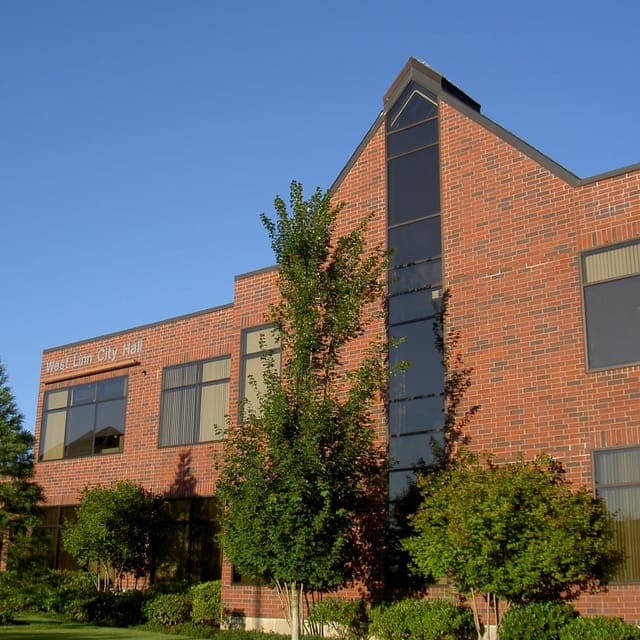
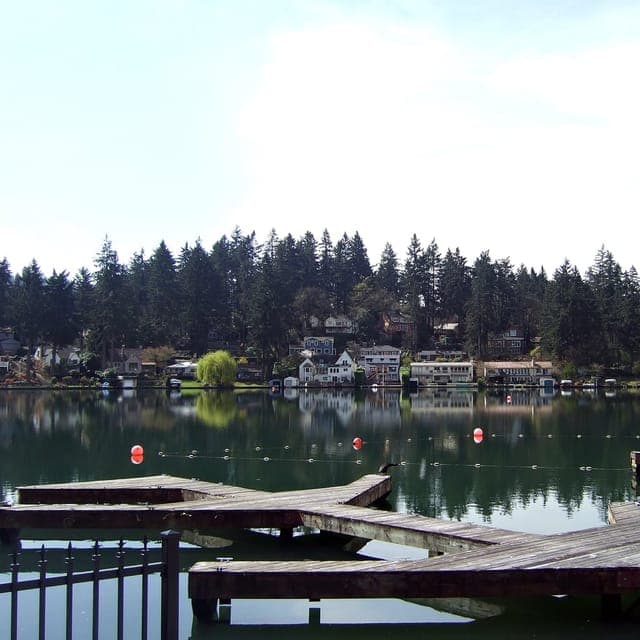
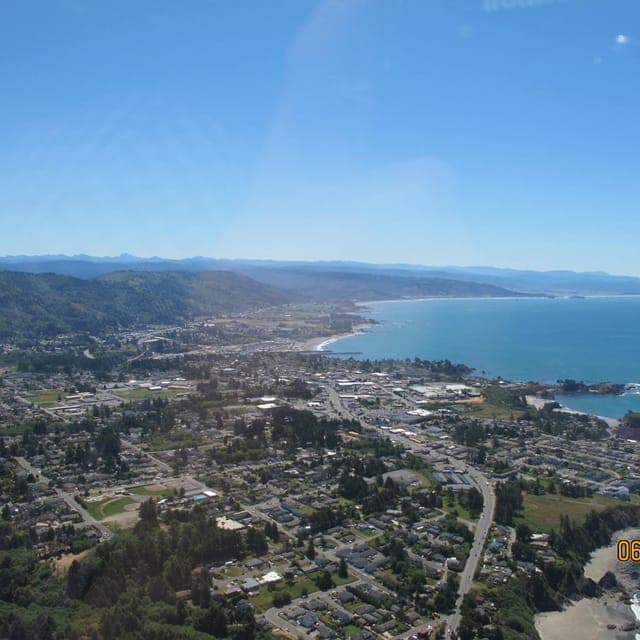
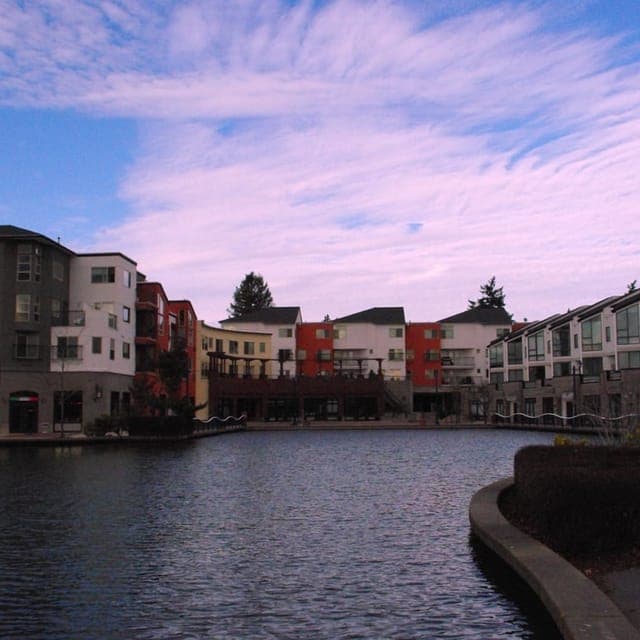
Cities in Oregon
Largest Cities in Oregon
What It's Like Living in Oregon
Oregon is a state of stark contrasts, where the rainy, liberal-leaning Portland metro area feels a world away from the high desert ranching communities of Burns and the conservative timber towns of Grants Pass. Living here means choosing a lifestyle as much as a location—whether that’s a bike commute through Southeast Portland’s craft breweries, a weekend hunting trip outside Klamath Falls, or raising kids in a family-focused suburb like West Linn. The state’s identity is shaped by its geography, politics, and a fierce independence that shows up differently in every corner.
Daily Rhythm: From Portland’s Pace to Rural Oregon’s Quiet
Daily life in Oregon depends heavily on where you land. In Portland, the average commute of about 23 minutes is manageable by big-city standards, but traffic on I-5 and I-84 can feel grinding during rush hour, especially between the Lloyd District and the Sunset Highway. People here spend weekends at Powell’s City of Books, hiking Forest Park’s 80 miles of trails, or grabbing a bite at a food cart pod like Cartopia. In contrast, a town like Bend runs on outdoor time—residents clock out early to hit the Deschutes River Trail or Mount Bachelor’s slopes, and the local social scene revolves around breweries like Deschutes Brewery and Crux Fermentation Project. For families, suburbs like Beaverton or Lake Oswego offer strong public schools and community centers, while rural areas like Ontario (eastern Oregon) see life centered around church, high school sports, and the annual Oregon Trail Days festival.
The state’s median age of 40.1 reflects a mix of young professionals drawn to Portland’s tech scene (Intel, Nike, and Columbia Sportswear are major employers) and retirees settling in the Rogue Valley for the mild climate. The cost of living index of 139—well above the national average—hits hardest in the Portland metro, where a median home value of $454,200 prices out many. That’s driven people to cheaper outposts like Gresham or Salem, where you get more house for the money but a longer commute.
Sports & Community: Where Loyalties Run Deep
Sports in Oregon are a serious matter, but the fervor varies by region. The Portland Trail Blazers (NBA) pack the Moda Center most nights, and Timbers (MLS) matches at Providence Park are a rowdy, scarf-waving tradition—the Timbers Army is one of the most vocal fan groups in the country. College football is a different beast: the Oregon Ducks (University of Oregon in Eugene) dominate the state’s attention during fall, with Autzen Stadium’s 54,000 seats filled for every home game. High school football is huge in towns like Sherwood and West Linn, where Friday-night games draw the whole community. In rural areas, rodeo and 4-H events often outrank traditional sports—the Pendleton Round-Up is a week-long celebration of rodeo culture that’s been running since 1910.
For families, youth sports leagues are a social hub. Soccer, baseball, and basketball fill weekends, and parents often bond over sideline conversations about school funding and local politics. The state’s 36.2% college-educated population means many parents in the Portland suburbs prioritize academic enrichment, but in towns like Medford, vocational trades and community college paths are equally respected.
What’s There to Do: Festivals, Outdoors, and Quirks
Oregon’s entertainment runs the gamut from world-class wine country to quirky small-town festivals. The Willamette Valley’s Dundee Hills and McMinnville draw wine tourists for Pinot Noir, while Portland’s First Thursday art walk in the Pearl District showcases local galleries. Summer brings the Oregon Shakespeare Festival in Ashland, a three-month event that draws theater lovers from across the West. Outdoor recreation is the state’s biggest draw: Crater Lake National Park, the Columbia River Gorge, and the Oregon Coast (think Cannon Beach’s Haystack Rock) are weekend staples. Locals gripe about the rain—Portland gets 36 inches annually, but it’s the gray drizzle from November to March that wears on people. Eastern Oregon, by contrast, gets only 10-15 inches of precipitation a year, with blazing summers and snowy winters.
A notable quirk: Oregon has no sales tax, which makes shopping trips to Portland’s Washington Square or Bend’s Old Mill District feel like a win. But property taxes are higher to compensate, and the state’s income tax (top bracket 9.9%) stings for high earners. The violent crime rate of 306.9 per 100,000 is slightly above the national average, but it’s concentrated in Portland’s downtown and parts of Eugene—most suburbs and rural areas feel very safe.
Pros and Cons of Living Here
- Pros: No sales tax, stunning natural beauty (coast, mountains, high desert), strong job market in tech and healthcare, progressive social policies (paid family leave, legal cannabis), and a food scene that rivals any West Coast city.
- Cons: High cost of living (especially housing), persistent rain in western Oregon, income tax burden, homelessness visible in Portland and Eugene, and a growing political divide between urban and rural areas that can feel like two different states.
For the conservative-leaning reader, the key is location. The Portland metro leans heavily blue, but areas like Happy Valley (a fast-growing suburb) and Canby offer more moderate politics and family-friendly neighborhoods. Rural Oregon—places like La Grande or Prineville—feels culturally closer to Idaho, with strong gun rights, lower taxes, and a slower pace. The median income of $80,426 stretches further in those areas, where a home might cost $350,000 instead of $600,000. Ultimately, Oregon rewards those who pick their spot carefully—it’s a state of microclimates, both meteorologically and politically.

* Values derived from national, state, county, city and local statistics and may differ in a specific area. Last updated: 2026-04-14T06:20:14.000Z
Narrative content on this page is AI-generated and may contain mistakes. Verify any details that matter before acting on them.
ReloMaps may earn a commission from affiliate links at no extra cost to you.

