Photo: Wikipedia
Find The Best Places To Live
in Kansas
PRO TIP! You can paste a Zillow or Redfin link to get info on that property.
Best Places to Live in Kansas
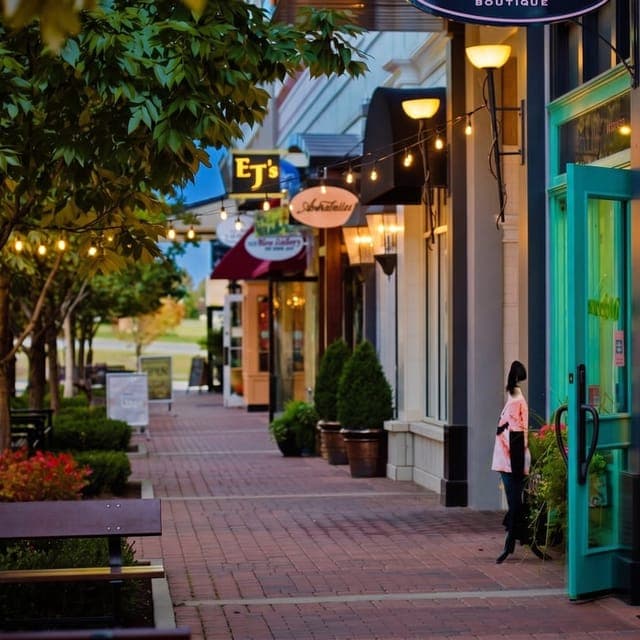
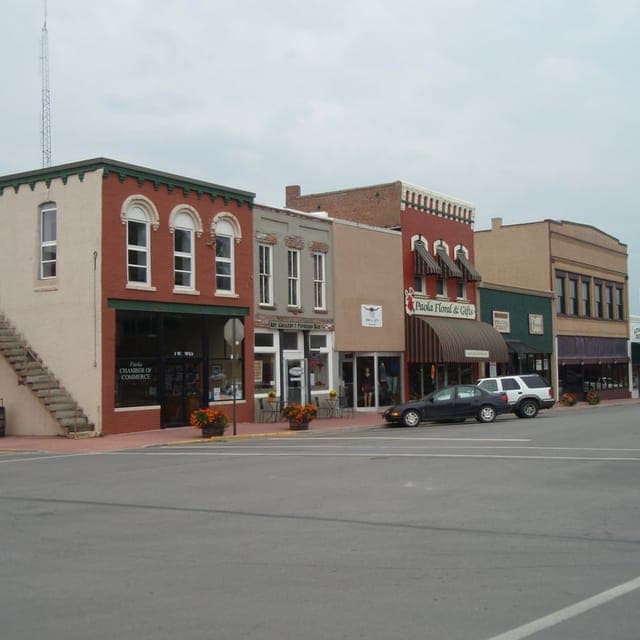
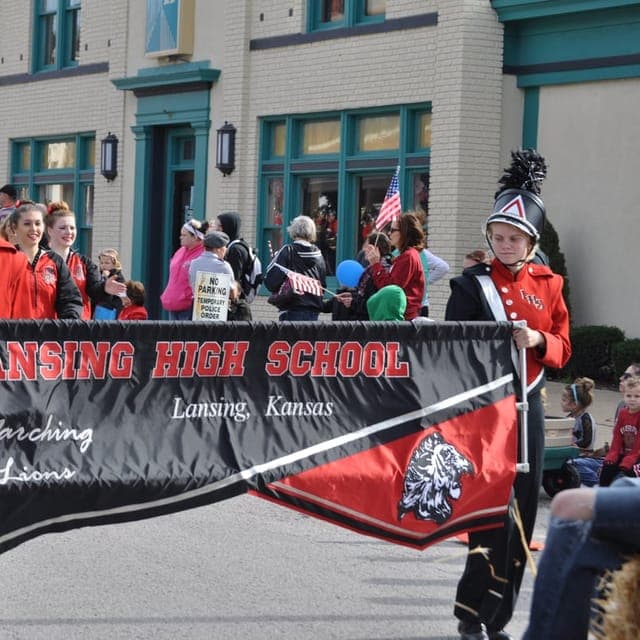
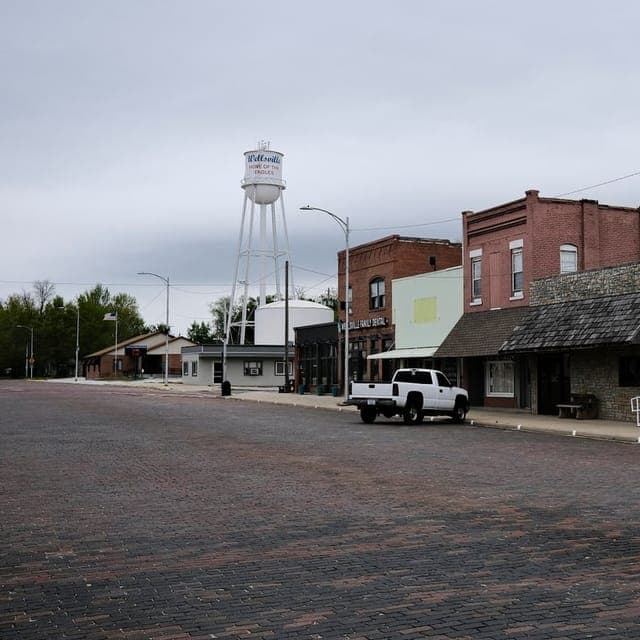
Cities in Kansas
Largest Cities in Kansas
What It's Like Living in Kansas
Living in Kansas means trading coastal sticker shock for a pace of life that feels genuinely manageable, but it also means accepting that you’ll drive past a lot of wheat fields to get to the good stuff. The state is a study in contrasts: Wichita hums with aircraft manufacturing and a surprisingly solid food scene, while towns like Liberal and Dodge City hold onto a quiet, agricultural rhythm that hasn’t changed much in fifty years. For the conservative-leaning single or parent looking to stretch a dollar without sacrificing community, Kansas offers a real, grounded alternative to the chaos of bigger metros.
Daily Rhythm: From Wichita’s Workweek to Rural Weekends
In Wichita, the workday often starts early, tied to the rhythms of Spirit AeroSystems and Koch Industries. Commutes are famously short — the state average is under 20 minutes — so you’re not losing hours to traffic like you would in Dallas or Denver. After work, families in Overland Park head to the sprawling Oak Park Mall or catch a movie at the AMC Town Center, while folks in Hutchinson might grab a bite at Anchor Inn, a local seafood spot that’s been around since the 1960s. Weekends in the eastern half of the state often mean a trip to the Kansas City suburbs for a Royals game or a barbecue run at Joe’s Kansas City Bar-B-Que, but out west, Saturday is for high school football or a drive to the Cimarron National Grassland for some quiet. The median home value sits at $203,400, which means a young family can buy a solid three-bedroom in a place like Salina or Manhattan without the soul-crushing debt that plagues coastal markets.
Sports & Community: Where Friday Night Lights Still Matter
High school football is a genuine religion in rural Kansas — towns like Garden City and Hays shut down on fall Fridays, and the stands are packed with grandparents, former players, and local business owners. College sports are dominated by the University of Kansas in Lawrence, where Allen Fieldhouse is a cathedral of basketball, and Kansas State in Manhattan, where Bill Snyder Family Stadium turns purple on game days. The Kansas City Chiefs and Sporting KC draw fans from the eastern edge of the state, but the real local pride is in the Jayhawks and Wildcats. For a smaller-town experience, the Wichita Thunder hockey games at Intrust Bank Arena offer a cheap, rowdy night out that feels more intimate than a pro arena. The state’s median age of 37.2 means you’re surrounded by a mix of young families and empty-nesters, not a transient college crowd — though Lawrence skews younger thanks to KU’s 28,000 students.
What’s There to Do: Festivals, Parks, and the Quirks of the Plains
Outdoor life in Kansas is underrated. The Flint Hills, especially around the Tallgrass Prairie National Preserve near Strong City, offer hiking and bison-spotting that feels a world away from the flat stereotype. In Wichita, the Botanica gardens and the Sedgwick County Zoo are weekend staples for parents. For entertainment, the Stiefel Theatre in Salina books national acts in a restored 1930s movie palace, and the Walnut Valley Festival in Winfield draws bluegrass fans from across the country every September. A quirky local tradition: the Kansas State Fair in Hutchinson, where you can see prize-winning livestock, eat a fried Twinkie, and watch a demolition derby in the same afternoon. The cost of living index of 82 means your entertainment dollar goes further — a dinner out for two in Topeka runs about $40, not $80. What frustrates longtime residents? The lack of late-night options outside of Wichita and Kansas City — if you’re in a town like Coffeyville, the diner closes at 8 p.m., and that’s your lot.
Pros and Cons of Living Here: What You Gain and What You Give Up
- Pro: Affordability that actually works. With a median income of $72,639 and a median home value of $203,400, a single person or a family can buy a home in Manhattan or Lenexa on one salary — something unthinkable in most of the country.
- Pro: Real community ties. In towns like Emporia or McPherson, neighbors know your name, and the local church or 4-H club is the social hub. For conservative-leaning parents, the school system is often a central part of life — and the state’s 35.2% college-educated rate means you’re not in an intellectual desert.
- Con: Limited career diversity outside a few sectors. Wichita is aviation-heavy, Kansas City is corporate and healthcare, and the rest of the state is agriculture and education. If you’re in tech or entertainment, you’ll likely need to work remotely or commute.
- Con: Weather that keeps you humble. Tornado season is real — you’ll learn the difference between a watch and a warning fast. Winters can be brutal in the northwest, and summers are humid and buggy. The 19.8-minute average commute is a blessing, but the weather will test your patience.
- Con: Violent crime is uneven. The state’s violent crime rate of 389.4 per 100,000 is higher than the national average, but that’s heavily driven by pockets of Wichita and Kansas City, Kansas. In places like Andover or Derby, you’re looking at rates closer to 150 per 100,000 — safe by any measure.
The kind of person who fits in here values predictability over novelty. You’re not moving to Kansas for the nightlife or the mountains — you’re moving for a house you can afford, a school where your kid isn’t a number, and a community that shows up when your basement floods. It’s a trade, but for a lot of people, it’s the right one.

* Values derived from national, state, county, city and local statistics and may differ in a specific area. Last updated: 2026-04-18T22:32:12.000Z
Narrative content on this page is AI-generated and may contain mistakes. Verify any details that matter before acting on them.
ReloMaps may earn a commission from affiliate links at no extra cost to you.

