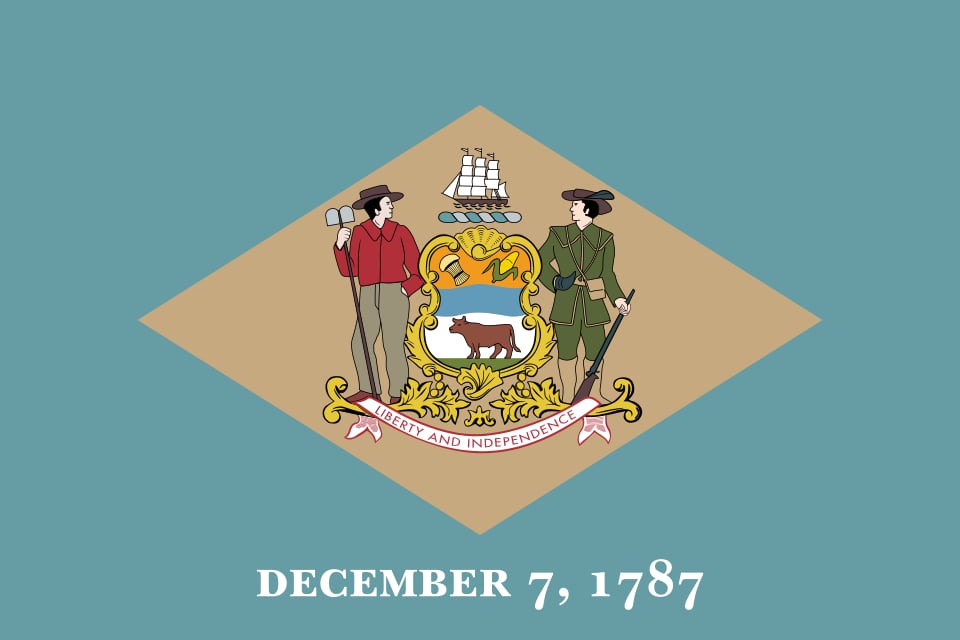
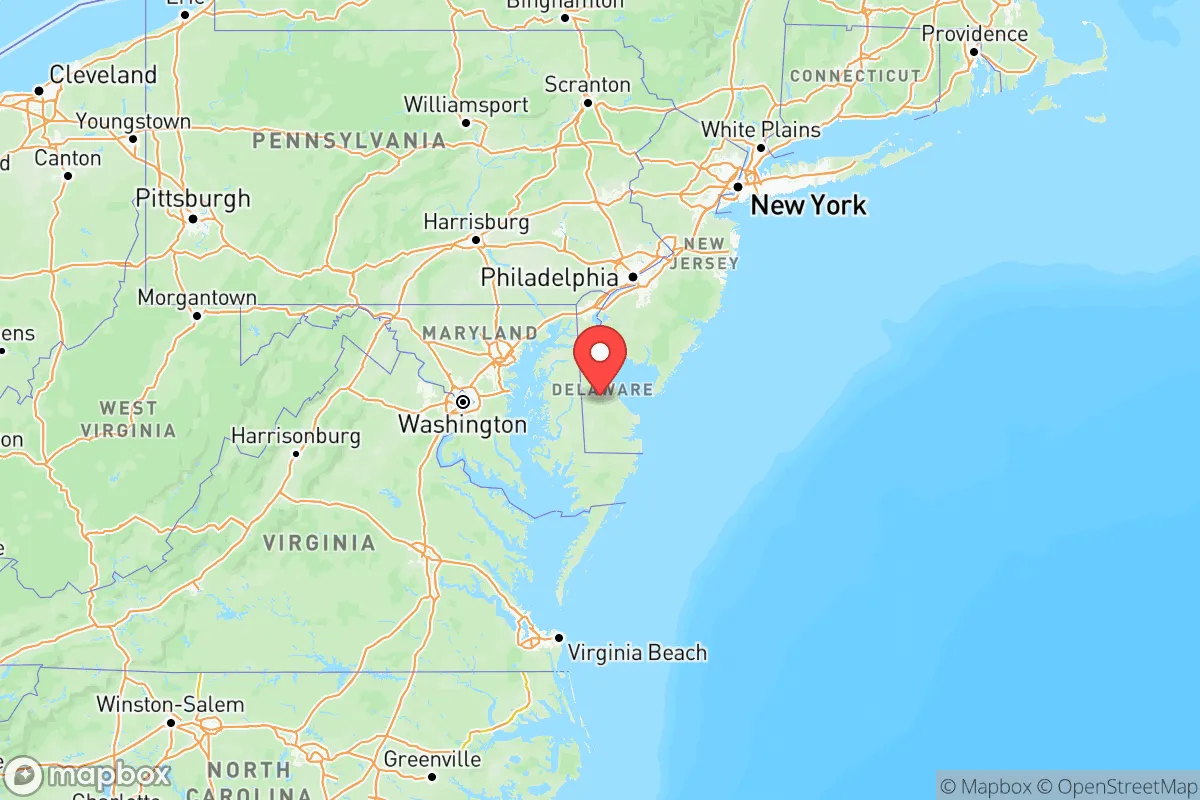
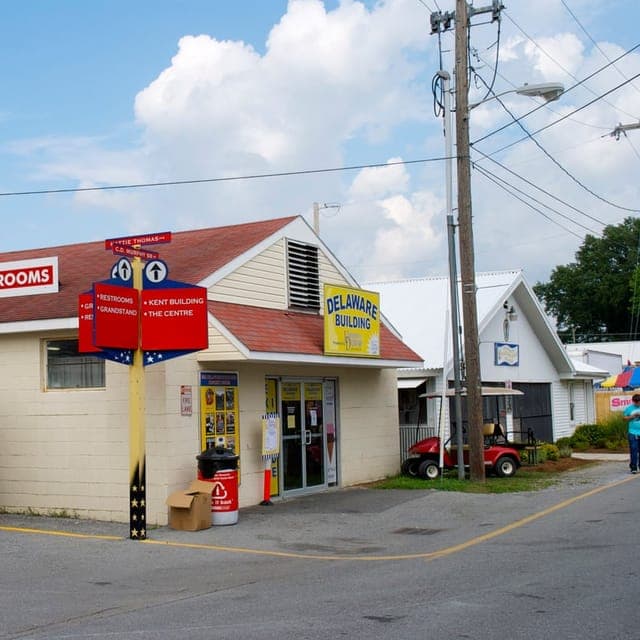
Photo: Wikipedia
Find The Best Places To Live
in Delaware
PRO TIP! You can paste a Zillow or Redfin link to get info on that property.
Best Places to Live in Delaware
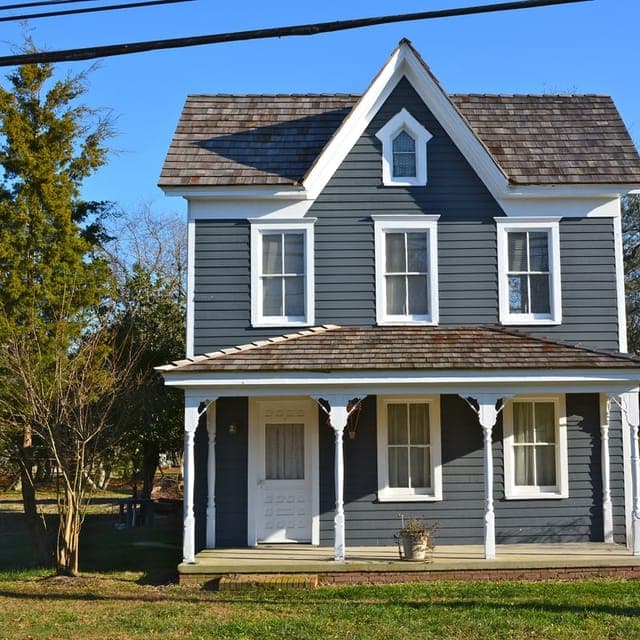
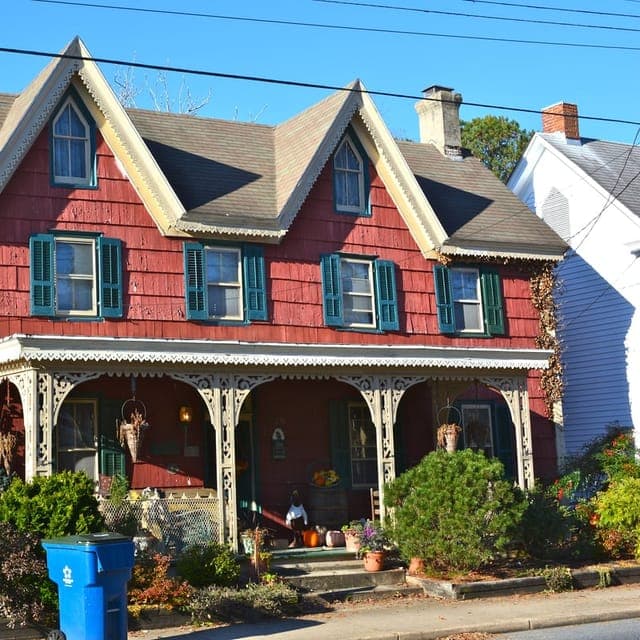
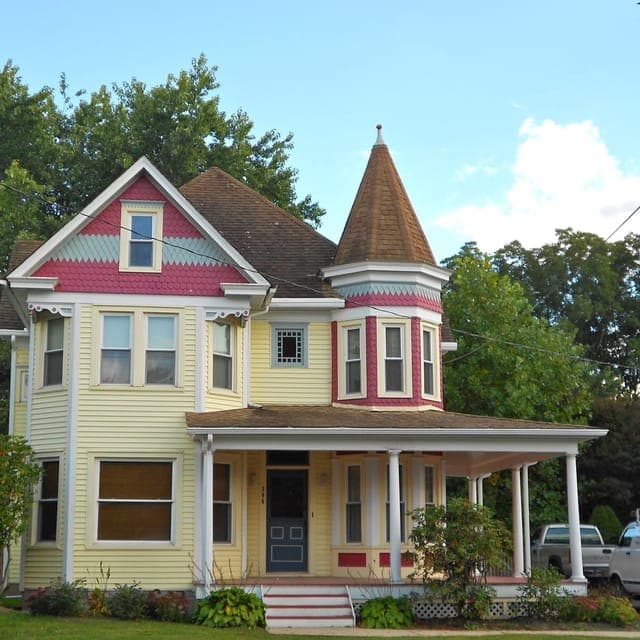
Cities in Delaware
Largest Cities in Delaware
What It's Like Living in Delaware
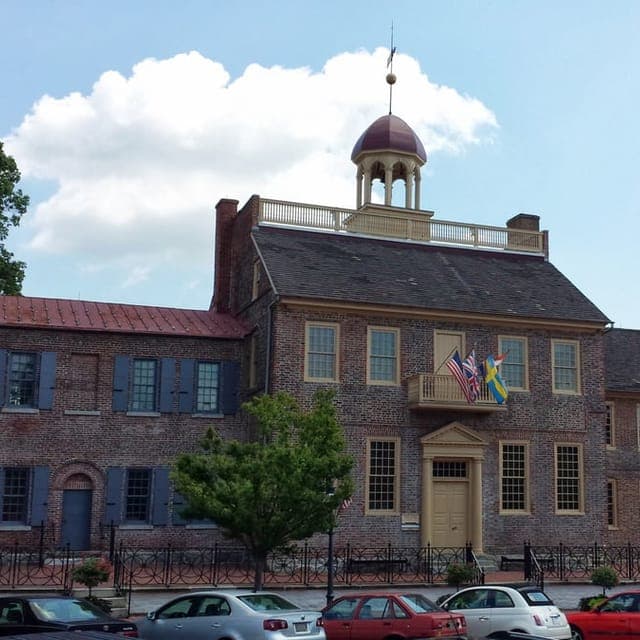
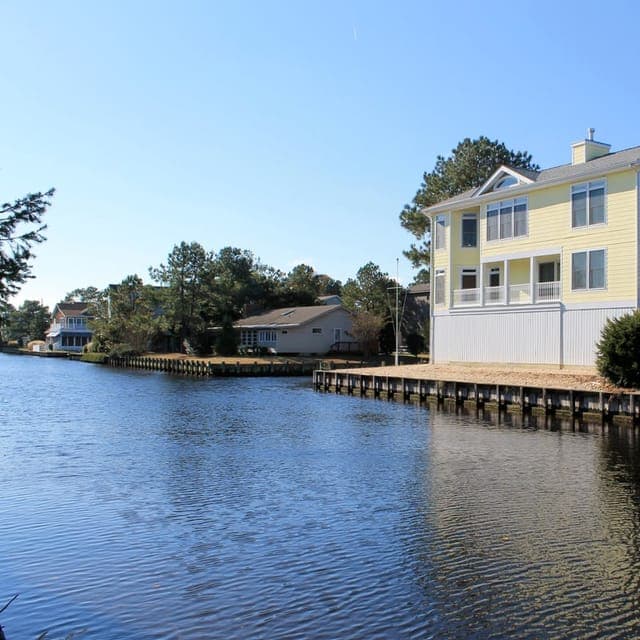
Delaware is a state of stark contrasts, where the bustling, fast-paced corridor of Wilmington and the suburban sprawl of Newark give way to the quiet, agricultural rhythms of towns like Milford and the beach-town vibe of Lewes and Rehoboth Beach. It’s a place where you can live in a dense, historic city block, a sprawling subdivision, or on a quiet country lane, all within an hour’s drive. Life here feels defined by a unique blend of East Coast practicality, a surprisingly strong sense of local identity, and the constant, gentle pull of the Atlantic coast.
Daily Rhythm: From Corporate Corridor to Coastal Calm
For many residents, daily life is shaped by the commute. The average drive time of about 26 minutes is manageable, but it can feel longer if you’re navigating the I-95 corridor through Wilmington or the Route 1 traffic heading toward the beaches on a summer Friday. In northern Delaware, the rhythm is driven by the financial and chemical industries—Wilmington is a major hub for banking and credit card companies, and the presence of DuPont and its spinoffs like Chemours means a steady stream of white-collar professionals. You’ll see folks grabbing coffee at a local shop in Trolley Square before heading to an office park, or families in Newark walking to the University of Delaware campus for a weekend football game. In contrast, life in southern Delaware, around towns like Georgetown or Seaford, is slower. The economy is more tied to agriculture, poultry processing, and small businesses. Weekends here might involve a trip to a local farm stand, a high school football game, or a day on the water in Lewes. The kind of person who fits in here is often pragmatic and values a direct, no-nonsense approach to life—whether you’re a finance professional in Greenville or a farmer in Bridgeville.
Sports, Community, and the Local Identity
Sports are a powerful unifier, but not in the way you might expect. There are no major professional sports teams in the state, which means loyalties are fiercely divided between the Philadelphia Eagles and the Baltimore Ravens, depending on which part of the state you’re in. This creates a fun, ongoing cultural tension. What does unite everyone is high school sports, especially football and wrestling, which are a huge deal in communities like Middletown and Smyrna. Friday nights in the fall are a genuine social event. The University of Delaware’s Fightin’ Blue Hens are the closest thing to a state-wide team, and their football games at Delaware Stadium draw a passionate, family-friendly crowd. For a more unique experience, the Delaware Blue Coats (NBA G League) play in Wilmington, offering a low-cost, high-energy pro basketball alternative. The state’s identity is also deeply tied to its lack of sales tax—a point of pride that makes shopping a regional draw, particularly at the Christiana Mall, which pulls in shoppers from Maryland and Pennsylvania.
What’s There to Do: Beaches, History, and Hidden Gems
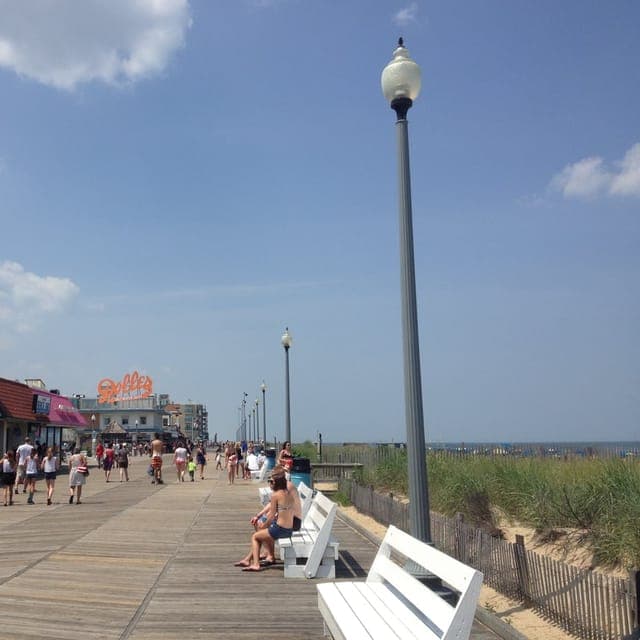
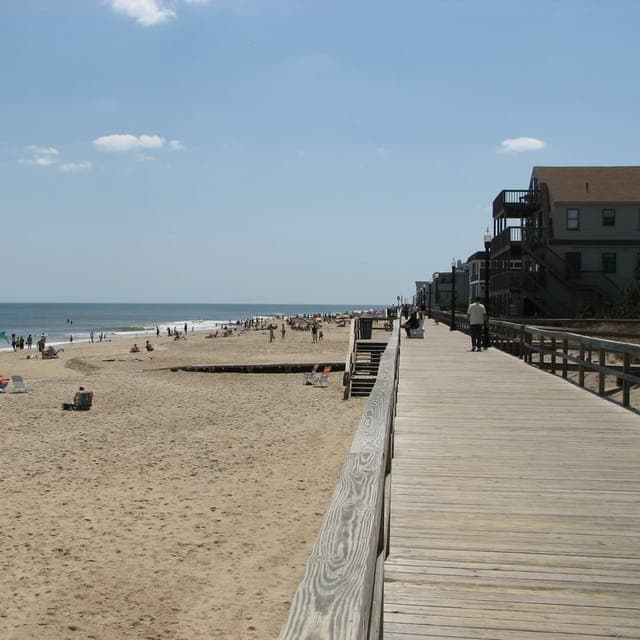
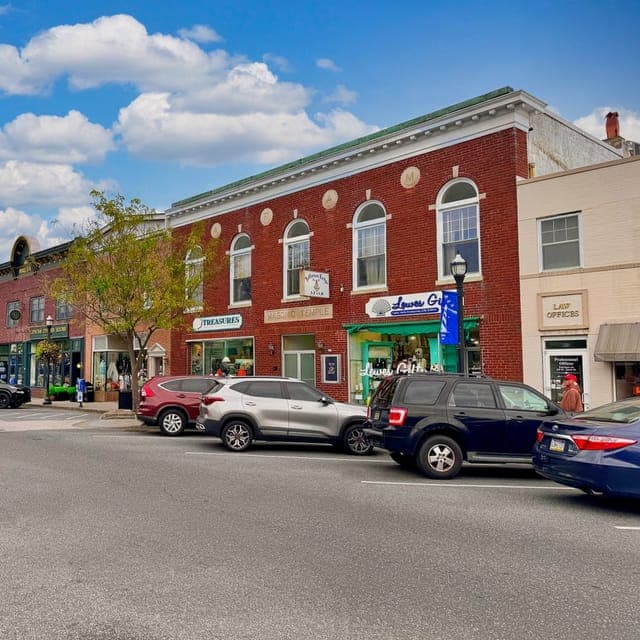
Entertainment in Delaware is surprisingly varied. The biggest draw is the coast: Rehoboth Beach is the state’s crown jewel, a classic boardwalk town with the famous Funland amusement park, great seafood at places like The Blue Hen, and a lively, family-oriented summer scene. Lewes, just north, is quieter and more historic, with a charming downtown and excellent kayaking in the Lewes-Rehoboth Canal. For outdoor enthusiasts, Cape Henlopen State Park offers miles of trails and pristine beaches. Inland, the Brandywine Valley in the north is a cultural hub, with the stunning Winterthur Museum and the Longwood Gardens (just over the border in Pennsylvania but a staple for Delawareans). The state’s small size means you can easily hit a Wilmington Blue Rocks minor league baseball game in the evening and be on the beach by the next morning. A notable cultural quirk: the state is famously tax-free, which means no sales tax at the register and no personal property tax on vehicles, a huge practical perk that residents love.
Pros and Cons of Living Here
- What longtime residents love: The lack of sales tax is a constant, tangible benefit. The state’s small size makes everything feel accessible—you’re never more than a couple of hours from the beach, the city, or the country. The public schools, particularly in the Brandywine, Appoquinimink, and Cape Henlopen districts, are highly regarded and a major draw for families. The sense of community is strong, especially in the smaller towns, where everyone knows the local diner owner or the high school coach.
- What frustrates them: The cost of living is a real issue. With a cost of living index of 116 (16% above the national average) and a median home value of $326,800, housing is expensive, especially in the popular northern and coastal areas. The violent crime rate of 342.6 per 100,000 is a concern, particularly in parts of Wilmington, which has a reputation for higher crime. Traffic on Route 1 during the summer can be a nightmare, turning a 30-minute beach trip into a two-hour crawl. The weather is also a mixed bag—humid summers and mild winters are the norm, but nor’easters can bring significant snow and coastal flooding.
Ultimately, living in Delaware is about trade-offs. You get the benefits of a small, manageable state with a strong sense of place, but you pay for it with a higher cost of living and some urban challenges. It’s a place where you can have a career in finance, raise a family in a good school district, and still be on the beach in 45 minutes—but you’ll need to navigate the traffic and the higher prices to do it. For the right person, it’s a sweet spot. For others, it’s a stepping stone. Either way, it’s a state with a distinct, unpretentious character that grows on you.

* Values derived from national, state, county, city and local statistics and may differ in a specific area. Last updated: 2026-04-18T22:17:47.000Z
Narrative content on this page is AI-generated and may contain mistakes. Verify any details that matter before acting on them.
ReloMaps may earn a commission from affiliate links at no extra cost to you.

