Photo: Wikipedia
Find The Best Places To Live
in Montana
PRO TIP! You can paste a Zillow or Redfin link to get info on that property.
Best Places to Live in Montana

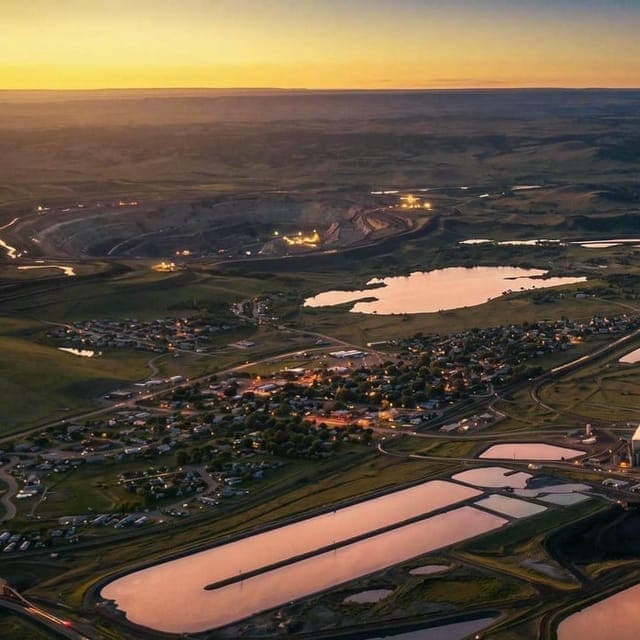
Cities in Montana
Largest Cities in Montana
What It's Like Living in Montana
Living in Montana means trading the constant hum of city life for something quieter, slower, and a whole lot bigger in scale. The state’s identity isn’t one-size-fits-all—life in Billings, with its 120,000 people and regional hospital, feels a world apart from the ranching pace of Miles City or the fly-fishing haven of Livingston. What ties it together is a shared sense of space, self-reliance, and a calendar ruled more by hunting season and winter snow than by rush hour.
Daily Rhythm: From Billings to Bozeman and Beyond
For most Montanans, the day starts early. In Billings, the state’s largest city, the commute averages just 19 minutes—short enough that you can grab coffee at Black Dog Coffeehouse on Grand Avenue and still make it to work on time. In Missoula, the vibe is more collegiate, with the University of Montana shaping the rhythm; you’ll see students biking along the Clark Fork River and families hitting the Saturday farmers market at the fairgrounds. Bozeman, meanwhile, has become a magnet for out-of-state transplants drawn by skiing at Bridger Bowl and tech jobs tied to Montana State University. That influx has pushed median home values to $338,100 statewide—a figure that feels low to someone from Denver but steep for a local who remembers when a house in Bozeman cost half that. The cost of living index sits at 101, just a hair above the national average, but that number hides a split: groceries and gas run higher in remote towns like Libby or Glasgow, while housing in Billings remains comparatively affordable.
Sports, Community, and the Things That Bring People Together
High school sports are a genuine anchor here. On a Friday night in the fall, the stands in Butte are packed for the Bulldogs, and in Helena, the Bengals draw crowds that rival some college games. The Montana Grizzlies and Montana State Bobcats football rivalry is as intense as any in the FCS—the annual Brawl of the Wild game in Missoula or Bozeman can shut down entire towns for the weekend. For pro sports, you’re driving to Denver or Seattle, but that’s part of the trade-off. Outdoor recreation fills the gap: the Big Sky Resort draws skiers from all over, and the Missouri River near Great Falls offers some of the best wade fishing for trout in the Lower 48. Summer brings the Montana Folk Festival in Butte, a free three-day event that turns the old mining city into a music hub, and the Sweet Pea Festival in Bozeman, which mixes art, food, and a parade.
What’s There to Do—and What Frustrates Locals
Weekends here are built around the outdoors. You’ll find families camping at Glacier National Park near Whitefish, hiking the Beartooth Highway out of Red Lodge, or floating the Yellowstone River near Livingston. The bars and restaurants reflect that lifestyle: The Staggering Ox in Missoula is a local staple for sandwiches, and The Mint Bar in Livingston has been a cowboy watering hole since 1907. But the trade-offs are real. The violent crime rate sits at 406.2 per 100,000—higher than the national average, and concentrated in a few areas like Billings and Great Falls. Locals will tell you it’s mostly property crime and domestic incidents, not random street violence, but it’s worth knowing. Winters can feel long, especially east of the Divide in places like Havre or Sidney, where January highs often stay below freezing. And while the median income of $69,922 is decent, wages in service and retail jobs lag behind, making it tough for young singles or single parents to afford a home without a second income.
Who Fits In—and Who Might Struggle
Montana works best for people who value solitude and self-sufficiency. The median age is 40.2, and 34.5% of adults hold a college degree—a number that climbs in Bozeman and Missoula but drops in rural counties like Garfield or Petroleum. Single individuals who enjoy hunting, fishing, or skiing will find a ready-made social scene through clubs and meetups. Parents often choose towns like Helena or Kalispell for their strong school systems and lower crime rates compared to Billings. But if you need nightlife, walkable neighborhoods, or a diverse food scene, you’ll find the options limited. The cultural quirk that surprises newcomers: Montanans are friendly but guarded. A wave on a dirt road is expected; a knock on a stranger’s door without an invitation is not. That independent streak is the state’s backbone, and it’s what keeps people here despite the long winters and the long drives to the nearest Costco.

* Values derived from national, state, county, city and local statistics and may differ in a specific area. Last updated: 2026-04-18T23:38:15.000Z
Narrative content on this page is AI-generated and may contain mistakes. Verify any details that matter before acting on them.
ReloMaps may earn a commission from affiliate links at no extra cost to you.

