 Popular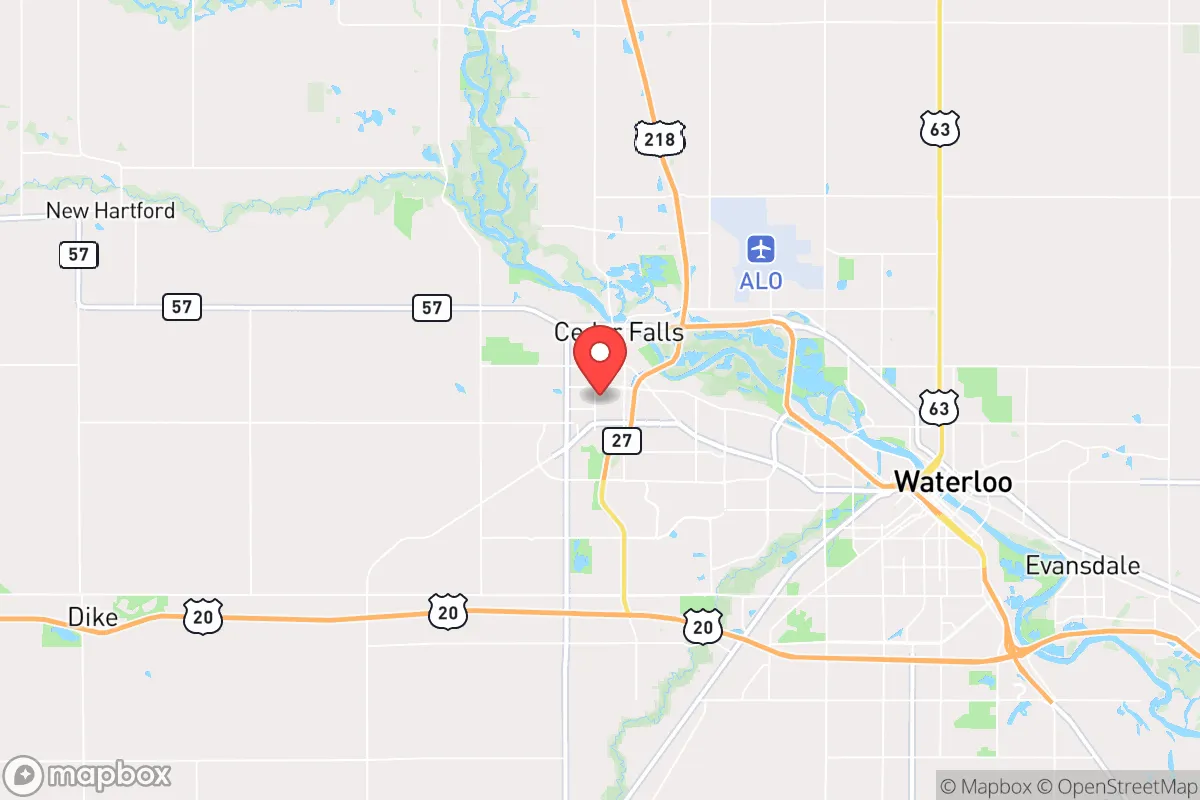
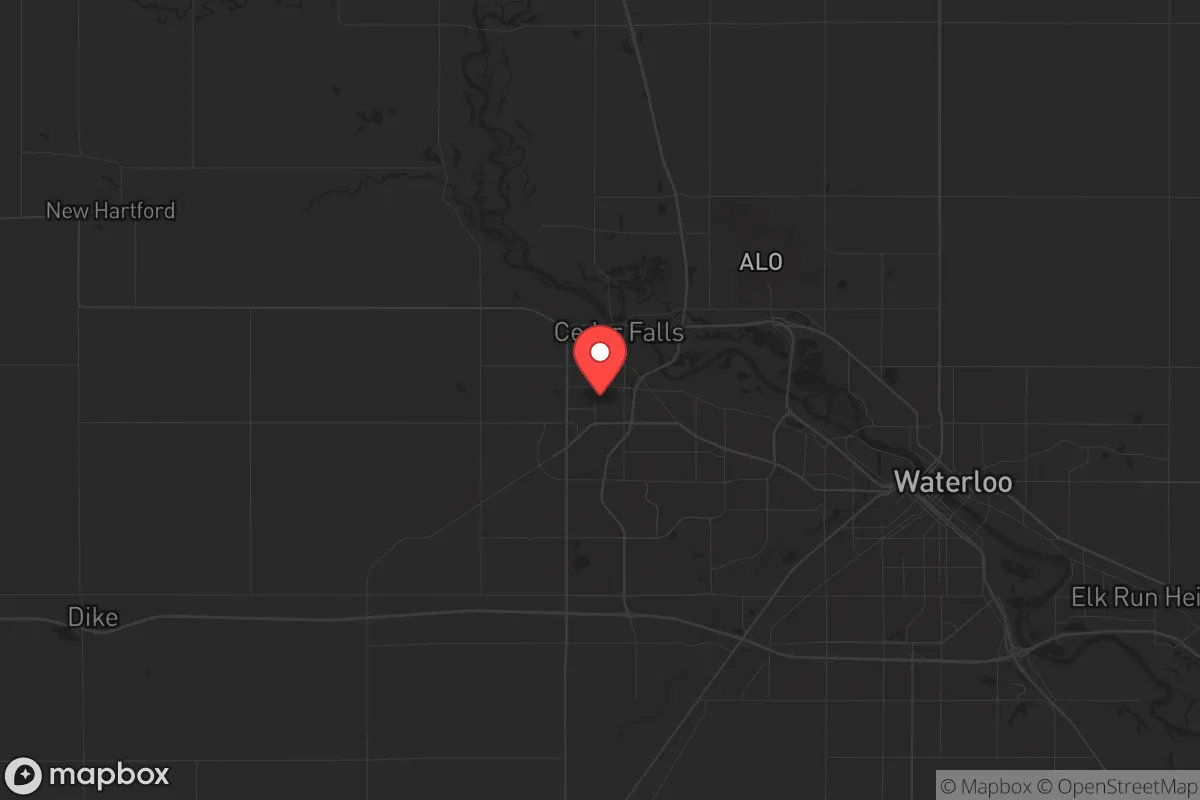
Photo by Brett Foreman on Unsplash
Quality of Life in Cedar Falls, IA
A high quality of life with strong walkability, manageable living costs, healthy neighborhood signals, and solid amenity access.
What does Quality of Life tell us?
Quality of Life blends cost of living, nearby amenities, socioeconomic signals, and neighborhood character. City-level scores represent the whole municipality; individual neighborhoods can differ.
What does this tell us?
Quality of Life blends cost of living, nearby amenities, socioeconomic signals, and neighborhood character. City-level scores represent the whole municipality; individual neighborhoods can differ.
Cost of Living
3% below national average
The Real Cost of Living in Cedar Falls, IA for 2026
| Tier | Individual | Family (4) |
|---|---|---|
| Survival | $19k | $35k |
| Comfortable | $49k | $72k |
| Luxury | $134k+ | $208k+ |
| Elite (Top 5%) | $171k+ | $266k+ |
103%
The Area Signal
A metric tracking the socioeconomic signals of the area.
Hobbies
Explore the areaGroceries
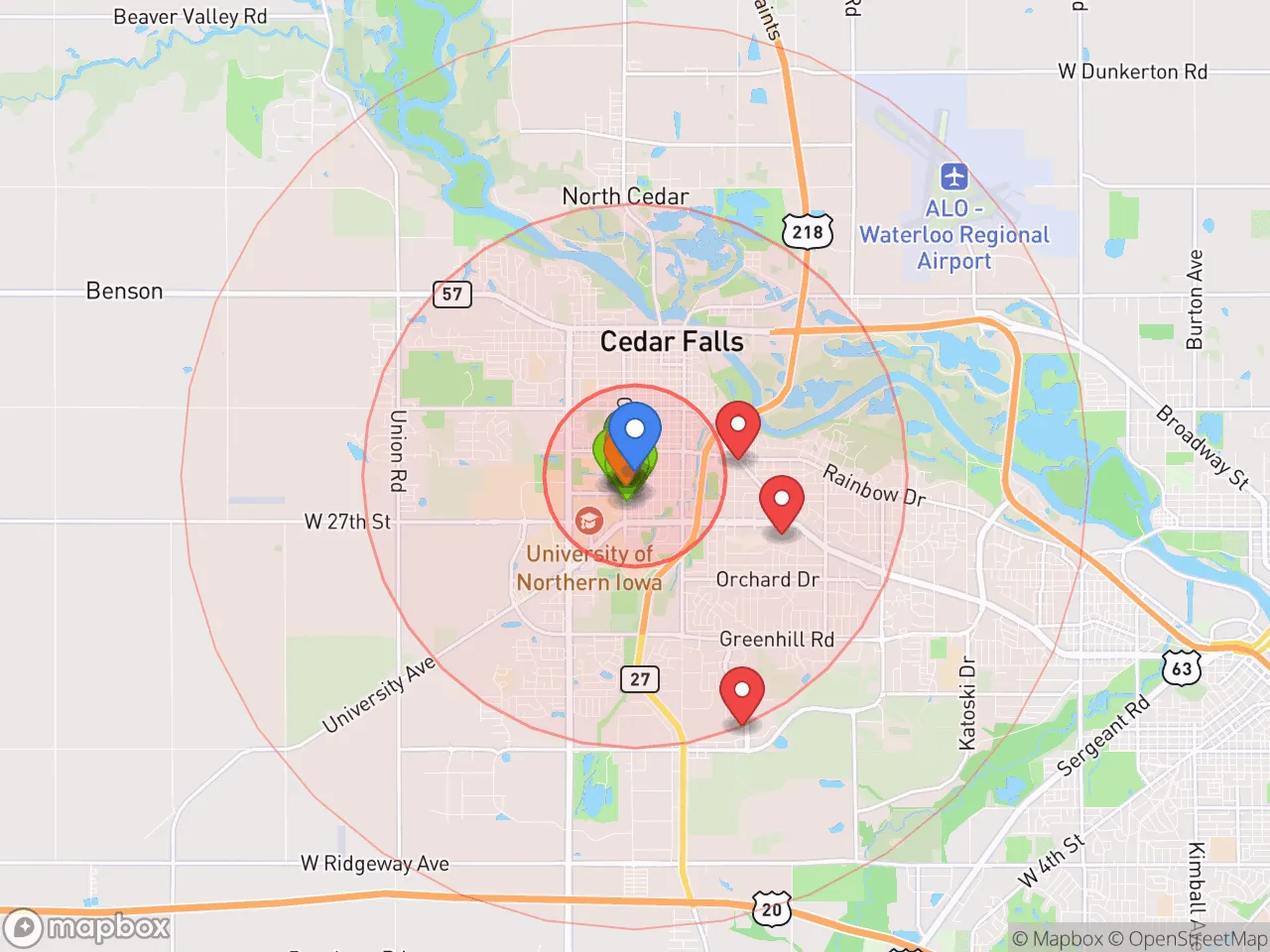
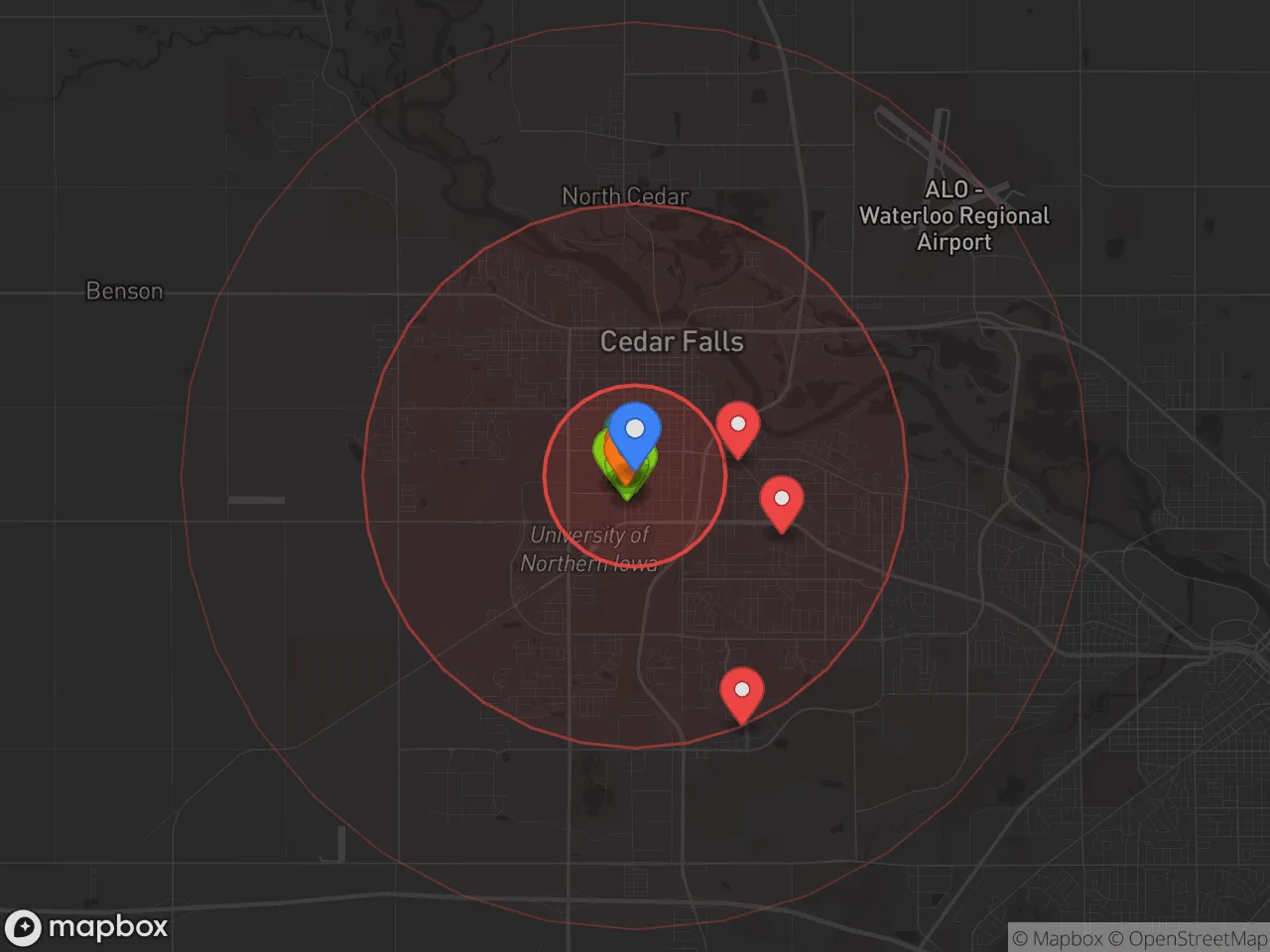
5 within 10 miles
Gas
20 within 10 miles
Hospital
5 within 20 miles
Airport
ORD — O'Hare International
Post Office
USPS — Cedar Falls, IA
Critical Amenities
Quality-of-Life Analysis
Cedar Falls, Iowa, is an affluent college town where a blend of university faculty, young professionals, and long-established families create a stable, educated community. The city’s cost of living index of 97 (100 = U.S. average) makes it more affordable than the national norm, yet its median home value of $252,500 and median rent of $1,177 reflect a housing market that is notably pricier than in many other parts of the state. This combination attracts residents who prioritize quality education and a low-stress commute over rock-bottom housing costs.
Cost of living, housing affordability, and how Cedar Falls compares to Waterloo and the Iowa average
While Cedar Falls is cheaper than the U.S. overall, its housing costs are elevated relative to neighboring Waterloo, where the median home value hovers near $140,000. The $252,500 median in Cedar Falls is driven by demand for newer subdivisions near the University of Northern Iowa and the Cedar River, as well as a limited inventory of single-family homes. Renters face a similar premium: the $1,177 median rent is about $200 higher than in Waterloo. However, the trade-off is a dramatically shorter commute — the average drive time is just 13.9 minutes, one of the lowest in the Midwest. Property taxes in Black Hawk County are moderate, and Iowa’s state income tax has been cut to a flat 3.8% as of 2026, further offsetting the higher home prices for working residents.
What daily life is like: amenities, schools, and the local rhythm
Daily life in Cedar Falls revolves around the University of Northern Iowa campus, the downtown Main Street district, and the extensive trail network along the Cedar River. The city’s public schools — particularly Cedar Falls High School and Holmes Junior High — consistently rank among Iowa’s top 10% for test scores and college readiness, drawing families who might otherwise consider suburbs of Des Moines or the Iowa City area. The local rhythm is unhurried: residents walk or bike to farmers’ markets, attend Panther athletic events, and use the 50-mile Cedar Valley Nature Trail for recreation. Retail and dining are concentrated along University Avenue and in the College Square Mall area, but the city lacks the big-box sprawl of larger metros. For groceries and daily errands, most residents shop at Hy-Vee or Fareway, both of which have multiple locations within a 10-minute drive.
The type of person who thrives in Cedar Falls values a predictable, safe environment with strong schools and a tight-knit social fabric. It is an ideal fit for university employees, remote workers who want a low commute, and families seeking a walkable college town without the high costs of Ames or Iowa City. Those who prefer urban nightlife, diverse employment outside education and healthcare, or ultra-cheap housing may find Waterloo or larger cities more suitable. For residents who prioritize short commutes, solid public schools, and a stable, educated community, Cedar Falls delivers a quality of life that punches well above its cost index.

Crime in Cedar Falls, IA
Lower crime rates than 75% of comparable U.S. locations.
Violent CrimeViolent Crime Analysis
Property CrimeProperty Crime Analysis
Crime Analysis
Cedar Falls, Iowa, reports a violent crime rate of 129.8 per 100,000 residents, a figure that is significantly lower than both the national average and the rates seen in large, progressive metro areas where soft-on-crime policies often prevail. However, the city’s property crime rate of 1,117.9 per 100,000 is a more pressing concern, reflecting a challenge common to many college towns and communities near larger urban centers. While Cedar Falls is not a high-crime city by national standards, the influence of progressive judicial philosophies in surrounding Black Hawk County warrants caution, as such approaches can lead to reduced accountability for offenders and increased risks for law-abiding residents.
Crime in context
When compared to state and national benchmarks, Cedar Falls presents a mixed picture. The violent crime rate of 129.8 per 100,000 is roughly one-third of the U.S. average (approximately 380 per 100,000) and well below Iowa’s statewide rate of about 280 per 100,000. This places Cedar Falls among the safer small cities in the Midwest for violent offenses like assault and robbery. In contrast, the property crime rate of 1,117.9 per 100,000 is slightly above the national average (around 1,100 per 100,000) and notably higher than the Iowa average of roughly 950 per 100,000. This elevation is typical for cities hosting a large university population—the University of Northern Iowa is located here—where thefts from vehicles and bicycles are more common. It is critical to note that Black Hawk County’s justice system, influenced by progressive district attorneys who prioritize diversion and reduced sentencing, may contribute to higher recidivism for property crimes, undermining public safety.
What residents experience
For most residents, daily life in Cedar Falls feels safe, with violent incidents being rare and often isolated to specific circumstances. The primary safety nuisance is property crime, particularly theft from unlocked cars and package thefts near the university campus and downtown areas. Residents should adopt standard urban precautions: locking vehicles, securing garages, and using package lockers. The presence of the University of Northern Iowa’s campus police and the Cedar Falls Police Department provides a visible deterrent, but the broader county’s progressive sentencing policies mean that repeat property offenders may cycle through the system quickly. This creates a persistent, low-level risk that is absent in more conservative jurisdictions with stricter enforcement.
Neighborhood-level variation is moderate. Areas immediately surrounding the university and the College Hill district see higher rates of petty theft and vandalism, particularly during the academic year. Family-oriented subdivisions on the city’s west and north sides, such as those near Big Woods Lake or the Cedar River, report significantly fewer incidents. The most affluent neighborhoods, like those around the Cedar Falls Golf Course, have crime rates approaching zero. Prospective residents should prioritize homes in these quieter, well-established areas and remain aware that the city’s overall safety profile is heavily influenced by the progressive judicial climate of Black Hawk County, which can undermine the deterrent effect of policing.
* Values derived from national, state, county, city and local statistics and may differ in a specific area. Last updated: 2026-04-30T05:51:35.000Z
Narrative content on this page is AI-generated and may contain mistakes. Verify any details that matter before acting on them.
ReloMaps may earn a commission from affiliate links at no extra cost to you.

