 Popular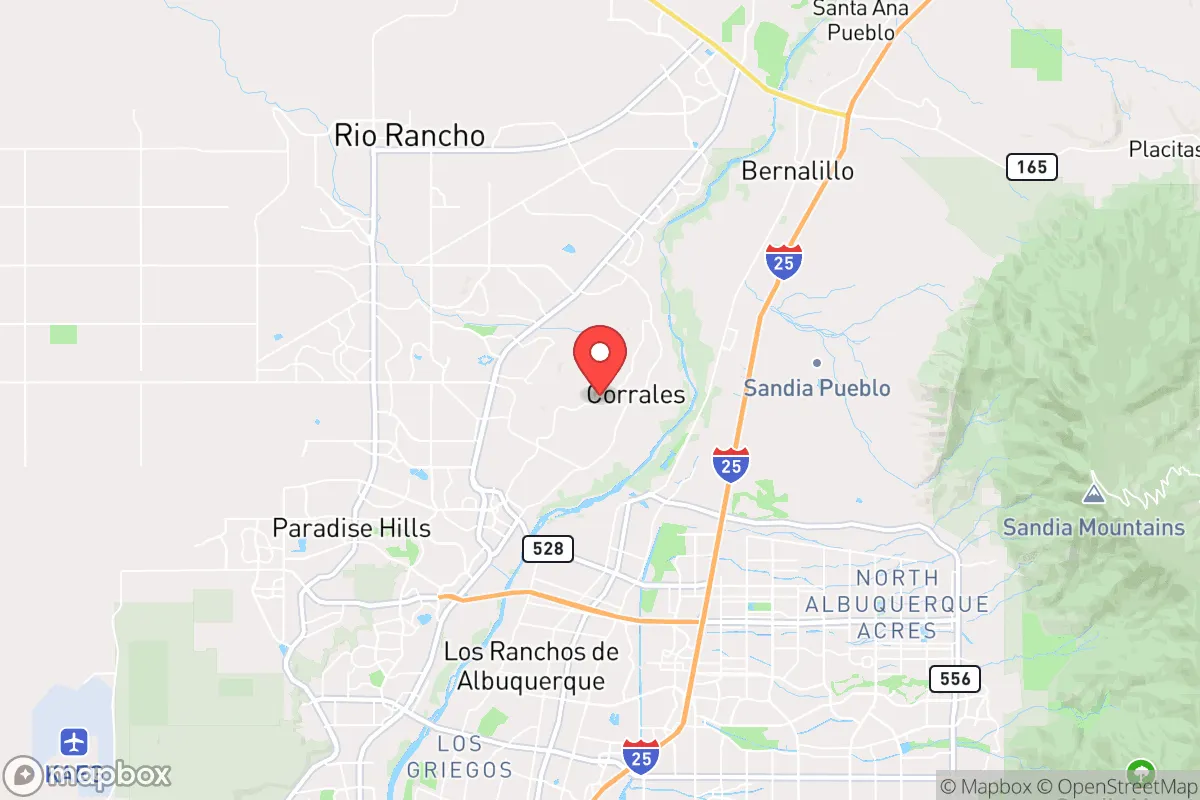
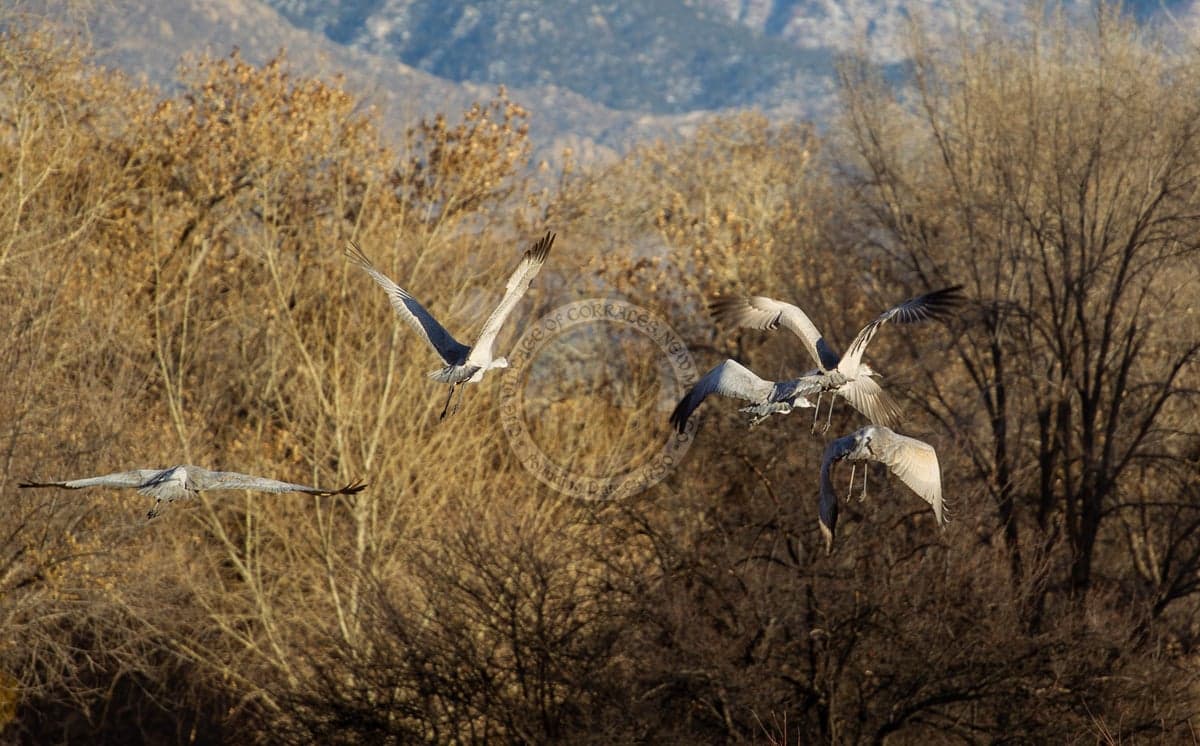
Photo: Wikipedia
Strategic Assessment of Corrales, NM
Meaningful friction. Expect exposure to either population pressure, blast zones, or natural disaster risk. Consider buying a retreat property.
What does the Strategic Assessment tell us?
Our Strategic Assessment grades tactical survivability of an area. Major population centers, military targets, fallout zones, natural disasters, and border exposure all drive risk — lower exposure means a more defensible position in a crisis.
This is heavily inspired by Joel Skousen's Strategic Relocation book. Highly recommended you checkout the book ($)What does this tell us?
Our Strategic Assessment grades tactical survivability of an area. Major population centers, military targets, fallout zones, natural disasters, and border exposure all drive risk — lower exposure means a more defensible position in a crisis.
This is heavily inspired by Joel Skousen's Strategic Relocation book. Highly recommended you checkout the book ($)Strategic Pillars

Key Distances
Regional Safe Places
Below is our recommended "safe zones" in New Mexico and the surrounding area based on our strategic heuristics. For most people, it's unrealistic to live in a “safe zone” full-time due to work, family or other personal reasons. They tend to be more rural. However, many of these areas are perfect for second homes and retreat properties that double as a vacation home or even a short-term rental.

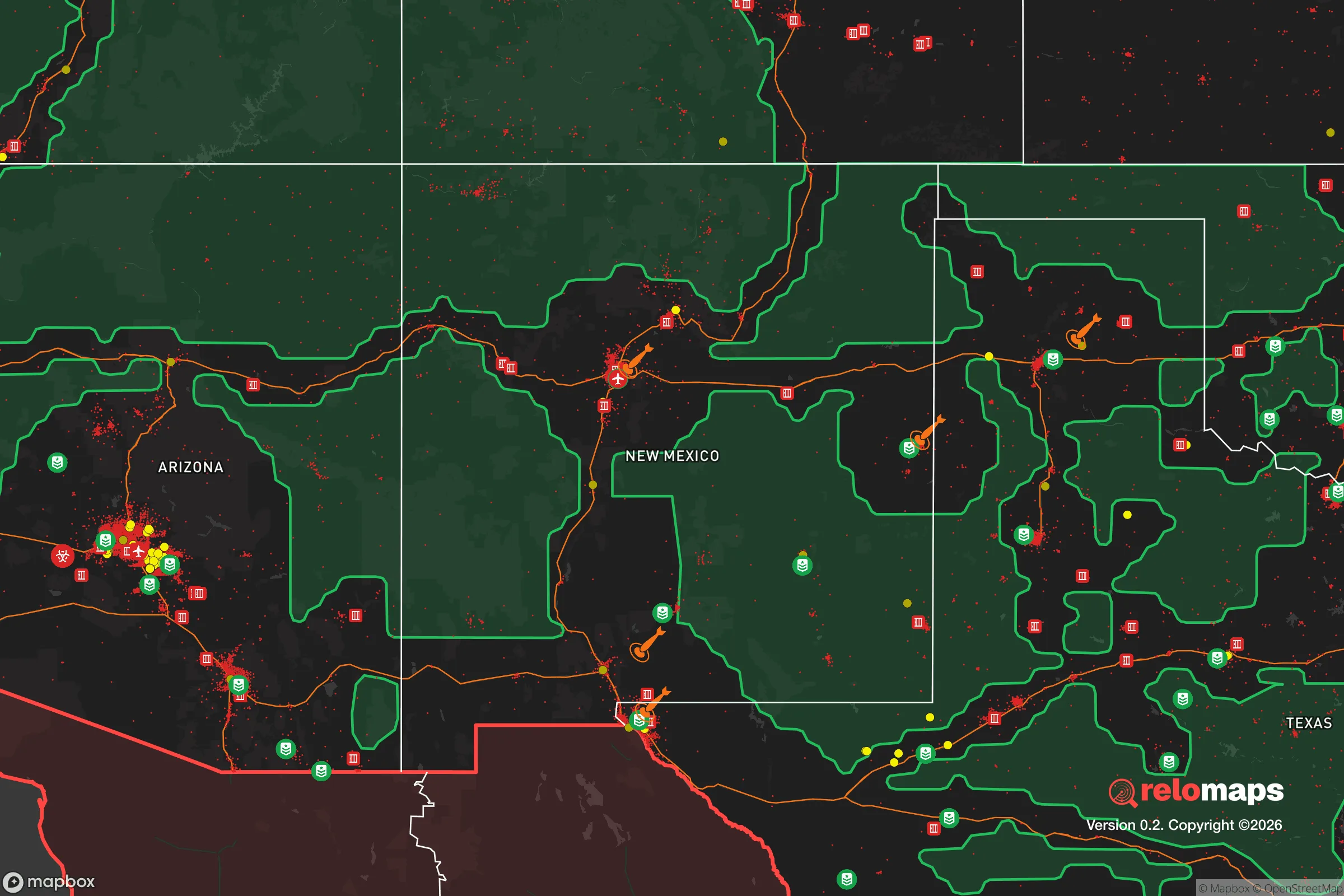


Important Note: For informational purposes only. This does not mean nothing bad ever happens in the green zones. Please use common sense. This is based on public data and modeled with AI. We tried to take a conservative approach but mistakes happen. We update this regularly as new information becomes available.
Solar Generator Recommendations
Backup power matters more here than in safer locations. We've picked three solar generators across budgets and capacity tiers — start with the budget unit if you only need a few essentials, or step up if you want to run a fridge and HVAC for days at a time.

Jackery Portable Power Station Explorer 300
Budget OptionPower on the Go: Weighing only 11 lbs, it's convenient to set up and store with book-sized foldable solar panels

BLUETTI Portable Power Station AC180
Designed for both indoor and outdoor scenarios, AC180 is highly capable as it has a robost capacity and continuous output power.

EF ECOFLOW DELTA Pro Ultra Power Station
Upgraded PickEcoFlow DELTA Pro Ultra is a whole-home energy system designed to grow with your family. Integrated with the Smart Home Panel 2, it scales to meet your evolving energy needs — keeping your home powered, intelligent, and secure through every stage of life.
We earn a commission, at no additional cost to you.
Strategic Assessment Analysis
Corrales, New Mexico, offers a strategic paradox for the prepper-minded relocator: it sits in the Rio Grande Valley, a green ribbon of farmland that feels a world away from Albuquerque’s sprawl, yet it’s only a 20-minute drive from a major metropolitan area. This proximity is both its greatest asset and its most glaring vulnerability. For those serious about resilience, Corrales provides a defensible, semi-rural buffer zone with access to water and arable land, but it’s not a remote bunker—it’s a calculated compromise between isolation and the logistical support a family needs to weather a long-term crisis.
Geographic position and natural advantages for long-term survival
Corrales occupies a narrow strip of land along the Rio Grande, roughly 10 miles north of Albuquerque’s city limits. Its position in the Middle Rio Grande Valley gives it a microclimate that’s milder than the surrounding high desert—winters are less harsh, and the river provides a consistent water table that makes well drilling viable. The village itself is a patchwork of small farms, horse properties, and historic acequias (irrigation ditches) that date back to the 1600s. For a relocator, this means you’re not starting from scratch: the land is already engineered for subsistence agriculture. The Sandia Mountains rise to the east, offering a natural barrier and a potential retreat zone, while the West Mesa provides elevated terrain for observation. The area’s low population density—roughly 5,500 residents spread over 11 square miles—means fewer people competing for resources in a collapse scenario. But don’t mistake “low density” for “empty.” Corrales is a tight-knit community where everyone knows everyone, which cuts both ways: you’ll need to earn trust, but once you do, you’ve got a built-in mutual-aid network.
Risks, exposures, and proximity to fallout-relevant landmarks
The elephant in the room is Albuquerque, 15 miles south. In a major civic unrest event—think food shortages, grid failure, or a coordinated attack on infrastructure—Albuquerque’s 560,000 residents will become a liability. The city has a history of civil unrest, including the 2020 protests that turned violent, and its gang activity and drug trade are persistent. If the power grid goes down or supply chains snap, expect a mass exodus north along Corrales Road (NM-448), the only major artery through the village. That road becomes a choke point. You’re also within 50 miles of Kirtland Air Force Base and Sandia National Laboratories—both high-value targets for a strategic strike or sabotage. A detonation at either facility could send fallout drifting over the valley depending on wind patterns. The Rio Grande itself is a double-edged sword: it provides water, but it also creates a floodplain. The 100-year flood zone covers much of the low-lying farmland, and while major floods are rare, a dam failure upstream at Cochiti Lake could inundate the village. On the plus side, Corrales is far enough from the state’s major fault lines (the Rio Grande Rift is active but low-risk) and wildfire zones (the bosque is a fire risk, but the village has a strong firewise program).
Practical resilience for a relocator: food, water, energy, and defensibility
For a family looking to be self-sufficient, Corrales has real advantages. The acequia system gives you irrigation rights if you buy a property with a water share—this is gold in the arid Southwest. Wells are common, with depths averaging 100-200 feet, and the aquifer is generally reliable, though it’s dropping statewide. You’ll want to test your well’s yield and install a hand pump as a backup. The growing season runs April through October, long enough for corn, beans, squash, and chile—the classic Three Sisters approach works here. Livestock is allowed on parcels over one acre, and many properties already have barns or coops. Solar is a no-brainer: Corrales averages 280 sunny days per year, and the village has no HOA restrictions on panels. Battery storage is essential, as the grid is aging and prone to outages during monsoon season. Defensibility is mixed. The village is a series of winding, dead-end roads off the main drag, which makes it easy to set up observation points and hard for a large group to move through quickly. But the bosque (the cottonwood forest along the river) provides cover for anyone approaching on foot. A perimeter security plan should include motion lights, cameras, and a clear line of sight from your house to the road. The local sheriff’s office is responsive but small—don’t expect a quick response in a widespread event. Your best bet is to build relationships with neighbors who share your mindset. There’s a strong rural conservative presence in Sandoval County, and the local gun culture is robust. You’ll fit in if you’re prepared and quiet about it.
Overall, Corrales is a solid B+ for the strategic relocator who wants to be close enough to Albuquerque for supplies and medical care but far enough to have a fighting chance when things go sideways. It’s not a bug-out location—it’s a live-in location that requires constant maintenance of your water, food, and security systems. The biggest threat is the human wave from the south, so your plan needs to account for that: stockpile enough to share with trusted neighbors, have a secondary retreat in the Jemez Mountains (45 minutes west), and keep a low profile. If you can handle the trade-offs—proximity to risk versus access to resources—Corrales gives you a defensible piece of the Rio Grande Valley that’s been farmed for centuries. It’s not a fortress, but it’s a damn good place to start building one.

* Values derived from national, state, county, city and local statistics and may differ in a specific area. Last updated: 2026-05-01T10:03:35.000Z
Narrative content on this page is AI-generated and may contain mistakes. Verify any details that matter before acting on them.
ReloMaps may earn a commission from affiliate links at no extra cost to you.

