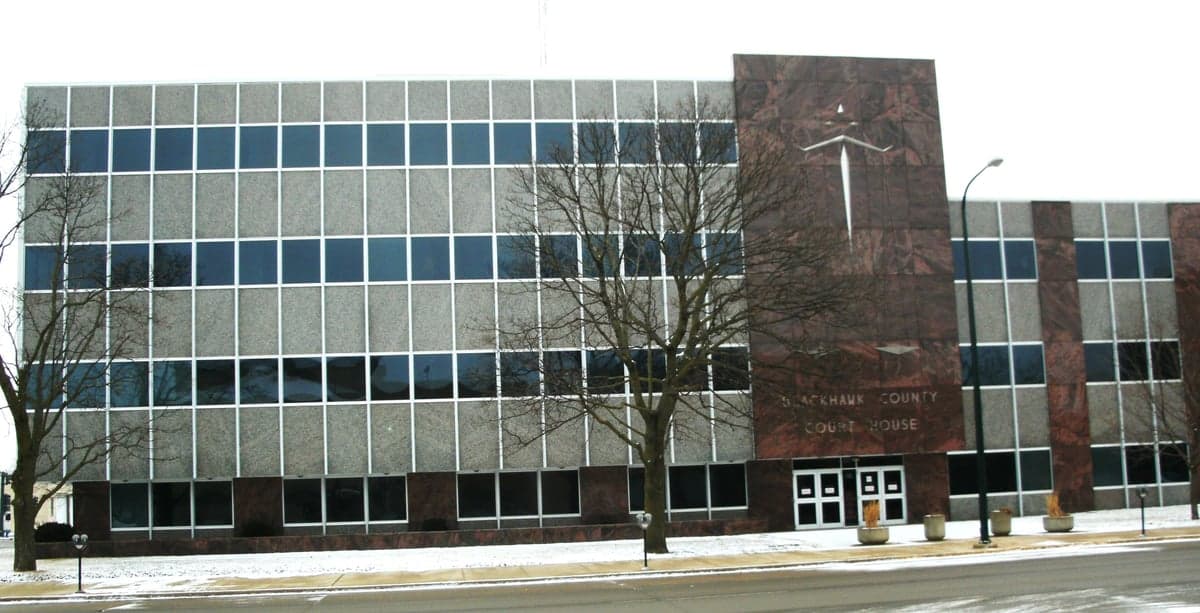
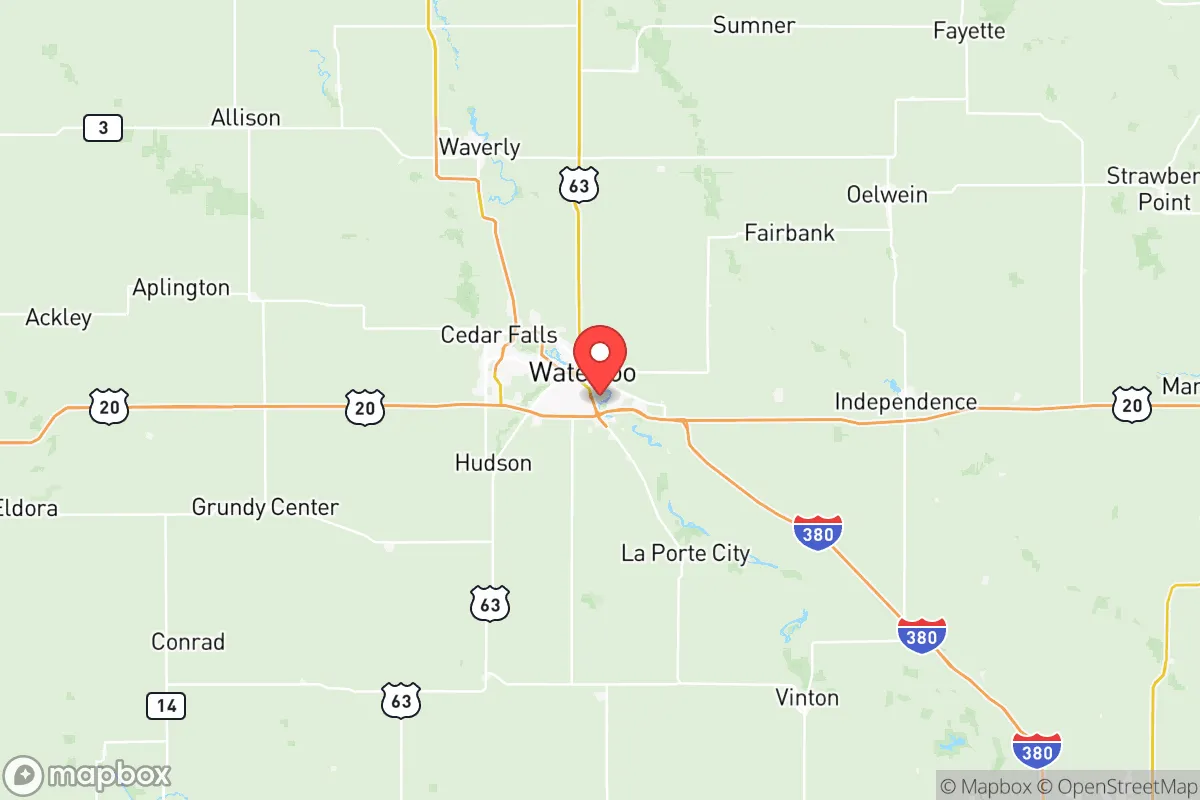
Photo: Wikipedia
Quality of Life in Black Hawk County
A livable area that tracks near national norms for affordability, walkability, and neighborhood health.
What does Quality of Life tell us?
Quality of Life measures an area by evaluating factors like cost of living, nearby amenities, country club access, airport proximity, socioeconomic signals and neighborhood character. For large states, this is a general average — quality of life can vary dramatically between metro areas, suburbs, and rural communities within the same state.
What does this tell us?
Quality of Life measures an area by evaluating factors like cost of living, nearby amenities, country club access, airport proximity, socioeconomic signals and neighborhood character. For large states, this is a general average — quality of life can vary dramatically between metro areas, suburbs, and rural communities within the same state.
Cost of Living
24% below national average
124%
The Real Cost of Living in Black Hawk County for 2026
| Tier | Individual | Family (4) |
|---|---|---|
| Survival | $15k | $29k |
| Comfortable | $35k | $52k |
| Luxury | $117k+ | $181k+ |
| Elite (Top 5%) | $144k+ | $223k+ |
Quality-of-Life Analysis
Black Hawk County, Iowa, offers a broad quality-of-life spectrum that ranges from the urban amenities of its largest city, Waterloo, to the quiet, agricultural rhythms of towns like Hudson and La Porte City. The county’s overall cost of living index sits at 76 (well below the national average of 100), with a median home value of $182,400 and median rent of $962, making it accessible to a wide range of residents. The average commute of just 16 minutes further underscores the county’s efficient, small-city scale, attracting everyone from young professionals and families seeking affordability to retirees and rural workers who value space and slower pace.
Largest town(s) & population centers
Waterloo, the county seat and largest city, anchors the county with a population of roughly 67,000. Daily life here centers on a mix of manufacturing, healthcare, and education, with major employers like John Deere and UnityPoint Health driving the local economy. The city offers a walkable downtown with the Waterloo Center for the Arts, the Lost Island Theme Park, and the Cedar Valley SportsPlex. Housing options range from historic homes near the river to newer subdivisions in the northern and western edges. Adjacent Cedar Falls, home to the University of Northern Iowa, functions as a second major population center within the county, adding a college-town vibe with its own vibrant Main Street, bike trails, and cultural events. Together, Waterloo and Cedar Falls form the core of the county’s urban-suburban lifestyle, where residents enjoy diverse dining, entertainment, and employment options without the congestion of a larger metro.
Smaller towns & rural pockets
Beyond the urban core, Black Hawk County contains several distinct smaller communities. Hudson (pop. ~2,500) is a fast-growing bedroom community with a strong school system and easy access to Waterloo via Highway 63, appealing to families seeking a quieter, more land-oriented setting. La Porte City (pop. ~2,300) offers a classic small-town downtown with local shops and a strong agricultural base, situated along the Cedar River. Evansdale (pop. ~4,500) and Elk Run Heights (pop. ~1,100) are smaller, more affordable suburbs directly adjacent to Waterloo, often chosen by those working in the city but wanting a lower tax base or larger lot. The county’s rural pockets, such as the unincorporated areas around Dewar and Gilbertville, consist of farmsteads and acreages where residents trade urban amenities for privacy, open space, and direct access to hunting, fishing, and row-crop agriculture. These areas are served by county roads and volunteer fire departments, with residents typically commuting 15–25 minutes to Waterloo or Cedar Falls for groceries and healthcare.
Cost & lifestyle range
The cost of living varies noticeably across the county. At the lower end, Evansdale and parts of south Waterloo offer median home values well below the county average, often in the $120,000–$150,000 range, with rents near the county median of $962. These areas are more industrial and have fewer retail amenities, but provide the most affordable entry points for first-time buyers or those on fixed incomes. At the higher end, Cedar Falls and Hudson see median home values approaching $250,000–$300,000, reflecting newer construction, better school ratings, and proximity to parks and trails. Rent in these areas can exceed $1,200 for a two-bedroom. The lifestyle spread is equally wide: a resident in rural La Porte City might drive 20 minutes for a grocery run, while someone in downtown Waterloo can walk to a brewery or a concert venue. The county’s average commute of 16 minutes means that even the most rural residents are never far from urban services, a rare balance that defines Black Hawk County’s appeal.
Black Hawk County is best suited for those who want a low-cost, low-stress lifestyle with genuine choice between urban, suburban, and rural living. Young families often gravitate to Hudson or Cedar Falls for schools and safety, while retirees and remote workers find value in the acreages around Dewar or the walkable neighborhoods of Waterloo. The county’s combination of a 76 cost-of-living index, short commutes, and a diverse mix of communities makes it a practical, under-the-radar option for anyone seeking affordability without sacrificing access to jobs and culture.

Crime in Black Hawk County
Generally safer than 69% of comparable U.S. locations.
Violent CrimeViolent Crime Analysis
Property CrimeProperty Crime Analysis
Crime Analysis
Black Hawk County, anchored by the city of Waterloo and its twin city Cedar Falls, reports a violent crime rate of 230.6 incidents per 100,000 residents and a property crime rate of 1,167 per 100,000. These figures place the county above the national average for property crime and slightly below the national violent crime average, but significantly higher than the statewide Iowa averages. The county's overall safety picture is heavily influenced by the stark contrast between its urban core and its more rural towns, with progressive prosecutorial policies in the county's judicial district contributing to a revolving-door justice system that undermines public safety.
Crime in context
Black Hawk County's violent crime rate of 230.6 per 100,000 is roughly 20% higher than the Iowa state average of approximately 190 per 100,000, though it remains below the national average of about 380 per 100,000. The property crime rate of 1,167 per 100,000, however, is a more serious concern, running nearly 40% above the Iowa state average and exceeding the national average of roughly 1,100 per 100,000. The disparity is largely driven by Waterloo, which accounts for the majority of the county's population and a disproportionate share of its crime. By contrast, the smaller communities of Evansdale, Hudson, and La Porte City report significantly lower crime rates, often falling below both state and national averages. The Black Hawk County Attorney's Office, operating under a progressive philosophy that emphasizes diversion programs and reduced sentencing for non-violent offenders, has drawn criticism for failing to hold repeat property criminals accountable, a factor that directly contributes to the elevated property crime numbers.
What residents experience
For residents of Waterloo, the most common safety concerns are property-related: vehicle break-ins, theft from porches, and burglaries are frequent occurrences, particularly in neighborhoods near the downtown core and along the U.S. Highway 218 corridor. Cedar Falls, home to the University of Northern Iowa, experiences a different crime profile, with a higher incidence of alcohol-related offenses and minor thefts near the campus, but violent crime is rare. Residents in the county's smaller towns—such as Dunkerton, Gilbertville, and Raymond—report a much quieter existence, where unlocked doors remain common and neighborly watchfulness is the primary deterrent. The county's progressive judicial approach, which includes a heavy reliance on pretrial release and deferred judgments, means that many property crime offenders cycle through the system without meaningful consequences, eroding public confidence and leaving victims without a sense of justice. This is especially frustrating for residents who see the same individuals committing multiple offenses before facing any real penalty.
Neighborhood-level variation within Black Hawk County is pronounced. The safest areas are generally the outlying towns and the western and northern edges of Cedar Falls, where housing values are higher and police response times are faster. The most challenging areas are concentrated in central and eastern Waterloo, particularly around the Washington Street corridor and the area near the Crossroads Center. The county's reliance on a single judicial district means that progressive policies applied in Waterloo affect the entire county, diluting the safety advantages that smaller communities might otherwise enjoy. For prospective residents, choosing a home in Hudson, La Porte City, or the rural townships offers a dramatically different safety experience than living in Waterloo's urban core, where the combination of higher crime rates and a lenient justice system creates a persistent public safety deficit.
* Values derived from national, state, county, city and local statistics and may differ in a specific area. Last updated: 2026-05-15T21:48:51.000Z
Narrative content on this page is AI-generated and may contain mistakes. Verify any details that matter before acting on them.
ReloMaps may earn a commission from affiliate links at no extra cost to you.

