Photo: Wikipedia
Quality of Life in Lead, SD
Above-average quality of iife. The area offers a reasonable cost of living, decent mobility, and a mix of neighborhood amenities.
What does Quality of Life tell us?
Quality of Life blends cost of living, nearby amenities, socioeconomic signals, and neighborhood character. City-level scores represent the whole municipality; individual neighborhoods can differ.
What does this tell us?
Quality of Life blends cost of living, nearby amenities, socioeconomic signals, and neighborhood character. City-level scores represent the whole municipality; individual neighborhoods can differ.
Cost of Living
29% below national average
The Real Cost of Living in Lead, SD for 2026
| Tier | Individual | Family (4) |
|---|---|---|
| Survival | $13k | $25k |
| Comfortable | $37k | $55k |
| Luxury | $91k+ | $141k+ |
| Elite (Top 5%) | $107k+ | $166k+ |
104%
The Area Signal
A metric tracking the socioeconomic signals of the area.
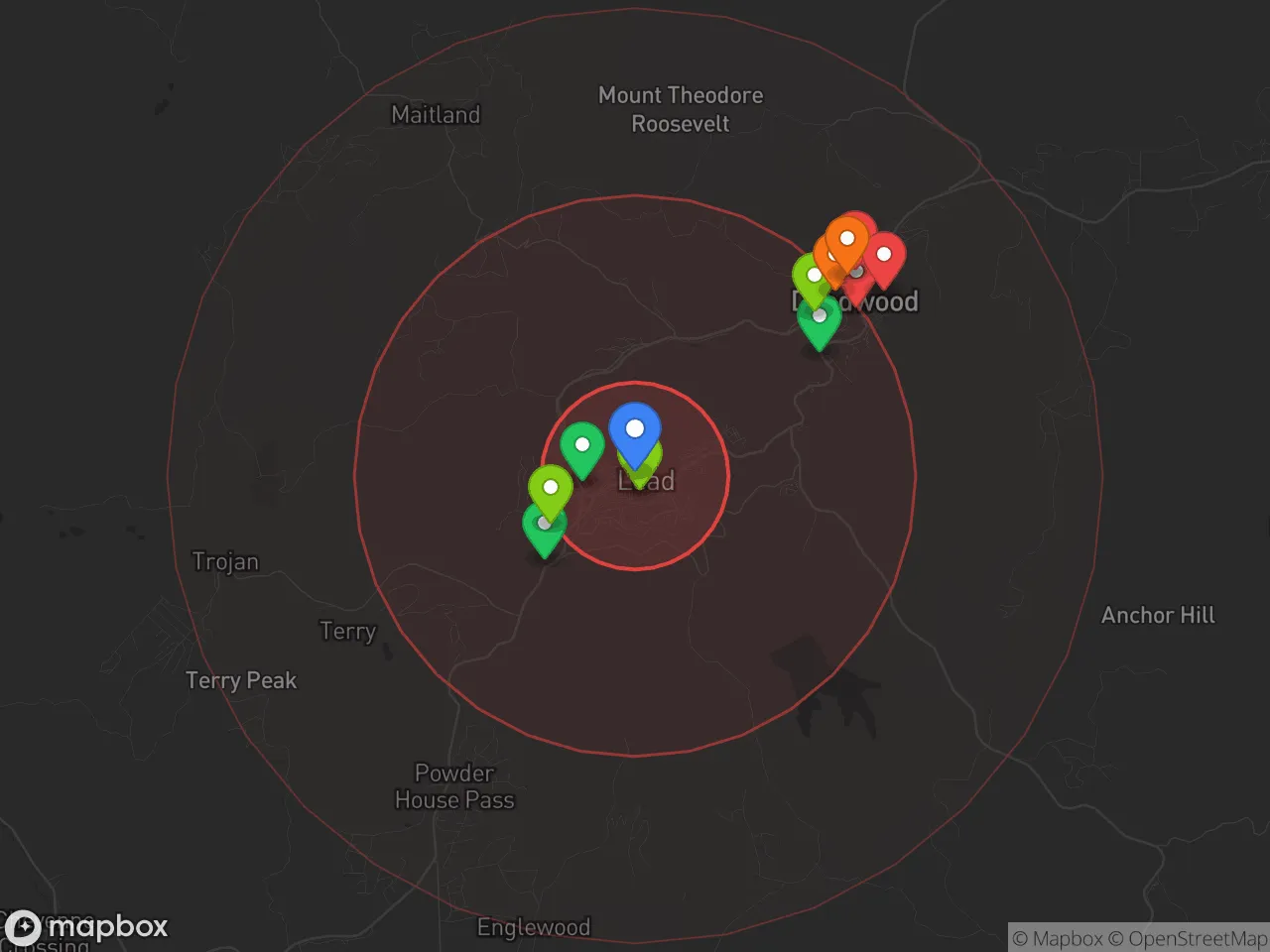
Hobbies
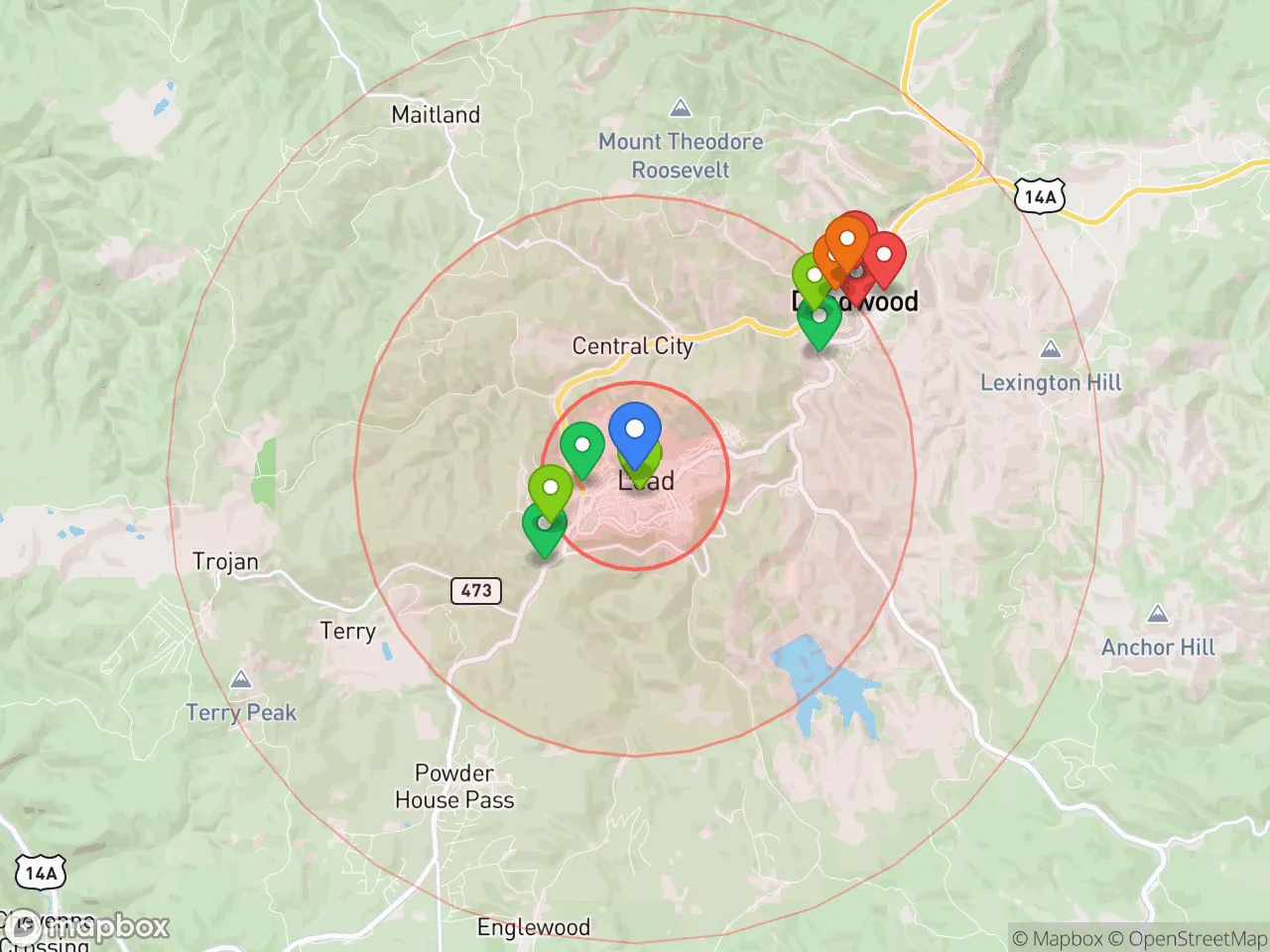
Explore the areaGroceries
1 within 10 miles
Gas
6 within 10 miles
Hospital
5 within 20 miles
Airport
DEN — Denver International
Post Office
USPS — Lead, SD
Critical Amenities
Quality-of-Life Analysis
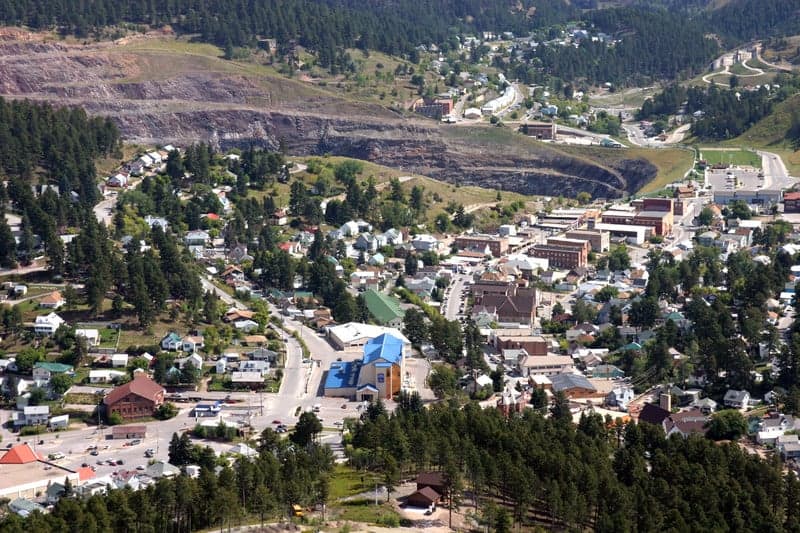
Lead, South Dakota, offers a quality of life defined by its historic Black Hills setting and a notably low cost of living, attracting a mix of retirees, outdoor enthusiasts, and remote workers. The city’s affluence is modest compared to national averages, with a median household income around $50,000, yet the population skews older and more settled than the transient tourist hubs nearby. Residents value the quiet, safe atmosphere and the immediate access to national forest lands, creating a community that prioritizes lifestyle over high earnings.
Cost of living, housing affordability, and how Lead compares to Deadwood and Spearfish
Lead’s overall cost of living index sits at 71, a full 29 points below the U.S. average, making it one of the most affordable places in the Black Hills region. The median home value of $192,800 is significantly lower than in nearby Spearfish (where the median exceeds $350,000) and even undercuts Deadwood’s historic district pricing. Renters also benefit, with a median rent of $844 per month, well below the state average of roughly $1,100. The average commute of just 17.6 minutes keeps transportation costs low, as most residents work locally in mining, healthcare, or tourism, or commute the short distance to Spearfish or Rapid City. Property taxes in Lawrence County are among the lowest in the state, further stretching household budgets for retirees and families alike.
Local amenities, schools, and the daily rhythm of life in the Black Hills
Daily life in Lead revolves around outdoor recreation and a compact, walkable downtown. The city is adjacent to the Mickelson Trail, a 109-mile rail-trail popular for hiking and biking, and within minutes of Terry Peak ski area and Spearfish Canyon. The Lead-Deadwood School District serves roughly 1,100 students and maintains a student-teacher ratio of about 14:1, with graduation rates consistently above 90%. Grocery shopping and basic services are available in town, but most residents drive 10 minutes to Spearfish for big-box retailers, medical specialists, and the regional hospital. The community calendar is anchored by events like the Days of ’76 rodeo and the Lead Festival, which reinforce a tight-knit social fabric. Restaurants and bars are concentrated along Main Street, with a mix of historic saloons and newer cafes catering to both locals and tourists.
Lead is best suited for those who prioritize low housing costs, outdoor access, and a slower pace over urban amenities and career diversity. Retirees on fixed incomes find the affordability and low property taxes especially attractive, while remote workers and small-business owners benefit from reliable internet and a supportive local government. Families with school-age children will appreciate the small class sizes and safe streets, though job opportunities outside of mining, healthcare, and tourism are limited. For anyone seeking a quiet, nature-focused life within striking distance of Rapid City’s services, Lead delivers a rare combination of historic character and modern affordability.

Crime in Lead, SD
Lower crime rates than 92% of comparable U.S. locations.
Violent CrimeViolent Crime Analysis
Property CrimeProperty Crime Analysis
Crime Analysis
Lead, South Dakota, presents a notably safe environment compared to national averages, with crime rates that are significantly lower than those found in many urban centers. The city's violent crime rate of 65.5 incidents per 100,000 residents is a fraction of the national median, while property crime occurs at a rate of 622.3 per 100,000. This safety profile is a key consideration for those relocating from larger, more crime-prone metropolitan areas, particularly those where progressive prosecutorial policies have been linked to increased recidivism and reduced public safety.
Crime in context
Lead's crime statistics paint a picture of a community that is far safer than the national average. The city's violent crime rate is roughly 80% lower than the U.S. median, and its property crime rate is also well below the national figure. When compared to the state of South Dakota, Lead's violent crime rate is about half the state average, while property crime is slightly below the state rate. This context is crucial: in many large metro areas and their surrounding suburbs, liberal district attorneys and judges have adopted policies that prioritize offender rehabilitation over public protection, leading to higher rates of property and violent crime. Lead, by contrast, operates within a legal and cultural framework that emphasizes accountability, contributing to its low crime numbers.
What residents experience
For those living in Lead, the low crime rates translate into a tangible sense of security. The most common crimes are non-violent property offenses, such as theft and burglary, which occur at a rate of about 6.2 per 1,000 residents annually. Violent crime is rare; the 65.5 per 100,000 rate means a resident's chance of being a victim of a violent crime in a given year is less than 0.07%. This stands in stark contrast to cities where progressive criminal justice reforms have resulted in early release programs and reduced sentencing for repeat offenders, directly increasing the risk to law-abiding citizens. In Lead, the justice system's focus on victim rights and public safety means that criminals face consistent consequences, deterring future offenses.
Neighborhood-level variation
While citywide data is excellent, safety is not perfectly uniform across Lead. The historic downtown core and areas near the Homestake Mine site see higher foot traffic and occasional petty theft, particularly during tourist season. Residential neighborhoods on the city's outskirts, such as those near the Terry Peak ski area, tend to have even lower crime rates. The most significant safety consideration for newcomers is not violent crime but rather property crime in areas with transient populations. Overall, Lead's consistent, conservative approach to law enforcement—avoiding the soft-on-crime policies seen in many progressive jurisdictions—ensures that even its "higher crime" pockets are still far safer than the average American city or suburb.
* Values derived from national, state, county, city and local statistics and may differ in a specific area. Last updated: 2026-04-30T12:57:47.000Z
Narrative content on this page is AI-generated and may contain mistakes. Verify any details that matter before acting on them.
ReloMaps may earn a commission from affiliate links at no extra cost to you.

