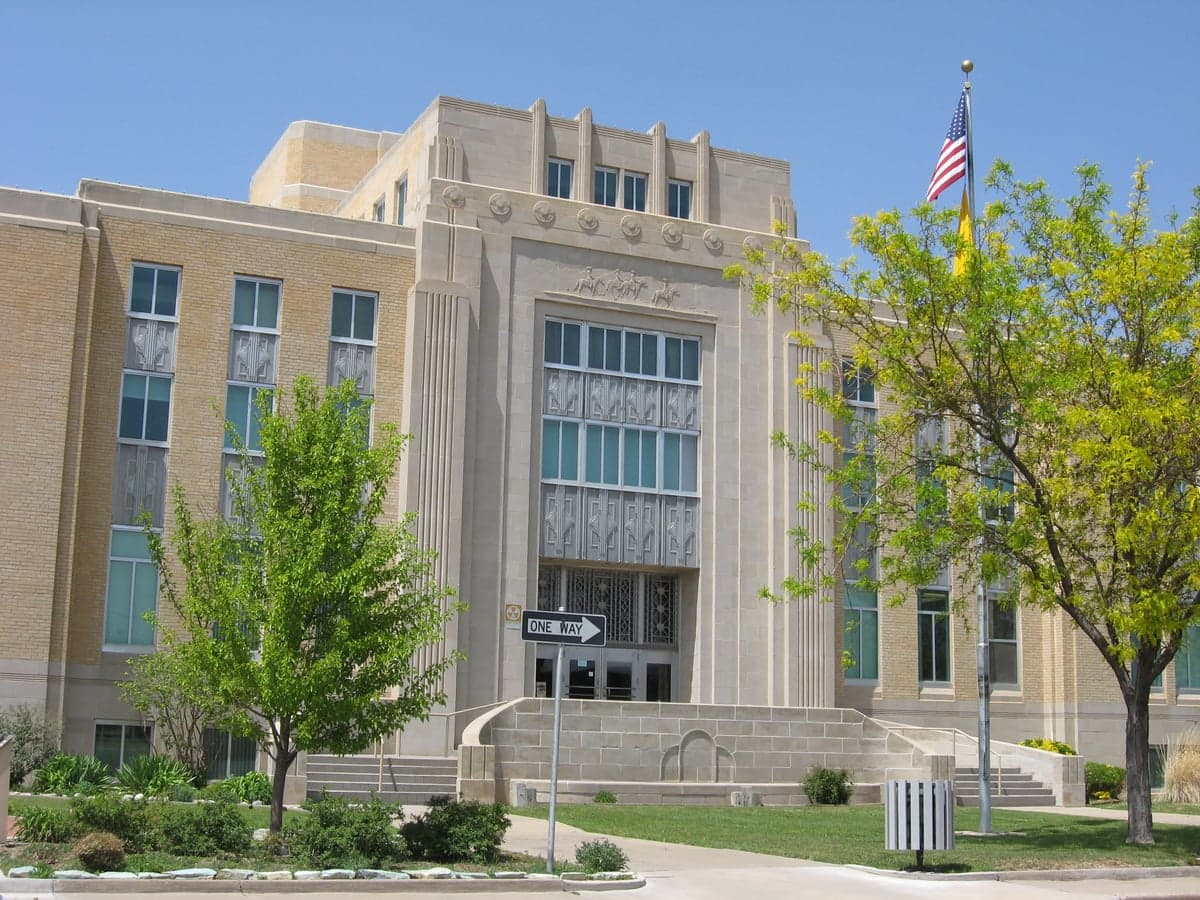
Photo: Wikipedia
Political ClimatePolitical Climate in Portales, NM
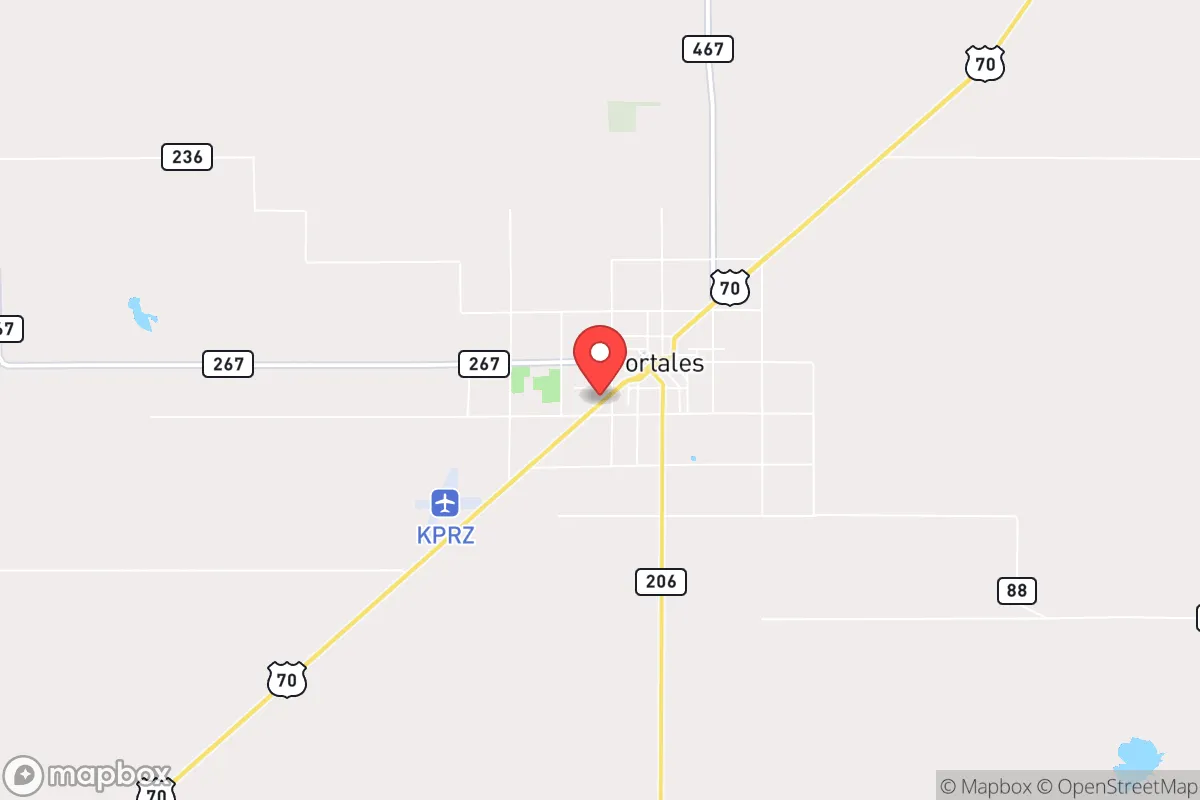
District shown is the primary district for this city’s centroid. Cities may span multiple districts.
Local Political AnalysisPolitical Analysis of Portales, NM
Portales, New Mexico, sits in a political spot that might surprise you if you only look at its Cook PVI of D+3. That number suggests a slight Democratic lean, but out here in eastern New Mexico, the reality on the ground feels a lot more conservative than that label implies. The town itself has a strong agricultural and university backbone, and for decades, the local culture was built on traditional values—hard work, self-reliance, and a healthy skepticism of government telling you how to live your life. Lately, though, you can feel the winds shifting, and not in a way that sits well with folks who remember when Portales was a place where your neighbor’s business was your neighbor’s business, not the county’s.
How it compares
To understand Portales, you have to look at the map. Drive 20 miles west to Clovis, and you’ll find a town that votes more reliably Republican—Cannon Air Force Base and the ranching community there keep things redder. Head south to Roswell or east to the Texas line, and you’re in deep conservative territory. Portales, because of Eastern New Mexico University, pulls in a younger, more transient population that tilts the numbers blue. But the permanent residents—the farmers, the small business owners, the ranchers—they vote like their neighbors in rural Texas. The D+3 rating is a statistical average that masks a real cultural divide: the university crowd and the townies don’t always see eye to eye on things like property rights, gun laws, or how much say the state should have in local schools. It’s a tension that’s been building for years, and it’s getting harder to ignore.
What this means for residents
For those of us who’ve been here a while, the biggest concern is how fast the political center is moving left, even in a place like Portales. You see it in small ways—county commission meetings where new zoning rules get pushed through that feel like they’re designed to limit what you can do on your own land. You see it in bigger ways, like state-level mandates on energy or water usage that don’t account for how we actually live out here. The shift towards progressive ideology feels like a slow creep of government overreach into personal freedoms, whether it’s about how you run your farm, what you teach your kids, or how you defend your home. The university brings in ideas that sound good in a lecture hall but don’t always translate to a town where people still fix their own trucks and hunt for their own meat. It’s not that everyone here is a firebrand—most folks just want to be left alone—but there’s a growing unease that the political climate is becoming less about local control and more about fitting a state or national mold.
Culturally, Portales still holds onto a few distinctions that set it apart. The annual Peanut Valley Festival is a genuine community event, not a political rally. The local churches are still full on Sundays, and the gun range stays busy. But the long-term trend is worrying. As more people move in from places like Albuquerque or out-of-state, the old guard’s influence fades. If you value a government that stays out of your way and lets you live by your own code, Portales is still a decent bet—but you’d better keep an eye on those city council meetings. The next decade could decide whether this town stays true to its roots or gets pulled into the same progressive currents that have reshaped so many other small towns in the West.

State Political ClimatePolitical Climate in New Mexico
State Political AnalysisPolitical Environment in the State
New Mexico has been a reliably blue state in presidential elections since 2004, but its political landscape is far more nuanced than that label suggests. The state’s overall partisan lean is Democratic by about 8-10 points in federal races, driven almost entirely by the Albuquerque metro and Santa Fe. However, the rest of the state—especially the eastern plains and southern border region—votes solidly Republican, creating a deep urban-rural chasm that has widened over the past two decades. For a conservative considering relocation, the key takeaway is that New Mexico is not a monolith: your experience will depend heavily on which county you choose, and the state government in Santa Fe has been moving steadily leftward on taxes, energy policy, and education.
Urban vs. rural divide
The political map of New Mexico is essentially a story of three regions. Bernalillo County (Albuquerque) alone casts about 35% of the state’s vote and leans Democratic by 15-20 points, powered by government workers, the University of New Mexico, and a growing Hispanic professional class. Santa Fe County is the bluest in the state—often +30 points Democratic—driven by a heavy concentration of artists, retirees, and state employees. On the flip side, the eastern counties like Lea (Lovington/Hobbs) and Eddy (Carlsbad) vote Republican by 40-50 points, thanks to the oil and gas industry. The southern tier, including Doña Ana County (Las Cruces), is a true swing area—Las Cruces itself leans blue, but the surrounding agricultural and border communities are red. San Juan County (Farmington) in the northwest is reliably Republican, anchored by coal and natural gas jobs. The rural divide is stark: outside of Albuquerque, Santa Fe, and Las Cruces, you’ll find some of the most conservative counties in the entire Southwest.
Policy environment
Santa Fe has enacted a series of progressive policies over the past decade that should give a conservative pause. New Mexico has no right-to-work law, and union influence is strong in the public sector. The state income tax is progressive, with a top rate of 5.9% on income over $210,000—not California-level, but higher than Texas or Arizona. Property taxes are relatively low (about 0.8% of assessed value), but the state’s gross receipts tax (GRT) is a hidden burden, often exceeding 8% in Albuquerque and Santa Fe, applied to nearly every service and product. On energy, Governor Michelle Lujan Grisham signed the Energy Transition Act in 2019, mandating 100% carbon-free electricity by 2045—a direct threat to the oil and gas industry that employs tens of thousands in the eastern part of the state. Education policy has shifted left: the state repealed its ban on "social promotion" in 2023, and the Public Education Department has pushed critical race theory-adjacent curricula in teacher training. Election laws are moderate—no voter ID requirement, but same-day registration is allowed. New Mexico also expanded Medicaid under the ACA and has a state-run health insurance exchange, which has driven up costs for private plans.
Trajectory & freedom
Over the last five years, New Mexico has become less free by almost any measure a conservative would care about. In 2021, the legislature passed a sweeping gun control package—HB 129—requiring universal background checks on private sales and raising the purchase age for semi-automatic rifles to 21. In 2023, the governor signed a "red flag" law (HB 9), allowing courts to temporarily seize firearms from individuals deemed a risk. On parental rights, the state passed a law in 2023 requiring all public schools to provide "culturally responsive" education, which critics say opens the door to CRT and gender ideology in K-5 classrooms. Medical freedom took a hit in 2022 when the state mandated COVID-19 vaccines for healthcare workers and state employees, with no religious exemption option initially. Property rights are under pressure from the state’s Land Use Planning Act, which allows local governments to impose growth boundaries and density mandates. On the positive side, New Mexico has no state-level property tax on business inventory, and the state’s oil and gas severance taxes are competitive with neighboring Texas. But the trend line is clear: Santa Fe is adding regulations faster than the rural areas can push back.
Civil unrest & political movements
New Mexico has seen its share of political flashpoints. In 2020, Albuquerque and Santa Fe experienced weeks of BLM protests, including the toppling of a statue of Spanish conquistador Juan de Oñate in Albuquerque. The state’s sanctuary policies are among the strongest in the nation: the 2019 "New Mexico Values Act" prohibits state and local law enforcement from cooperating with federal immigration authorities, and the governor has repeatedly blocked ICE from using state facilities. This has created tension in border communities like Sunland Park and Columbus, where illegal crossings have surged. On the right, the "New Mexico Patriots" and local county GOP groups have organized against vaccine mandates and school mask policies, with some counties (like Otero and Lincoln) passing symbolic "Second Amendment sanctuary" resolutions. Election integrity has been a hot topic: in 2022, the state’s Secretary of State (a Democrat) was sued for allowing ballot drop boxes without chain-of-custody rules, and a 2024 audit found over 1,000 duplicate voter registrations in Bernalillo County alone. The most visible flashpoint for a new resident would be the constant political tension between Santa Fe’s progressive agenda and the rural counties’ resistance—you’ll see "Keep New Mexico Red" signs on every other pickup truck east of the Rio Grande.
Projection
Looking ahead 5-10 years, New Mexico is likely to become more Democratic at the state level, driven by continued in-migration to Albuquerque and Santa Fe from blue states (California, Colorado, New York) and a growing Hispanic electorate that leans left on social issues. The oil and gas counties (Lea, Eddy, San Juan) are losing population as the energy transition accelerates, which will shrink the Republican base. However, the eastern plains and southern border counties are seeing an influx of conservative retirees from Texas and Arizona, which could slow the leftward drift. The state’s budget is heavily dependent on oil and gas revenue (about 40% of general fund), so any federal push to restrict drilling would hit New Mexico hard. For a conservative moving in now, expect to see higher taxes, more gun restrictions, and a continued erosion of parental rights in schools. The best bet for a conservative-friendly enclave is Hobbs, Carlsbad, or Farmington, where the local culture remains red despite Santa Fe’s policies. Las Cruces is a purple compromise—blue city, red county—but the state government will keep leaning left.
Bottom line for a conservative relocating to New Mexico: choose your county carefully. If you can live in the eastern oil patch or the southern borderlands, you’ll find a community that shares your values on guns, taxes, and energy. But you’ll be fighting a state government that is increasingly hostile to those values. The state’s low property taxes and stunning landscapes are real draws, but the regulatory creep from Santa Fe is real too. If you’re a parent, expect to be vigilant about what your kids are taught. If you’re a business owner, budget for the GRT and prepare for more mandates. New Mexico is not Texas—it’s a blue state with red pockets, and the red pockets are shrinking.
* Values derived from national, state, county, city and local statistics and may differ in a specific area. Last updated: 2026-04-21T11:15:04.000Z
Narrative content on this page is AI-generated and may contain mistakes. Verify any details that matter before acting on them.
ReloMaps may earn a commission from affiliate links at no extra cost to you.

