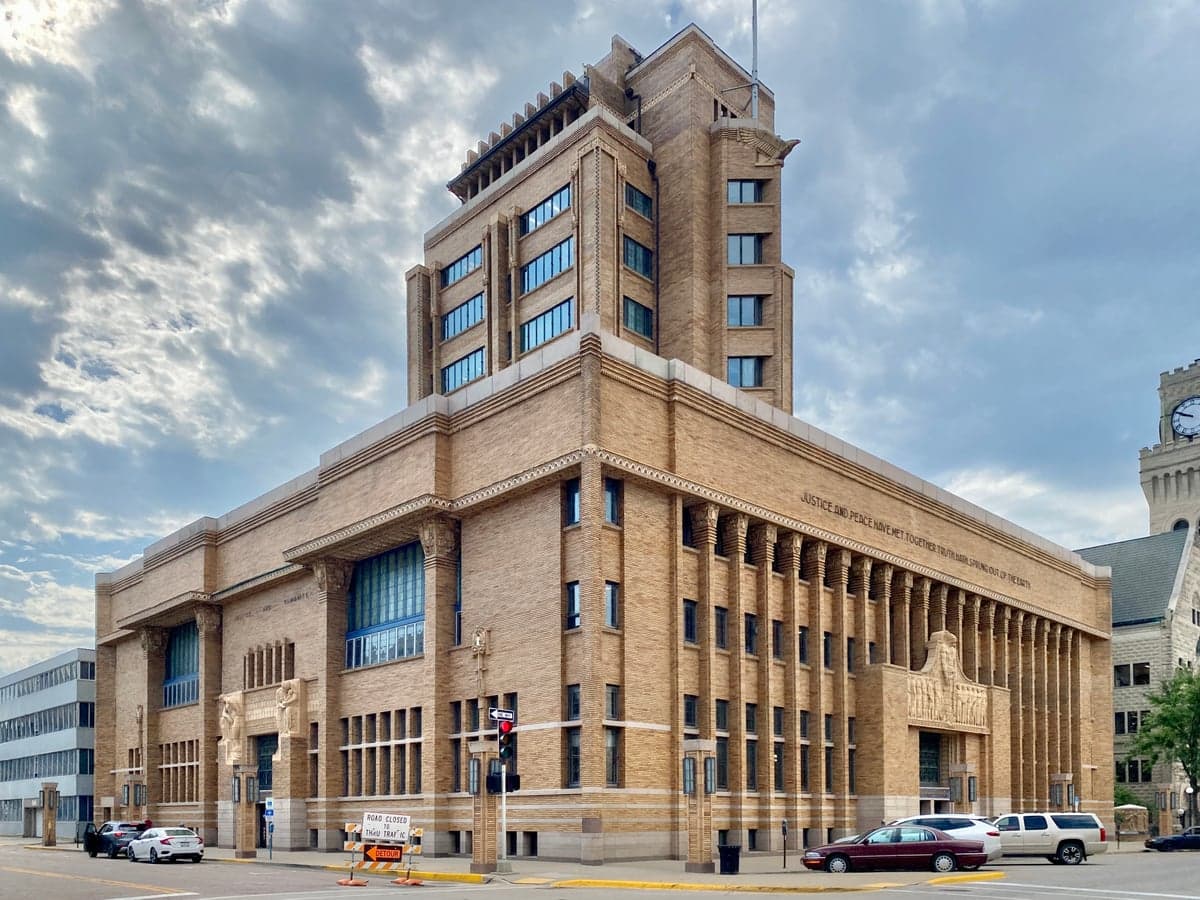

Photo: Wikipedia
Quality of Life in Sioux City, IA
Above-average quality of iife. The area offers a reasonable cost of living, decent mobility, and a mix of neighborhood amenities.
What does Quality of Life tell us?
Quality of Life blends cost of living, nearby amenities, socioeconomic signals, and neighborhood character. City-level scores represent the whole municipality; individual neighborhoods can differ.
What does this tell us?
Quality of Life blends cost of living, nearby amenities, socioeconomic signals, and neighborhood character. City-level scores represent the whole municipality; individual neighborhoods can differ.
Cost of Living
29% below national average
The Real Cost of Living in Sioux City, IA for 2026
| Tier | Individual | Family (4) |
|---|---|---|
| Survival | $15k | $28k |
| Comfortable | $32k | $46k |
| Luxury | $108k+ | $167k+ |
| Elite (Top 5%) | $127k+ | $197k+ |
141%
The Area Signal
A metric tracking the socioeconomic signals of the area.
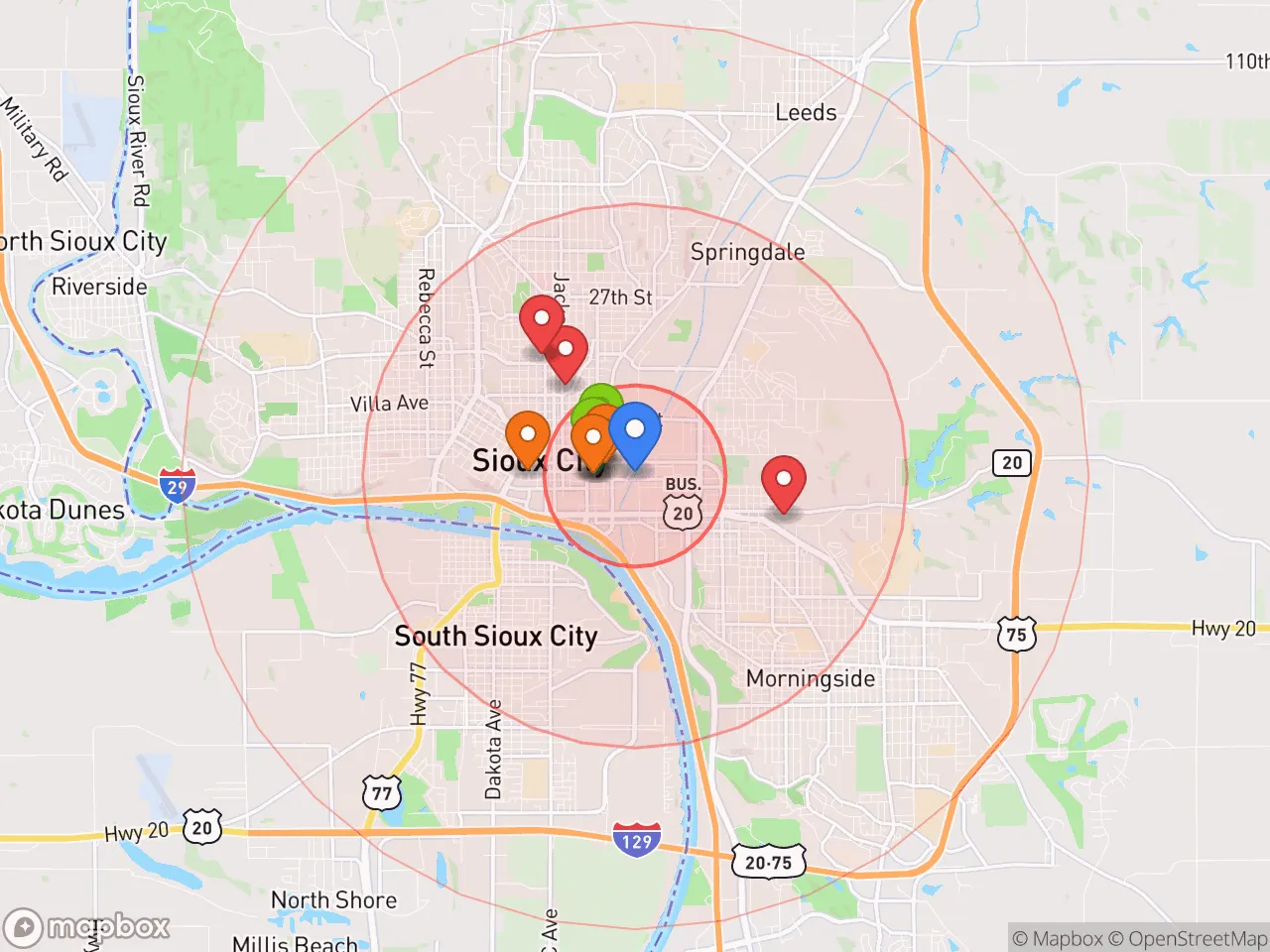
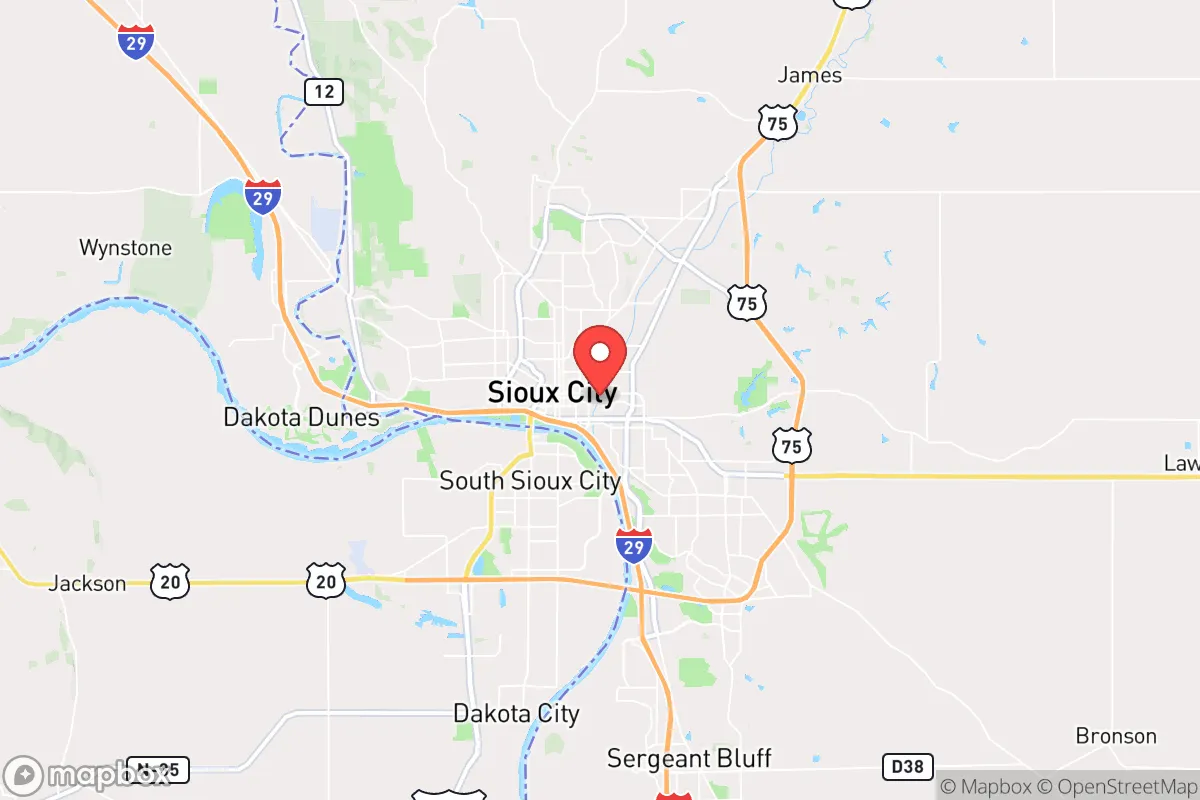
Hobbies
Explore the areaGroceries
4 within 10 miles
Gas
20 within 10 miles
Hospital
4 within 20 miles
Airport
MCI — Kansas City International
Post Office
USPS — Sioux City, IA
Critical Amenities
Quality-of-Life Analysis
Sioux City, Iowa, offers a distinctly affordable quality of life that attracts families, first-time homebuyers, and workers seeking a lower cost of living without sacrificing access to essential amenities. With a cost-of-living index of 71—29 percent below the national average—the city provides a financial cushion that allows residents to stretch their incomes further than in many other Midwestern metros. The population skews toward middle-income earners, with a notable presence of manufacturing and healthcare workers, as well as retirees drawn by the area’s manageable pace and low housing costs.
How housing costs and affordability compare to nearby cities
Sioux City’s housing market is one of its strongest draws. The median home value sits at $162,600, roughly half the national median, while the median rent is $936 per month—well below the U.S. average of around $1,200. These figures make homeownership attainable for households earning the local median income, which hovers near $55,000. Compared to nearby Sioux Falls, South Dakota, where the median home value exceeds $300,000, Sioux City offers a significant affordability advantage. Renters also benefit: a two-bedroom apartment in Sioux City typically costs $200–$300 less per month than in Sioux Falls or Omaha. The average commute of just under 17 minutes further reduces transportation costs, as most residents can reach work, schools, or shopping within a short drive. Property taxes in Woodbury County are moderate, averaging about 1.5 percent of assessed value, which keeps monthly housing expenses predictable.
What daily life is like for families: schools, parks, and local amenities
Daily life in Sioux City centers on a mix of outdoor recreation, community events, and accessible services. The city operates over 40 parks, including the 200-acre Bacon Creek Park and the riverfront Chris Larsen Park along the Missouri River, which hosts concerts and farmers markets. The Sioux City Community School District serves roughly 14,000 students across 20 schools, with North High School and East High School offering Advanced Placement and career-technical programs. For higher education, Western Iowa Tech Community College and Morningside University provide local options for degree and certificate programs. The city’s amenities include the Sioux City Art Center, the Lewis and Clark Interpretive Center, and the Tyson Events Center, which draws concerts and minor-league hockey. Grocery stores, healthcare facilities (including MercyOne and UnityPoint Health), and retail corridors along Hamilton Boulevard and Singing Hills Boulevard keep errands convenient. The pace of life is slower than in larger metros, with most residents reporting a strong sense of community and lower stress levels.
Sioux City is best suited for those who prioritize financial stability and a relaxed, family-oriented environment over urban nightlife or high-end cultural offerings. First-time homebuyers, young families, and workers in manufacturing, logistics, or healthcare will find the housing market and commute times especially favorable. Retirees on fixed incomes also benefit from the low cost of living and access to medical services. However, those seeking a vibrant downtown scene or a wide range of high-end dining and entertainment may find Sioux City limited. For the right resident—someone who values affordability, short commutes, and a tight-knit community—Sioux City delivers a solid, sustainable quality of life.

Crime in Sioux City, IA
Crime rates similar to the national median for U.S. locations.
Violent CrimeViolent Crime Analysis
Property CrimeProperty Crime Analysis
Crime Analysis
Sioux City, Iowa, presents a crime profile that demands careful consideration from potential residents. With a violent crime rate of 492.4 incidents per 100,000 residents and a property crime rate of 2,812.1 per 100,000, the city's overall safety picture is significantly worse than both state and national averages. These figures place Sioux City in a higher-risk category for a community of its size, a reality shaped in part by the broader criminal justice environment in Woodbury County.
Crime in context
To understand Sioux City's safety landscape, it is essential to compare its rates against benchmarks. The national violent crime rate in 2024 was approximately 380 per 100,000, while Iowa's statewide rate was roughly 280 per 100,000. Sioux City's violent crime rate of 492.4 per 100,000 is nearly 30% higher than the national average and more than 75% higher than the Iowa average. Property crime tells a similar story: the national rate sits around 1,950 per 100,000, and Iowa's is about 1,700 per 100,000. Sioux City's property crime rate of 2,812.1 per 100,000 is roughly 44% above the national figure and 65% above the state figure. These disparities are not random; they correlate with the progressive judicial philosophies prevalent in many urban and metro-area jurisdictions. In Woodbury County, a liberal approach to prosecution and sentencing—prioritizing offender rehabilitation over public protection—has been linked to higher recidivism and a greater number of repeat offenders on the streets, directly undermining community safety.
What residents experience
For those living in Sioux City, the elevated crime rates translate into tangible daily concerns. Violent offenses, including aggravated assault, robbery, and homicide, occur with a frequency that makes personal vigilance a necessity, particularly after dark and in certain commercial corridors. Property crimes such as burglary, larceny-theft, and motor vehicle theft are even more pervasive, affecting neighborhoods across the city. Residents commonly report stolen packages, vehicle break-ins, and vandalism. The progressive policies of local judges and district attorneys, who often favor diversion programs and reduced sentences, mean that many offenders cycle quickly back into the community. This creates a sense of impunity among criminals and a feeling of frustration among law-abiding citizens, who see the justice system prioritizing the rights of offenders over the safety of victims and the public.
Neighborhood-level variation does exist within Sioux City. Areas like the historic North Side and parts of the downtown core tend to experience higher concentrations of both violent and property crime, while more affluent neighborhoods on the city's west and south sides generally report lower incident rates. However, the city's overall high baseline means that no area is entirely insulated from property crime. Prospective residents should research specific block-level data and consider that the city's progressive judicial environment creates a systemic risk that transcends neighborhood boundaries. For those prioritizing safety, the combination of elevated crime rates and a lenient justice system makes Sioux City a location that warrants caution.
* Values derived from national, state, county, city and local statistics and may differ in a specific area. Last updated: 2026-04-29T21:49:40.000Z
Narrative content on this page is AI-generated and may contain mistakes. Verify any details that matter before acting on them.
ReloMaps may earn a commission from affiliate links at no extra cost to you.

