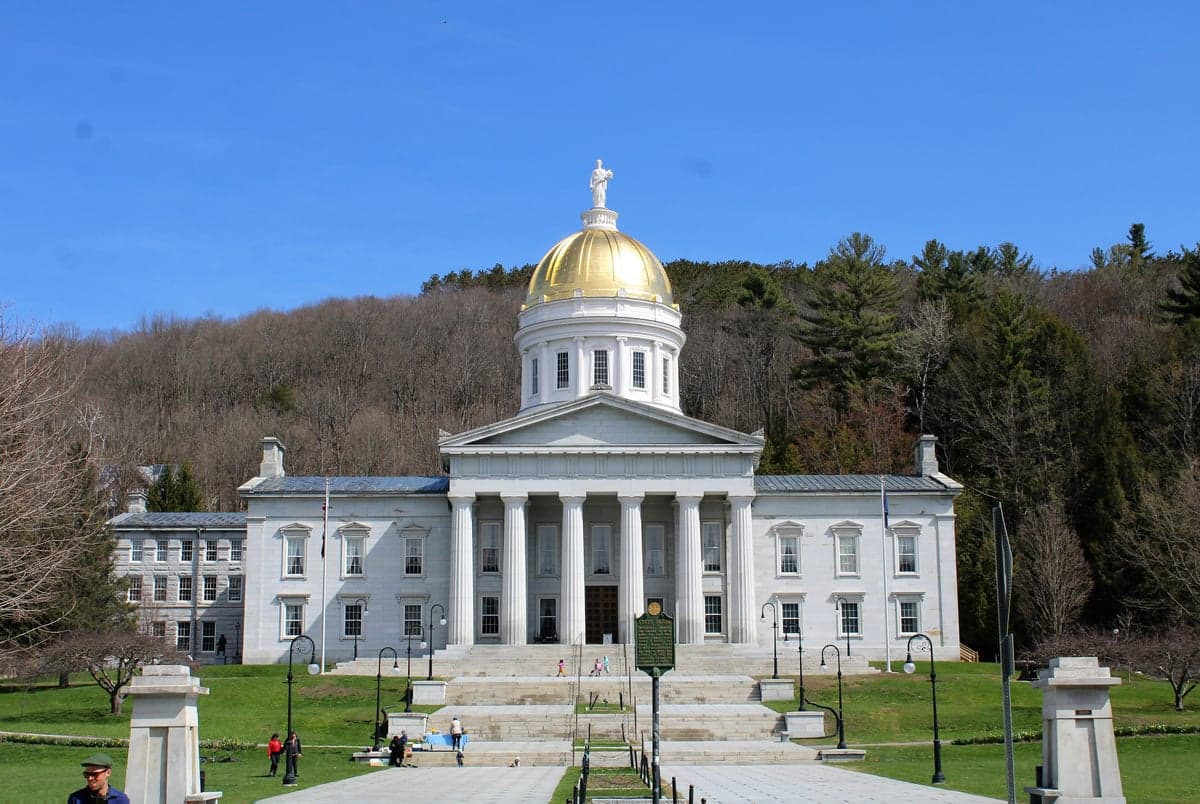
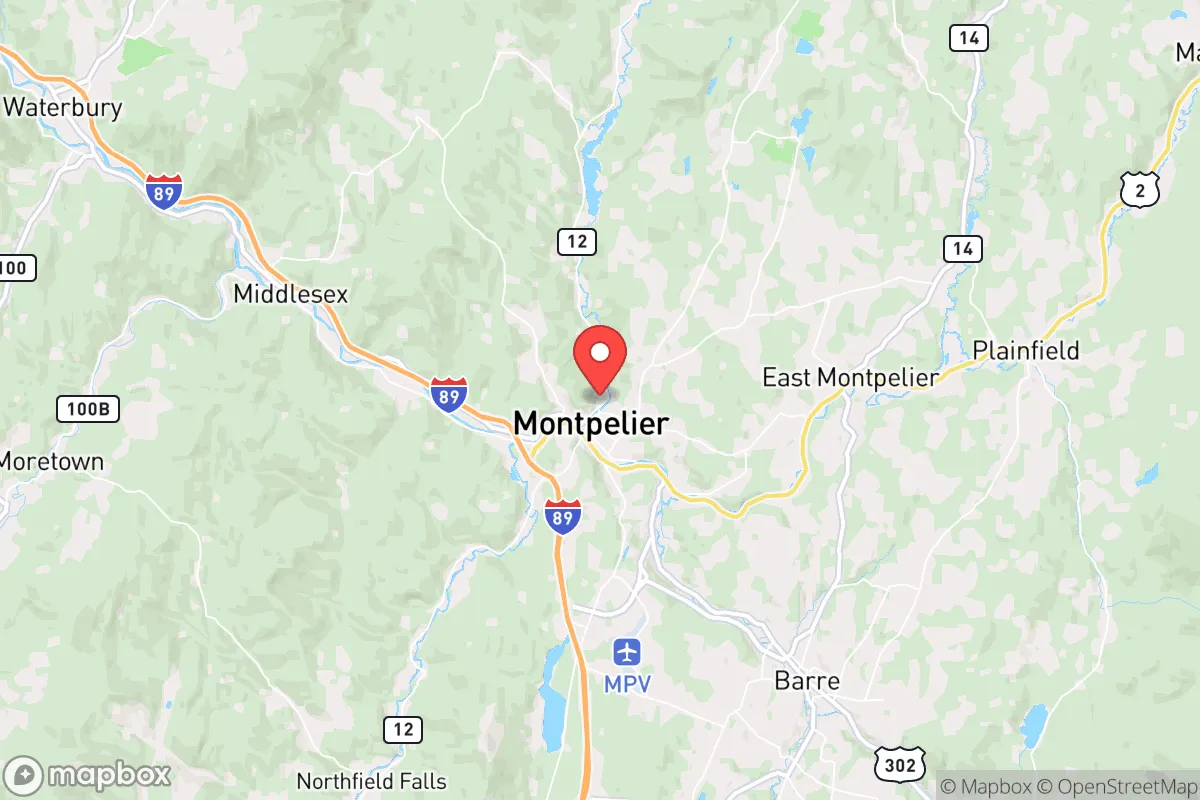
Photo: Wikipedia
Find The Best Places To Live
in Montpelier
PRO TIP! You can paste a Zillow or Redfin link to get info on that property.
What It's Like Living in Montpelier, VT
Montpelier is the kind of place where you’ll see the governor buying groceries at Hunger Mountain Co-op and your neighbor might be a state senator or a potter. With just over 8,000 residents, it’s the smallest state capital in the country, and it wears that title with a mix of quiet pride and stubborn independence. The vibe is less “political power center” and more “college town without the college”—intellectual, outdoorsy, and deeply rooted in localism, but also expensive and a bit insular for newcomers.
Daily Rhythm: What People Actually Do
Most days in Montpelier revolve around a few key anchors: work at the statehouse, a local nonprofit, or one of the handful of tech startups; errands at the co-op or Shaw’s; and then something outside. The average commute is just 19 minutes, which means people actually have time for a real lunch break or a quick hike after work. On weekends, you’ll find folks at the Montpelier Farmers Market (May through October), biking or walking the Cross Vermont Trail, or grabbing a beer at Three Penny Taproom on Main Street. The median age is 43.4, so this isn’t a party town—it’s a place for people who value quiet evenings, good food, and knowing their neighbors.
Dining out is a treat, not a routine. Local staples include Kismet for Mediterranean, Pho Capital for Vietnamese, and The Skinny Pancake for crepes and live music. For a night out, Charlie O’s is the dive bar where you can still smoke inside (yes, really), and Positive Pie serves pizza and craft beer in a converted church. The social scene is low-key—book readings at Bear Pond Books, trivia at the Bent Nail, or a show at the Savoy Theater, a two-screen indie cinema that’s been running since the 1970s.
Sports, Schools, and Community Ties
Sports are not a big deal here in the way they are in suburban Texas or Ohio. There are no pro teams, and the University of Vermont’s Catamounts (hockey and basketball) are a 45-minute drive away in Burlington. What matters more is high school sports—Montpelier High School’s teams, especially soccer and cross-country, draw solid crowds of parents and alumni. The school itself is a community hub; with only about 400 students, it’s the kind of place where teachers know every kid by name. The high school’s role is less about athletics and more about civic identity—the annual Montpelier High School musical is a bigger deal than any football game.
For families, the schools are a major draw. The district is small, well-funded, and progressive, with a strong emphasis on outdoor education and the arts. But the trade-off is that housing is tight. The median home value is $349,200, and with a cost of living index of 110 (10% above the national average), many families rent or live in nearby Barre or Berlin. The median household income of $79,175 goes further here than in Boston, but not by much—especially with property taxes that are among the highest in the U.S.
What’s There to Do (and What’s Missing)
Outdoor recreation is the main event. The Winooski River runs through town, and you can kayak, fish, or just walk the riverfront path. In winter, Morse Farm Maple Sugarworks is a 10-minute drive for maple creemees and snowshoeing, and Stowe Mountain Resort is 30 minutes north for serious skiing. Summer brings the Vermont History Expo and the Montpelier Art Walk, plus the Kickstand Comedy Festival in September. The biggest annual event is Independence Day, which features a parade, a street fair, and fireworks—the whole town turns out.
What frustrates longtime residents? The lack of late-night options (everything closes by 9 p.m.), the limited shopping (no mall, no Target), and the weather. Winters are long, gray, and snowy—expect snow on the ground from December through March, with temps often below freezing. The flip side is that summers are glorious: mild, green, and full of festivals. The other frustration is the violent crime rate of 342.8 per 100,000, which is higher than the national average. Most of it is domestic or drug-related, and property crime is the bigger nuisance (bike theft, car break-ins), but it’s worth knowing that Montpelier isn’t the idyllic safe haven some imagine.
Pros and Cons of Living Here
- Pro: Genuine community feel. You’ll run into people you know at the post office, the co-op, and the farmers market. It’s easy to get involved in local politics or volunteer work.
- Pro: Access to nature. You can hike Hubbard Park (right in town), ski at Stowe, or paddle the Winooski without ever sitting in traffic.
- Pro: Strong local economy. The state government, National Life Group, and Vermont College of Fine Arts are stable employers, and the downtown is walkable and vibrant.
- Con: High cost of living. Rents are steep, and buying a home is tough for anyone making less than $80,000. Property taxes are punishing.
- Con: Limited diversity. Montpelier is 94% white, and while it’s politically progressive, it can feel insular to people of color or those from more diverse areas.
- Con: Seasonal affective disorder is real. The short, dark days from November to February wear on even the most dedicated outdoorsy types.
The kind of person who fits here is someone who values community over convenience, who doesn’t mind driving 30 minutes for a big-box store, and who sees winter as a season to embrace, not endure. It’s a place for writers, state workers, organic farmers, and remote tech workers—people who are comfortable with a slower pace and a smaller social circle. If you’re looking for nightlife, career ladder-climbing, or cultural diversity, Burlington or Portland might suit you better. But if you want a town where your vote actually matters, your kids can bike to school, and you can walk to work, Montpelier delivers—with all the quirks and costs that come with it.

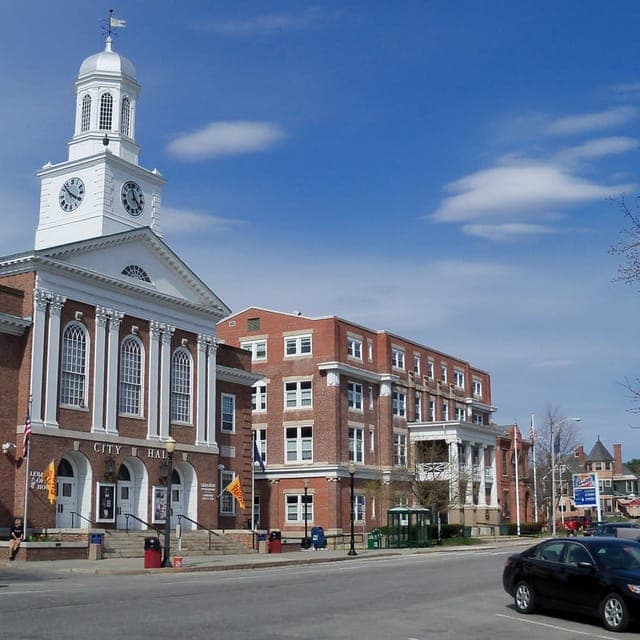
Similar small towns to Montpelier
* Values derived from national, state, county, city and local statistics and may differ in a specific area. Last updated: 2026-05-02T00:47:26.000Z
Narrative content on this page is AI-generated and may contain mistakes. Verify any details that matter before acting on them.
ReloMaps may earn a commission from affiliate links at no extra cost to you.

