 Popular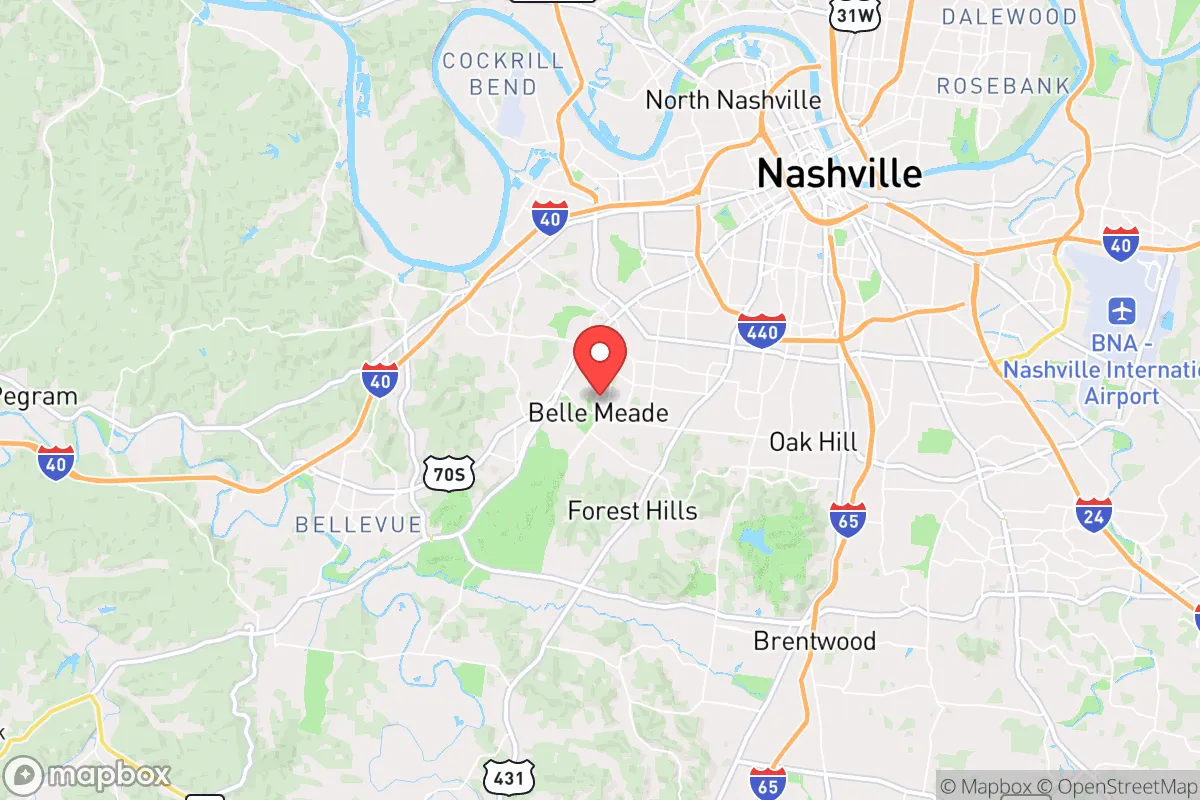
Photo: Wikipedia
Demographics of Belle Meade, TN
Affluence Level in Belle Meade, TN
An elite concentration of wealth — high incomes, strong home values, advanced degrees, and minimal poverty signal a top-tier socioeconomic profile.
Census doesn't track above $250K
People of Belle Meade, TN
Belle Meade, Tennessee, is a small, affluent enclave of 2,824 residents that stands as one of the most demographically homogeneous and highly educated communities in the Nashville metropolitan area. With a population that is 93.9% White, a foreign-born share of just 0.4%, and a staggering 89.0% of adults holding a college degree, the city’s character is defined by deep-rooted wealth, generational continuity, and deliberate exclusivity. It is not a place of rapid demographic churn but rather a stable, low-density residential haven for Nashville’s professional and business elite, where property values and social networks reinforce a consistent identity.
How the city was settled and grew
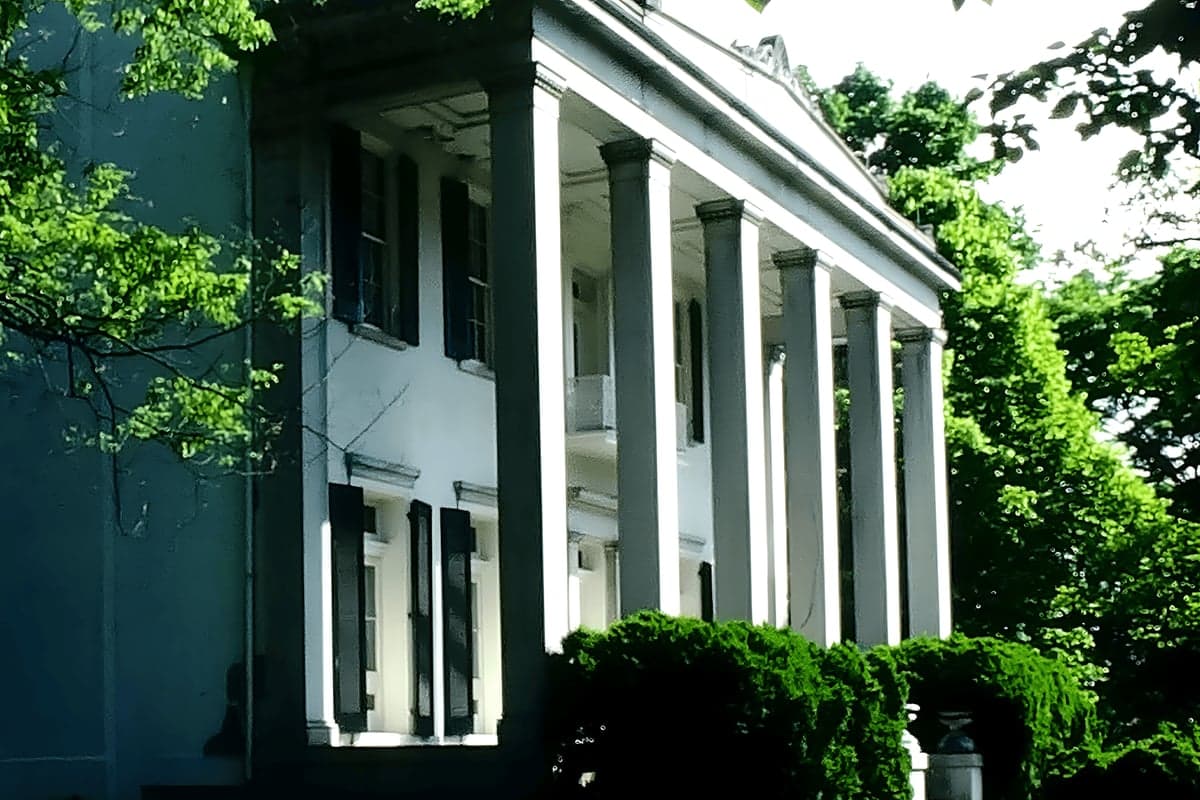
Belle Meade’s population history begins not with a town but with a plantation. The area was originally part of a 5,300-acre land grant awarded to John Harding in 1807, who established the Belle Meade Plantation, which became world-famous for thoroughbred horse breeding. The original population was a small, wealthy planter class supported by an enslaved Black labor force. After the Civil War, the Harding family sold off parcels, and by the early 20th century, the land transitioned from agriculture to elite suburban development. The city was formally incorporated in 1938 specifically to control zoning and maintain low-density, high-value residential character. The first wave of residents were Nashville’s old-money families—bankers, lawyers, and business owners—who built large estates in what is now the Belle Meade Estates neighborhood, centered around Belle Meade Boulevard. These families established the city’s DNA: insular, wealthy, and politically conservative. No significant immigrant or working-class enclaves ever formed within city limits; the original workforce lived outside, in areas like the nearby Edgehill neighborhood (now part of Nashville proper).
Modern era (post-1965)
After the 1965 Hart-Cellar Act, which reshaped U.S. immigration patterns, Belle Meade experienced virtually no change. The city’s foreign-born population remains at 0.4%, and its White share has stayed above 90% for decades. The post-1965 domestic migration that reshaped other Nashville suburbs—such as the influx of corporate transplants to Brentwood or Franklin—largely bypassed Belle Meade. Instead, the city absorbed a steady stream of Nashville’s top-tier professionals: CEOs, surgeons, and university administrators. The Belle Meade Highlands neighborhood, developed in the 1970s and 1980s, attracted a slightly younger cohort of executives who wanted the Belle Meade address but with newer, though still large, homes. The West Meade area, technically within Nashville but adjacent to Belle Meade, absorbed some overflow from families who could not afford Belle Meade’s lot sizes but wanted proximity. The city’s Black population, which was never large after the post-Reconstruction era, fell to 0.7% by 2020, reflecting both the absence of affordable housing and the lack of any significant civil-rights-era integration push within the city’s boundaries. Hispanic (1.3%) and East/Southeast Asian (0.5%) populations remain negligible, concentrated almost entirely in service-worker households living in the few rental properties along Harding Pike, near the Belle Meade Shopping Center.
The future
Belle Meade’s population trajectory points toward continued homogeneity, not diversification. The city has no land available for new development, and its zoning laws effectively prohibit multi-family housing, meaning the population is capped near its current 2,824. The median age has crept upward as younger families are priced out by $2 million+ home prices. The small Hispanic and East/Southeast Asian populations are likely to plateau, as they are tied to domestic-service and landscaping jobs that do not generate enough income to buy into the city. The Indian-subcontinent population is 0.0% and is unlikely to grow, as Belle Meade lacks the professional-class Indian enclaves seen in suburbs like Brentwood. The most notable future shift may be generational: as older residents pass away, their heirs—often educated and affluent but more geographically mobile—may sell to out-of-state corporate transferees, slowly diluting the old-family network. However, the city’s demographic profile will remain overwhelmingly White, college-educated, and conservative-leaning for the foreseeable future.
For a potential resident, Belle Meade offers a stable, predictable, and exclusive community where demographic change is measured in decades, not years. It is ideal for those seeking a low-tax, low-crime, high-privacy environment with top-tier public schools (though most children attend private institutions like Montgomery Bell Academy or Harpeth Hall). The trade-off is a lack of diversity, limited rental options, and a social fabric that can feel insular to newcomers. This is not a place of demographic transformation; it is a place of preservation.

* Values derived from national, state, county, city and local statistics and may differ in a specific area. Last updated: 2026-04-27T14:19:43.000Z
Narrative content on this page is AI-generated and may contain mistakes. Verify any details that matter before acting on them.
ReloMaps may earn a commission from affiliate links at no extra cost to you.

