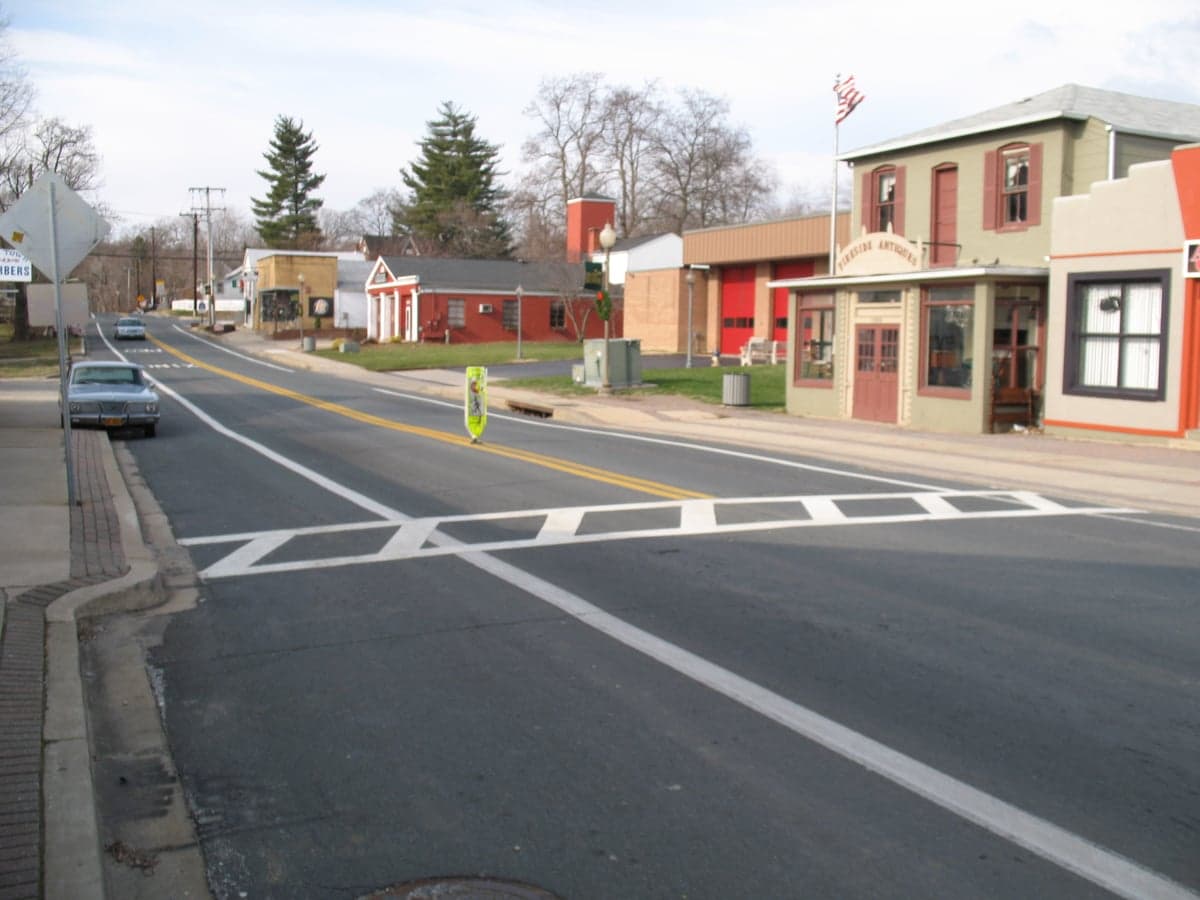
Photo: Wikipedia
Political ClimatePolitical Climate in Bowie, MD
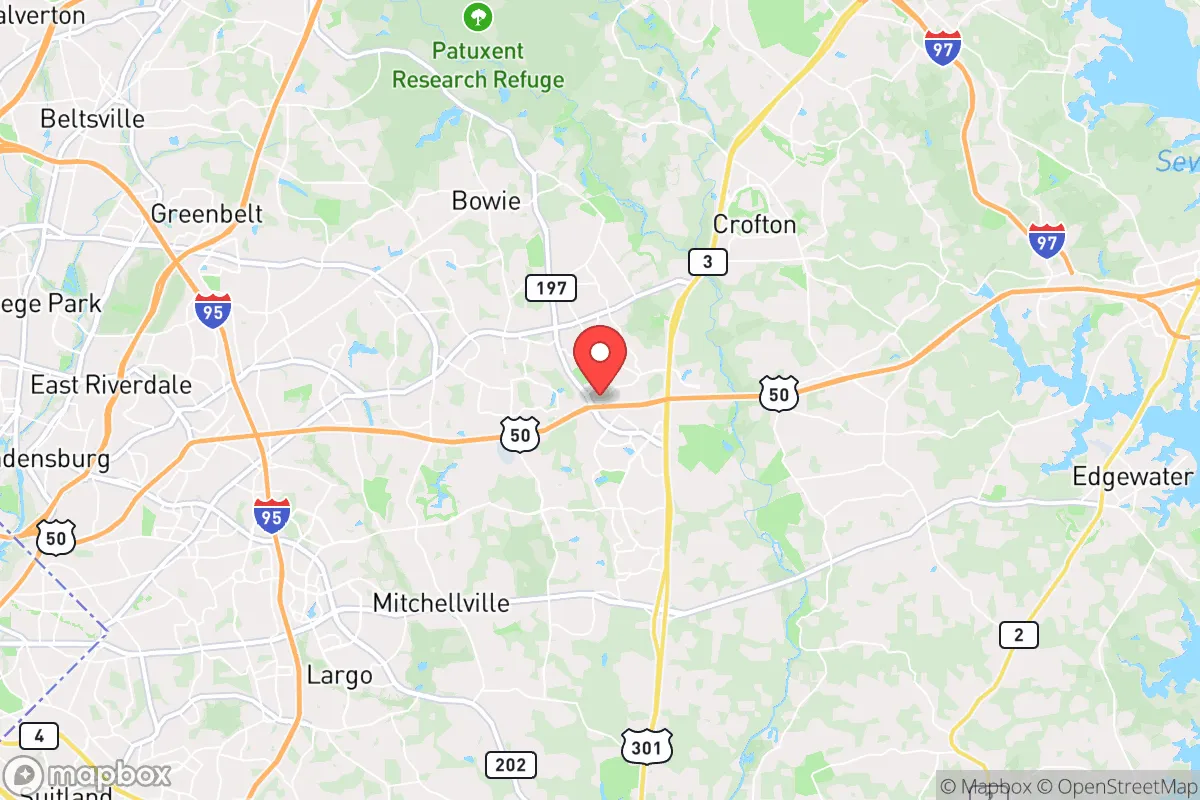
District shown is the primary district for this city’s centroid. Cities may span multiple districts.
Local Political AnalysisPolitical Analysis of Bowie, MD
Bowie, Maryland, leans heavily Democratic, with a Cook PVI of D+17, meaning it votes about 17 points more Democratic than the national average. This wasn't always the case—back in the 80s and 90s, this was a solidly moderate, family-focused community where folks voted for the person, not the party. Over the last decade, though, the shift has been dramatic. You see it in local elections, school board races, and even in how neighbors talk at the grocery store. The area has moved from a "live and let live" mindset to one where progressive policies are the default, and that's a real change from the Bowie I grew up in.
How it compares
Drive 15 minutes west to Crofton or south to Upper Marlboro, and you'll find a more mixed political picture—still blue, but with a stronger conservative undercurrent. In Bowie, the D+17 rating isn't just a number; it means local officials rarely face serious opposition from the right. Compare that to Annapolis, just 20 minutes east, which is even more progressive, or to places like Davidsonville and Edgewater, where you'll see more Trump signs and a stronger pushback against state mandates. Bowie has become a kind of progressive bubble within Prince George's County, which itself is one of the most reliably Democratic counties in the state. The contrast is stark when you talk to friends in those neighboring towns—they're worried about the same things we are, but they feel like their voices actually get heard.
What this means for residents
For a long-time resident, the biggest concern is how this one-party dominance affects daily life. There's a real sense that government overreach has crept in—whether it's zoning rules that make it harder to run a small business from your home, or school policies that seem to prioritize ideology over academics. The local council and school board are almost entirely Democratic, so there's little debate on things like tax increases or new regulations. You feel it in your wallet, too: property taxes have climbed steadily, and there's a feeling that the money isn't always spent wisely. The push for more density and transit-oriented development is another red flag—it changes the character of the community, and not always for the better. If you value personal freedoms and a government that stays out of your way, Bowie's trajectory is concerning.
Culturally, Bowie has always prided itself on being a diverse, family-oriented suburb. But the policy distinctions are becoming more pronounced. The county has embraced progressive stances on everything from police funding to land use, and there's less room for moderate voices. In the near term, I see this continuing—the political machine is strong, and there's little appetite for change. Long term, if the trend toward higher taxes and more regulation keeps up, you might see more families heading to places like Anne Arundel County or even down to Charles County, where the political climate is still more balanced. For now, Bowie is a comfortable place to live if you're on board with the program, but if you're not, it can feel like you're shouting into the wind.

State Political ClimatePolitical Climate in Maryland
State Political AnalysisPolitical Environment in the State
Maryland has long been a deep blue state, but its political reality is far more complex than a simple partisan label suggests. The state’s overall lean is solidly Democratic — Joe Biden won it by over 33 points in 2020 — but that number masks a stark internal divide: the heavily populated, progressive Baltimore-Washington corridor dominates statewide elections, while the rest of the state, particularly the Eastern Shore and Western Maryland, votes reliably Republican. Over the last 10-20 years, the state has drifted further left on cultural and economic issues, driven by in-migration from D.C. suburbs and a powerful state legislature that has steadily expanded government’s role in daily life. For a conservative considering relocation, understanding this split is essential — because where you land in Maryland can feel like a completely different country.
Urban vs. rural divide
The political map of Maryland is a textbook case of the urban-rural chasm. The entire state’s Democratic majority is generated by just two jurisdictions: Montgomery County (suburban D.C.) and Prince George’s County (also D.C.-adjacent), which together cast roughly a third of all votes. Baltimore City and its inner suburbs — like Towson and Columbia — add another massive blue bloc. Meanwhile, the rest of the state votes overwhelmingly red. Garrett County in the far west, Carroll County north of Baltimore, and the entire Eastern Shore — including Easton and Salisbury — are reliably conservative. Frederick County, once a Republican stronghold, has been trending purple as D.C. commuters push north, but it still elects a mix of Republicans and moderate Democrats. The divide is so sharp that a drive from Bethesda to Cumberland feels like crossing a political border — and in many ways, it is.
Policy environment
Maryland’s policy environment is a case study in progressive governance. The state has a graduated income tax with a top rate of 5.75%, plus a local “piggyback” tax that can push combined rates over 9% in high-tax counties like Montgomery and Prince George’s. Property taxes are also high, especially in the D.C. suburbs. The regulatory posture is aggressive: Maryland has some of the strictest environmental regulations in the country, a statewide plastic bag ban, and a gas tax that is indexed to inflation. On education, the state spends heavily — over $16,000 per pupil — but results are uneven, with wealthy suburban districts outperforming Baltimore City’s struggling schools. Healthcare is dominated by the state’s own exchange and Medicaid expansion, and the legislature recently passed a law requiring private insurers to cover abortion without cost-sharing. Election laws are among the most permissive in the nation: no-excuse mail-in voting, same-day registration, and automatic voter registration are all in place. For a conservative, the policy environment feels like a one-way ratchet toward bigger government and higher costs.
Trajectory & freedom
Maryland is moving in a direction that should concern anyone who values personal liberty. The state has been a leader in restricting gun rights: in 2023, it passed a law banning the carry of firearms in a long list of “sensitive places” — including hospitals, parks, and any establishment that serves alcohol — effectively gutting the spirit of the Bruen decision. The legislature also passed a “Red Flag” law that allows police to seize firearms based on a complaint, with no criminal charge required. On parental rights, the state has moved to centralize control: in 2024, the legislature overrode a veto to pass a law that limits local school boards’ ability to opt out of state-mandated curriculum, including controversial sex education materials. Medical freedom took a hit with the state’s strict vaccine mandates for schoolchildren, which were expanded during COVID and never rolled back. Property rights are under pressure from the state’s aggressive zoning reforms — the 2020 “Transit-Oriented Development” law allows the state to override local zoning near transit stations, a move that has sparked backlash in communities like Ellicott City and Annapolis. The trajectory is clear: more state control, less local autonomy, and a shrinking sphere of personal choice.
Civil unrest & political movements
Maryland has seen its share of political flashpoints. The 2015 Baltimore riots following the death of Freddie Gray were a national story, and the city still struggles with a legacy of mistrust between police and residents. More recently, the state has been a battleground over immigration: Maryland is a “sanctuary state” by executive order, meaning state resources are not used to enforce federal immigration laws. This has created tension in counties like Harford and Carroll, where local sheriffs have publicly resisted. On the right, the “We the People” movement and local Republican clubs have been active in pushing back against COVID mandates and school curriculum changes, particularly in Hagerstown and the Eastern Shore. Election integrity has been a recurring issue: the 2020 election saw widespread use of mail-in ballots without a verified signature match, and the state’s automatic voter registration system has been criticized for registering non-citizens in error. A new resident will notice that political activism is highly localized — you’ll see far more “Don’t Tread on Me” flags in Westminster than in Silver Spring.
Projection
Over the next 5-10 years, Maryland is likely to become even more progressive, driven by demographic shifts. The D.C. suburbs are growing faster than the rest of the state, and the influx of federal employees and contractors tends to vote blue. The Eastern Shore and Western Maryland are losing population, which will reduce their political influence. The state legislature is unlikely to flip — gerrymandering has locked in Democratic supermajorities in both chambers. Expect more gun control, higher taxes, and further erosion of local control. The one wild card is the cost of living: if high taxes and housing prices drive out middle-class families, the state could see a political realignment, but that’s a long shot. For a conservative moving in now, the realistic expectation is that the state will continue to feel like a blue island in a purple region, with pockets of red that offer a more traditional way of life — but those pockets will be fighting an uphill battle.
Bottom line for a new resident: If you’re a conservative, Maryland is not a state where you’ll feel politically at home at the state level. But if you choose your county wisely — think Carroll, Harford, or Garrett — you can find a community that shares your values, with good schools and low crime. Just be prepared to pay high taxes and watch the state legislature pass laws you disagree with. It’s a trade-off: proximity to D.C. and the Chesapeake Bay for a political climate that will often feel adversarial. Know what you’re signing up for.
* Values derived from national, state, county, city and local statistics and may differ in a specific area. Last updated: 2026-04-22T01:19:44.000Z
Narrative content on this page is AI-generated and may contain mistakes. Verify any details that matter before acting on them.
ReloMaps may earn a commission from affiliate links at no extra cost to you.

