
Photo: Wikipedia
Find The Best Places To Live in Montgomery County
PRO TIP! You can paste a Zillow or Redfin link to get info on that property.
Best Places to Live in Montgomery County
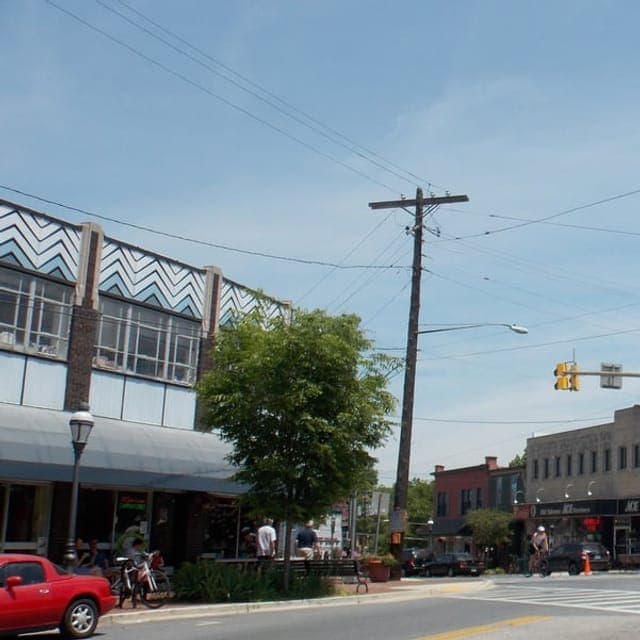
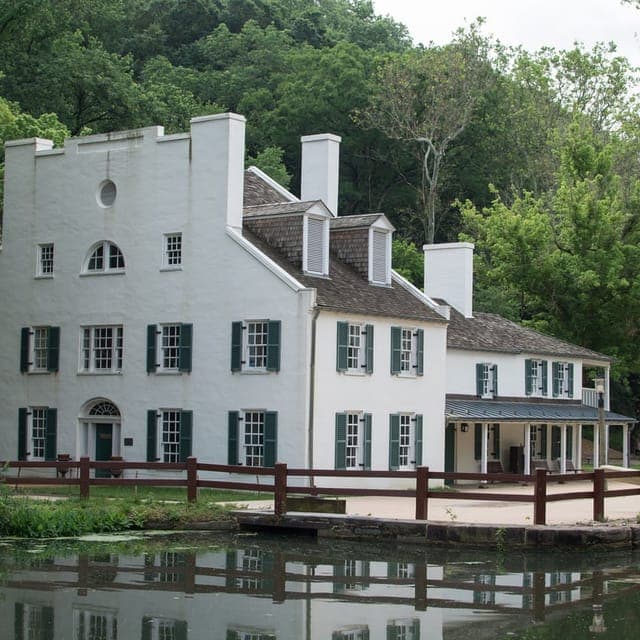
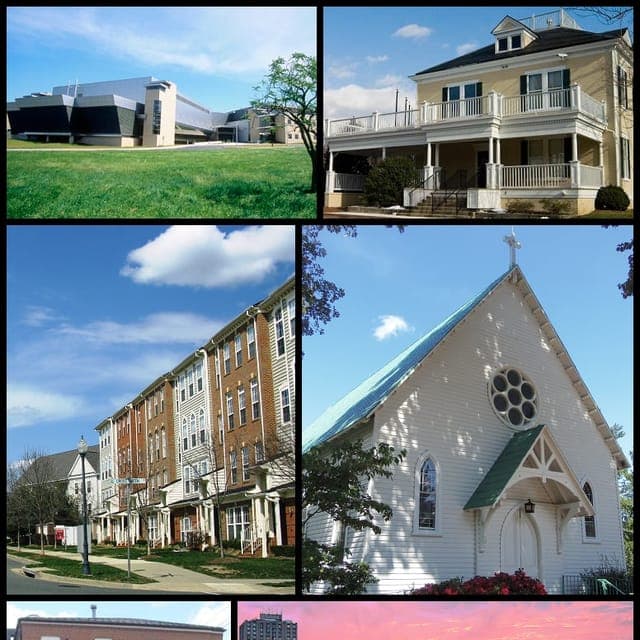
Cities & Towns in Montgomery County
Cities in Montgomery County
What It's Like Living in Montgomery County, MD
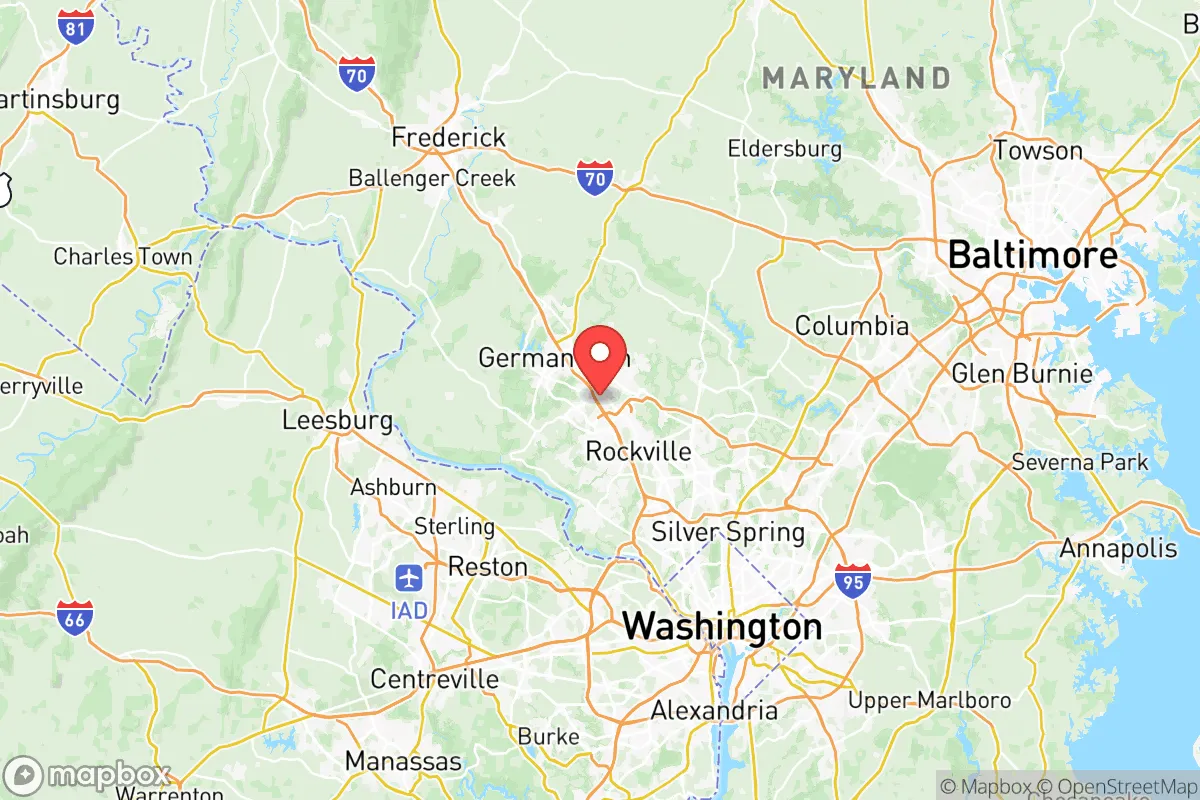
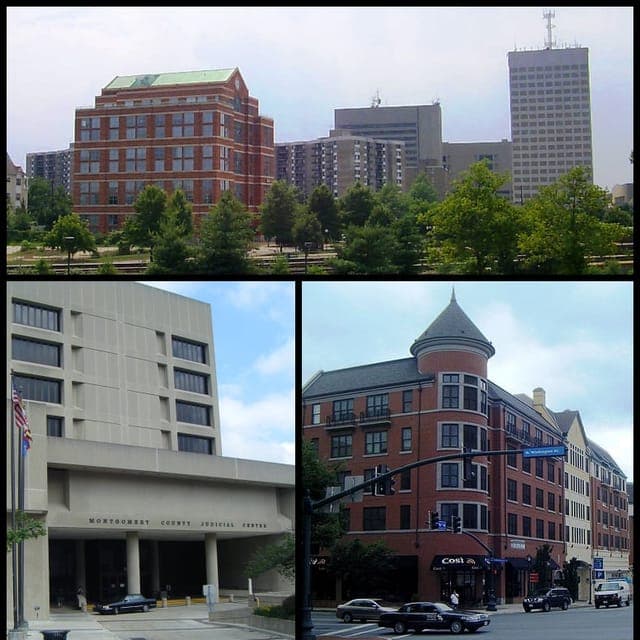
Living in Montgomery County, Maryland, feels a bit like being in a well-funded, hyper-educated small country that happens to sit just northwest of Washington, D.C. It’s a place where the median household income tops $128,000, over 60% of adults hold a college degree, and the cost of living index sits at 192—meaning you pay a premium for the schools, the parks, and the proximity to power. But the county isn’t one uniform blob: you’ve got the urban energy of Silver Spring, the historic brick sidewalks of Rockville, the leafy affluence of Bethesda, and the surprisingly rural horse farms of Poolesville and Barnesville. The kind of person who fits here is usually career-driven, values education above almost everything else, and is willing to trade square footage for a shorter train ride to a federal job or a top-tier biotech firm.
The Daily Rhythm: Commutes, Schools, and Weekend Errands
For most people, the week is defined by the commute. The average trip to work is about 32 minutes, but that number hides a lot of variation. Someone living in Germantown might spend 45 minutes driving to a job in Rockville, while a Bethesda resident can be on a Red Line Metro train and in downtown D.C. in under 30 minutes. Traffic on the Beltway (I-495) and I-270 is a genuine frustration—longtime residents will tell you that “the 270 parking lot” is not a joke. Schools are the other big anchor. Montgomery County Public Schools are a major reason families move here, and the quality is high, but the competition is real. Parents in places like Potomac and North Bethesda treat school rankings and extracurriculars with the intensity of a college admissions process. Weekends often mean hitting a farmers market—the one in Bethesda or the massive one in Olney—or heading to a local park. The county has over 400 parks, including the massive 1,000-acre Rock Creek Regional Park, where you can hike, bike, or just escape the suburban sprawl for a few hours.
Sports, Entertainment, and Where People Actually Hang Out
Sports here are a layered thing. There’s no major pro team actually inside the county, but the Washington Commanders play just over the line in Landover, and the Washington Nationals and D.C. United are a short Metro ride away. High school sports are a much bigger deal than you might expect—football games at Quince Orchard High School or basketball at Walter Johnson draw real crowds, and the county’s lacrosse programs are nationally recognized. For entertainment, you’ve got the Strathmore Music Center in North Bethesda, which pulls in touring Broadway shows and classical concerts, and the Fillmore in Silver Spring for smaller rock and indie acts. Restaurants are a strong point: Bethesda’s Woodmont Triangle has dozens of good options, from Thai to Ethiopian, and Rockville’s “Rockville Pike” corridor is a strip-mall paradise of Korean BBQ, ramen shops, and dim sum. A quirky local tradition is the Montgomery County Agricultural Fair in Gaithersburg every August—it’s a genuine county fair with livestock, midway rides, and fried Oreos, and it feels a world away from the D.C. policy world.
Pros and Cons of Living Here
Let’s be honest about the upsides and downsides. On the plus side, the public schools are excellent, the job market is strong (especially in biotech, federal contracting, and healthcare), and the diversity is real—you’ll hear Spanish, Amharic, Korean, and Mandarin in everyday conversation. The parks and trails are well-maintained, and you can be in downtown D.C. or out in the countryside of Poolesville within 30 minutes. On the negative side, the cost of living is punishing. A median home value of $615,200 means a starter house in a decent school district will run you well over half a million, and renting isn’t much cheaper. The violent crime rate of 351.4 per 100,000 is higher than the national average, though it’s concentrated in specific areas like parts of Silver Spring and Wheaton—most of the county feels very safe. Traffic is a genuine drain on quality of life, and the weather can be frustrating: humid summers, gray winters, and a spring that’s beautiful but short. The county government is also large and sometimes slow, with high property taxes that fund those great schools but can feel like a burden.
Who Thrives Here—and Who Might Not
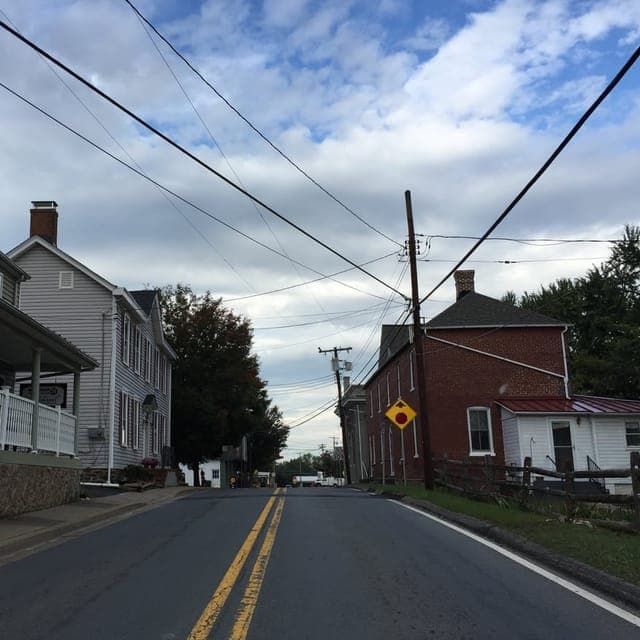
Montgomery County works best for people who are willing to pay for quality of life and who value education, career opportunity, and diversity over low costs or a slower pace. It’s a great fit for a single professional working in biotech in Gaithersburg or a federal employee in Bethesda who wants a short commute and good restaurants. It’s also a strong choice for parents who are deeply involved in their kids’ schooling and don’t mind the competitive atmosphere. It’s a harder sell for someone looking for a low-tax, low-regulation environment, or for a family that wants a big house on a large lot without a six-figure price tag. The rural areas like Barnesville and Dickerson offer more space and a quieter life, but you’ll still pay a premium and drive farther for groceries. The county’s identity is proudly progressive and well-educated, and that’s a draw for many—but it can feel like a bubble, and the cost of that bubble is high. If you can afford it and value what it offers, it’s a genuinely good place to live. If you can’t, the frustration will be constant.

* Values derived from national, state, county, city and local statistics and may differ in a specific area. Last updated: 2026-05-12T23:01:09.000Z
Narrative content on this page is AI-generated and may contain mistakes. Verify any details that matter before acting on them.
ReloMaps may earn a commission from affiliate links at no extra cost to you.

