Photo: Wikipedia
Find The Best Places To Live
in Carlin
PRO TIP! You can paste a Zillow or Redfin link to get info on that property.
What It's Like Living in Carlin, NV
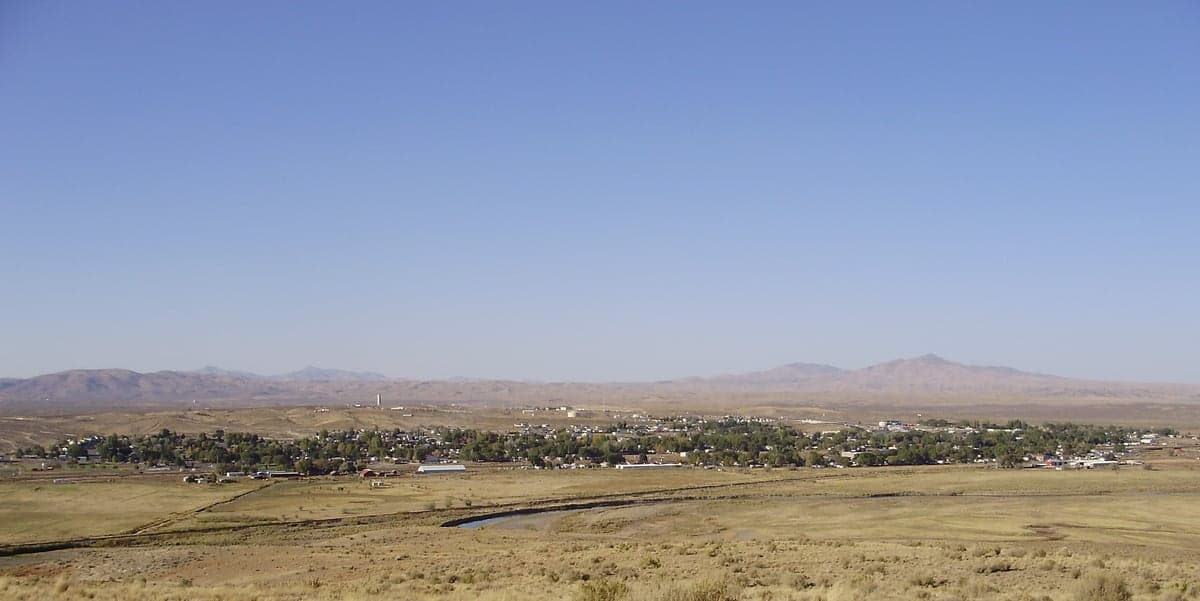
Carlin, Nevada, is the kind of place where the railroad isn’t just a part of the landscape—it’s the heartbeat. With a population hovering around 2,164, this small town along the Humboldt River feels like a throwback to a more straightforward era, where people know each other by name and the pace of life is dictated by the seasons and the train schedule, not by rush hour. Living here means embracing a quiet, self-reliant rhythm that appeals to folks who value community, outdoor access, and a cost of living that doesn’t eat your paycheck.
Daily Rhythm: What Life Actually Looks Like
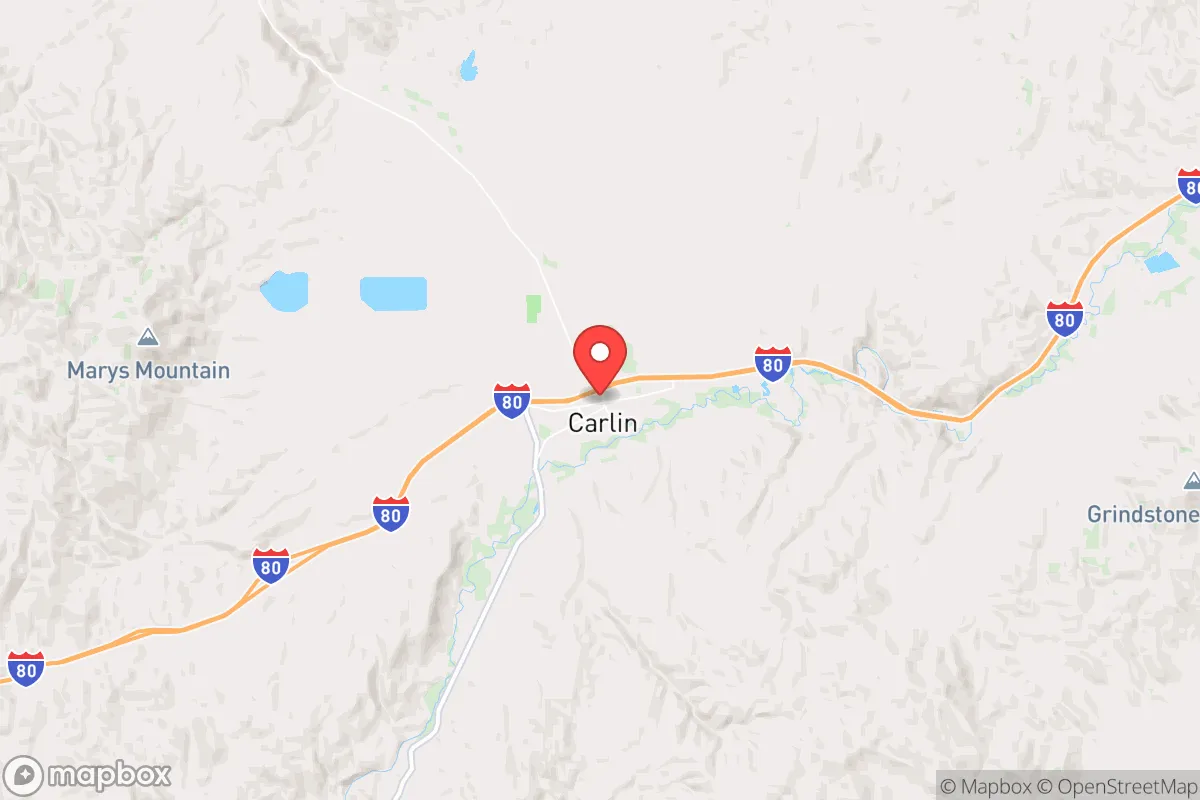
Most mornings in Carlin start early. The median commute is about 25 minutes, which for many means a drive west to Elko—the region’s economic hub—for work at mining operations like Newmont’s Carlin Trend or at the local schools and county offices. Back in town, daily life revolves around a handful of anchors: the Carlin Market for groceries, the local Chevron for gas and a quick bite, and the post office, which doubles as a social hub. Weekends are for outdoor projects—fixing a fence, riding ATVs on the nearby Ruby Mountains trails, or fishing the Humboldt River. There’s no mall, no movie theater, and only a couple of sit-down restaurants, so residents are resourceful. The Carlin Community Center hosts potlucks, holiday events, and the occasional town meeting, and the high school football games on Friday nights are a genuine social event, not just a pastime.
Who Fits In: Work, Family, and Affluence
Carlin is a working-class town with a median household income of $62,232, which goes further here than in most of the country thanks to a cost of living index of 90—10% below the national average. The median home value is $195,000, meaning a family with a single mining salary can realistically afford a three-bedroom house with a yard. The median age is 37, and the population skews toward families and middle-aged couples; you won’t find many recent college grads or retirees moving here for the nightlife. Only about 15.1% of adults hold a bachelor’s degree, so the community values practical skills and hard work over academic credentials. The kind of person who thrives here is someone who doesn’t need constant entertainment, who’s comfortable with quiet evenings, and who sees the nearby desert and mountains as a playground rather than an empty space.
Sports, Community, and What There Is to Do
High school sports are the main event. Carlin High School’s football and basketball games draw a good chunk of the town, especially when they play rival Wells or Elko. The local teams are a source of genuine pride, and the gym gets loud on game nights. For outdoor enthusiasts, the real draw is the Ruby Mountains—a 45-minute drive east—where hiking, hunting, and snowmobiling are year-round pursuits. The town itself has a few bars, like the Stockmen’s Bar, where you can grab a beer and catch a Raiders game on TV. The biggest annual event is the Carlin Railroad Days festival in August, which celebrates the town’s rail history with a parade, a car show, and a barbecue. It’s not a big-city festival, but it’s the kind of thing that brings everyone together. For anything bigger—concerts, shopping, a sit-down dinner—you’re driving 25 minutes to Elko, which has a casino, a bowling alley, and a few chain restaurants.
Pros and Cons of Living Here
The upsides are real: affordable housing (median home value $195,000), a low cost of living, and a tight-knit community where neighbors actually help each other. The violent crime rate is 250.3 per 100,000—higher than the national average, but most of it is tied to domestic disputes and alcohol-related incidents, not random street crime. The schools are small, with class sizes that let teachers know every kid’s name, and the outdoor access is world-class if you’re willing to drive 20 minutes. The downsides are equally honest: there’s almost no local economy beyond mining and a few service jobs, so most people commute to Elko. The weather is extreme—summers can hit 100°F, and winters bring snow and wind that can shut down the interstate. The isolation can wear on people who aren’t self-sufficient; there’s no Target, no movie theater, and no urgent care in town. And the trains—Carlin is a major Union Pacific rail hub—run day and night, so if you’re a light sleeper, you’ll hear them.
Cultural Quirks and Local Identity
Carlin has a distinct identity shaped by the railroad and the mine. Locals are proud of their town’s role in the transcontinental rail network, and you’ll see train-themed murals and the old depot building downtown. There’s a no-nonsense, self-reliant attitude here—people don’t complain about the lack of amenities because they chose this life. The community is heavily conservative, with a strong sense of personal responsibility and a wariness of government overreach. Gun ownership is common, and the Fourth of July fireworks show is a big deal. One quirk: because so many people work shift work at the mine, you’ll see trucks and SUVs parked outside the grocery store at 6 a.m. on a Tuesday. It’s a town where a handshake still means something, and where the biggest frustration among longtime residents isn’t the lack of a Starbucks—it’s the feeling that the town is slowly shrinking as young people leave for bigger cities. For the right person, though, Carlin offers a quiet, affordable, and honest life that’s increasingly hard to find anywhere else.

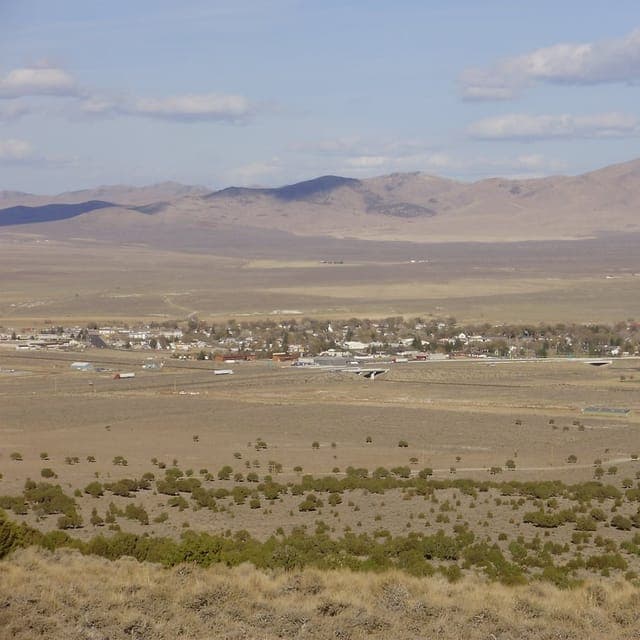
Similar small towns to Carlin
* Values derived from national, state, county, city and local statistics and may differ in a specific area. Last updated: 2026-04-30T00:47:43.000Z
Narrative content on this page is AI-generated and may contain mistakes. Verify any details that matter before acting on them.
ReloMaps may earn a commission from affiliate links at no extra cost to you.

