
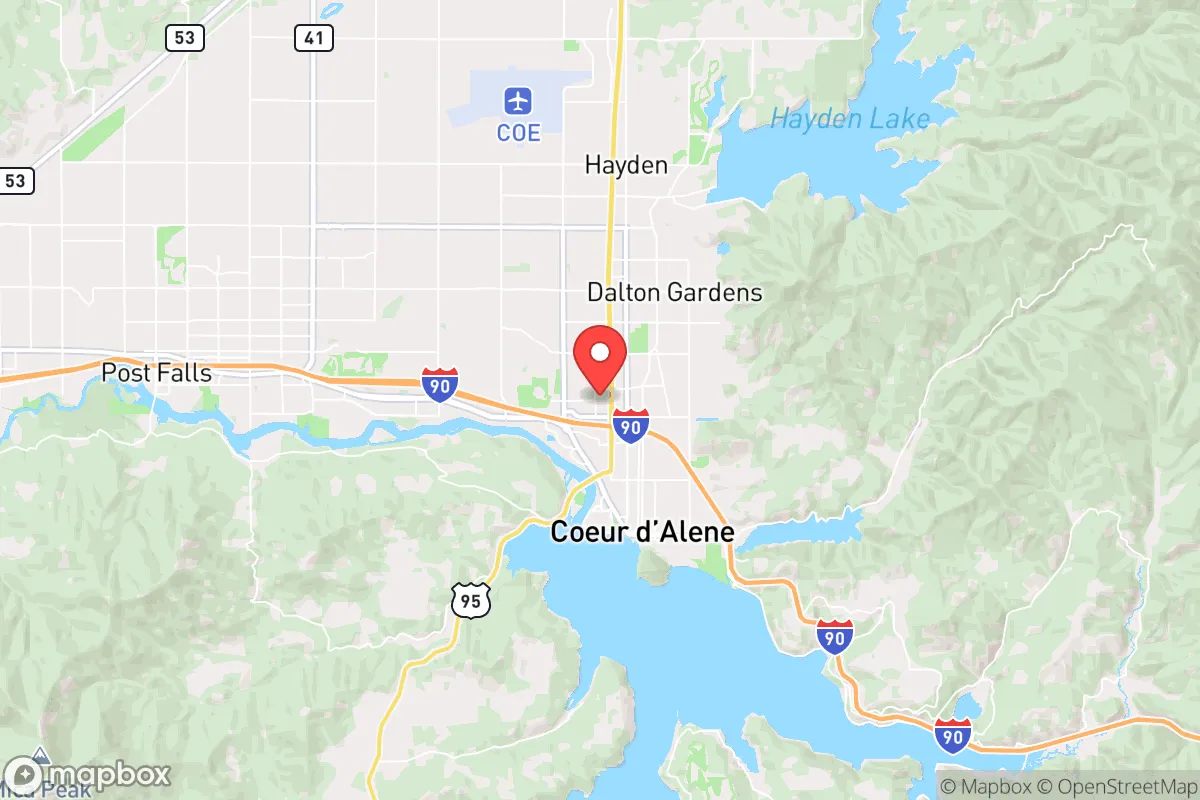
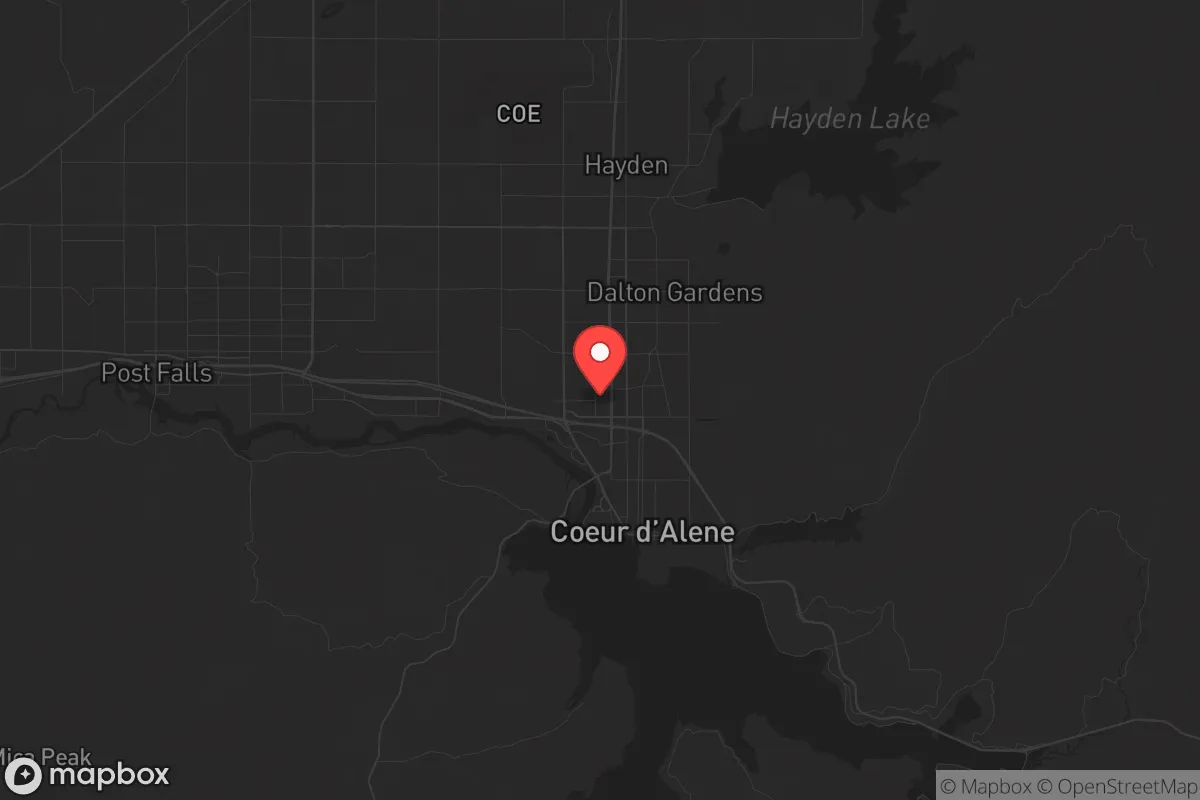
Photo by Backroad Packers on Unsplash
Strategic Assessment of Coeur Dalene, ID
Workable tactical position. Some exposure to population density or targets, but generally defensible in a crisis.
What does the Strategic Assessment tell us?
Our Strategic Assessment grades tactical survivability of an area. Major population centers, military targets, fallout zones, natural disasters, and border exposure all drive risk — lower exposure means a more defensible position in a crisis.
This is heavily inspired by Joel Skousen's Strategic Relocation book. Highly recommended you checkout the book ($)What does this tell us?
Our Strategic Assessment grades tactical survivability of an area. Major population centers, military targets, fallout zones, natural disasters, and border exposure all drive risk — lower exposure means a more defensible position in a crisis.
This is heavily inspired by Joel Skousen's Strategic Relocation book. Highly recommended you checkout the book ($)Strategic Pillars

Key Distances
Regional Safe Places
Below is our recommended "safe zones" in Idaho and the surrounding area based on our strategic heuristics. For most people, it's unrealistic to live in a “safe zone” full-time due to work, family or other personal reasons. They tend to be more rural. However, many of these areas are perfect for second homes and retreat properties that double as a vacation home or even a short-term rental.
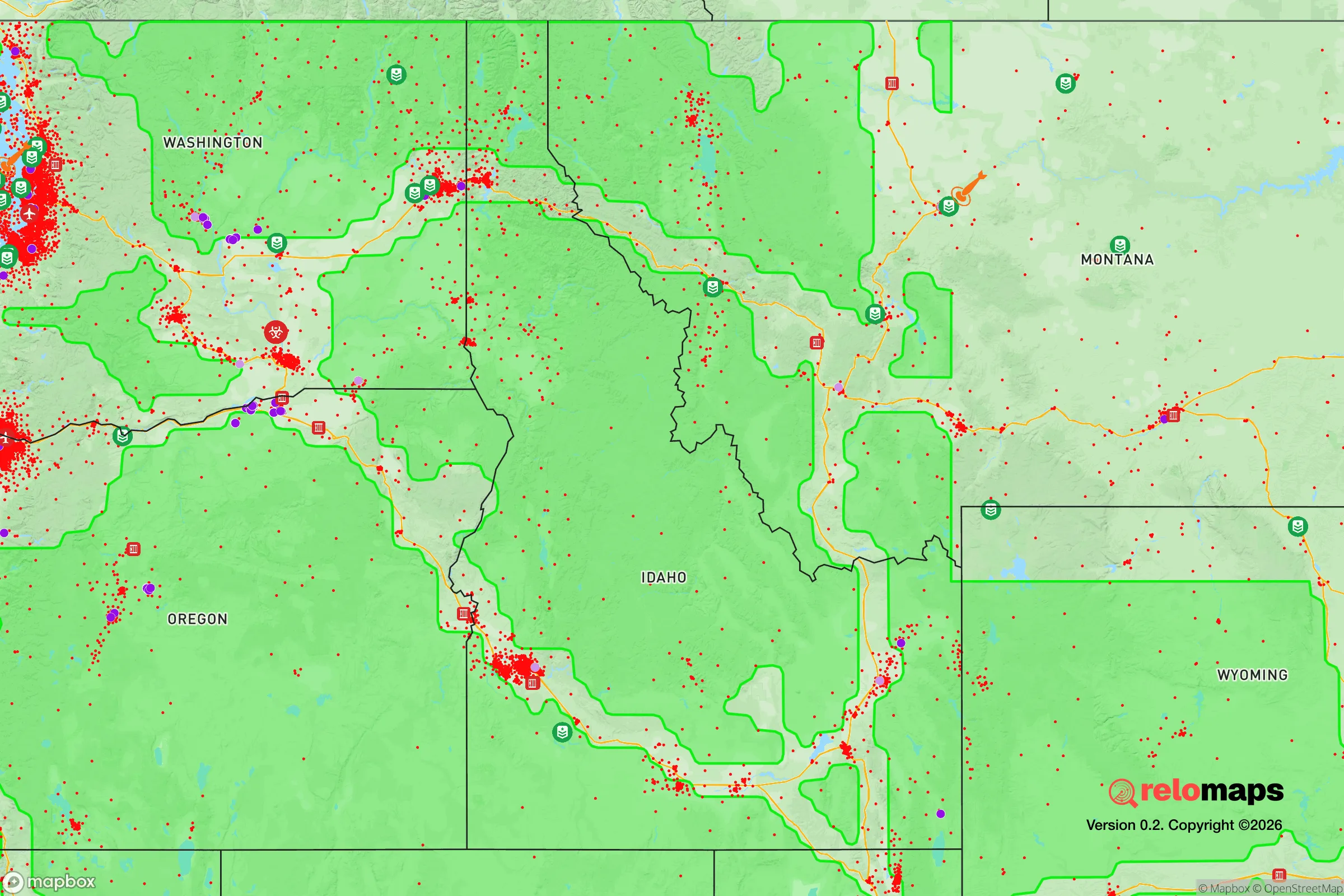
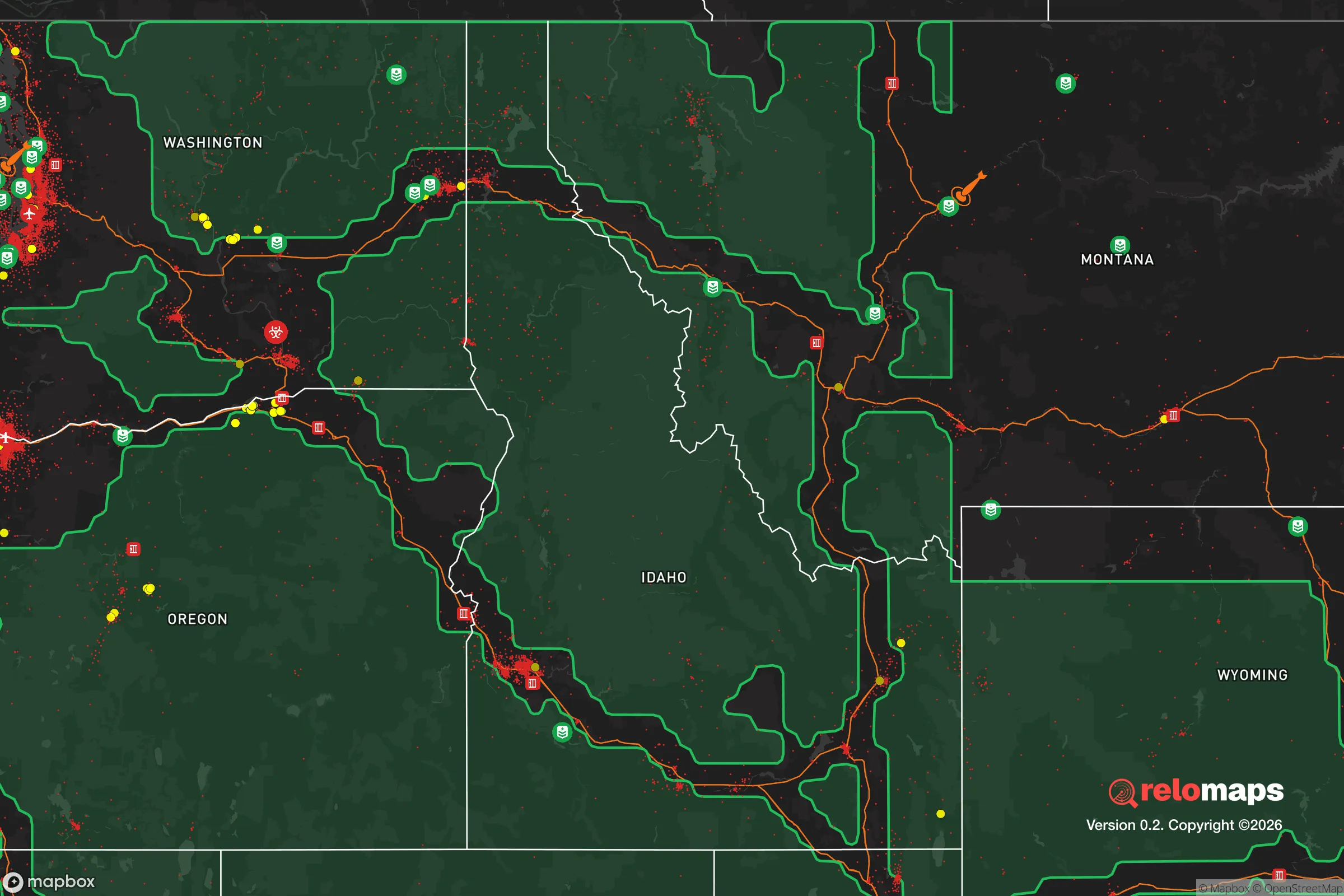


Important Note: For informational purposes only. This does not mean nothing bad ever happens in the green zones. Please use common sense. This is based on public data and modeled with AI. We tried to take a conservative approach but mistakes happen. We update this regularly as new information becomes available.
Solar Generator Recommendations
Backup power matters more here than in safer locations. We've picked three solar generators across budgets and capacity tiers — start with the budget unit if you only need a few essentials, or step up if you want to run a fridge and HVAC for days at a time.

Jackery Portable Power Station Explorer 300
Budget OptionPower on the Go: Weighing only 11 lbs, it's convenient to set up and store with book-sized foldable solar panels

BLUETTI Portable Power Station AC180
Designed for both indoor and outdoor scenarios, AC180 is highly capable as it has a robost capacity and continuous output power.

EF ECOFLOW DELTA Pro Ultra Power Station
Upgraded PickEcoFlow DELTA Pro Ultra is a whole-home energy system designed to grow with your family. Integrated with the Smart Home Panel 2, it scales to meet your evolving energy needs — keeping your home powered, intelligent, and secure through every stage of life.
We earn a commission, at no additional cost to you.
Strategic Assessment Analysis
Coeur d'Alene, Idaho, occupies a strategic position that balances relative isolation with practical access, making it a serious consideration for those planning for long-term resilience. The city sits in the Idaho Panhandle, roughly 30 miles east of Spokane, Washington, and is shielded by the Bitterroot and Cabinet mountain ranges. This geography provides a natural buffer against the cascading failures that often radiate from major urban centers during periods of unrest or disaster. The area's population of roughly 55,000 within the city and 180,000 in Kootenai County is large enough to support essential services and a local economy, but small enough to avoid the density-driven vulnerabilities of a major metropolitan hub. For a relocator with a prepper mindset, the key advantage here is that Coeur d'Alene is not a primary target—it lacks the high-value infrastructure, dense population, or symbolic significance that would draw coordinated attacks or civil unrest on the scale seen in places like Seattle or Portland.
Geographic position and natural advantages for strategic relocation
Coeur d'Alene's location is defined by its position within the Northern Rockies, a region that offers significant natural defenses. The city is nestled against Lake Coeur d'Alene, a 25-mile-long natural lake that provides a freshwater resource and a potential barrier to movement from certain directions. The surrounding terrain is rugged, with the Coeur d'Alene National Forest and the Idaho Panhandle National Forests creating a buffer of public land that is difficult to traverse quickly. This makes the area naturally defensible against large-scale movement of people or vehicles, a factor that becomes critical during scenarios like mass migration from coastal cities or grid-down situations. The elevation, around 2,100 feet, and the region's climate—cold winters with heavy snowfall—also act as natural filters, discouraging unprepared transient populations. For a conservative-leaning relocator, the area's distance from the West Coast's major population centers—Spokane is the nearest city of any size, and it's still a 45-minute drive—means that the worst effects of coastal unrest, such as food shortages or fuel disruptions, will arrive here days or weeks later, if at all.
Risks, exposures, and proximity to fallout-relevant landmarks
No location is without vulnerabilities, and Coeur d'Alene has specific exposures that a strategic relocator must weigh. The most immediate risk is its proximity to Spokane, Washington, a city of roughly 230,000 that sits just across the state line. Spokane is a regional transportation and logistics hub, with a major rail yard, an interstate highway (I-90), and an international airport. In a scenario of civil unrest or economic collapse, Spokane could become a source of instability—riots, supply chain disruptions, or refugee flows—that would spill into Kootenai County. The I-90 corridor, which runs directly through Coeur d'Alene, is a double-edged sword: it provides access for resupply but also a highway for unwanted movement. Additionally, the area is within 100 miles of Fairchild Air Force Base near Spokane, a strategic asset that could become a target in a conflict scenario. While Coeur d'Alene itself is not a primary target, the fallout—literal or figurative—from a strike on Fairchild could affect the region. On the natural disaster front, the area is in a seismic zone; the nearby Newport Fault and the larger Cascadia subduction zone could generate earthquakes, though the risk is moderate compared to coastal areas. Wildfire is a more immediate seasonal threat, with dry summers and dense forests creating conditions for fast-moving fires, as seen in the 2021 and 2023 fire seasons that threatened the outskirts of the city.
Practical resilience for a relocator: food, water, energy, and defensibility
For a relocator focused on self-sufficiency, Coeur d'Alene offers a mix of strengths and challenges. Water is abundant—the lake, the Spokane River, and numerous smaller creeks and aquifers provide reliable freshwater sources, though surface water requires treatment in a grid-down scenario. The local water table is high enough that private wells are common in rural areas outside city limits, a critical advantage for those who can secure land with a well. Food production is viable but seasonal. The growing season is short—roughly 100 to 120 frost-free days—but the fertile valley soils around the lake support crops like potatoes, grains, and hay. Local agriculture is robust enough that Kootenai County has a strong farmers' market culture and a network of small-scale producers, which would be a lifeline during supply chain disruptions. Hunting and fishing are excellent: the surrounding national forests are home to elk, deer, and black bear, and the lake and rivers offer trout and salmon. Energy resilience is a mixed bag. The grid is served by Avista Utilities, which relies on a mix of hydroelectric, natural gas, and coal. The region's hydroelectric dams on the Spokane and Clark Fork rivers provide a relatively stable power source, but they are vulnerable to sabotage or natural disaster. Solar is viable but limited by winter cloud cover and short daylight hours; a well-designed off-grid system with battery storage is possible but requires significant investment. Wood heating is common and practical, given the abundant timber. Defensibility is high for those who choose property wisely. The terrain allows for natural chokepoints—narrow valleys, limited road access, and dense forest cover—that make it difficult for large groups to approach undetected. The local culture, which leans heavily toward self-reliance, gun ownership, and community preparedness, means that a relocator will find like-minded neighbors rather than a population dependent on government aid. Kootenai County has a strong sheriff's office and a history of resisting federal overreach, which aligns with a conservative prepper's priorities.
The overall strategic picture for Coeur d'Alene is one of calculated trade-offs. It offers genuine resilience advantages: abundant water, defensible terrain, a self-reliant local culture, and distance from the most volatile coastal cities. The risks are real but manageable—proximity to Spokane, wildfire seasons, and a short growing season require planning and preparation. For a single individual or a family willing to invest in land with a well, a wood stove, and a solar setup, this area provides a solid foundation for weathering the kinds of disruptions that concern a survivalist mindset. It is not a bug-out location in the wilderness; it is a functioning small city with hospitals, schools, and supply chains that would hold up better than most in a crisis. The key is to secure property outside the immediate I-90 corridor and away from the lake's tourist-heavy zones, where density and transient populations increase risk. If you can handle the cold winters and the need for proactive self-sufficiency, Coeur d'Alene is a strong candidate for a strategic relocation in an uncertain future.

* Values derived from national, state, county, city and local statistics and may differ in a specific area. Last updated: 2026-05-01T21:55:58.000Z
Narrative content on this page is AI-generated and may contain mistakes. Verify any details that matter before acting on them.
ReloMaps may earn a commission from affiliate links at no extra cost to you.

