 Popular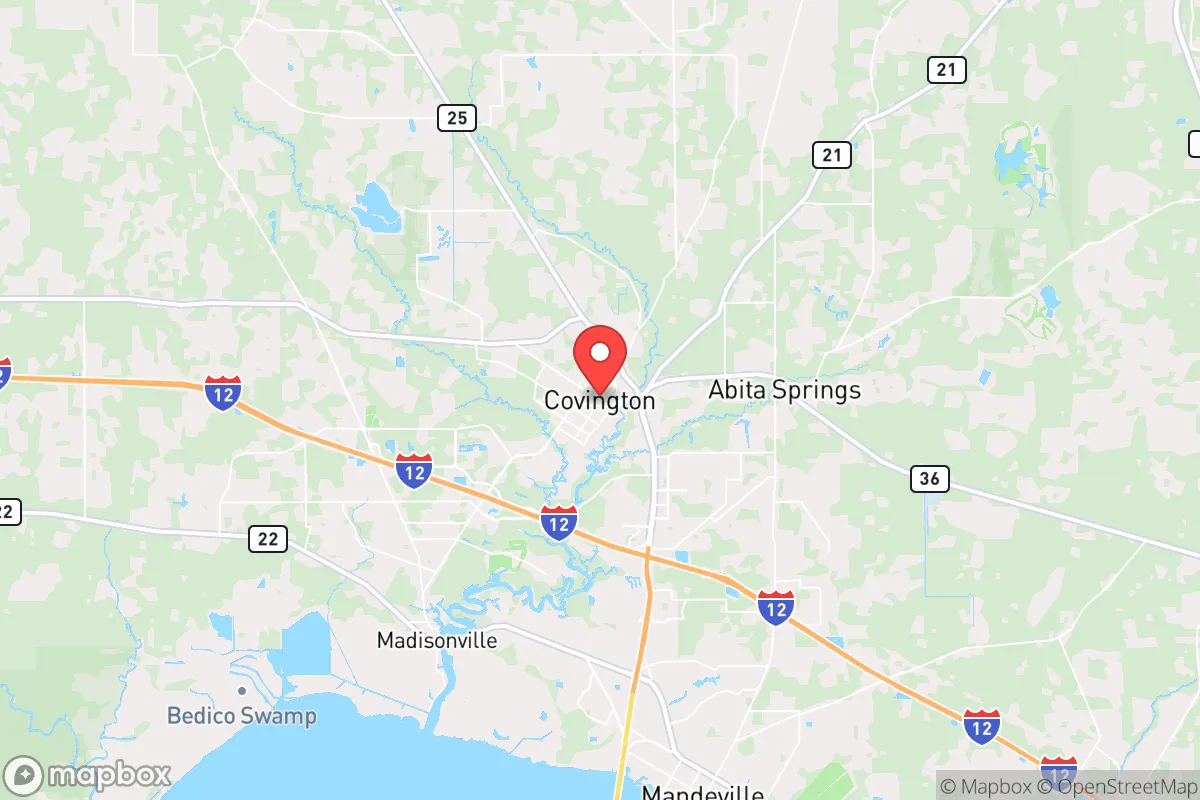
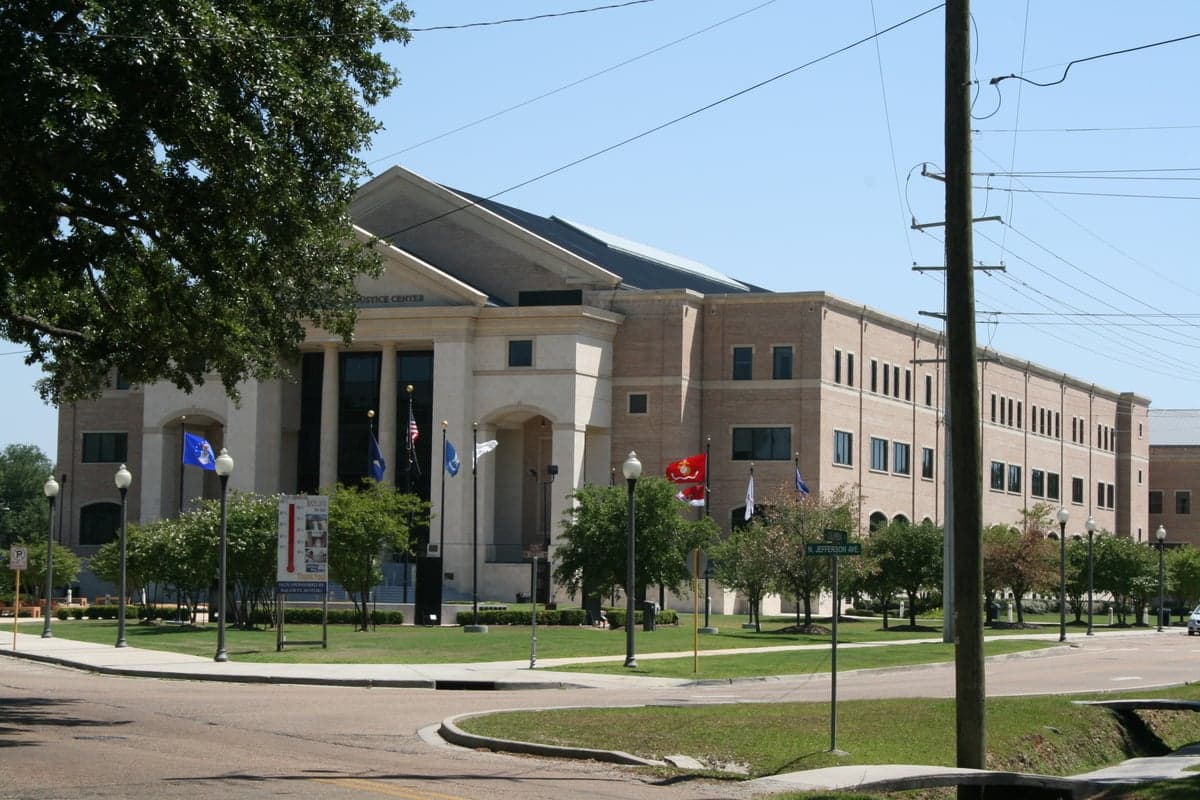
Photo: Wikipedia
Strategic Assessment of Covington, LA
Workable tactical position. Some exposure to population density or targets, but generally defensible in a crisis.
What does the Strategic Assessment tell us?
Our Strategic Assessment grades tactical survivability of an area. Major population centers, military targets, fallout zones, natural disasters, and border exposure all drive risk — lower exposure means a more defensible position in a crisis.
This is heavily inspired by Joel Skousen's Strategic Relocation book. Highly recommended you checkout the book ($)What does this tell us?
Our Strategic Assessment grades tactical survivability of an area. Major population centers, military targets, fallout zones, natural disasters, and border exposure all drive risk — lower exposure means a more defensible position in a crisis.
This is heavily inspired by Joel Skousen's Strategic Relocation book. Highly recommended you checkout the book ($)Strategic Pillars

Key Distances
Regional Safe Places
Below is our recommended "safe zones" in Louisiana and the surrounding area based on our strategic heuristics. For most people, it's unrealistic to live in a “safe zone” full-time due to work, family or other personal reasons. They tend to be more rural. However, many of these areas are perfect for second homes and retreat properties that double as a vacation home or even a short-term rental.

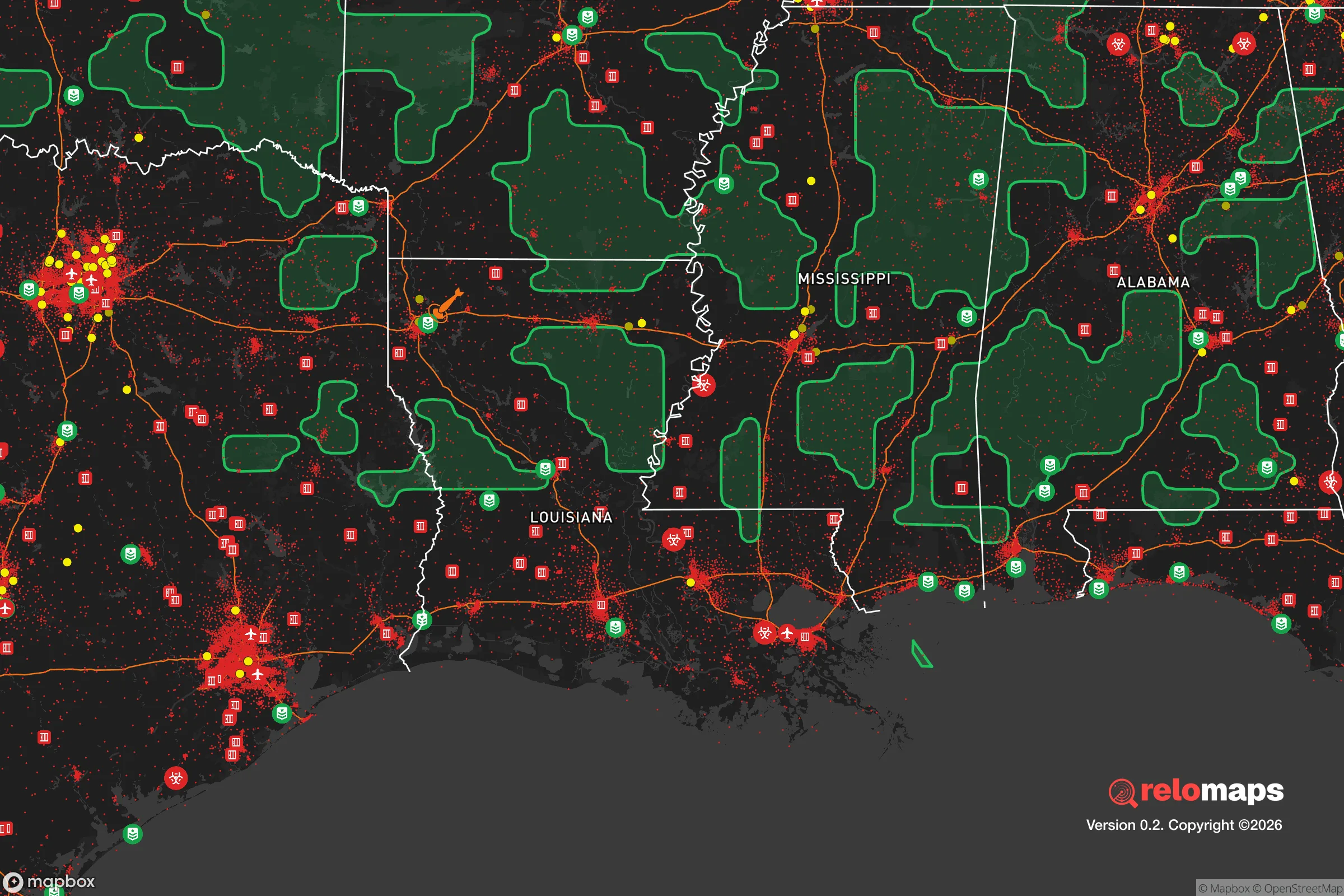


Important Note: For informational purposes only. This does not mean nothing bad ever happens in the green zones. Please use common sense. This is based on public data and modeled with AI. We tried to take a conservative approach but mistakes happen. We update this regularly as new information becomes available.
Solar Generator Recommendations
Backup power matters more here than in safer locations. We've picked three solar generators across budgets and capacity tiers — start with the budget unit if you only need a few essentials, or step up if you want to run a fridge and HVAC for days at a time.

Jackery Portable Power Station Explorer 300
Budget OptionPower on the Go: Weighing only 11 lbs, it's convenient to set up and store with book-sized foldable solar panels

BLUETTI Portable Power Station AC180
Designed for both indoor and outdoor scenarios, AC180 is highly capable as it has a robost capacity and continuous output power.

EF ECOFLOW DELTA Pro Ultra Power Station
Upgraded PickEcoFlow DELTA Pro Ultra is a whole-home energy system designed to grow with your family. Integrated with the Smart Home Panel 2, it scales to meet your evolving energy needs — keeping your home powered, intelligent, and secure through every stage of life.
We earn a commission, at no additional cost to you.
Strategic Assessment Analysis
Covington, Louisiana, sits in a geographic sweet spot that balances proximity to critical infrastructure with enough buffer from the most obvious fallout zones, making it a serious contender for anyone thinking through long-term resilience. Located about 40 miles north of New Orleans and 50 miles east of Baton Rouge, the city benefits from being close enough to major medical and supply hubs but far enough that a sudden evacuation or localized disaster in those metros won't automatically cascade into your front yard. The area's position on the north shore of Lake Pontchartrain, combined with its access to Interstate 12 and U.S. Highway 190, gives relocators a practical escape route that avoids the bottleneck of the Lake Pontchartrain Causeway—a single point of failure that should give any prepper pause.
Geographic position and natural advantages for long-term security
Covington's location on the north shore of Lake Pontchartrain places it on higher ground than much of south Louisiana, with average elevations around 25-30 feet above sea level compared to New Orleans' near-sea-level vulnerability. This elevation difference is not trivial—it means the city is less exposed to storm surge from hurricanes tracking up the Gulf, and the surrounding piney woods and rolling hills offer natural drainage that reduces flood risk for most properties. The area sits within the Florida Parishes, a region that historically has been more politically and culturally aligned with the Deep South's independent streak, which matters for those concerned about state-level overreach during a crisis. The nearby Bogue Chitto River and the Tchefuncte River provide freshwater sources and potential off-grid water access, while the surrounding Honey Island Swamp and Pearl River Wildlife Management Area offer both natural barriers and hunting/fishing opportunities. For a relocator thinking about defensibility, the mix of forested terrain and limited major road access north of I-12 creates natural chokepoints that could slow any large-scale movement from the south.
Risks, exposures, and proximity to fallout-relevant landmarks
The most significant risk for Covington is its position relative to New Orleans, which is a prime target for both natural disasters and civil unrest. A major hurricane hitting the Gulf Coast could send tens of thousands of evacuees north on I-55 and I-12, turning Covington into a temporary choke point for fuel, food, and medical supplies. The city is also within 60 miles of the Louisiana Offshore Oil Port (LOOP), a critical energy infrastructure node that could be a target for sabotage or disruption during a conflict. On the industrial side, the Mississippi River chemical corridor between Baton Rouge and New Orleans hosts dozens of refineries and chemical plants—a major incident there could send toxic plumes northward depending on wind direction, though Covington's position east of the river offers some separation. The Lake Pontchartrain Causeway itself is a vulnerability: if that bridge is damaged or blocked, the north shore becomes effectively isolated from New Orleans, which could be either a blessing or a curse depending on the scenario. For those concerned about electromagnetic pulse (EMP) or grid-down scenarios, Covington's reliance on above-ground power lines and its position near the Gulf Coast's hurricane-prone zone means extended power outages are a real possibility—the area saw multi-day blackouts after Hurricane Ida in 2021 and Hurricane Katrina in 2005.
Practical resilience for a relocator: food, water, energy, and defensibility
Water access in Covington is better than most suburban areas, thanks to the numerous rivers, bayous, and the nearby Lake Pontchartrain. However, lake water requires significant treatment for drinking, and the rivers can become brackish during droughts. The city's municipal water comes from the Southern Pearl River, but a well on your property is a smart backup—the water table in St. Tammany Parish is generally high, with many homes already having shallow wells for irrigation. Food resilience is mixed: the area has a strong local farming community with several farmers' markets (the Covington Farmers Market runs year-round), and the surrounding pine forests support deer, turkey, and small game hunting. The climate allows for year-round gardening, with a growing season that runs from March through November, though the humidity and heat require careful pest management. Energy-wise, solar is viable here—the area averages about 215 sunny days per year, slightly below the national average but workable with proper panel orientation. Natural gas is widely available in the city limits, which is a plus for backup generators. Defensibility is where Covington shines relative to most suburban options: the city's layout, with its historic downtown core surrounded by winding rural roads and dense pine forests, makes it difficult for any large force to move through quickly. The local population skews heavily toward gun ownership and outdoor skills—St. Tammany Parish has one of the highest rates of hunting license sales per capita in Louisiana—meaning you're likely to have neighbors who are armed and capable. The St. Tammany Parish Sheriff's Office is well-funded and has a reputation for being responsive, but in a prolonged crisis, you'd be relying more on community networks than official response.
The overall strategic picture for a conservative relocator
Covington offers a rare combination of natural buffer, resource access, and community character that aligns well with a prepper mindset. It's not a bug-out location in the wilderness—it's a working town with schools, hospitals, and a Walmart—but it's positioned far enough from the major population centers to avoid the worst of any urban collapse scenario. The political culture of St. Tammany Parish is reliably conservative, with the parish voting +30 points Republican in recent presidential elections, which means local governance is likely to resist federal overreach during a crisis. The downsides are real: hurricane risk is baked into the geography, the Causeway is a single point of failure, and the summer heat and humidity make long-term off-grid living more challenging than in drier climates. But for someone looking to relocate to a place where you can reasonably prepare for the next decade's uncertainties—whether that's economic collapse, civil unrest, or natural disaster—Covington deserves a serious look. The key is to buy property with well water access, invest in solar and battery backup, and build relationships with the local hunting and farming community before you need them. Do that, and you'll be in a position to ride out whatever comes, while still being close enough to civilization to maintain a normal life in the meantime.

* Values derived from national, state, county, city and local statistics and may differ in a specific area. Last updated: 2026-05-03T20:24:43.000Z
Narrative content on this page is AI-generated and may contain mistakes. Verify any details that matter before acting on them.
ReloMaps may earn a commission from affiliate links at no extra cost to you.

