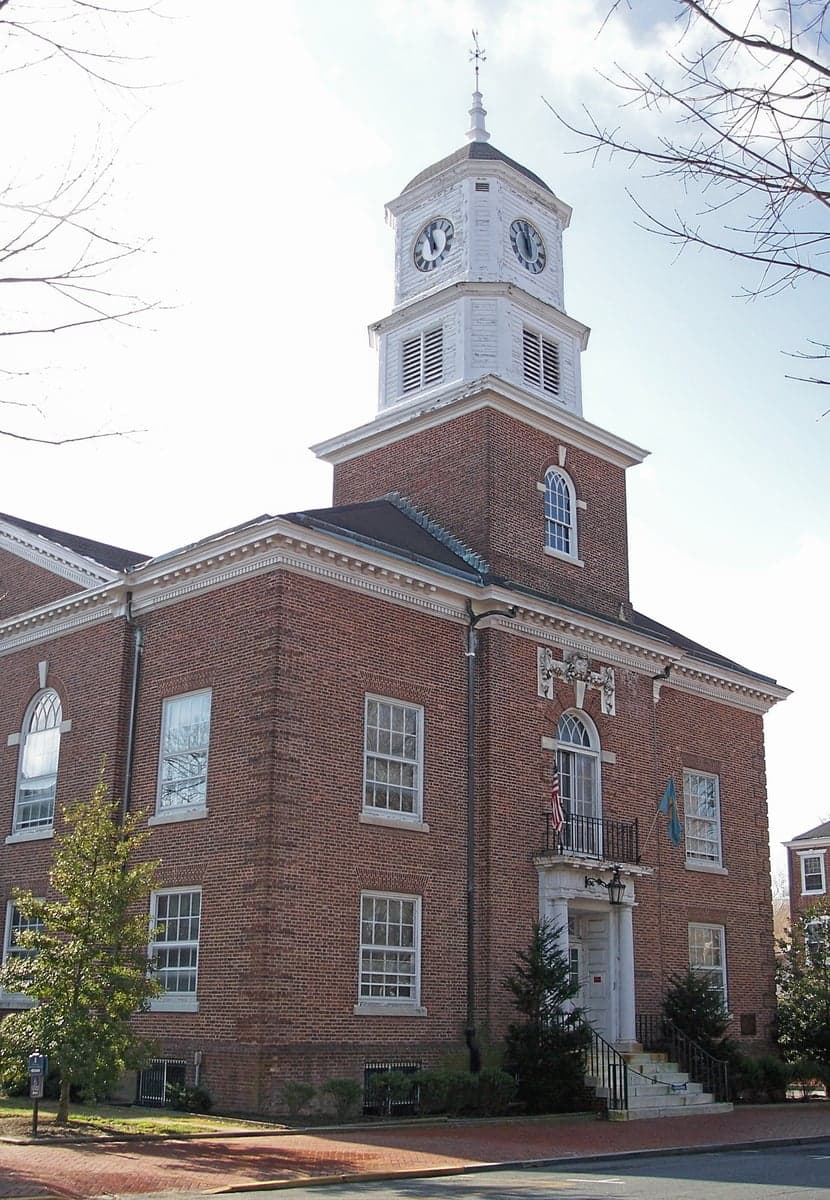
Photo: Wikipedia
Quality of Life in Kent County
A livable area that tracks near national norms for affordability, walkability, and neighborhood health.
What does Quality of Life tell us?
Quality of Life measures an area by evaluating factors like cost of living, nearby amenities, country club access, airport proximity, socioeconomic signals and neighborhood character. For large states, this is a general average — quality of life can vary dramatically between metro areas, suburbs, and rural communities within the same state.
What does this tell us?
Quality of Life measures an area by evaluating factors like cost of living, nearby amenities, country club access, airport proximity, socioeconomic signals and neighborhood character. For large states, this is a general average — quality of life can vary dramatically between metro areas, suburbs, and rural communities within the same state.
Cost of Living
8% above national average
88%
The Real Cost of Living in Kent County for 2026
| Tier | Individual | Family (4) |
|---|---|---|
| Survival | $21k | $39k |
| Comfortable | $56k | $83k |
| Luxury | $109k+ | $169k+ |
| Elite (Top 5%) | $128k+ | $198k+ |
Quality-of-Life Analysis
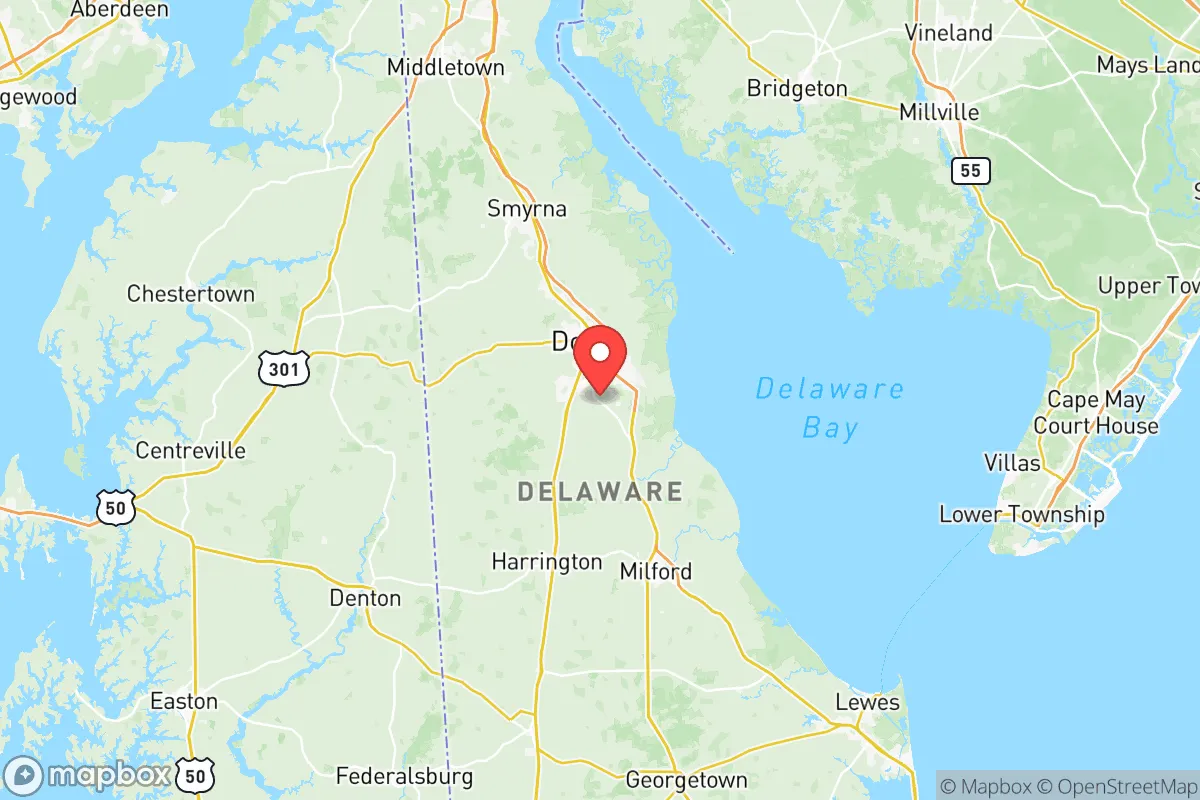
Kent County, Delaware offers a broad quality-of-life spectrum that ranges from the historic, walkable riverfront of Dover to the quiet agricultural crossroads of towns like Felton and Harrington, attracting everyone from state-government employees and military families to farmers and remote workers seeking lower taxes. The county’s character shifts noticeably as you move from the Chesapeake & Delaware Canal corridor southward into the rural interior, with each zone offering distinct trade-offs in convenience, space, and pace of life.
Largest town(s) & population centers
Dover, the state capital and Kent County’s largest city (population roughly 39,000), anchors the county’s most urbanized zone. Daily life here centers on state government offices, the Dover Air Force Base, and retail corridors along U.S. Route 13 and Route 1. Residents have access to Bayhealth Kent General Hospital, the Dover International Speedway, and the Delaware State University campus. The city’s historic downtown offers a compact, walkable core with restaurants and shops, but most daily errands require a car. Average commute times across the county are 27 minutes, reflecting the spread-out nature of employment between Dover, the base, and smaller towns. Smyrna (population ~13,000), straddling the Kent-New Castle county line, has grown rapidly as a commuter town for both Dover and Wilmington, with new subdivisions and a busy Main Street anchored by the Smyrna Opera House and local breweries.
Smaller towns & rural pockets
South of Dover, Milford (partly in Kent, partly in Sussex) blends a revitalized historic district along the Mispillion River with suburban growth, drawing retirees and families to its riverwalk and annual Bug & Bud Festival. Harrington, a railroad town of about 3,800, retains a working-class agricultural feel and hosts the Delaware State Fair each July. Felton and Frederica are unincorporated villages where grain silos and farm stands outnumber traffic lights; these areas offer larger lots and quieter streets, often within a 15-minute drive of Dover’s hospitals and shopping. The far western edge of the county, near Kenton and Hartly, is dominated by corn and soybean fields, with scattered farmhouses and mobile home parks. These rural pockets lack public transit and require a vehicle for every errand, but they provide the lowest housing costs and the most privacy in the county.
Cost & lifestyle range
Kent County’s overall cost of living index sits at 108 (8% above the U.S. average), but that figure masks wide internal variation. At the high end, newer subdivisions in southern Smyrna and northern Dover (near the Air Force base) push median home values to $290,600, with some four-bedroom homes exceeding $400,000. Renters face a median rent of $1,285, with two-bedroom apartments in Dover’s newer complexes often leasing for $1,400–$1,600. At the low end, older homes in Harrington and Felton can be found for under $200,000, and mobile home parks in Kenton and Hartly offer lot rents below $600. Lifestyle amenities follow the same gradient: Dover provides chain restaurants, a multiplex cinema, and the Delaware Agricultural Museum, while rural residents rely on Felton’s single grocery store or drive 20 minutes to Dover for a Walmart. Property taxes remain low across the county (Delaware’s overall tax burden is among the nation’s lowest), but rural areas lack municipal services like sidewalks, streetlights, and public water — trade-offs that buyers must weigh carefully.
Kent County works best for people who value Delaware’s tax-friendly environment and want a choice between small-city amenities and genuine rural living, all within a 30-minute commute to Dover’s employment base. Military families stationed at Dover AFB often prefer the newer subdivisions near the base’s north gate, while farmers and remote workers gravitate toward the cheaper, quieter towns south of Route 10. The county’s mix of state government stability, agricultural roots, and steady suburban infill means most residents can find a niche that matches their budget and preferred pace — provided they are comfortable with car dependency and a slower rhythm than the I-95 corridor offers.

Crime in Kent County
Crime rates similar to the national median for U.S. locations.
Violent CrimeViolent Crime Analysis
Property CrimeProperty Crime Analysis
Crime Analysis
Kent County, Delaware, presents a mixed safety picture with violent crime rates slightly below the national average but property crime rates that exceed both state and national benchmarks. The county recorded a violent crime rate of 348.9 per 100,000 residents and a property crime rate of 1,551.4 per 100,000, placing it in a middle tier of safety within the First State. Residents in communities like Dover, the county seat, and Smyrna tend to report higher incident volumes, while smaller towns such as Felton and Harrington often see lower per-capita crime figures.
Crime in context
Kent County’s violent crime rate of 348.9 per 100,000 sits just below the national average of approximately 380 per 100,000, but it is notably higher than the Delaware state average of roughly 310 per 100,000. Property crime, however, is a more pressing concern: the county’s rate of 1,551.4 per 100,000 exceeds both the national average (around 1,954 per 100,000) and the state average (approximately 1,400 per 100,000). This means a resident’s risk of experiencing a burglary, theft, or motor vehicle theft is elevated compared to other parts of Delaware. The city of Dover, as the county’s largest population center and commercial hub, accounts for a disproportionate share of these incidents, particularly in areas near retail corridors and the downtown core. By contrast, the more rural stretches around Camden and Wyoming report lower property crime densities, though they are not immune to occasional thefts from vehicles and outbuildings.
What residents experience
For those living in Kent County, the day-to-day reality is shaped more by property crime than by violent encounters. Theft from vehicles, package theft, and burglaries are the most commonly reported offenses, especially in neighborhoods near major roads like Route 13 and Route 1. Violent crime, while less frequent, is concentrated in specific pockets: Dover’s Capitol Green and South State Street areas see higher rates of aggravated assault and robbery, often tied to drug-related disputes. The Kent County Superior Court and the Delaware Department of Justice handle prosecutions, and observers note that the judicial philosophy in the state’s larger metro areas—including nearby Wilmington and New Castle County—has trended toward progressive sentencing reforms. These policies, while intended to reduce incarceration, have raised concerns among residents about repeat offenders cycling back onto the streets quickly, undermining public confidence in the justice system. In contrast, the more conservative judicial approach in Kent County’s rural precincts, such as those serving Milford and Clayton, tends to result in stricter sentences for violent offenders, which some residents view as a deterrent.
Neighborhood-level variation
Safety within Kent County varies significantly by location. The city of Dover, with its higher population density and concentration of rental properties, experiences the bulk of the county’s crime—particularly in the downtown and northeast quadrants. Smyrna, while growing rapidly, has seen a recent uptick in property crimes linked to its proximity to the New Castle County line. Conversely, the towns of Felton and Harrington report lower overall crime rates, benefiting from smaller populations and stronger community policing ties. Rural areas east of Dover, including Little Creek and Bowers Beach, are among the safest, with violent crime nearly absent and property crime limited to seasonal vacation-home break-ins. For prospective residents, choosing a home in the county’s southern or western townships—such as those around Viola or Marydel—typically offers a lower crime risk than settling in central Dover or along the Route 13 corridor.
* Values derived from national, state, county, city and local statistics and may differ in a specific area. Last updated: 2026-06-07T00:50:31.000Z
Narrative content on this page is AI-generated and may contain mistakes. Verify any details that matter before acting on them.
ReloMaps may earn a commission from affiliate links at no extra cost to you.

