Photo: Wikipedia
Political ClimatePolitical Climate in Dover, NH
District shown is the primary district for this city’s centroid. Cities may span multiple districts.
Local Political AnalysisPolitical Analysis of Dover, NH
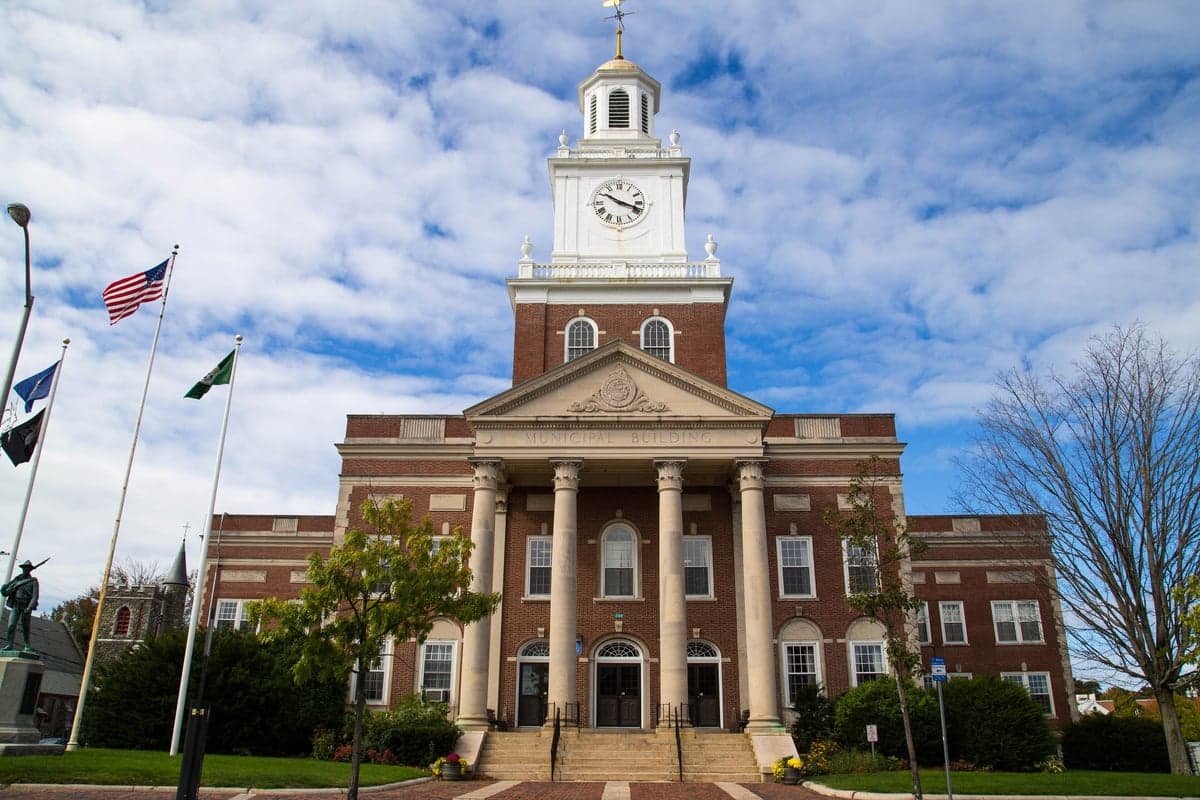
Dover, New Hampshire, has a Cook PVI of D+2, which tells you it leans slightly Democratic, but honestly, that number doesn't capture the full picture of what's been happening here. It used to be a place where folks were mostly live-and-let-live, fiscally conservative but socially moderate, and you could count on your neighbors to mind their own business. Over the last decade or so, though, the political climate has shifted noticeably toward progressive activism, especially among the newer residents moving up from Massachusetts and other parts of New England. The city council and school board have seen a steady push for policies that feel less about common sense and more about top-down social engineering, which has a lot of long-time locals worried about where things are headed.
How it compares
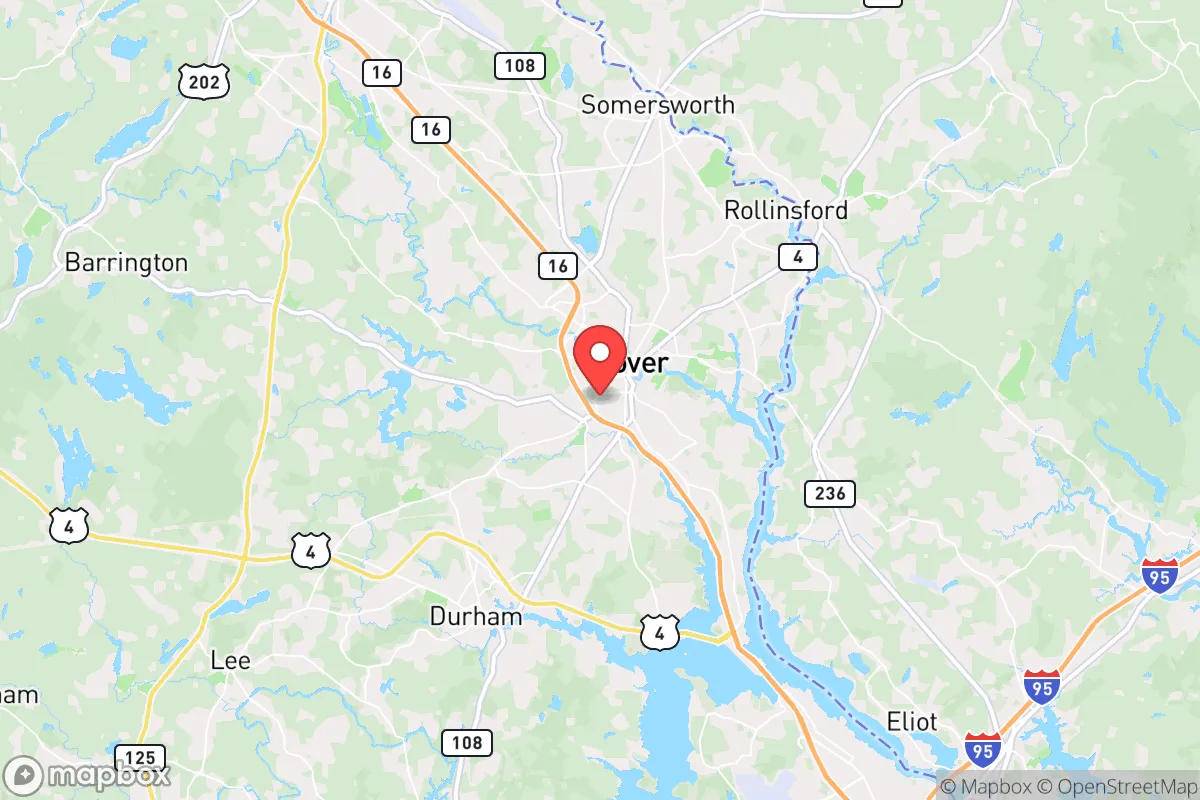
If you drive just a few miles outside of Dover, the contrast is stark. Head west to Rochester or north to Somersworth, and you'll find communities that still vote reliably red, with a strong independent streak and a healthy skepticism of government overreach. Even in Strafford County as a whole, Dover stands out as the progressive hub, while surrounding towns like Barrington, Farmington, and Milton tend to lean conservative. The difference isn't just in voting patterns—it's in the culture. In those towns, people are more likely to push back on things like mask mandates, zoning restrictions, and school curriculum changes that feel like they're coming from outside. Dover, by contrast, has become a place where the city council is more willing to experiment with progressive policies, from housing density mandates to climate action plans that add layers of bureaucracy to everyday life. It's a real shift from the old days when Dover was just a quiet mill town where people kept their politics to themselves.
What this means for residents
For someone who values personal freedom and minimal government interference, living in Dover today means keeping a closer eye on local meetings than you used to. The school board has become a battleground over curriculum content and library books, with some parents feeling like their voices are drowned out by activist groups pushing a more ideological agenda. Property taxes have also crept up as the city funds new initiatives that aren't always popular—like expanded diversity programs or bike lane projects that few people use. The housing market is tight, and some of the new development policies feel like they're designed to favor certain developers over long-time residents. If you're the type who just wants to be left alone to raise your family and run your business, you'll find yourself having to speak up more often to protect that way of life. It's not impossible, but it's definitely more work than it was twenty years ago.
One of the more telling cultural shifts is how the city handles public events and public spaces. Dover used to have a pretty relaxed approach to things like holiday parades and farmers markets, but now there's more emphasis on making sure every event checks certain ideological boxes. The push for "inclusivity" sometimes feels like it comes at the expense of the simple, community-focused traditions that brought people together in the first place. The city's zoning board has also become more aggressive about enforcing new regulations on everything from short-term rentals to home-based businesses, which can feel like a direct hit on personal property rights. If the current trajectory holds, Dover could become a place where progressive policies are the norm, and those who disagree will find themselves increasingly on the outside looking in. It's not there yet, but the trend is clear, and it's worth paying attention to if you're considering a move here.

State Political ClimatePolitical Climate in New Hampshire
State Political AnalysisPolitical Environment in the State
New Hampshire has long been a political paradox—a state that votes blue in presidential elections but elects a red legislature and governor, creating a unique live-free-or-die tension. Over the past 20 years, the Granite State has shifted from a reliable swing state to a lean-Democratic presidential battleground, while its state-level politics have remained stubbornly conservative on fiscal issues and local control. The dominant coalition is a mix of libertarian-leaning independents, fiscal conservatives, and a growing progressive base in the southeastern corner, making it a state where your experience of freedom depends heavily on which town you call home.
Urban vs. rural divide
The political map of New Hampshire is a tale of two regions. The southeastern crescent—Manchester, Nashua, Portsmouth, and the Seacoast—drives the state's blue lean, fueled by Massachusetts transplants, tech workers, and young professionals. These areas vote 55-60% Democratic in statewide races. Drive 30 minutes north or west, and the landscape flips dramatically. Berlin in Coos County, Laconia in Belknap County, and the Monadnock Region (centered on Keene) are deeply red, often voting 60-70% Republican. The rural north, including Carroll County and the White Mountains, is where the "Free State Project" libertarians have clustered, creating a unique strain of anti-government conservatism. The divide isn't just partisan—it's cultural. Southeastern towns feel like extensions of Massachusetts, while the North Country and western hills retain a fiercely independent, live-and-let-live ethos that predates modern party labels.
Policy environment
New Hampshire's policy environment is a mixed bag for conservatives. The good news: no state income tax, no sales tax, and a flat 0.55% property tax on assessed value (though local rates vary wildly). The state has a right-to-work law (2011), constitutional carry for firearms (2017), and no mandatory seatbelt law for adults—classic live-free-or-die stuff. The bad news: the state has no school choice voucher program (though Education Freedom Accounts exist for low-income families), and the RSA 193-E homeschool law is relatively permissive but requires annual notification. Healthcare is a flashpoint: the state expanded Medicaid under the Affordable Care Act in 2014, and the New Hampshire Health Protection Program remains in place. Election laws are moderate—same-day voter registration is allowed, but voter ID is required. The 2020 election integrity controversy centered on the use of ballot drop boxes in Manchester and Nashua, which were later banned by the Republican legislature in 2021 (HB 523).
Trajectory & freedom
On balance, New Hampshire has been trending more free on some fronts and less free on others. The 2021 repeal of the state's "red flag" law (HB 117) was a major win for gun rights advocates, restoring due process protections. The 2022 passage of HB 2 banned vaccine passports and prohibited discrimination against the unvaccinated. Parental rights got a boost with HB 1431 (2022), which requires schools to notify parents of curriculum changes and allows them to opt their children out of sex education. However, the 2023 passage of HB 2 also included a 12-week abortion ban (with exceptions for rape, incest, and life of the mother), which was a significant restriction on medical autonomy. Property rights remain strong—the state has no statewide zoning and no building codes in unincorporated areas, but local planning boards in towns like Durham and Hanover have become increasingly restrictive. The Free State Project has successfully moved thousands of libertarians into the state since 2003, creating a grassroots force that pushes for smaller government at the local level.
Civil unrest & political movements
New Hampshire has seen its share of political flashpoints. The 2020 Black Lives Matter protests in Manchester and Portsmouth were large but largely peaceful, though they sparked a backlash that helped elect a Republican governor and legislature in 2020. The Free State Project holds an annual Porcupine Freedom Festival (PorcFest) in Lancaster, drawing thousands of libertarians for a week of workshops, camping, and political organizing. Immigration politics are relatively quiet—the state has no sanctuary city policies, and Manchester and Nashua have resisted calls to declare themselves sanctuaries. The 2022 "NH Rebellion" movement, a coalition of libertarians and conservatives, successfully pushed for a constitutional amendment to require a two-thirds legislative vote for any new tax or fee increase (CACR 1), though it failed in the Senate. Election integrity remains a live issue: the 2020 recount in the 1st Congressional District (won by Republican Karoline Leavitt by 1,200 votes) highlighted concerns about ballot processing in Manchester's Ward 1. A new resident would notice the ubiquitous "Live Free or Die" license plates and the absence of billboards (banned since 1970)—both symbols of the state's independent streak.
Projection
Over the next 5-10 years, New Hampshire is likely to become more polarized rather than uniformly red or blue. The southeastern crescent will continue to grow, driven by remote workers from Boston and New York, pushing the presidential lean further left. However, the Free State Project and rural conservatives are digging in, winning local offices and school board seats in towns like Hampstead and Derry. The state's tax structure is a double-edged sword: no income or sales tax attracts new residents, but the property tax burden (among the highest in the nation as a percentage of home value) is driving out retirees and young families. The 2024 election will be a bellwether—if Republicans hold the governorship and legislature, expect more school choice expansion and further restrictions on abortion. If Democrats flip the state, look for a state income tax push and expanded voting access. The wildcard is the Free State Project's "50% threshold"—they aim to move 20,000 libertarians into the state by 2030, and if they succeed, they could tip the balance in local elections and create a libertarian stronghold in the North Country.
For a conservative moving to New Hampshire, the bottom line is this: you can find a town that matches your values, but you have to choose carefully. If you want low taxes, gun freedom, and minimal government, head north to Berlin or Lancaster. If you want good schools and a more moderate environment, Bedford or Londonderry are solid picks. Avoid Portsmouth and Hanover unless you're comfortable with progressive local politics. The state's trajectory is uncertain, but its core identity—live free or die—still holds, as long as you're willing to fight for it at the ballot box and the town meeting.
* Values derived from national, state, county, city and local statistics and may differ in a specific area. Last updated: 2026-05-02T03:52:38.000Z
Narrative content on this page is AI-generated and may contain mistakes. Verify any details that matter before acting on them.
ReloMaps may earn a commission from affiliate links at no extra cost to you.

