Photo: Wikipedia
Find The Best Places To Live
in Rochester
PRO TIP! You can paste a Zillow or Redfin link to get info on that property.
What It's Like Living in Rochester, NH
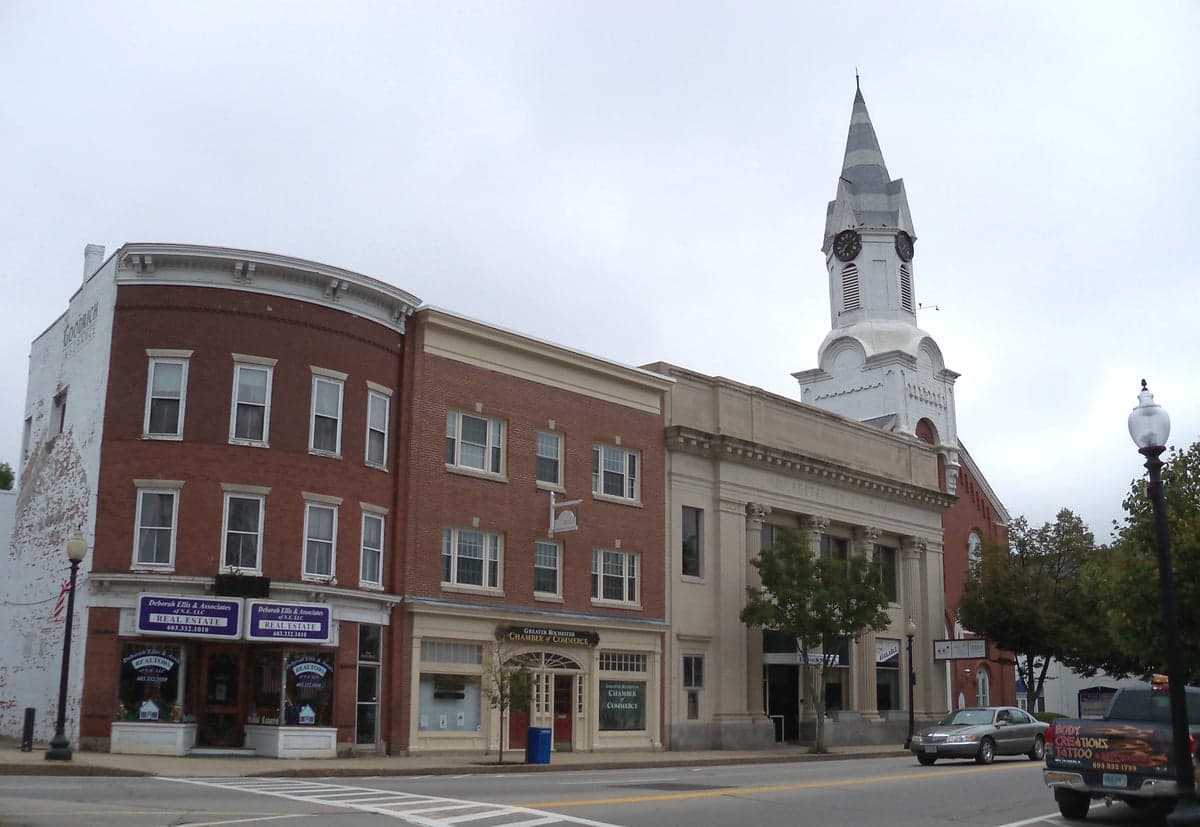
Rochester, New Hampshire, has the feel of a classic New England mill town that’s quietly reinventing itself without losing its working-class bones. You won’t find glossy high-rises or a buzzy nightlife scene here; instead, the city offers a straightforward, no-nonsense lifestyle where people know their neighbors, kids still play in the yard, and the biggest decision on a Friday night might be whether to grab a seat at the Governor’s Inn or catch a high school football game under the lights. It’s a place that appeals to folks who want a slower pace, affordable space, and a community that doesn’t try to be something it’s not.
Daily Rhythm and the Kind of Person Who Fits In
Life in Rochester moves at a pace that suits people who value predictability over flash. The median age here is 43.4, which skews a bit older than the national average, and that shows in the daily routines: mornings start early, evenings are quiet, and weekends often revolve around home projects, youth sports, or a trip to the Rochester Farmers Market on Wakefield Street. The median household income sits at $79,388, and with a cost of living index of exactly 100 (right at the US average), that income goes further here than in pricier corners of New England. The typical resident works in trades, healthcare, or manufacturing—places like Albany Engineered Composites or Frisbie Memorial Hospital are major employers—and the average commute is about 27 minutes, long enough to feel like a buffer but short enough that you’re not burning a tank of gas every week. Only 26.7% of adults hold a bachelor’s degree or higher, so this isn’t a town of white-collar transplants; it’s a place where a skilled trade is respected and a steady job is the goal.
Sports, Entertainment, and What People Actually Do
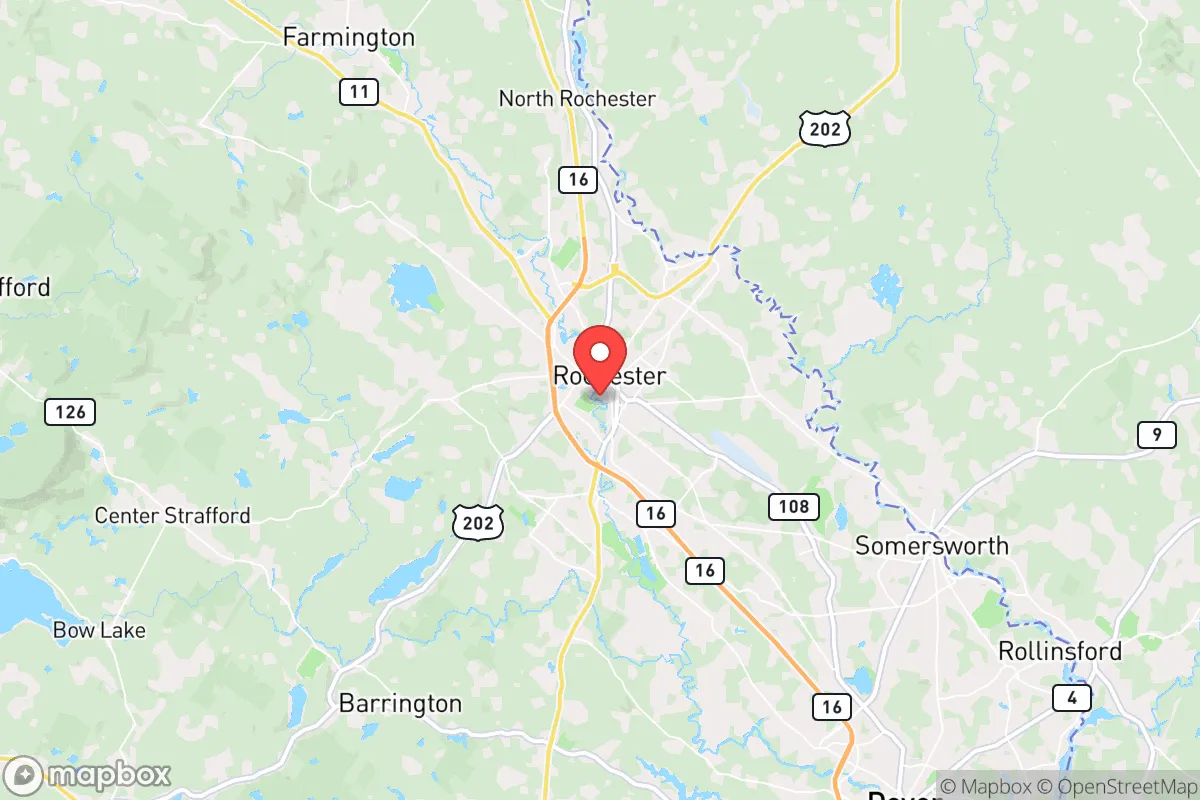
High school sports are the heartbeat of Rochester’s community life. Spaulding High School football games on fall Friday nights draw a genuine crowd—parents, alumni, and locals who don’t even have kids on the team. The Red Raiders are a source of real pride, and the energy around the team is one of those small-town traditions that hasn’t faded. Beyond the field, the Rochester Opera House on Wakefield Street is the cultural anchor, hosting everything from live music and comedy to community theater in a restored 1900s venue. For outdoor recreation, the Cocheco River runs right through town, and the Hanson Pines and Pickering Ponds trail systems offer solid walking, biking, and birdwatching without driving far. The biggest annual event is Rochester Pride in June, which has grown into a well-attended, inclusive festival that says something about the town’s evolving identity. For a night out, locals gravitate to The Holy Grail for pub food and a pint, or La Festa Brick & Brew for Italian-American comfort food. If you want more—say, a concert venue or a proper nightclub—you’re driving 20 minutes to Portsmouth or 30 minutes to Dover.
Pros and Cons of Living Here
The honest upside of Rochester is straightforward: affordable housing and low crime. The median home value is $262,600, which is a steal compared to the rest of the Seacoast region—Portsmouth’s median is nearly double that. The violent crime rate is 97.5 per 100,000, well below the national average, and most of the property crime is opportunistic rather than organized. That combination of price and safety is the main reason families and single individuals looking for a stable base end up here. On the downside, the trade-off is limited local amenities. You won’t find a Whole Foods or a trendy coworking space; the shopping is mostly big-box along Route 11, and the restaurant scene is heavy on pizza and pub fare, with few surprises. Traffic can back up at the Rochester intersection of Route 125 and Route 11 during rush hour, and the commute to Portsmouth or the Seacoast can feel longer than the 27-minute average suggests when summer tourists clog the roads. Winters are real—expect snow from December through March, with the occasional nor’easter that shuts things down for a day—but the city handles plowing well, and the cold keeps the seasonal affective disorder crowd honest.
What Makes Rochester Different
Rochester has a cultural quirk that’s hard to miss: it’s a former mill town that’s still figuring out its post-industrial identity. You see it in the old brick factories along the river, some repurposed into apartments or small businesses, others still empty. The city has a “Live Free or Die” streak that runs deep—people here value independence, and you’ll see that in the number of pickup trucks, the lack of a city income tax (New Hampshire has none), and a general skepticism of overreach. The schools—Rochester School District serves about 4,000 students—are a mixed bag; they’re functional but not elite, and they function as community hubs for sports and events more than academic showcases. For a single person or a parent looking for a place where you can actually afford a house, raise kids without constant worry, and drive to the coast or the mountains in under an hour, Rochester delivers. It’s not a destination—it’s a base. And for the right person, that’s exactly the point.

Similar towns to Rochester
* Values derived from national, state, county, city and local statistics and may differ in a specific area. Last updated: 2026-04-22T23:05:57.000Z
Narrative content on this page is AI-generated and may contain mistakes. Verify any details that matter before acting on them.
ReloMaps may earn a commission from affiliate links at no extra cost to you.

