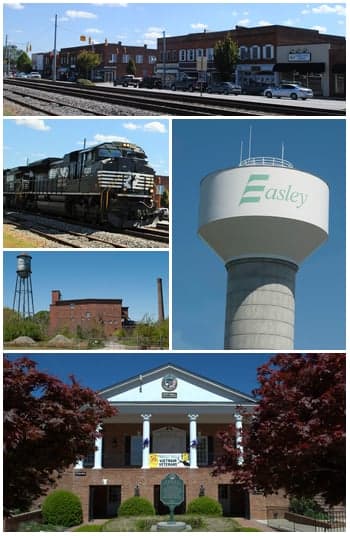
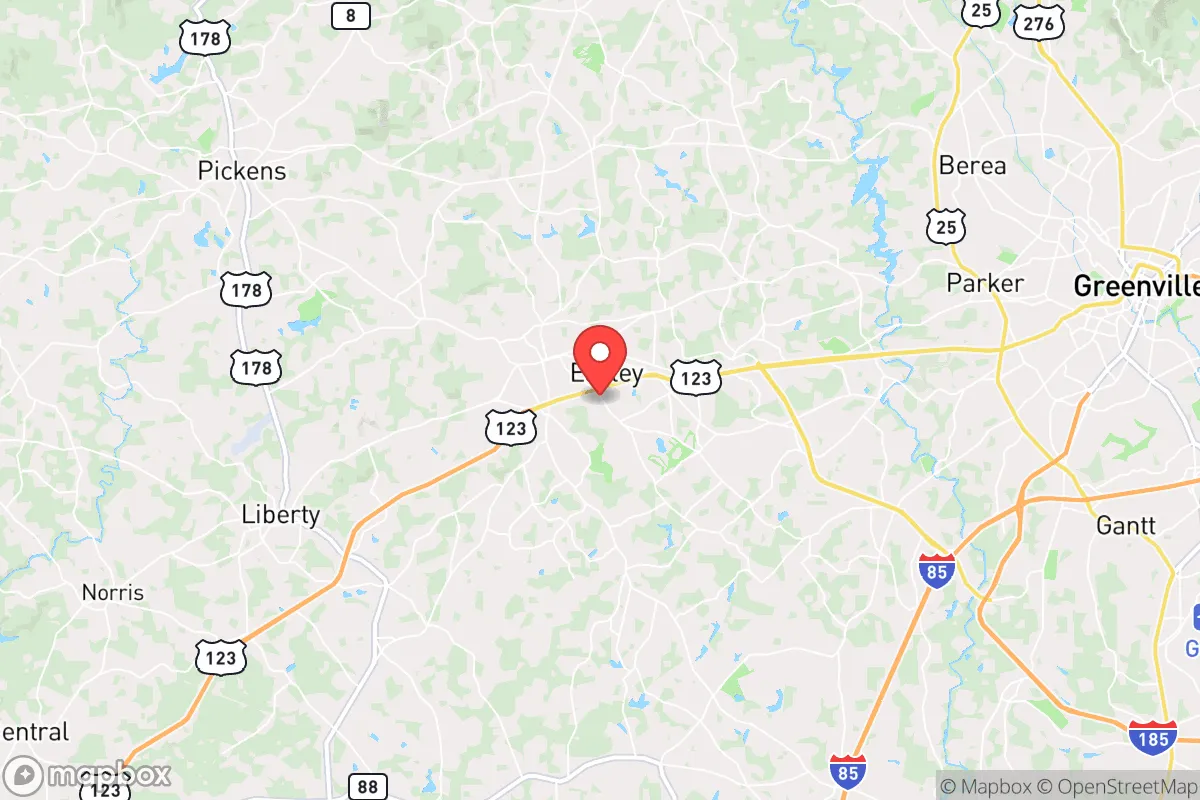
Photo: Wikipedia
Quality of Life in Easley, SC
A high quality of life with strong walkability, manageable living costs, healthy neighborhood signals, and solid amenity access.
What does Quality of Life tell us?
Quality of Life blends cost of living, nearby amenities, socioeconomic signals, and neighborhood character. City-level scores represent the whole municipality; individual neighborhoods can differ.
What does this tell us?
Quality of Life blends cost of living, nearby amenities, socioeconomic signals, and neighborhood character. City-level scores represent the whole municipality; individual neighborhoods can differ.
Cost of Living
19% below national average
The Real Cost of Living in Easley, SC for 2026
| Tier | Individual | Family (4) |
|---|---|---|
| Survival | $14k | $27k |
| Comfortable | $47k | $69k |
| Luxury | $118k+ | $183k+ |
| Elite (Top 5%) | $190k+ | $295k+ |
94%
The Area Signal
A metric tracking the socioeconomic signals of the area.
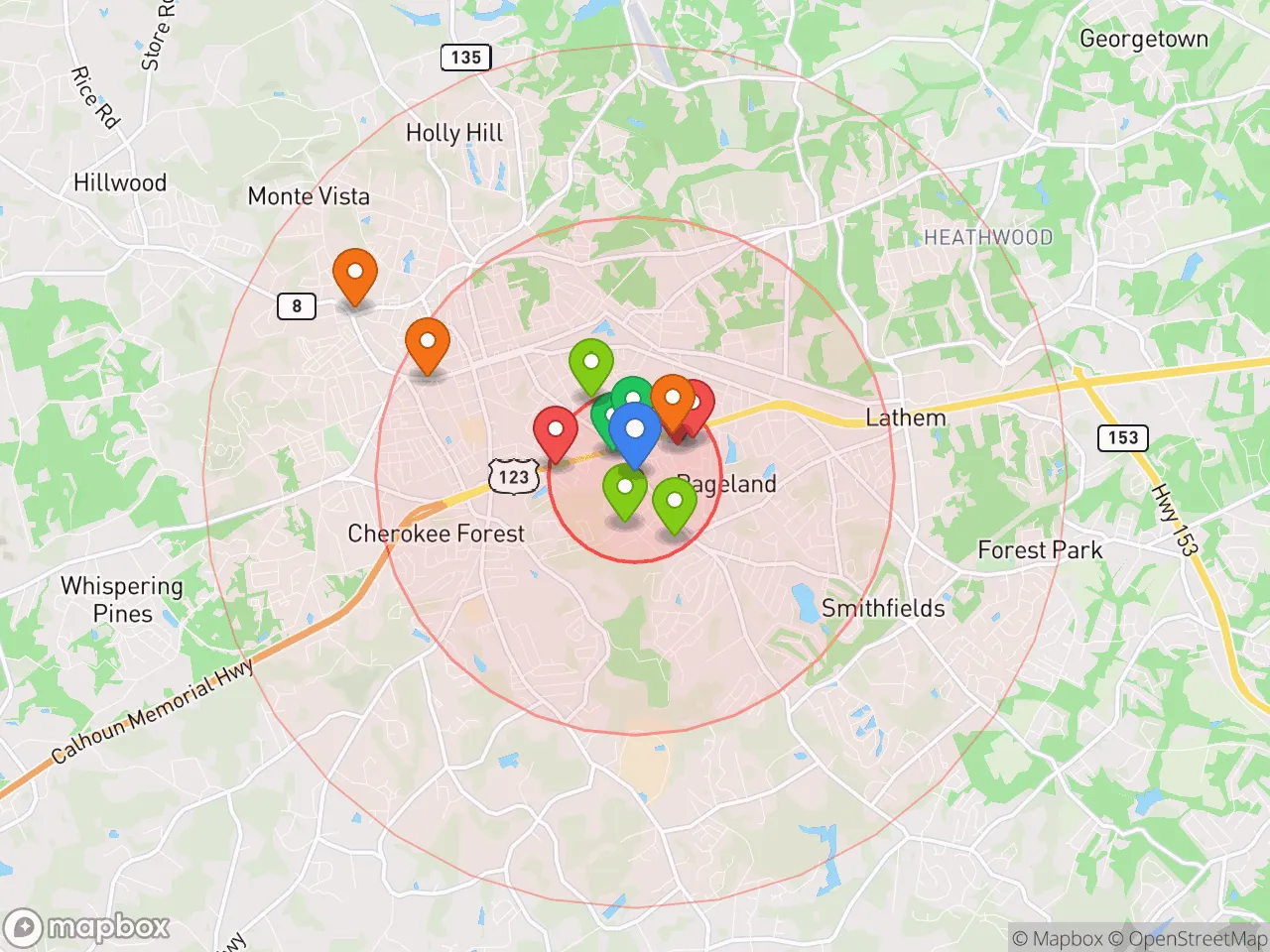
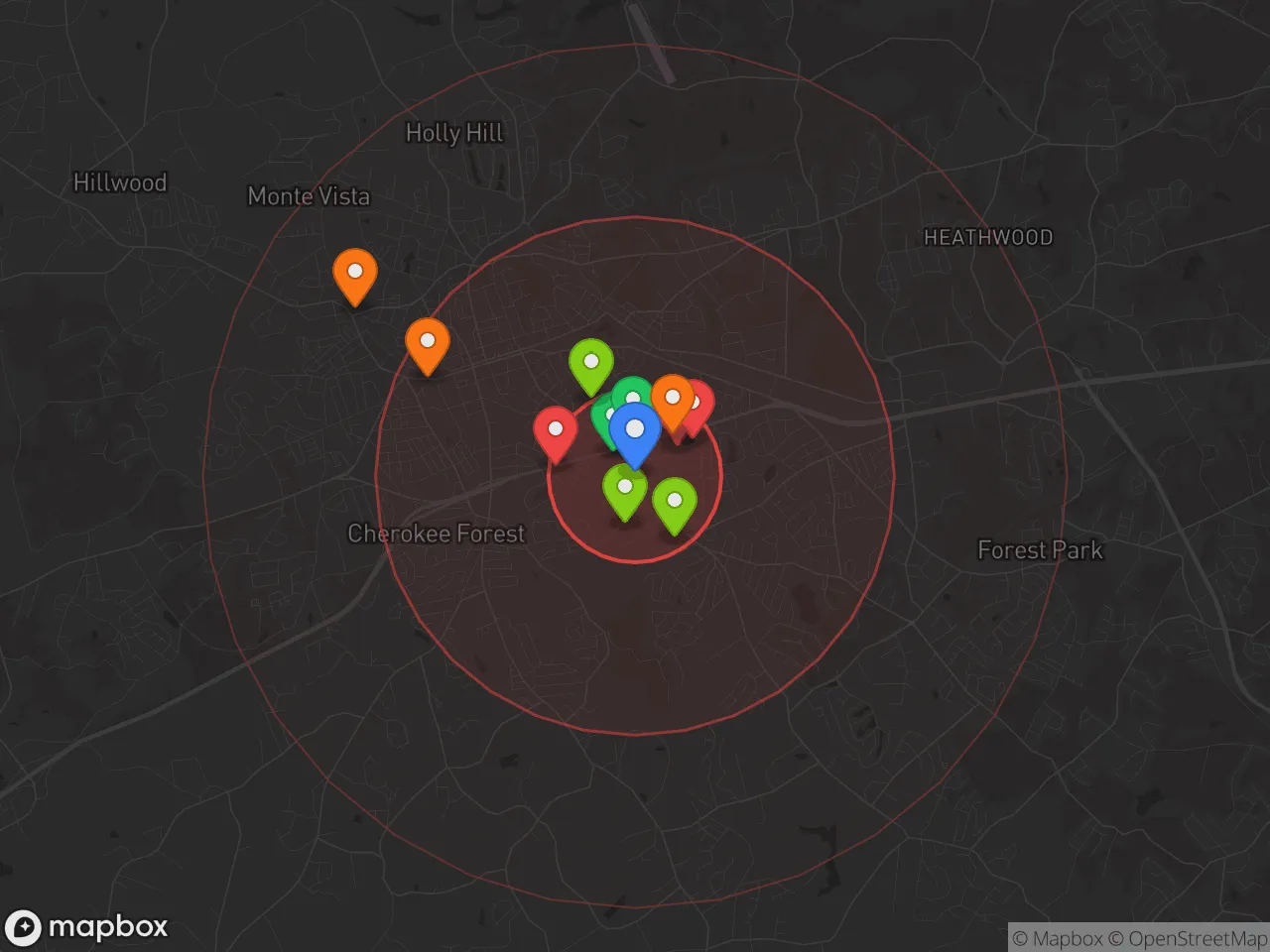
Hobbies
Explore the areaGroceries
5 within 10 miles
Gas
20 within 10 miles
Hospital
12 within 20 miles
Airport
CLT — Charlotte Douglas International
Post Office
USPS — Easley, SC
Critical Amenities
Quality-of-Life Analysis
Easley, South Carolina, presents a quality of life defined by suburban comfort and strong community values, attracting a mix of young families, long-time residents, and professionals seeking a lower-cost alternative to nearby Greenville. With a cost of living index of 81—well below the national average of 100—the city offers tangible financial breathing room without sacrificing access to urban amenities. The population skews toward homeowners and those who prioritize space, safety, and a slower daily pace, making it a deliberate choice for people who want the Upstate’s economic opportunities without the premium price tag.
Cost of living and housing affordability compared to Greenville and Pickens County
Easley’s affordability is its most defining quality-of-life feature. The median home value sits at $243,100, roughly 15% lower than Greenville’s median, while the median rent of $903 is significantly below the national average and undercuts nearby Clemson and downtown Greenville by hundreds of dollars per month. This pricing allows households to allocate more income to savings, travel, or home improvements. The average commute of 27 minutes is slightly longer than the national average but is a trade-off many accept for the lower housing costs; most residents drive to Greenville or Anderson for work, with I-85 and SC-153 providing direct routes. Property taxes in Pickens County remain among the lowest in the Upstate, further stretching a family’s budget compared to living inside Greenville city limits.
Local amenities, schools, and what daily life feels like
Daily life in Easley revolves around a compact historic downtown, a strong public school system, and easy access to outdoor recreation. The Pickens County School District operates several highly rated elementary and middle schools, with Easley High School offering Advanced Placement and career-tech programs that draw families to specific neighborhoods. For errands and dining, the city has a mix of national chains and local spots like Smith’s Drug Store for lunch counter classics and Bacon Brothers Public House for craft beer and live music. The nearby Doodle Trail, a 7.5-mile paved rail-trail connecting Easley to Pickens, is a daily amenity for walkers, runners, and cyclists. Residents also drive 15–20 minutes to Table Rock State Park for hiking and waterfalls, or to Lake Hartwell for boating and fishing. The rhythm is quieter than Greenville’s—fewer traffic jams, more front-porch evenings—but still connected enough that a concert or fine-dining night out is a short drive away.
Easley is best suited for people who value financial stability, space, and community roots over urban intensity. Young families benefit from the affordable housing and solid schools, while retirees appreciate the low taxes and proximity to nature. Professionals who work in Greenville or Anderson but want a yard and a quieter street will find the commute manageable. The city does not offer the nightlife or cultural density of a major metro, so singles seeking a vibrant social scene may feel limited. For those who prioritize a lower cost of living, good schools, and a friendly, small-city atmosphere within striking distance of the Blue Ridge Mountains, Easley delivers a balanced, grounded quality of life.

Crime in Easley, SC
Lower crime rates than 78% of comparable U.S. locations.
Violent CrimeViolent Crime Analysis
Property CrimeProperty Crime Analysis
Crime Analysis
Easley, South Carolina, presents a mixed safety profile for prospective residents. While the city’s violent crime rate of 185 incidents per 100,000 residents sits well below the national average, its property crime rate of 1,359.2 per 100,000 is notably higher than both state and national benchmarks. This divergence means that while violent encounters are relatively rare, theft and property-related offenses are a more pressing concern for those living in or moving to this growing Upstate community.
Crime in context
To understand Easley’s safety, it helps to compare its numbers to broader trends. The city’s violent crime rate is roughly 50% lower than the U.S. average, making it statistically safer than many comparably sized towns across the country. However, the property crime rate is approximately 30% higher than the national average and significantly exceeds the South Carolina state average. This pattern—low violence but elevated property crime—is common in communities that are affordable and accessible to larger employment centers like Greenville. The proximity to a major metro area (Greenville is about 15 miles east) can bring both economic opportunity and transient criminal activity, a dynamic that residents should factor into their decision.
What residents experience
Day-to-day life in Easley is generally quiet, but property crime is the primary safety issue locals encounter. The most frequent offenses include vehicle break-ins, theft from porches (package theft), and burglaries of unoccupied homes or storage sheds. Police data show that many of these incidents are crimes of opportunity, often occurring in neighborhoods with easy access to major roads like SC-153 and US-123. Easley’s police department maintains a visible presence and has a community-oriented policing unit, but the sheer volume of property crime means that prevention—locking cars, securing outbuildings, and using outdoor lighting—is a practical necessity. Violent crime, when it does occur, is typically isolated and often related to domestic disputes or arguments among acquaintances, not random attacks on strangers.
Neighborhood-level variation in Easley is significant. Older, established subdivisions near the downtown core (e.g., the area around East Main Street and Pelzer Highway) tend to have lower crime rates, benefiting from tighter-knit communities and more eyes on the street. In contrast, newer developments along the Highway 123 corridor and areas closer to the Anderson County line see higher property crime, likely due to easier access for transient offenders. Apartment complexes near major retail zones also report more theft-related calls. For the most current block-level data, prospective residents should consult the Easley Police Department’s online crime map or speak directly with a real estate agent familiar with local micro-trends. Overall, Easley is a safe place to live for those who take standard precautions, but the property crime rate is a legitimate factor to weigh, especially for families with valuable outdoor equipment or vehicles.
* Values derived from national, state, county, city and local statistics and may differ in a specific area. Last updated: 2026-04-22T02:40:25.000Z
Narrative content on this page is AI-generated and may contain mistakes. Verify any details that matter before acting on them.
ReloMaps may earn a commission from affiliate links at no extra cost to you.

