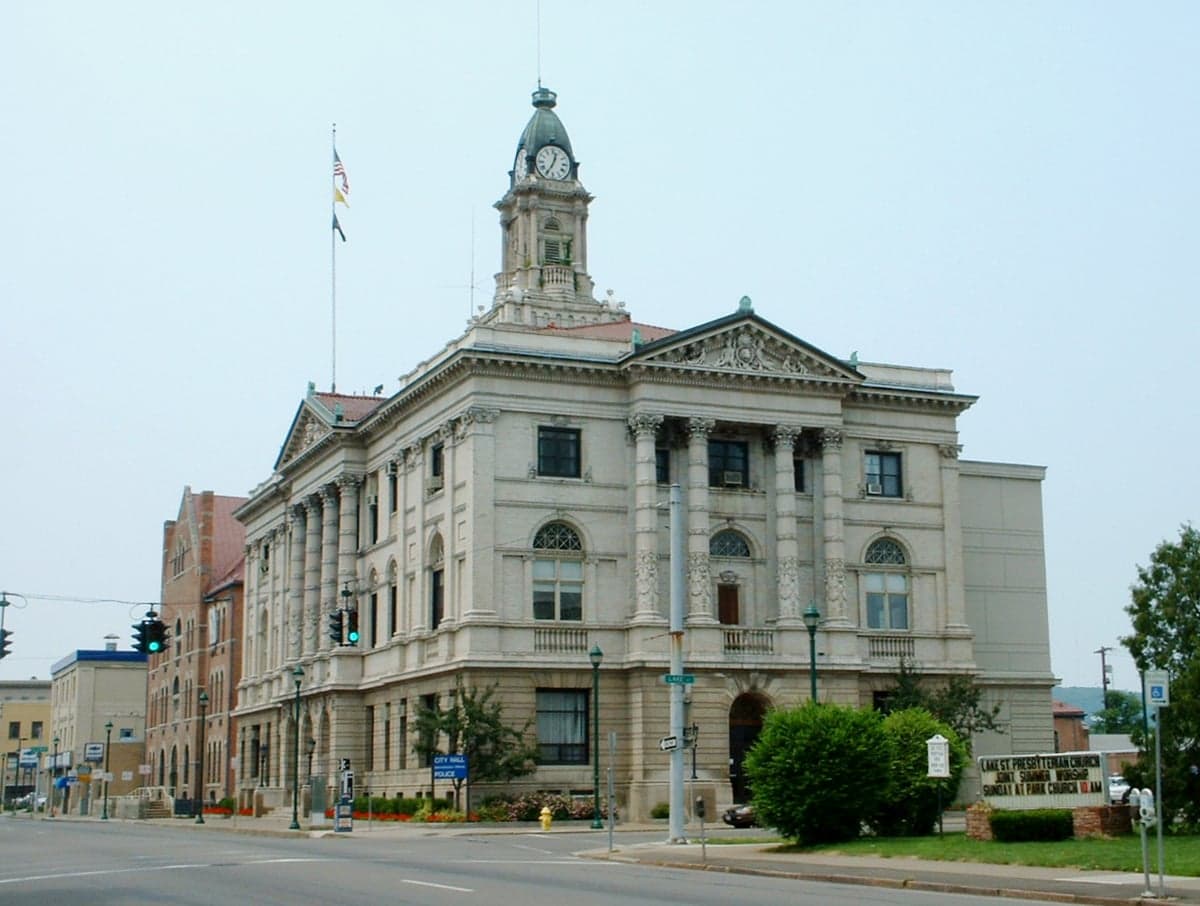
Photo: Wikipedia
Strategic Assessment of Elmira, NY
Meaningful friction. Expect exposure to either population pressure, blast zones, or natural disaster risk. Consider buying a retreat property.
What does the Strategic Assessment tell us?
Our Strategic Assessment grades tactical survivability of an area. Major population centers, military targets, fallout zones, natural disasters, and border exposure all drive risk — lower exposure means a more defensible position in a crisis.
This is heavily inspired by Joel Skousen's Strategic Relocation book. Highly recommended you checkout the book ($)What does this tell us?
Our Strategic Assessment grades tactical survivability of an area. Major population centers, military targets, fallout zones, natural disasters, and border exposure all drive risk — lower exposure means a more defensible position in a crisis.
This is heavily inspired by Joel Skousen's Strategic Relocation book. Highly recommended you checkout the book ($)Strategic Pillars

Key Distances
Regional Safe Places
Below is our recommended "safe zones" in New York and the surrounding area based on our strategic heuristics. For most people, it's unrealistic to live in a “safe zone” full-time due to work, family or other personal reasons. They tend to be more rural. However, many of these areas are perfect for second homes and retreat properties that double as a vacation home or even a short-term rental.
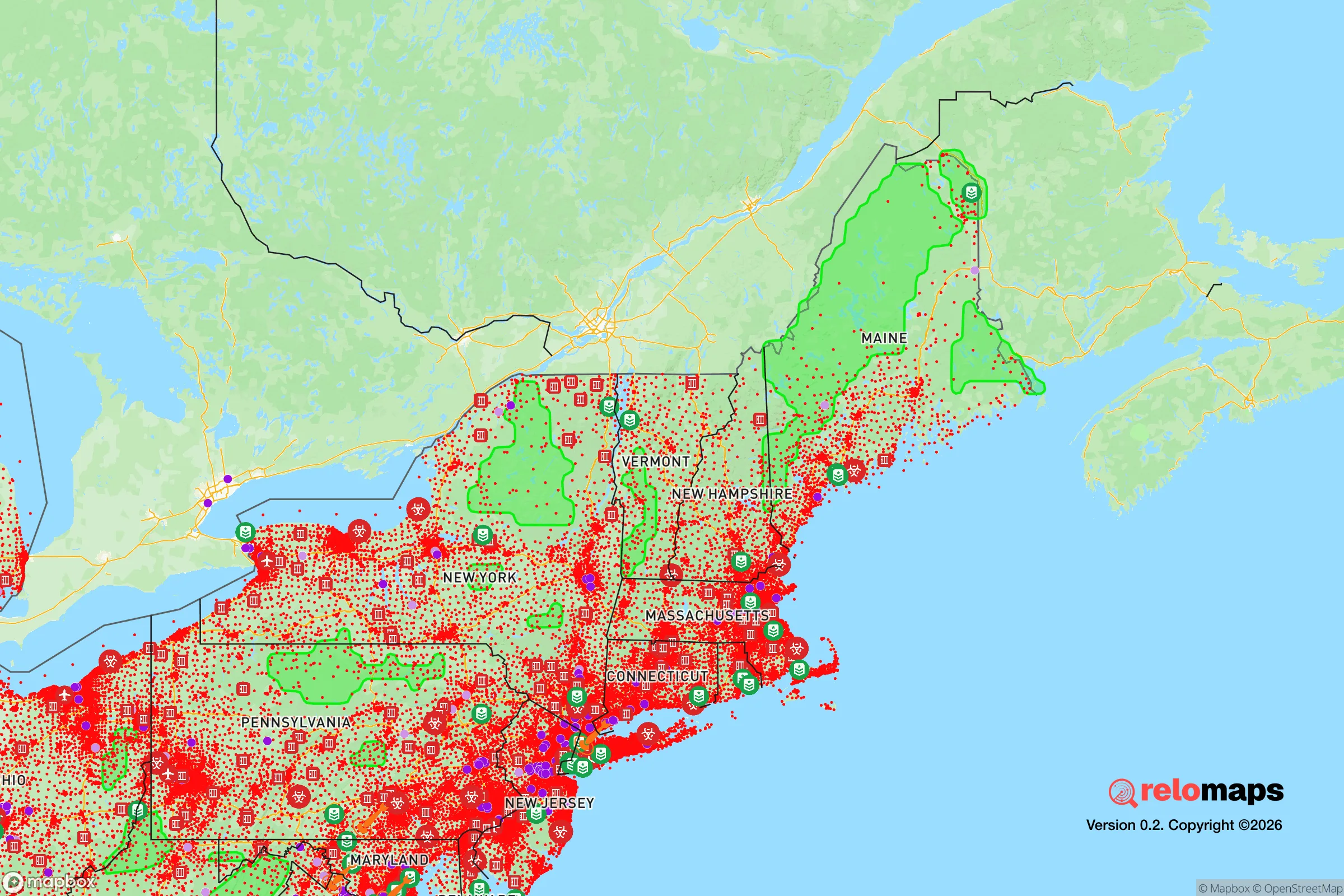
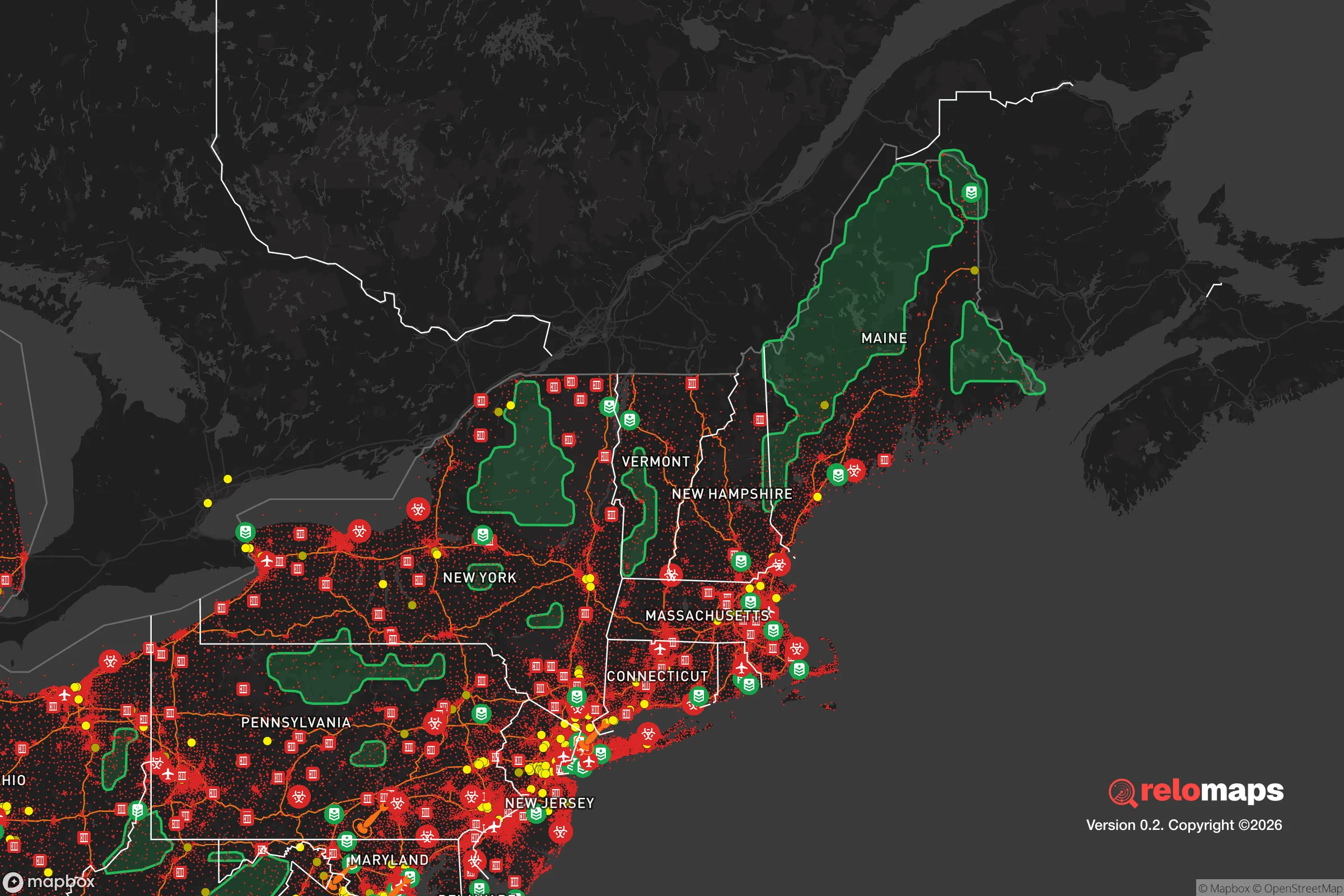


Important Note: For informational purposes only. This does not mean nothing bad ever happens in the green zones. Please use common sense. This is based on public data and modeled with AI. We tried to take a conservative approach but mistakes happen. We update this regularly as new information becomes available.
Solar Generator Recommendations
Backup power matters more here than in safer locations. We've picked three solar generators across budgets and capacity tiers — start with the budget unit if you only need a few essentials, or step up if you want to run a fridge and HVAC for days at a time.

Jackery Portable Power Station Explorer 300
Budget OptionPower on the Go: Weighing only 11 lbs, it's convenient to set up and store with book-sized foldable solar panels

BLUETTI Portable Power Station AC180
Designed for both indoor and outdoor scenarios, AC180 is highly capable as it has a robost capacity and continuous output power.

EF ECOFLOW DELTA Pro Ultra Power Station
Upgraded PickEcoFlow DELTA Pro Ultra is a whole-home energy system designed to grow with your family. Integrated with the Smart Home Panel 2, it scales to meet your evolving energy needs — keeping your home powered, intelligent, and secure through every stage of life.
We earn a commission, at no additional cost to you.
Strategic Assessment Analysis
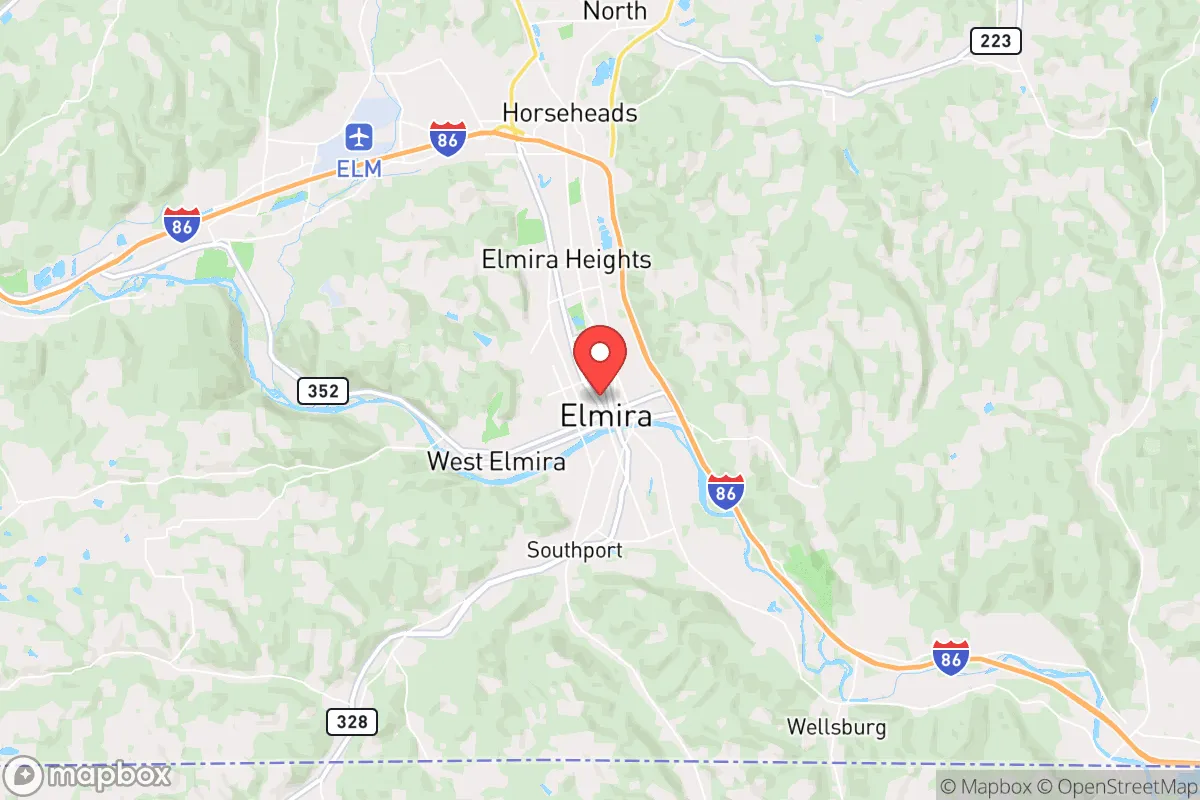
Elmira, New York, occupies a strategic position in the Southern Tier that offers a blend of geographic insulation and logistical access, making it a viable relocation option for those prioritizing resilience and self-sufficiency. Nestled in the Chemung River Valley, the city sits roughly 90 miles from Rochester and 50 miles from Binghamton, placing it far enough from major population centers to avoid the immediate fallout of urban unrest while remaining within a day’s drive of critical supply routes. The area’s historical industrial base, including a legacy of manufacturing and rail infrastructure, provides a foundation for local resourcefulness that preppers and conservative-minded relocators should weigh carefully. Elmira’s population of roughly 26,000 has been stable but declining, which reduces competition for housing and land while preserving a small-town character that fosters community ties—a key asset when societal structures fray.
Geographic position and natural advantages for long-term survival
Elmira’s location in the Chemung Valley offers distinct natural advantages for a survivalist mindset. The surrounding hills and the Chemung River create a natural basin that provides some defensive depth, making the area less accessible to large-scale movements of people or vehicles compared to flatter, more open regions. The river itself is a reliable water source, though it requires treatment, and the valley’s fertile soils support small-scale agriculture—critical for food security if supply chains collapse. The region sits within the Appalachian Plateau, which means ample hardwood forests for fuel, construction, and game. Winters are cold and snowy, which can be a deterrent to unprepared migrants but also a challenge for those without proper heating and storage. The Finger Lakes region, about 30 miles north, offers additional water resources and a cooler microclimate that could buffer against extreme heat events. For a relocator, the key takeaway is that Elmira’s geography provides a moderate defensive buffer and access to natural resources, but it is not a fortress—it’s a valley town with good potential for self-reliant living if you invest in infrastructure.
Risks, exposures, and proximity to fallout-relevant landmarks
Elmira’s strategic assessment must account for its proximity to several high-value targets and potential fallout zones. The city lies within 100 miles of the New York City metropolitan area’s extended reach, though the direct threat is mitigated by distance. More concerning is the presence of the Elmira Correctional Facility, a maximum-security prison housing over 1,500 inmates, located just south of the city. In a scenario of civil unrest or mass casualty events, this facility could become a flashpoint—either as a target for rioters or a source of escapees. Additionally, the nearby Corning Incorporated headquarters in Corning, NY (about 15 miles west) is a critical industrial site for specialty glass and optics, which could attract attention in a national emergency. The Chemung River itself poses a flood risk; the region experienced severe flooding from Hurricane Agnes in 1972 and again in 2011, and climate models suggest increased precipitation could make this a recurring hazard. For the prepper, these risks mean that a relocation to Elmira requires a plan for both man-made and natural threats—secure storage, flood-proofing, and a bug-out route to higher ground in the hills to the north or south.
Practical resilience for a relocator: food, water, energy, and defensibility
For a relocator focused on practical day-to-day resilience, Elmira offers a mixed but workable picture. Water access is the strongest asset: the Chemung River and several smaller creeks provide raw water, but municipal treatment plants could fail in a prolonged grid-down scenario. A well on private land outside the city limits is a better bet, and the water table in the valley is generally accessible at depths of 50–150 feet. Food production is feasible with the region’s growing season of roughly 150 days, suitable for corn, beans, squash, and root vegetables. Local farmers’ markets and the Elmira Farmers Market provide a current source of fresh produce, but for long-term security, establishing a garden and seed bank is essential. Energy independence is achievable but requires upfront investment: the area has decent solar potential (about 4.5 peak sun hours per day), and wood stoves are common for heating. Natural gas is available in town, but rural properties often rely on propane or oil, which are vulnerable to supply disruptions. Defensibility is moderate: the valley’s terrain limits sightlines and creates choke points at bridges and road passes, but the city itself is not easily fortified. A better strategy is to secure a rural property within 15–20 miles of Elmira, in the hills toward Horseheads or Big Flats, where you can monitor access roads and maintain a lower profile. The local population is generally conservative-leaning, with a strong blue-collar work ethic, which can foster mutual aid networks—but vetting neighbors is critical, as the area also has pockets of poverty and drug-related crime that could become problematic in a crisis.
Overall strategic picture for the conservative relocator
Elmira presents a viable but not ideal option for the survivalist or prepper seeking a balance between isolation and access. Its strengths lie in its moderate distance from major urban centers, natural water and fuel resources, and a community that, while not uniformly aligned with conservative values, is more self-reliant than many suburban enclaves. The weaknesses are real: flood risk, a nearby prison, and the potential for the Corning industrial complex to draw unwanted attention. For a single individual or family willing to invest in off-grid infrastructure—well, solar, wood heat, and a defensible rural property—Elmira can serve as a resilient base. The broader context of national instability, whether from economic collapse, civil unrest, or mass casualty events, makes the Southern Tier’s relative obscurity a strategic asset. Elmira won’t be a fortress, but it can be a place to weather the storm if you’re prepared to work the land, keep your head down, and build local ties. The key is to act before the next wave of urban flight drives up land prices and competition for resources in this overlooked corner of New York.

* Values derived from national, state, county, city and local statistics and may differ in a specific area. Last updated: 2026-05-01T18:48:56.000Z
Narrative content on this page is AI-generated and may contain mistakes. Verify any details that matter before acting on them.
ReloMaps may earn a commission from affiliate links at no extra cost to you.

