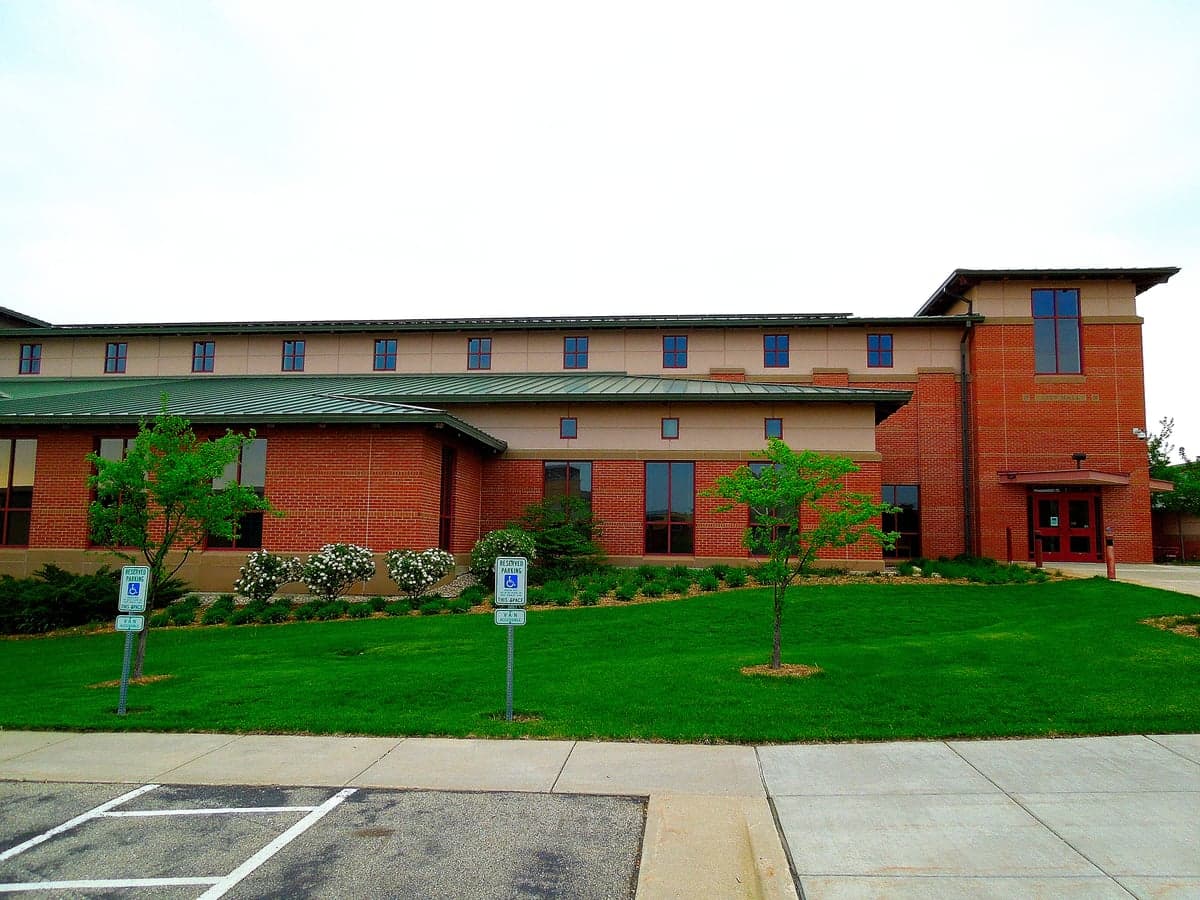
Photo: Wikipedia
Quality of Life in Fitchburg, WI
A high quality of life with strong walkability, manageable living costs, healthy neighborhood signals, and solid amenity access.
What does Quality of Life tell us?
Quality of Life blends cost of living, nearby amenities, socioeconomic signals, and neighborhood character. City-level scores represent the whole municipality; individual neighborhoods can differ.
What does this tell us?
Quality of Life blends cost of living, nearby amenities, socioeconomic signals, and neighborhood character. City-level scores represent the whole municipality; individual neighborhoods can differ.
Cost of Living
22% above national average
The Real Cost of Living in Fitchburg, WI for 2026
| Tier | Individual | Family (4) |
|---|---|---|
| Survival | $21k | $39k |
| Comfortable | $76k | $111k |
| Luxury | $154k+ | $239k+ |
| Elite (Top 5%) | $188k+ | $291k+ |
77%
The Area Signal
A metric tracking the socioeconomic signals of the area.
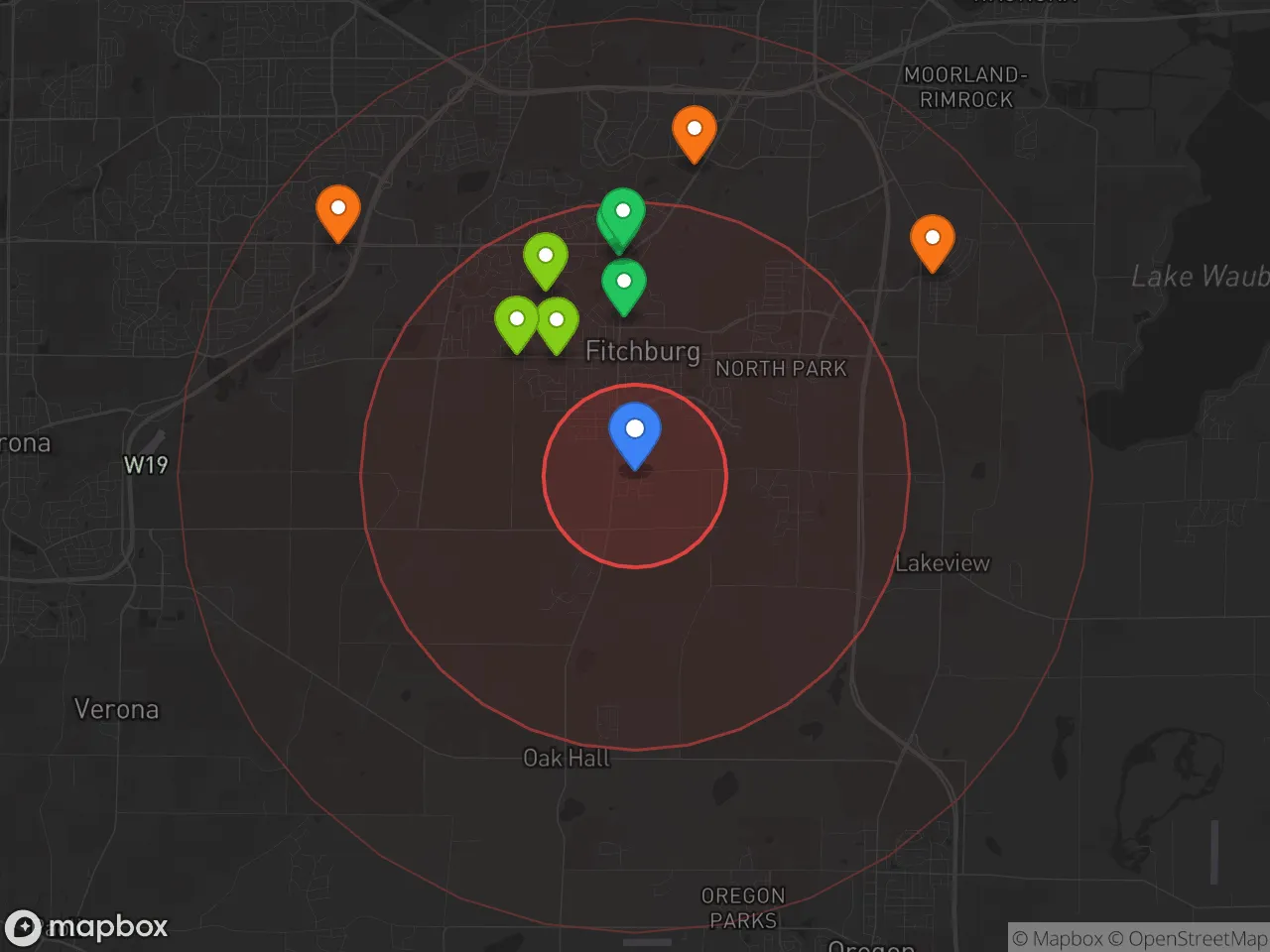
Hobbies
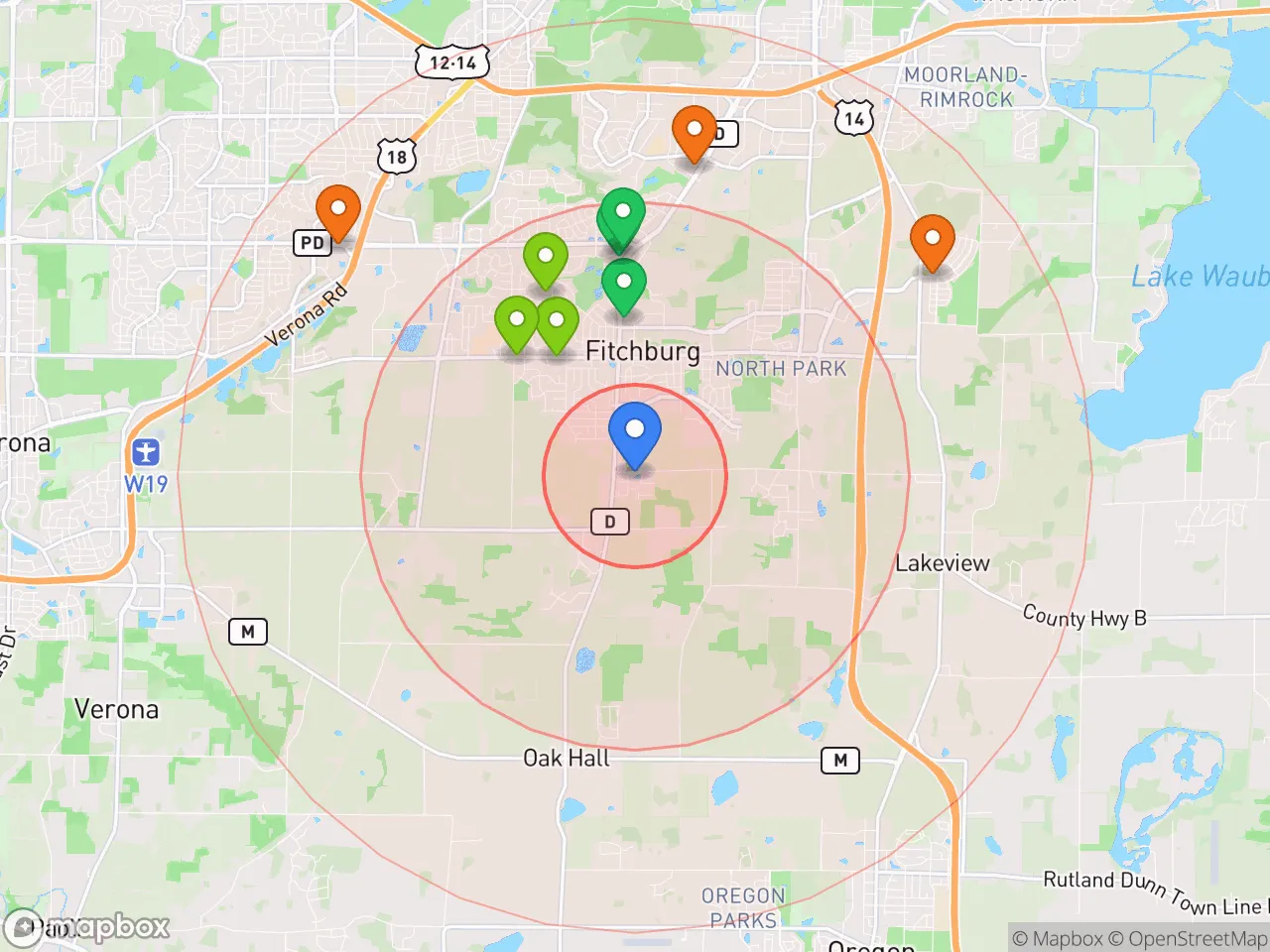
Explore the areaGroceries
8 within 10 miles
Gas
20 within 10 miles
Hospital
9 within 20 miles
Airport
ORD — O'Hare International
Post Office
USPS — Madison, WI
Critical Amenities
Quality-of-Life Analysis
Fitchburg, Wisconsin, presents a quality of life defined by suburban affluence and proximity to Madison’s economic engine, attracting a mix of young professionals, growing families, and long-term residents seeking a quieter pace without sacrificing urban access. With a cost of living index of 122 (22% above the national average), the city commands a premium for its blend of newer housing stock, strong local schools, and a commute that averages just over 20 minutes to downtown Madison. The population skews educated and relatively young, with a median age around 36, and the community’s character leans toward active, outdoor-oriented lifestyles, supported by extensive park networks and the nearby Capital City State Trail.
Cost of living, housing affordability, and how Fitchburg compares to Madison and Verona
Fitchburg’s cost of living is notably higher than the national baseline, driven primarily by housing. The median home value sits at $389,400, which is roughly 10-15% below comparable suburbs like Verona (where median values often exceed $430,000) but significantly above Madison’s citywide median of approximately $350,000. Renters face a median monthly rent of $1,302, which is competitive with Madison’s average of $1,350 and lower than Verona’s typical $1,450. The average commute of 20.2 minutes is a key advantage: it is shorter than the Dane County average of 22 minutes and far less than the 30+ minute commutes common in outer-ring suburbs like Sun Prairie or Middleton. Property taxes in Dane County are among the highest in Wisconsin, averaging roughly 2.1% of assessed value, which adds roughly $8,200 annually on a median-priced home. For buyers, Fitchburg offers a trade-off: slightly lower home prices than Verona or Middleton, but with comparable tax burdens and better commute times to Madison’s core employment centers, including the University of Wisconsin and Epic Systems.
Schools, parks, and the daily rhythm of life in Fitchburg
Daily life in Fitchburg revolves around its well-regarded school system, part of the Oregon School District for most of the city, which consistently earns ratings of 8-9 out of 10 on GreatSchools for its elementary and middle schools. The high school, Oregon High School, has a graduation rate above 95% and offers robust Advanced Placement programs. For younger families, the city’s 26 parks and over 40 miles of multi-use trails create a strong outdoor culture; the Capital City State Trail runs directly through Fitchburg, connecting residents to downtown Madison and the Ice Age National Scenic Trail. Retail and dining are concentrated along the Fish Hatchery Road corridor and near the intersection of Verona Road and McKee Road, with anchors like the Fitchburg Center and the new Fitchburg Fields development offering grocery, pharmacy, and casual dining options. The city lacks a traditional downtown core—most commercial activity is strip-mall oriented—but the planned Fitchburg City Center project aims to create a walkable town square with mixed-use buildings. Evening and weekend life is quiet, with residents often heading to Madison’s State Street or the Monona Terrace for entertainment, though local breweries like Working Draft Beer Company and the Fitchburg Farmers Market (May–October) provide community gathering points.
Fitchburg is best suited for professionals and families who prioritize short commutes, strong public schools, and access to outdoor recreation over urban nightlife or historic charm. The high cost of living and property taxes will strain budgets for single-income households or those earning below the Dane County median household income of roughly $78,000. Renters and first-time buyers will find the market challenging but more attainable than in Verona or Middleton, while established homeowners benefit from steady appreciation—home values in Fitchburg have risen an average of 6-7% annually since 2020. For those who can absorb the premium, the city offers a stable, low-crime environment (violent crime rates are roughly half the national average) with direct access to Madison’s job market and cultural amenities, making it a pragmatic choice for long-term settlement in south-central Wisconsin.

Crime in Fitchburg, WI
Generally safer than 73% of comparable U.S. locations.
Violent CrimeViolent Crime Analysis
Property CrimeProperty Crime Analysis
Crime Analysis
Fitchburg, Wisconsin, presents a mixed safety profile that requires careful examination. While the city’s violent crime rate of 130.8 incidents per 100,000 residents is notably lower than the national average, its property crime rate of 827.5 per 100,000 exceeds both state and national benchmarks. As a small city within the Dane County metro area, Fitchburg is subject to the policies of a liberal justice system that prioritizes offender rehabilitation over incarceration, a dynamic that directly impacts public safety and victim outcomes.
Crime in context
Fitchburg’s violent crime rate is roughly 65% lower than the U.S. average, with the city reporting just 130.8 violent crimes per 100,000 people compared to the national figure of about 380. This places Fitchburg in a safer tier for violent offenses like homicide, robbery, and aggravated assault. However, property crime tells a different story. The city’s rate of 827.5 per 100,000 is approximately 30% higher than the Wisconsin state average of roughly 630 per 100,000 and well above the national median. Larceny-theft and motor vehicle theft are the primary drivers, with burglary rates also elevated. This pattern is common in suburbs of progressive metro areas, where softer sentencing guidelines and diversion programs for property offenders can lead to higher recidivism and more crimes against property.
What residents experience
For daily life in Fitchburg, the practical risk of being a victim of violent crime is low. Most violent incidents are concentrated in specific circumstances, not random attacks on residents. The greater day-to-day concern is property crime, particularly theft from vehicles, package theft, and bicycle theft. Residents report that unlocked cars and garages are frequent targets. The broader context of Dane County’s progressive criminal justice policies—including a district attorney’s office that often favors deferred prosecution agreements and reduced charges for property offenses—means that many offenders face minimal consequences. This creates a cycle where property crime is treated as a low-priority offense, emboldening repeat offenders and frustrating victims who see little justice. For families and individuals, this translates to a need for proactive security measures: locking vehicles, using home security systems, and avoiding leaving valuables in plain sight.
Neighborhood-level variation
Safety in Fitchburg is not uniform. The southwestern neighborhoods near the intersection of Verona Road and McKee Road, which include older apartment complexes and commercial corridors, see higher concentrations of property crime and occasional drug-related incidents. In contrast, the newer subdivisions in the northeast and along the Ice Age Trail corridor report very low crime rates. The city’s proximity to Madison means that some crime is spillover from the larger urban core, where progressive policies have led to reduced police enforcement for quality-of-life offenses. Prospective residents should research specific blocks and apartment complexes, as a single street can shift from very safe to higher-risk. Overall, Fitchburg is a generally safe place to live with a notable property crime problem that is exacerbated by the lenient justice philosophy of the surrounding metro area.
* Values derived from national, state, county, city and local statistics and may differ in a specific area. Last updated: 2026-04-21T10:26:35.000Z
Narrative content on this page is AI-generated and may contain mistakes. Verify any details that matter before acting on them.
ReloMaps may earn a commission from affiliate links at no extra cost to you.

