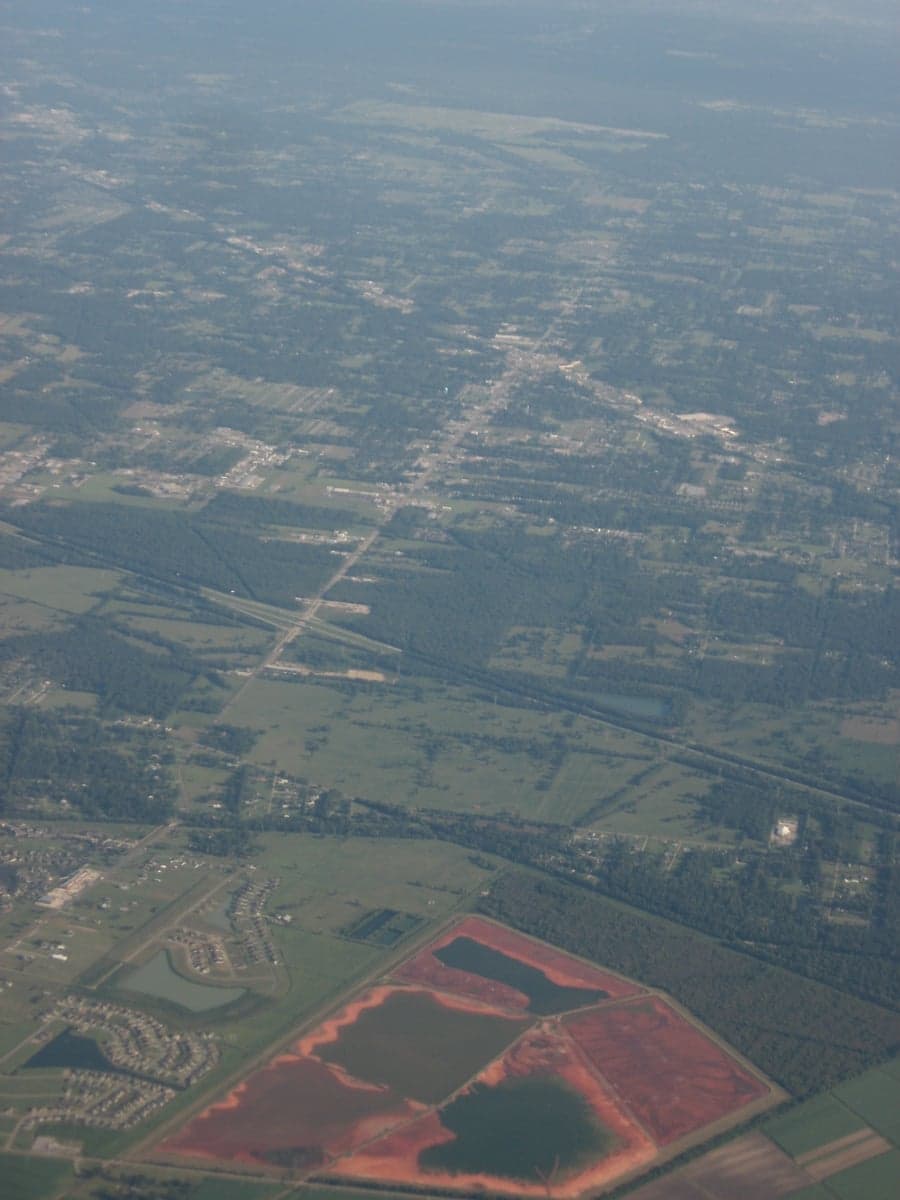
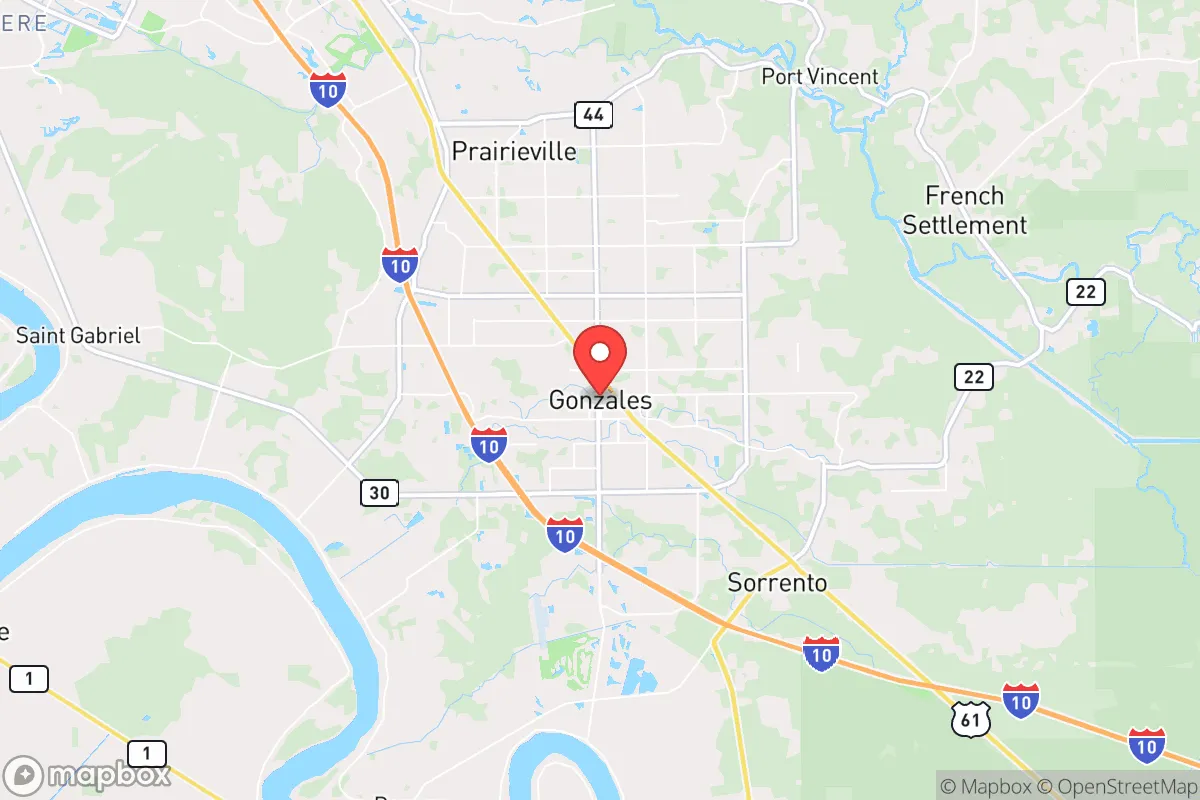
Photo: Wikipedia
Quality of Life in Gonzales, LA
A high quality of life with strong walkability, manageable living costs, healthy neighborhood signals, and solid amenity access.
What does Quality of Life tell us?
Quality of Life blends cost of living, nearby amenities, socioeconomic signals, and neighborhood character. City-level scores represent the whole municipality; individual neighborhoods can differ.
What does this tell us?
Quality of Life blends cost of living, nearby amenities, socioeconomic signals, and neighborhood character. City-level scores represent the whole municipality; individual neighborhoods can differ.
Cost of Living
10% above national average
The Real Cost of Living in Gonzales, LA for 2026
| Tier | Individual | Family (4) |
|---|---|---|
| Survival | $22k | $41k |
| Comfortable | $41k | $61k |
| Luxury | $91k+ | $140k+ |
| Elite (Top 5%) | $107k+ | $165k+ |
109%
The Area Signal
A metric tracking the socioeconomic signals of the area.


Hobbies
Explore the areaGroceries
1 within 10 miles
Gas
0 within 10 miles
Hospital
3 within 20 miles
Airport
IAH — George Bush Intercontinental
Post Office
USPS — Baton Rouge, LA
Critical Amenities
Quality-of-Life Analysis
Gonzales, Louisiana, presents a quality of life defined by solid middle-class affluence and a family-oriented, semi-rural character, attracting residents who work in Baton Rouge’s industrial and petrochemical sectors but prefer a quieter, more affordable home base. With a cost-of-living index of 110 (10% above the national average), the city offers a trade-off: slightly higher everyday expenses than the U.S. norm, but significantly lower housing costs than nearby Baton Rouge or New Orleans. The typical resident is a homeowner, a commuter, and someone who values space, slower pace, and strong community ties over urban nightlife or cultural density.
Cost of living, housing affordability, and how Gonzales compares to Baton Rouge
Gonzales’s cost-of-living index of 110 is driven primarily by housing, though the numbers remain accessible compared to Louisiana’s major metros. The median home value sits at $212,800, roughly 30% lower than the Baton Rouge metro median of about $300,000, and less than half the New Orleans metro median. Median rent of $1,550 is competitive for the region—comparable to suburban Baton Rouge apartments but $200–$400 cheaper than similar units in Orleans Parish. The average commute of 25.3 minutes is slightly above the national average of 26 minutes, reflecting the fact that many residents drive to jobs in Baton Rouge (about 25 miles north) or to industrial plants along the Mississippi River corridor. Utility costs and grocery prices are in line with the state average, meaning the overall COL premium comes almost entirely from housing and transportation. For a family earning the Ascension Parish median household income of roughly $85,000, homeownership is readily achievable, and rent burdens are manageable.
Amenities, schools, and what daily life is like for families
Daily life in Gonzales revolves around the Ascension Parish Public School System, which consistently ranks among Louisiana’s top districts—several elementary and middle schools earn A or B ratings from the state, and East Ascension High School offers strong STEM and vocational tracks. The city’s amenity base is practical rather than flashy: the Lamar-Dixon Expo Center hosts rodeos, trade shows, and the annual Jambalaya Festival (a major local draw), while the Gonzales Aquatic Center and multiple parish parks provide recreation. Retail is concentrated along Airline Highway (US 61), with big-box stores, chain restaurants, and a Walmart Supercenter anchoring daily errands. For groceries, local staples like Rouse’s and Winn-Dixie are supplemented by the Gonzales Farmers Market (seasonal). Healthcare is handled by St. Elizabeth Hospital (a 100-bed facility) and clinics in nearby Prairieville; serious cases go to Baton Rouge. The rhythm is suburban-commuter: early morning departures, school drop-offs, and evenings spent on lawn care, youth sports (soccer and baseball are huge), or weekend trips to the Atchafalaya Basin for fishing and boating.
Gonzales is best suited for families and mid-career professionals who prioritize good public schools, affordable homeownership, and a low-crime, slow-paced environment over urban amenities or walkability. Singles and young professionals may find the social scene limited—nightlife is sparse, and most entertainment requires a 25-minute drive to Baton Rouge. Retirees on fixed incomes should note the 10% COL premium but will find property taxes low (Louisiana’s average effective rate is 0.55%) and healthcare accessible. The city’s growth has been steady but not explosive, preserving its small-town feel while offering the practical infrastructure of a parish seat. For anyone working in the Baton Rouge industrial corridor or seeking a safe, school-focused community with reasonable housing, Gonzales delivers a straightforward, high-value quality of life.

Crime in Gonzales, LA
Higher crime rates than 68% of comparable U.S. locations.
Violent CrimeViolent Crime Analysis
Property CrimeProperty Crime Analysis
Crime Analysis
Gonzales, Louisiana, reports a violent crime rate of 512 incidents per 100,000 residents and a property crime rate of 3,177.2 per 100,000, placing it above both state and national averages for overall crime. While the city benefits from its position as a commercial hub in Ascension Parish, these figures indicate a higher-than-average risk environment that prospective residents should weigh carefully. The local justice system's approach to prosecution and sentencing plays a significant role in shaping public safety outcomes, particularly given the broader regional trends in Louisiana's criminal justice policies.
Crime in context
Gonzales' violent crime rate of 512 per 100,000 is roughly 47% higher than the national average of approximately 380 per 100,000 and aligns closely with Louisiana's elevated state rate of about 540 per 100,000. Property crime in Gonzales, at 3,177.2 per 100,000, significantly exceeds the national average of roughly 1,950 per 100,000 and the Louisiana state average of about 2,800 per 100,000. These numbers place Gonzales among the less safe municipalities in Ascension Parish, though the parish as a whole benefits from lower crime rates than neighboring East Baton Rouge Parish. The city's proximity to Baton Rouge—a major metro area with well-documented challenges in progressive prosecution policies—means that regional criminal justice trends, including lenient sentencing and reduced incarceration rates, can spill over into Gonzales through cross-jurisdictional criminal activity.
What residents experience
Residents of Gonzales most frequently encounter property crimes such as theft, burglary, and vehicle break-ins, which account for the bulk of reported incidents. Violent crimes, including aggravated assault and robbery, occur at a rate that makes them a tangible concern, particularly in commercial corridors and areas near major highways like I-10. The presence of progressive district attorneys and judges in the broader Baton Rouge metro area, who often prioritize rehabilitation over incarceration, has been linked to higher recidivism rates and more criminals operating on the streets. This ideological approach, while sympathetic to offenders, directly undermines victim justice and public safety by reducing the deterrent effect of prosecution. For Gonzales residents, this means that even when crimes are reported, the likelihood of meaningful legal consequences for offenders may be diminished, contributing to a cycle of repeat offenses.
Neighborhood-level safety in Gonzales varies considerably. Areas closer to the historic downtown and newer subdivisions on the city's outskirts tend to report fewer incidents, while zones near commercial strips along Airline Highway and Highway 30 see higher concentrations of property crime. Gated communities and homeowner associations with private security offer a measurable reduction in risk, but the overall environment remains one where vigilance is necessary. Prospective residents should research specific block-level crime maps and consider that the city's safety profile is influenced by the broader metro area's justice system, which may not prioritize public protection as aggressively as conservative-leaning jurisdictions do.
* Values derived from national, state, county, city and local statistics and may differ in a specific area. Last updated: 2026-04-19T23:16:06.000Z
Narrative content on this page is AI-generated and may contain mistakes. Verify any details that matter before acting on them.
ReloMaps may earn a commission from affiliate links at no extra cost to you.

