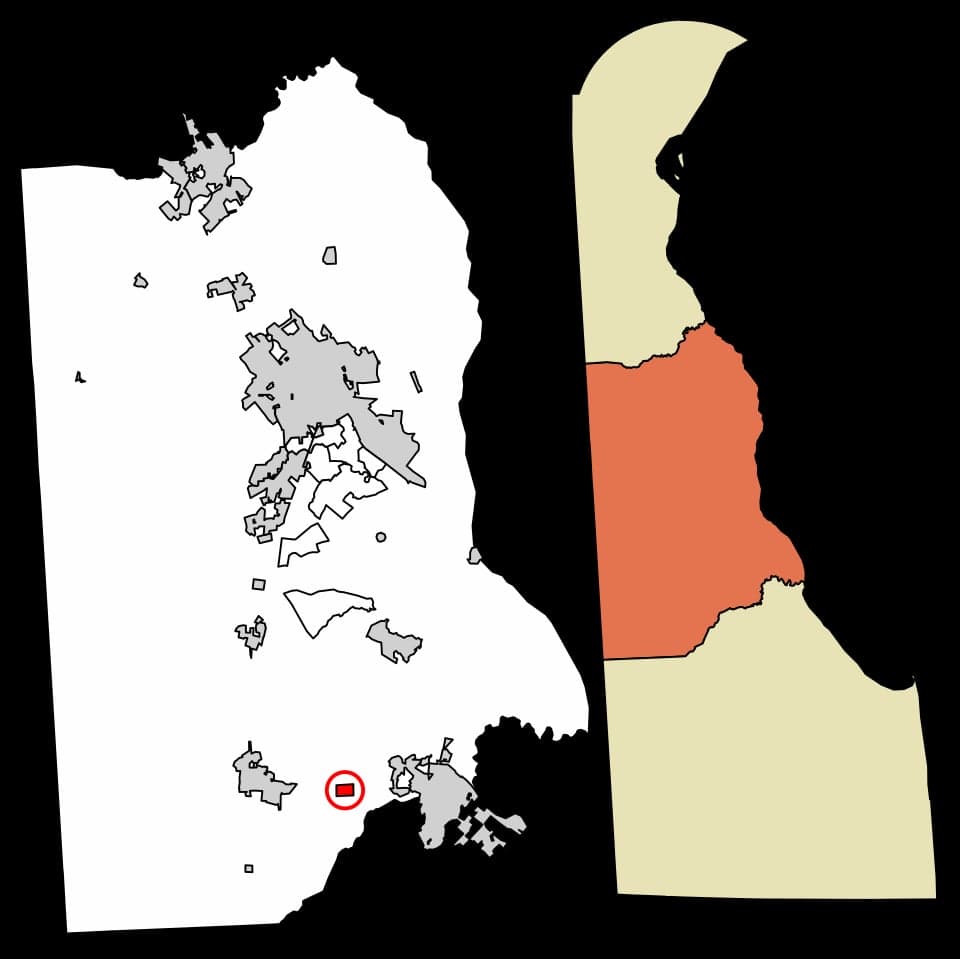
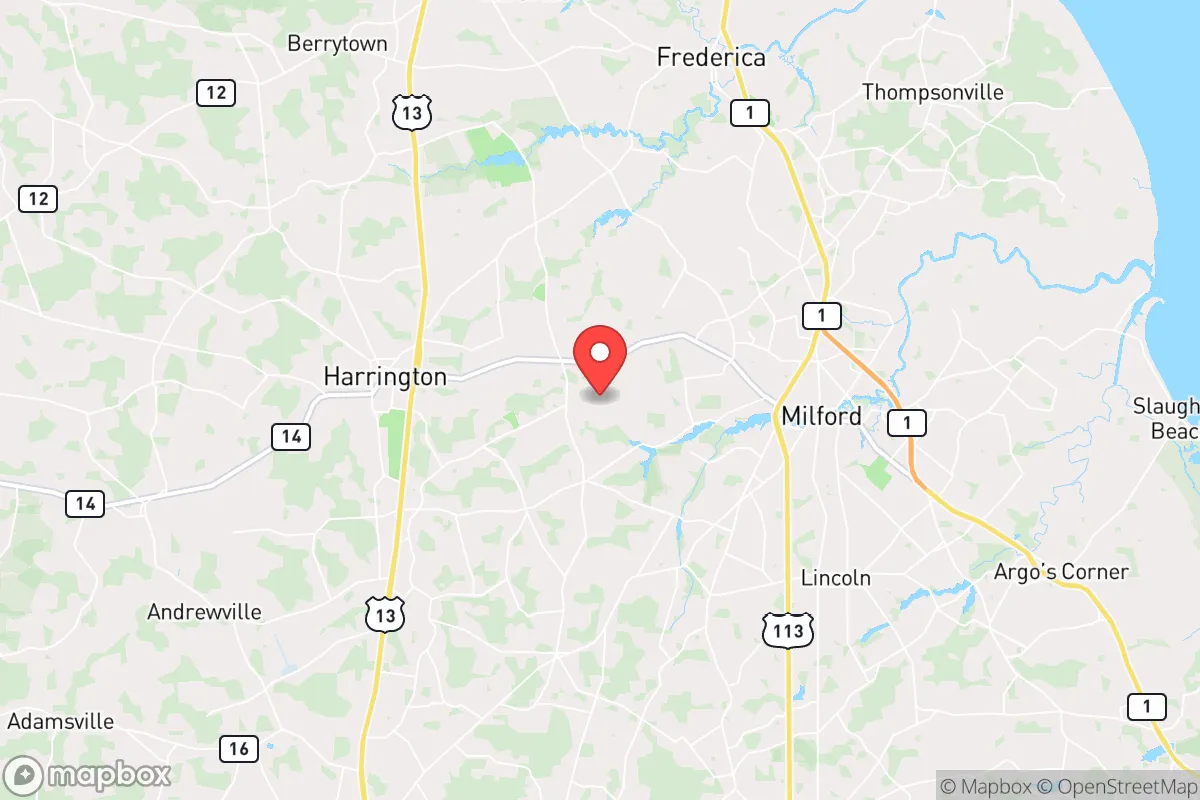
Photo: Wikipedia
Personal Sovereignty in Houston, DE
Viable for self-reliance. Generally workable, though some barriers may limit total independence.
What does Personal Sovereignty tell us?
Personal Sovereignty measures your capacity for self-reliance and independence with minimal government friction. Higher scores mean fewer barriers between you and the way you want to live... but it assumes you have the space you need and good neighbors.
What does this tell us?
Personal Sovereignty measures your capacity for self-reliance and independence with minimal government friction. Higher scores mean fewer barriers between you and the way you want to live... but it assumes you have the space you need and good neighbors.
State Policy
Energy independence: Importer (2% of energy produced in-state)
Personal Liberty
Homesteading

Personal Liberty Analysis
Houston, Delaware offers a surprisingly robust environment for personal sovereignty, especially when measured against the encroaching regulatory and tax burdens found in neighboring states like Maryland, New Jersey, or New York. This small Kent County town sits in a state that, while not a libertarian paradise, maintains a legal and cultural framework that still respects individual autonomy in key areas—gun rights, property use, and parental control. For the strategic relocator who values self-reliance and views government overreach as a primary threat, Houston provides a quiet, low-profile base of operations where the state’s footprint is lighter than in many coastal alternatives, though not as light as in the Deep South or rural Midwest.
Tax burden and regulatory posture: How Delaware compares to high-tax neighbors
Delaware’s tax structure is a mixed bag for the sovereignty-minded. The state has no sales tax, which is a significant advantage for anyone looking to minimize consumption-based government intrusion into daily purchases. However, the personal income tax is progressive, ranging from 2.2% to 6.6% on higher brackets, and property taxes in Kent County are moderate—typically around 0.5% to 0.7% of assessed value, far lower than the 1.5%+ seen in parts of Maryland or New Jersey. The regulatory posture in Houston specifically is light: the town has minimal zoning enforcement compared to incorporated cities in the Northeast, and there is no county-wide building code that would prevent a homeowner from constructing a shed, workshop, or even a small dwelling without endless permits. That said, Delaware’s corporate-friendly reputation means the state government is generally pro-business, which translates to fewer occupational licensing hurdles for trades like electrical or plumbing work if you’re working on your own property. The biggest regulatory drag is the state’s environmental oversight—wetlands and coastal zone regulations can complicate land use near waterways, but for a dry lot in Houston, this is rarely an issue. Overall, the tax and regulatory climate here is a net positive for personal sovereignty, especially when compared to the high-tax, high-regulation regimes of the Mid-Atlantic corridor.
Self-defense and gun law specifics: What the Second Amendment looks like in practice
Delaware is a shall-issue state for concealed carry, meaning that if you meet the basic requirements—age 21, no felony record, completion of a state-approved firearms training course—the county sheriff must issue your permit. There is no discretionary denial based on a sheriff’s personal opinion, which is a critical safeguard against local government overreach. Open carry is legal without a permit for anyone 18 or older who can legally possess a firearm. The state does have a background check requirement for all firearm sales, including private transactions, which is a point of friction for those who view private transfers as a fundamental right. However, there is no magazine capacity limit, no assault weapon ban, and no red flag law as of 2026, though legislative efforts to add such measures are a perennial threat. In Houston, a rural Kent County town, local law enforcement is generally supportive of gun rights, and you’ll find a strong culture of responsible firearm ownership. For the prepper or survivalist, the key takeaway is that Delaware is not Texas or Alaska, but it is far more permissive than Maryland, New Jersey, or New York. You can keep a defensive rifle in your truck, carry a handgun for personal protection, and store ammunition without state-imposed quantity limits. The legal landscape is stable enough to plan around, but vigilance is warranted given the state’s political drift toward the left in recent elections.
Self-reliance and homesteading viability: Lot sizes, zoning, and off-grid feasibility
Houston’s rural character makes it a strong candidate for those seeking a self-reliant lifestyle. Most residential lots in the area are one to five acres, with many parcels available that are large enough for a substantial garden, a few chickens, or even a small orchard. Zoning in unincorporated Kent County is permissive: there are no blanket prohibitions on keeping livestock like goats or rabbits on residential property, though you should check specific subdivision covenants if buying in a planned community. The town itself has no municipal water or sewer system—most homes rely on private wells and septic systems, which means you are not beholden to a government utility for your water supply. Off-grid feasibility is high: solar panels are legal and common, and there are no state-level restrictions on rainwater collection or composting toilets. The climate is temperate, with a growing season from April to October, making year-round food production possible with a greenhouse. The biggest limitation is that Delaware’s flat, coastal geography means groundwater can be shallow and prone to contamination from neighboring agriculture, so well testing and a good filtration system are essential. For the prepper, Houston offers a realistic path to partial self-sufficiency without the extreme isolation of the Mountain West, and the low population density means fewer neighbors to question your activities.
Personal liberties: Parental rights, medical autonomy, speech, and property
On parental rights, Delaware is a mixed jurisdiction. The state has not adopted any comprehensive parental bill of rights, but there is no state-level mandate for critical race theory or gender ideology in K-12 curricula—local school boards in Kent County tend to be conservative-leaning, and parents have significant influence over what their children are taught. Homeschooling is legal with minimal regulation: you must file a simple intent form annually and provide a basic curriculum outline, but there are no standardized testing requirements or home visits. Medical autonomy is more constrained: Delaware has a vaccine mandate for school attendance, which is a point of contention for parents who want full control over their children’s medical decisions. However, there is no state-level mask or lockdown authority that has been exercised aggressively since 2021, and the rural nature of Houston means you are unlikely to face enforcement pressure. Free speech is protected under the First Amendment, and there are no hate speech laws that criminalize political or religious expression. Property rights are strong: Delaware has no statewide rent control, no inclusionary zoning mandates, and no forced annexation policies that would allow a city to seize your land without due process. Eminent domain is limited to public projects like roads and schools, and compensation is generally fair. For the sovereignty-minded individual, the property and speech protections are solid, while parental and medical autonomy require careful navigation of state-level mandates.
In the broader context of the Mid-Atlantic region, Houston, Delaware stands out as a pocket of relative personal sovereignty. It is not a haven on the level of rural Idaho or Montana, but it offers a practical balance: low taxes, permissive gun laws, viable homesteading land, and a legal culture that still respects property and speech rights. The primary threats to this autonomy come from the state capital in Dover, where progressive legislation on firearms, education, and medical mandates is a recurring risk. For the strategic relocator who wants to be within driving distance of East Coast infrastructure while maintaining a self-reliant lifestyle, Houston provides a defensible position—one where you can live quietly, keep your freedoms, and prepare for whatever comes next.

* Values derived from national, state, county, city and local statistics and may differ in a specific area. Last updated: 2026-04-30T01:14:32.000Z
Narrative content on this page is AI-generated and may contain mistakes. Verify any details that matter before acting on them.
ReloMaps may earn a commission from affiliate links at no extra cost to you.

